Texas after Roe: Don’t go beyond abortion trigger law. No punishing women or businesses
READ MORE
Supreme Court overturns Roe v. Wade
Expand All
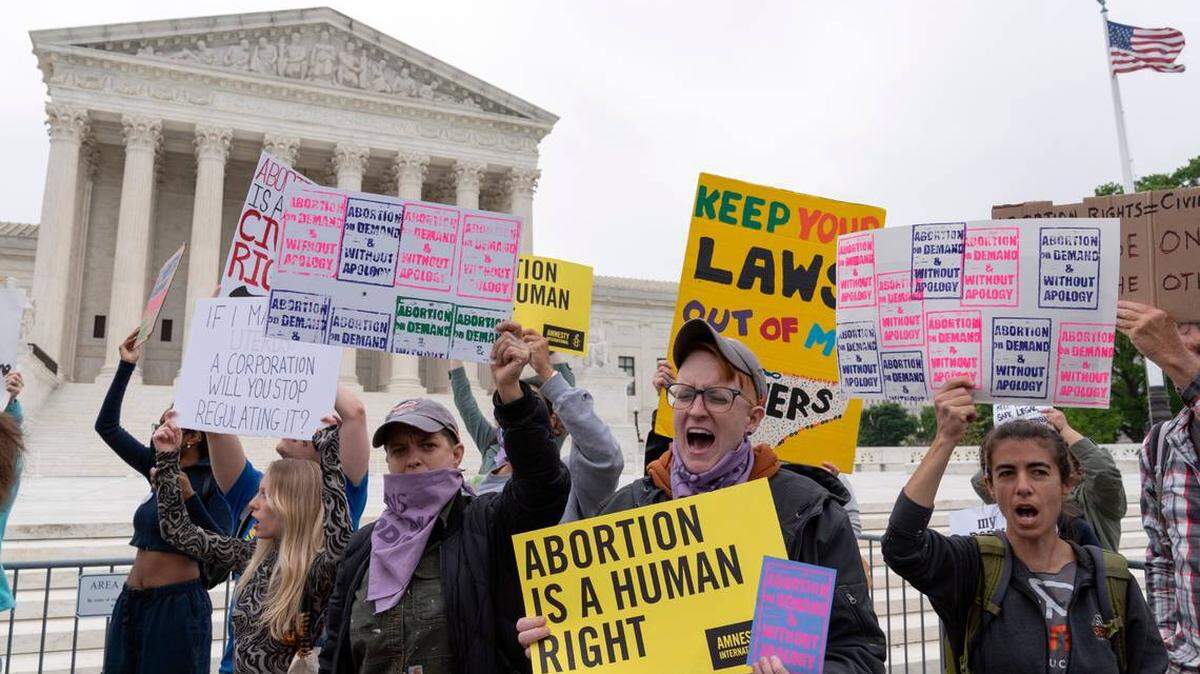
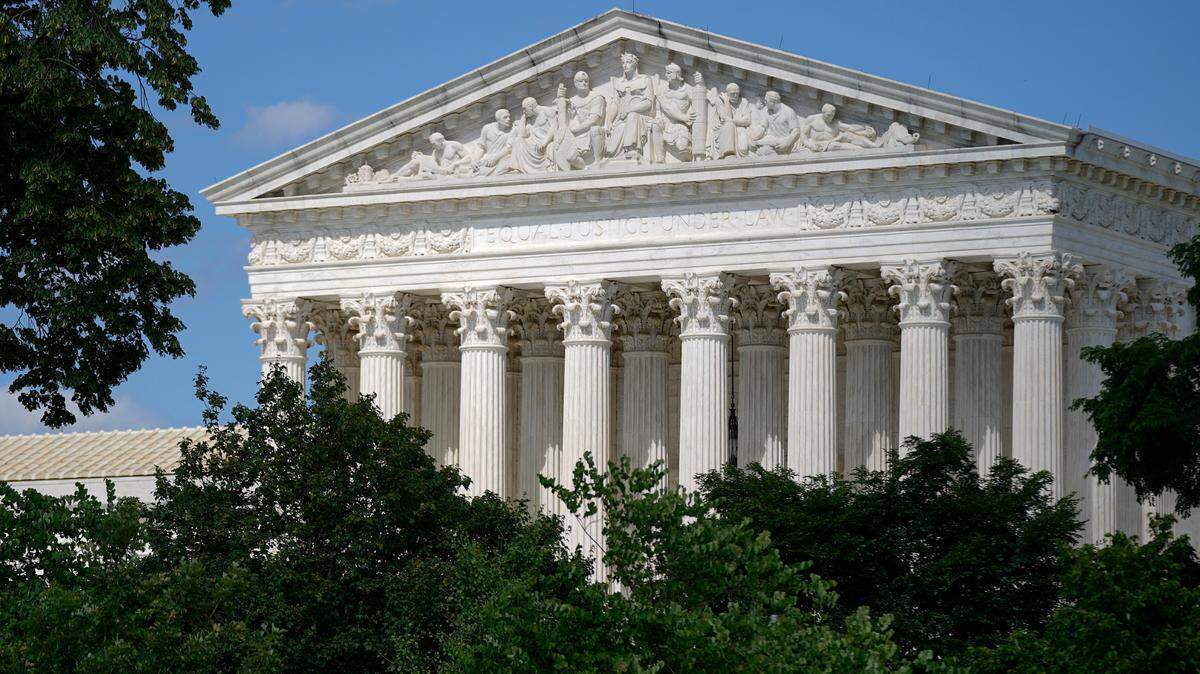
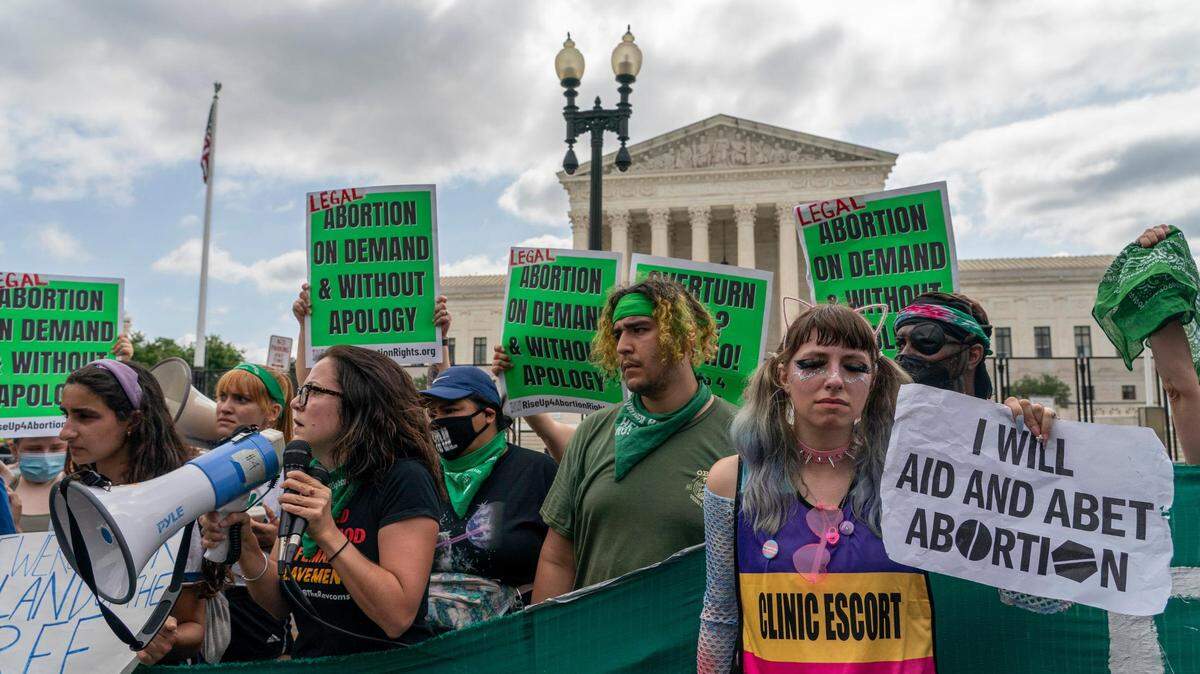
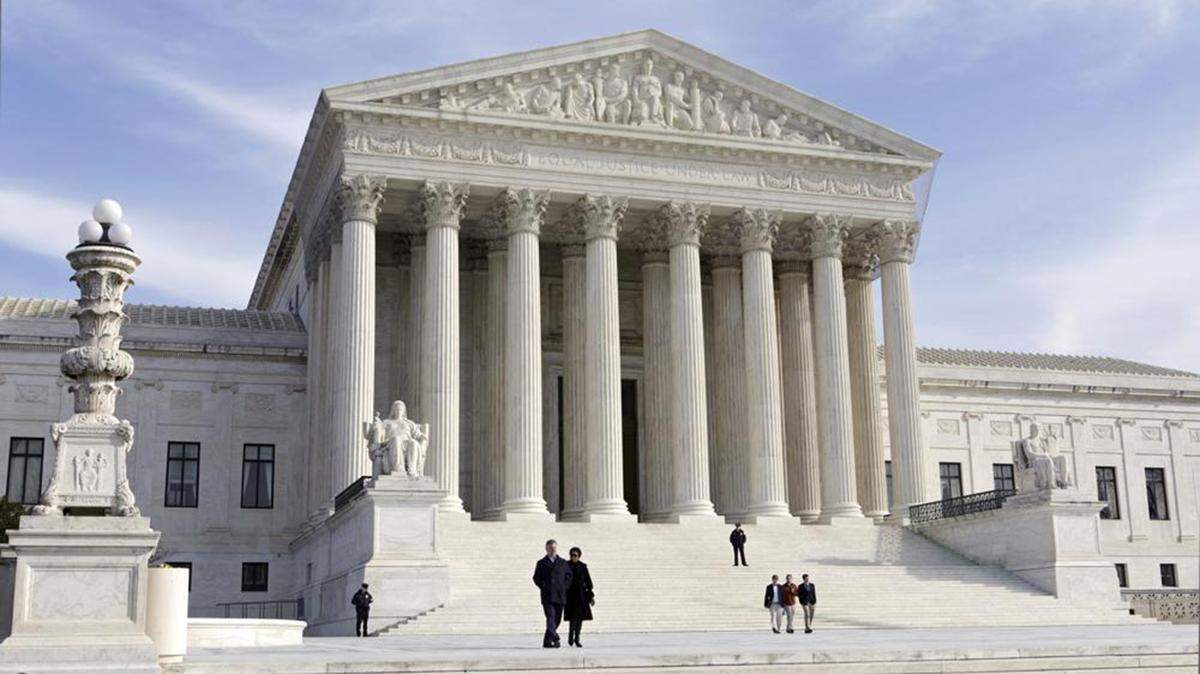
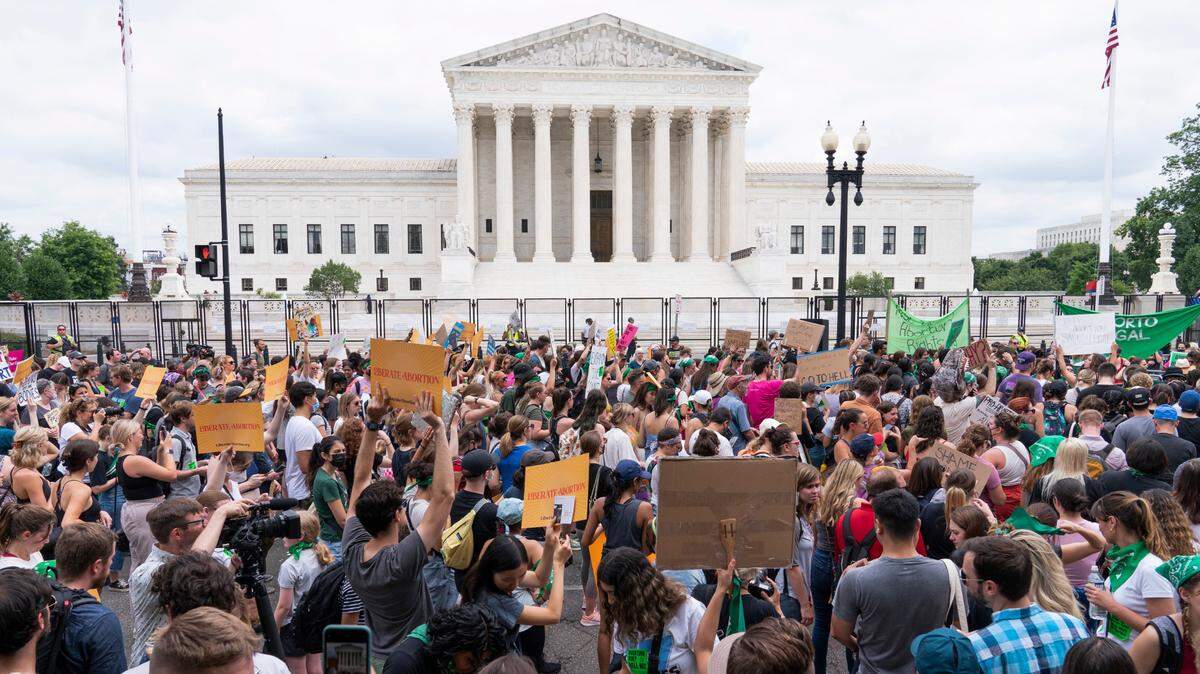
We knew it was probably coming, but the Supreme Court’s ruling Friday to overturn Roe v. Wade was nonetheless stunning and monumental.
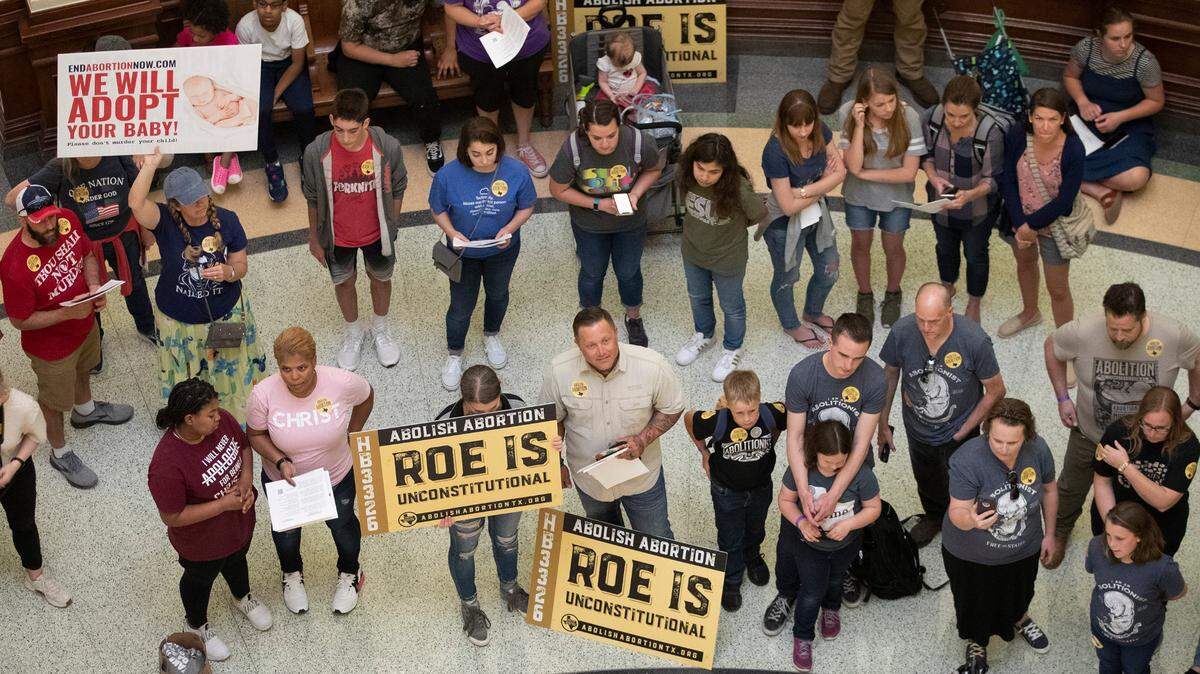
The states now control abortion policy. In Texas, there will be a push for even more laws against the procedure. But the state has gone quite far enough with its “trigger law,” a near-total ban that will take effect 30 days after the court formalizes its work.
No charging women who seek or obtain an abortion. No punishment for employers who want to cover travel for their Texas workers.
The law scheduled to kick in soon, authored by Southlake Republican Rep. Giovanni Capriglione, will be one of the most restrictive possible. It bars abortion from the moment of fertilization onward. The only exception is when a doctor exercising “reasonable medical judgment” believes that the woman is at “serious risk of substantial impairment of a major bodily function” or death.
LIMITS ON MENTAL-HEALTH EXEMPTIONS
It contains a provision that seems to target possible mental-health concerns, too. Under the law, a doctor cannot perform an abortion because he or she fears the woman “would engage in conduct that might result” in her death or substantial harm.
And it’s serious business: If the abortion is successful, anyone who performed or induced it can be convicted of a first-degree felony, punishable by up to life in prison, and a fine of at least $100,000.
There’s no exemption for rape or incest, as even many ardent abortion opponents would want. It does, at least, declare that women are not to be charged or prosecuted, though some of Capriglione’s Republican colleagues might push for that, too.
The burden upon Texas women determined to obtain an abortion — there are about 7 million of child-bearing age here — will be substantial enough. The Guttmacher Institute, an abortion-rights advocacy group, calculates that the average Texan would need to travel more than 500 miles, based on the state’s size and the likely abortion policies in neighboring states.
All of this became law in Texas without much notice in last year’s regular legislative session. Perhaps that was because of the focus on the “heartbeat bill” that effectively bars abortions after six weeks by allowing civil suits against providers. Perhaps it was because a reversal of Roe was still theoretical.
When the reality of the Supreme Court’s ruling hit, the debate might have shifted. Texas Republican leaders would certainly still ban the procedure, but perhaps they could have been swayed to include more exemptions.
Abortion opponents were winning the argument; abortion rates have been dropping for years. Confronted with the consequences of victory, might they have softened? We can’t know because the Legislature acted pre-emptively.
WHAT ABOUT TEXAS ‘HEARTBEAT’ BILL?
Still in play, too, is the heartbeat bill. Capriglione’s legislation makes clear that civil actions are still in place. With Roe gone, there may not be grounds for courts to reverse the law. So even if lawmakers resist the temptation to punish companies that help employees obtain abortions in other states, the courts could do it for them.
For a state that’s all about business and jobs, it would be a mistake.
The next battlefront in Texas will be among prosecutors. District attorneys will have to decide how aggressively to pursue abortions in their counties. Some who represent Democratic counties in Republican states are already declaring that they won’t prosecute cases at all. The candidates to be Tarrant County’s next DA, Republican Phil Sorrells and Democrat Tiffany Burks, should specify how they would prioritize abortion prosecutions.
Courts and juries will bear the burden of deciphering whether an abortion was performed within “reasonable medical judgment.” Such trials could be complicated and consume a lot of county resources.
Texas has chosen its path. The voters, of course, could say otherwise, but it’s unlikely that this issue will drive enough of them to force the Legislature to deviate.
But sensible leaders need to stand up and say: We can go no further.
BEHIND THE STORY
MOREHey, who writes these editorials?
Editorials are the positions of the Editorial Board, which serves as the Fort Worth Star-Telegram’s institutional voice. The members of the board are: Cynthia M. Allen, columnist; Steve Coffman, editor and president; Bud Kennedy, columnist; Ryan J. Rusak, opinion editor; and Nicole Russell, editorial writer and columnist. Most editorials are written by Rusak or Russell. Editorials are unsigned because they represent the board’s consensus positions, not the views of individual writers.
Read more by clicking the arrow in the upper right.
How are topics and positions chosen?
The Editorial Board meets regularly to discuss issues in the news and what points should be made in editorials. We strive to build a consensus to produce the strongest editorials possible, but when we differ, we put matters to a vote.
The board aims to be consistent with stances it has taken in the past but usually engages in a fresh discussion based on new developments and different perspectives.
We focus on local and state news, though we will also weigh in on national issues with an eye toward their impact on Texas or the Dallas-Fort Worth area.
How are these different from news articles or signed columns?
News reporters strive to keep their opinions out of what they write. They have no input on the Editorial Board’s stances. The board consults their reporting and expertise but does its own research for editorials.
Signed columns by writers such as Allen, Kennedy and Rusak contain the writer’s personal opinions.
How can I respond to an editorial, suggest a topic or ask a question?
We invite readers to write letters to be considered for publication. The preferred method is an email to letters@star-telegram.com. To suggest a topic or ask a question, please email Rusak directly at rrusak@star-telegram.com.
This story was originally published June 24, 2022 at 9:38 AM.