Here’s how Texas’ abortion trigger law works, now that Roe v. Wade has been overturned
READ MORE
What Supreme Court’s overturning of Roe v. Wade means for abortion in Texas
The US Supreme Court has ruled on 1973 Roe v. Wade abortion case. Here is how the justices’ decision affects Texas.
Expand All
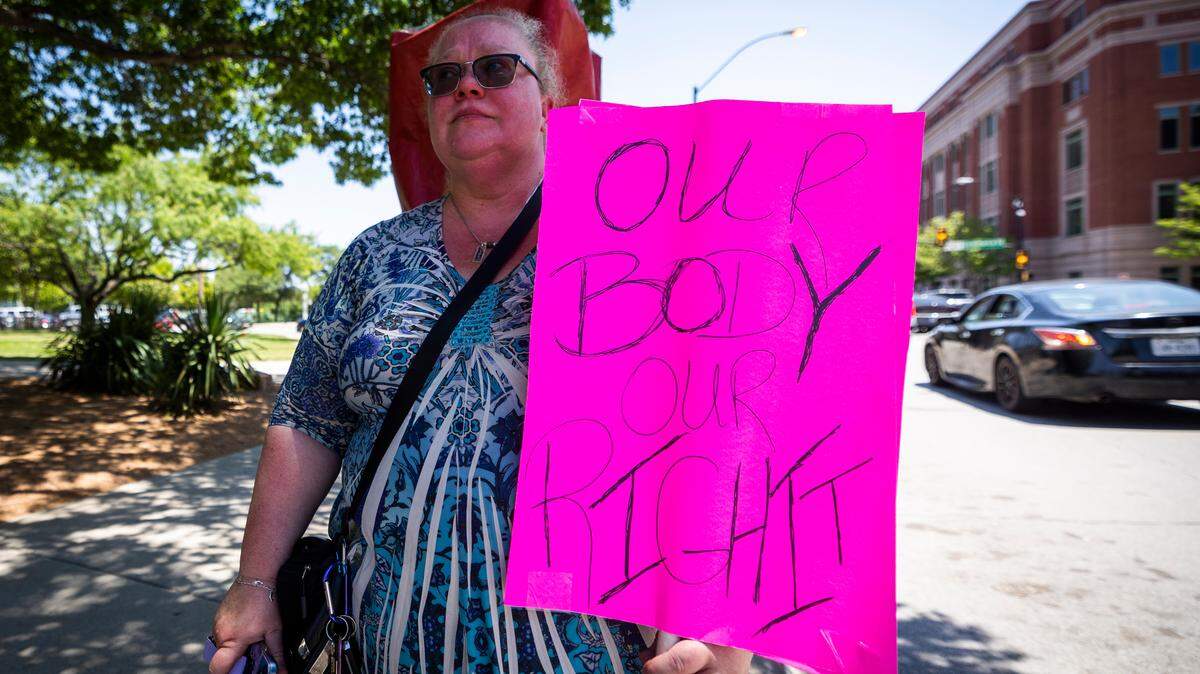
Abortion is now mostly unavailable in Texas. Here’s what we know after Roe overturned
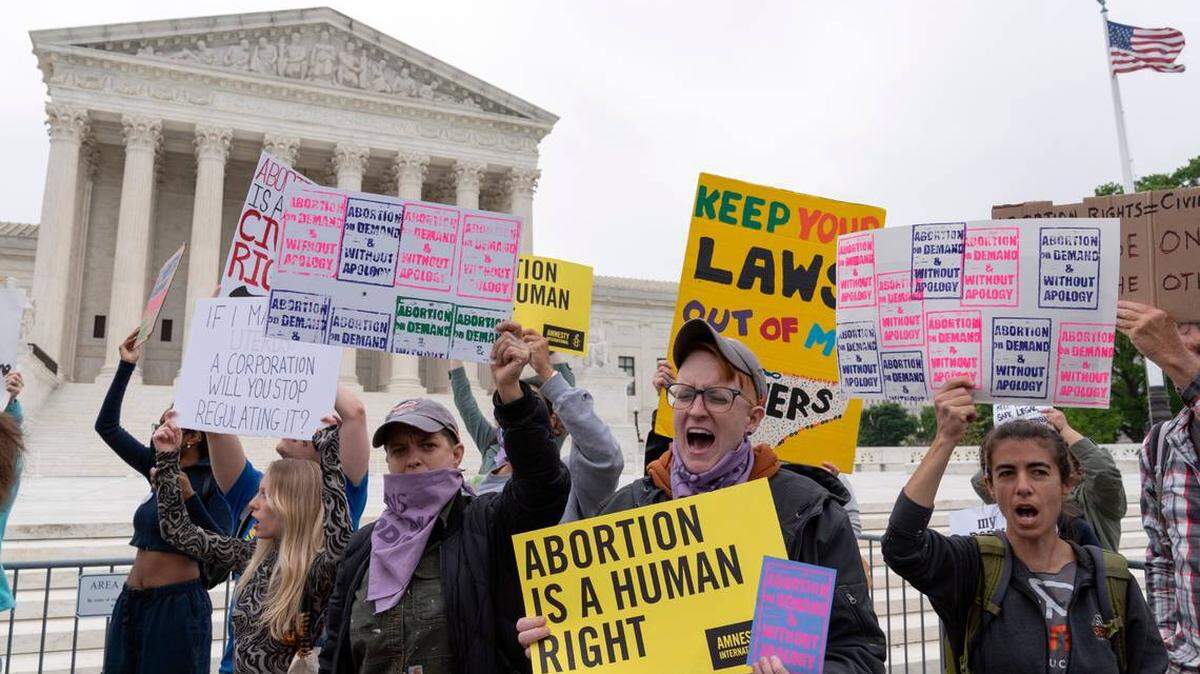
What Supreme Court’s overturning of Roe v. Wade means for abortion in Texas
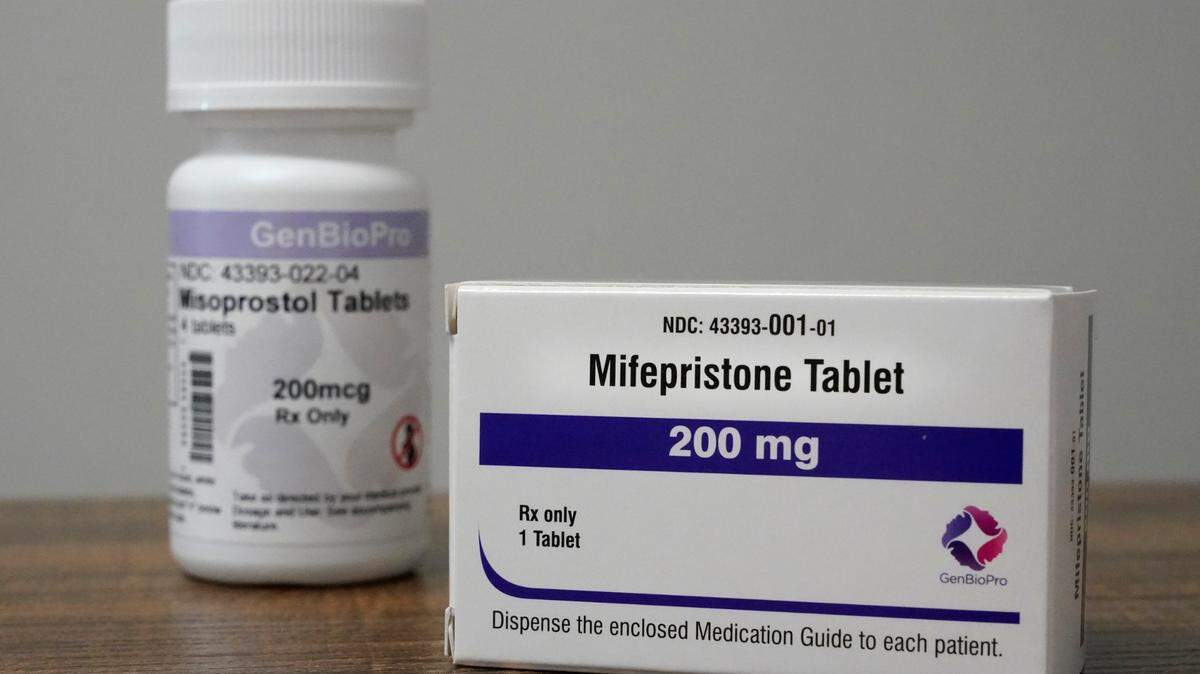
How Supreme Court’s Roe v. Wade ruling affects use of abortion pills in Texas

Here’s how Texas’ abortion trigger law works, now that Roe v. Wade has been overturned

What’s next after Roe? For Republicans, joy but also uncertainty over changing debate
Texas’ so-called “trigger” law will further restrict abortion access after Roe v. Wade was overturned.
A person who performs, induces, or attempts an abortion could face up to 20 years in prison if the abortion is unsuccessful and up to life if it is successful. A person who performs an abortion could face a fine of at least $100,000 for each violation.
The law goes into effect 30 days after a judgment is issued in the case, according to Texas Attorney General Ken Paxton. A judgment is distinct from the court’s opinion and comes after the window to file a rehearing motion has closed, Paxton said.
Paxton said it’s clear the law will take effect but it’s unclear exactly when. An announcement on the effective date is forthcoming, he said.
The law states that criminal and civil penalties should not be construed as applying to a “pregnant female on whom an abortion is performed, induced, or attempted.” Bill author Giovanni Capriglione, a Southlake Republican, previously told the Star-Telegram penalties would not apply to a woman whose abortion was self-induced.
The law includes an exception for abortions performed on a patient in a “life-threatening physical condition” or if the pregnancy puts a patient at “poses a serious risk of substantial impairment of a major bodily function.”
Texas is one of 13 states with “trigger” laws, according to the Guttmacher Institute, a research and policy group that supports advancing reproductive rights.
The “trigger” law is distinct from Senate Bill 8, which was also passed by the state legislature last year. The law, which has been subject to court challenges, prohibits abortions after cardiac activity is detected and is enforced through civil litigation. Those being sued could face damages of at least $10,000.
This story was originally published June 24, 2022 at 9:29 AM.