What Supreme Court’s overturning of Roe v. Wade means for abortion in Texas
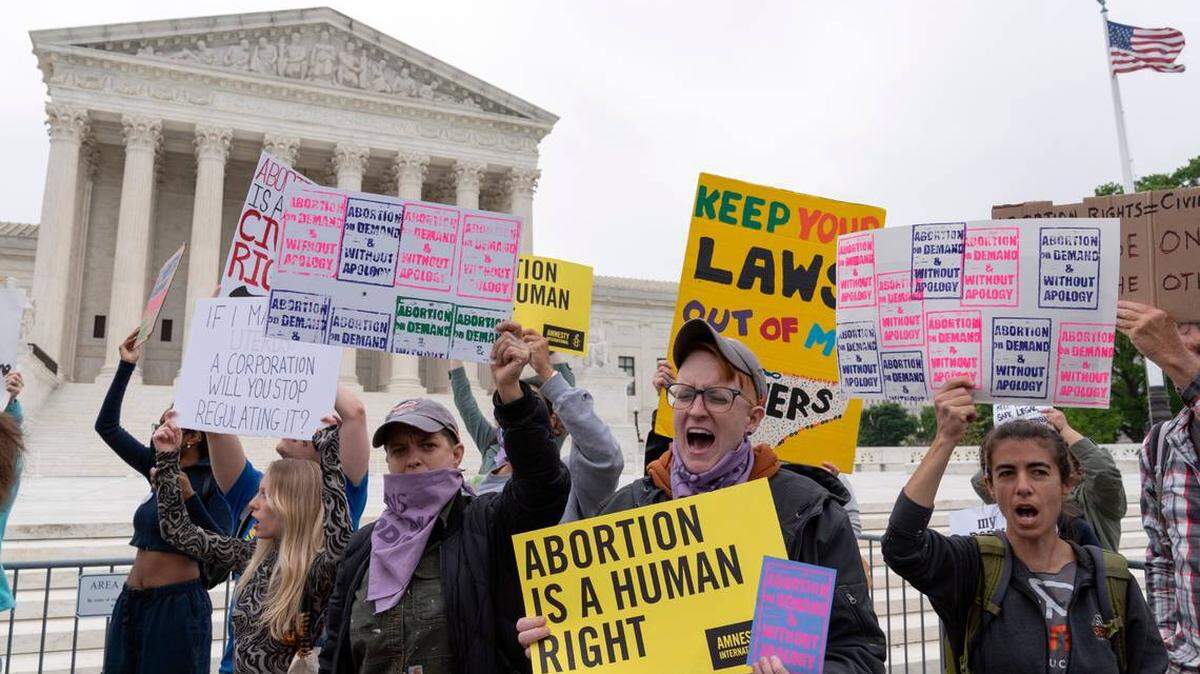
READ MORE
What Supreme Court’s overturning of Roe v. Wade means for abortion in Texas
The US Supreme Court has ruled on 1973 Roe v. Wade abortion case. Here is how the justices’ decision affects Texas.
Expand All
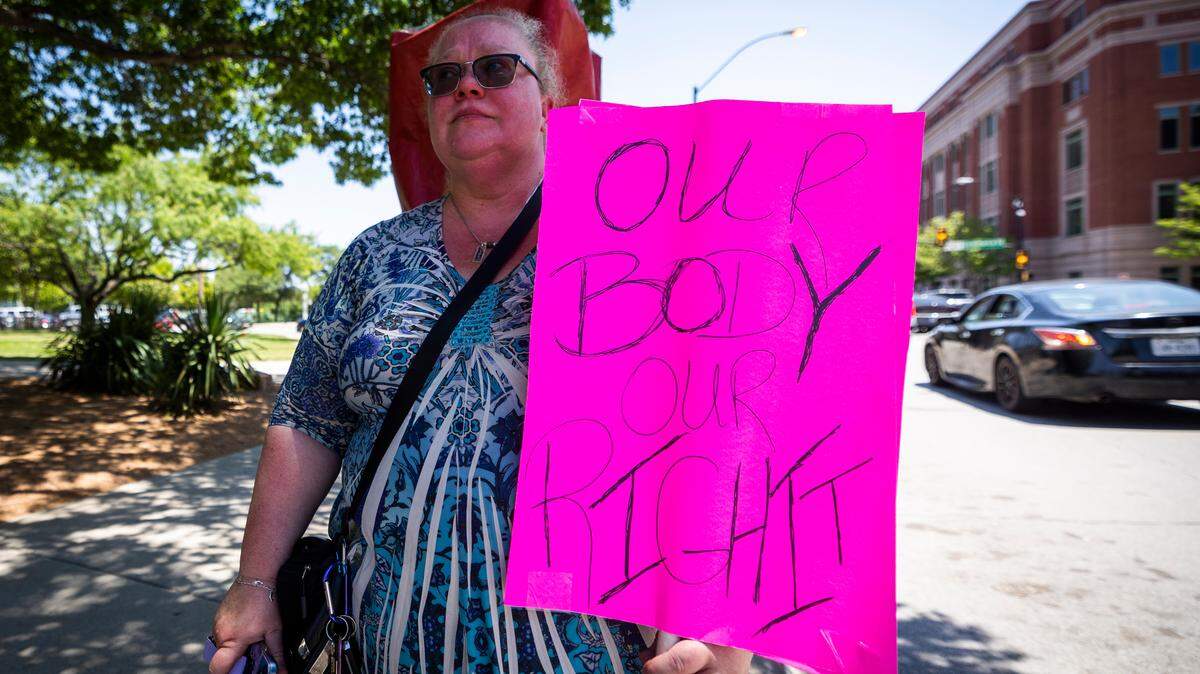
Abortion is now mostly unavailable in Texas. Here’s what we know after Roe overturned
What Supreme Court’s overturning of Roe v. Wade means for abortion in Texas
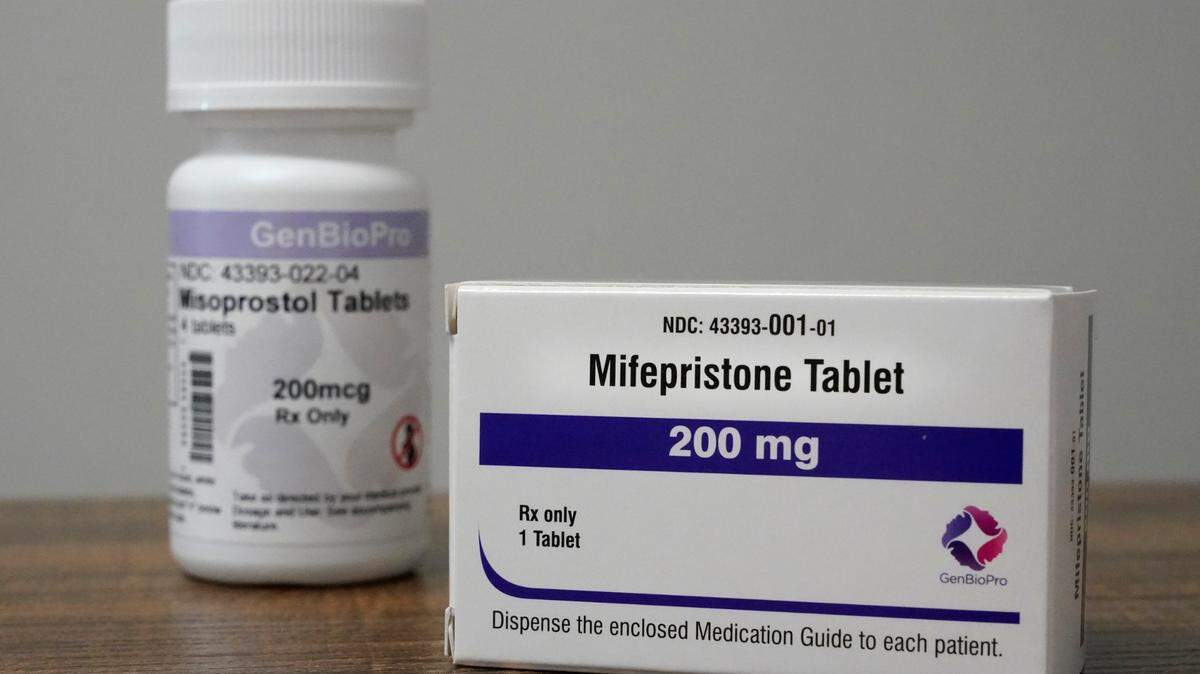
How Supreme Court’s Roe v. Wade ruling affects use of abortion pills in Texas
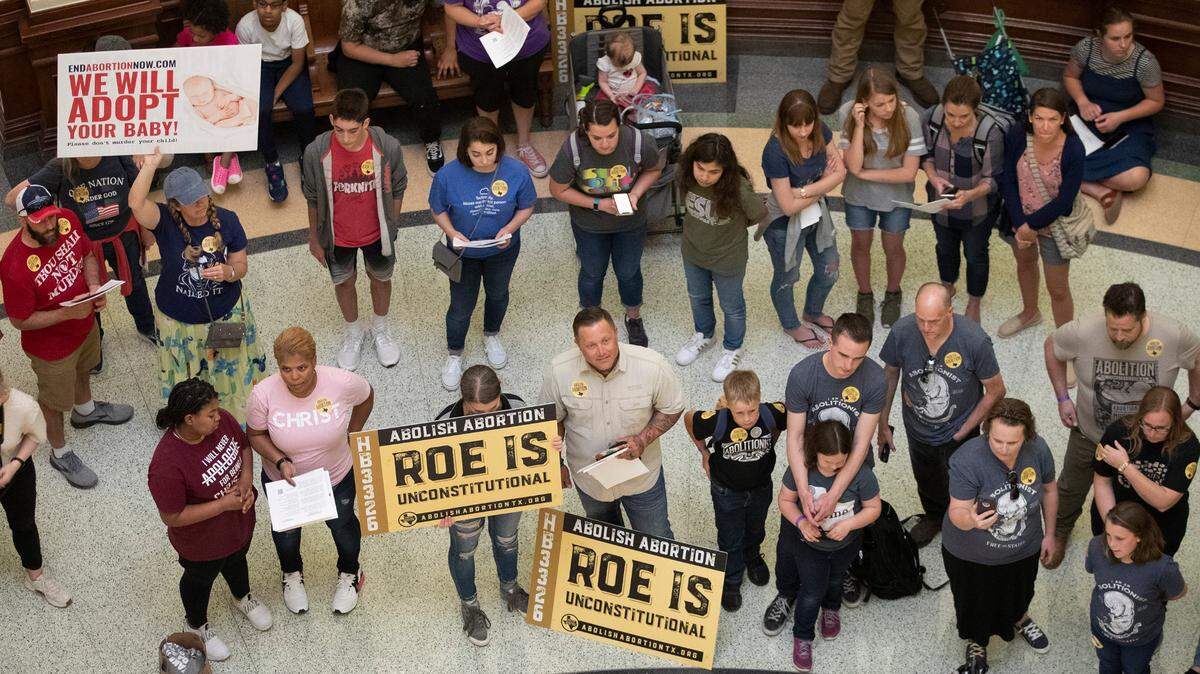
Here’s how Texas’ abortion trigger law works, now that Roe v. Wade has been overturned

What’s next after Roe? For Republicans, joy but also uncertainty over changing debate
With the overturning of Roe v. Wade, Texas is set to further limit access to abortions in a state that already has one of the most restrictive abortion laws.
Here’s what to know about what the ruling means for Texas.
Texas has a ‘trigger’ law, other abortion laws in place
Last year, the Texas Legislature passed a bill outlawing most abortions in Texas if Roe v. Wade is “wholly or partly” overturned. A person who performs, induces or attempts an abortion could receive up to 20 years in prison if the abortion unsuccessful and up to life if it is successful.
The law, which was authored by Southlake Republican Giovanni Capriglione, also includes a potential fine of at least $100,000 for each violation for the person performing the abortion. It does not penalize the patient.
There is an exception for abortions performed on a patient in a “life-threatening physical condition” or if the pregnancy “poses a serious risk of substantial impairment of a major bodily function.”
The law, often referred to as a ‘trigger’ law, takes effect 30 days after the judgment, Texas Attorney Ken Paxton said in a Friday advisory. The judgment is distinct from the opinion, as it’s issued after the window to file motions for a rehearing has closed — a process that could take about a month or more, the advisory reads.
Paxton said some prosecutors may choose to immediately pursue criminal prosecutions based on violation of the pre-Roe law, which he said is still on the books because it was never repealed by the Texas legislature. The law stipulates that except in cases where the mother’s life is trying to be saved, a person who administers an abortion could face two to five years in prison. The penalty doubles if done without the patient’s consent.
“Under these pre-Roe statutes, abortion providers could be criminally liable for providing abortions starting today,” Paxton said.
But Elizabeth Sepper, a law professor at UT-Austin, cautioned it’s not entirely clear what happens with the pre-Roe ban. “Probably the best argument is that the law is not valid” following a 2004 5th Circuit ruling that Texas’ pre-Roe statute had been repealed by implication, Sepper said.
Texas’ 6-week abortion ban
Abortion access is restricted in the state by Senate Bill 8, which went into effect in September. The law bans abortions after fetal cardiac activity can be detected, effectively prohibiting abortions after about six weeks of pregnancy, often before a pregnancy is known.
Senate Bill 8 is enforced by allowing people to bring civil action against a person who performs or aids in the performance of an abortion. The law does not include exceptions for rape and incest.
Texas has seen a decrease in the number of abortions performed since the implementation of Senate Bill 8. Researchers at UT-Austin found that the number of legal abortions decreased by half in the first 30 days after the bill went into effect.
Is abortion still legal in Oklahoma, Louisiana, Arkansas or New Mexico?
Abortion is illegal in Oklahoma, according to Planned Parenthood Action Fund. There are exceptions to save the mother’s life or if the pregnancy is a result of rape or incest that was reported to law enforcement.
In Louisiana and Arkansas abortion is generally banned around 20 weeks, but both states will likely eliminate access after the overturning of Roe, according to Planned Parenthood Action Fund.
Abortion is accessible in New Mexico and is likely to continue, according to Planned Parenthood Action Fund.
How will abortion pills be affected?
Doctors expect more people seeking abortions to use medication abortions — drugs that can be taken to induce an abortion in a pregnant person.
Using the pills are legal in Texas within the scope of what Senate Bill 8 allows. Most experts believe the pill will still be available even if abortion is illegal in Texas because there is a network of established, online pharmacies and nonprofits that mail abortion pills directly to homes.
This story was originally published June 24, 2022 at 9:17 AM.