Abortion is now mostly unavailable in Texas. Here’s what we know after Roe overturned
READ MORE
Supreme Court overturns Roe v. Wade
Expand All
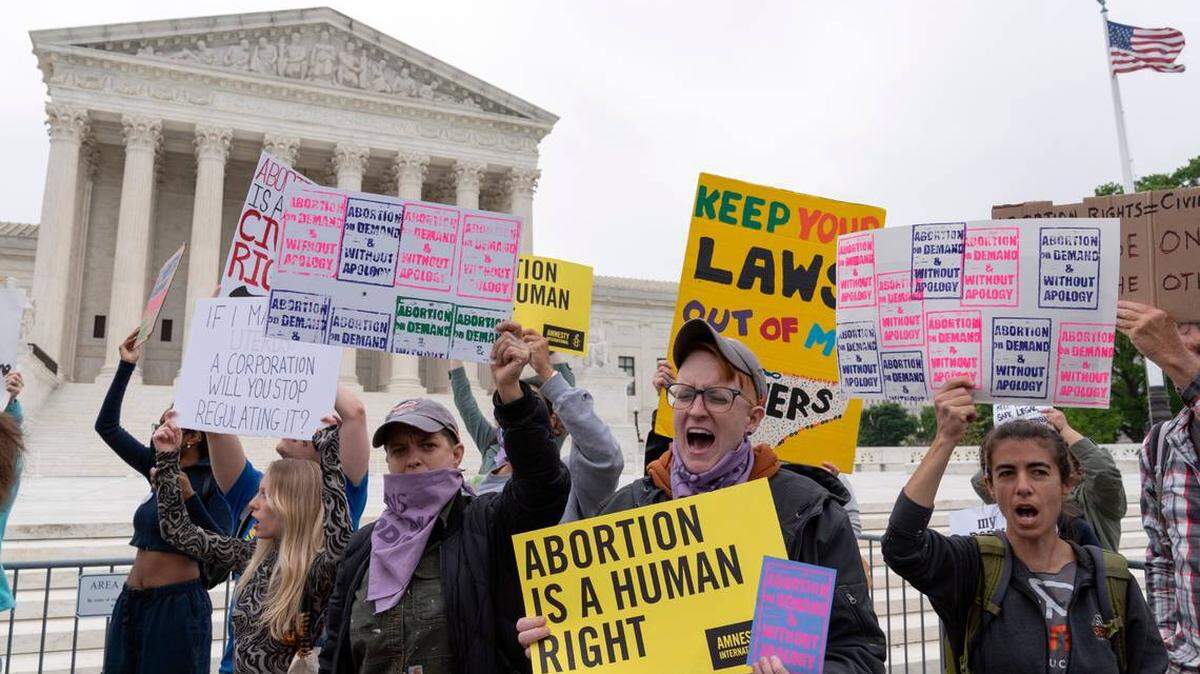
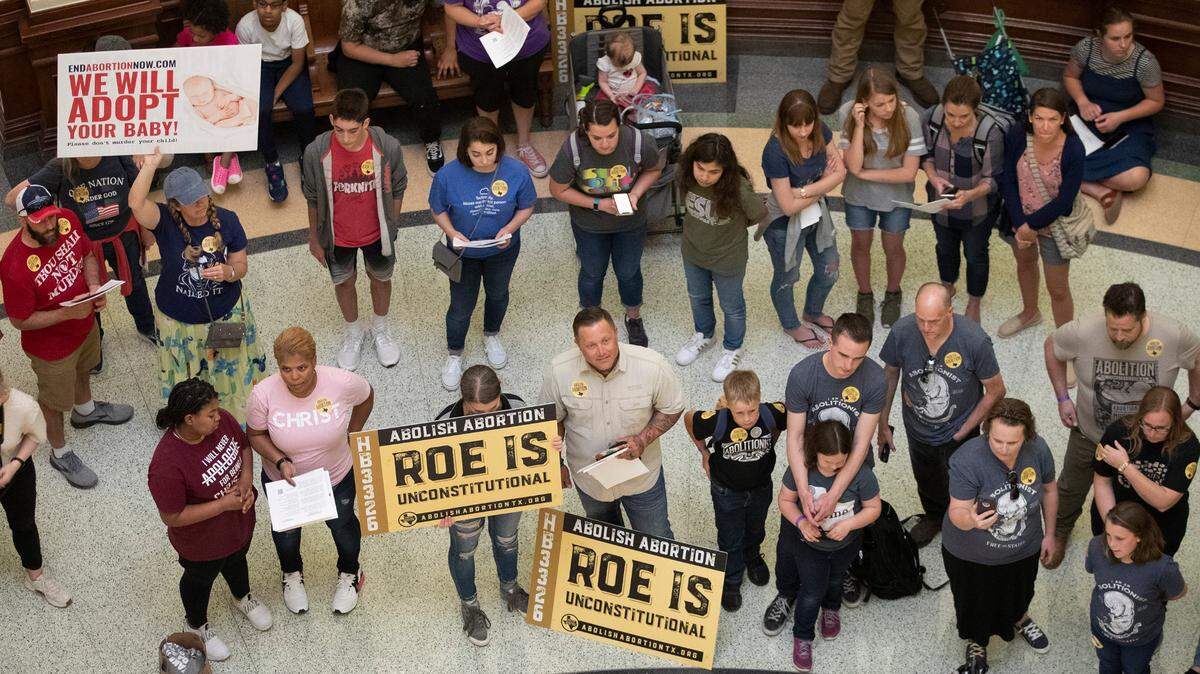
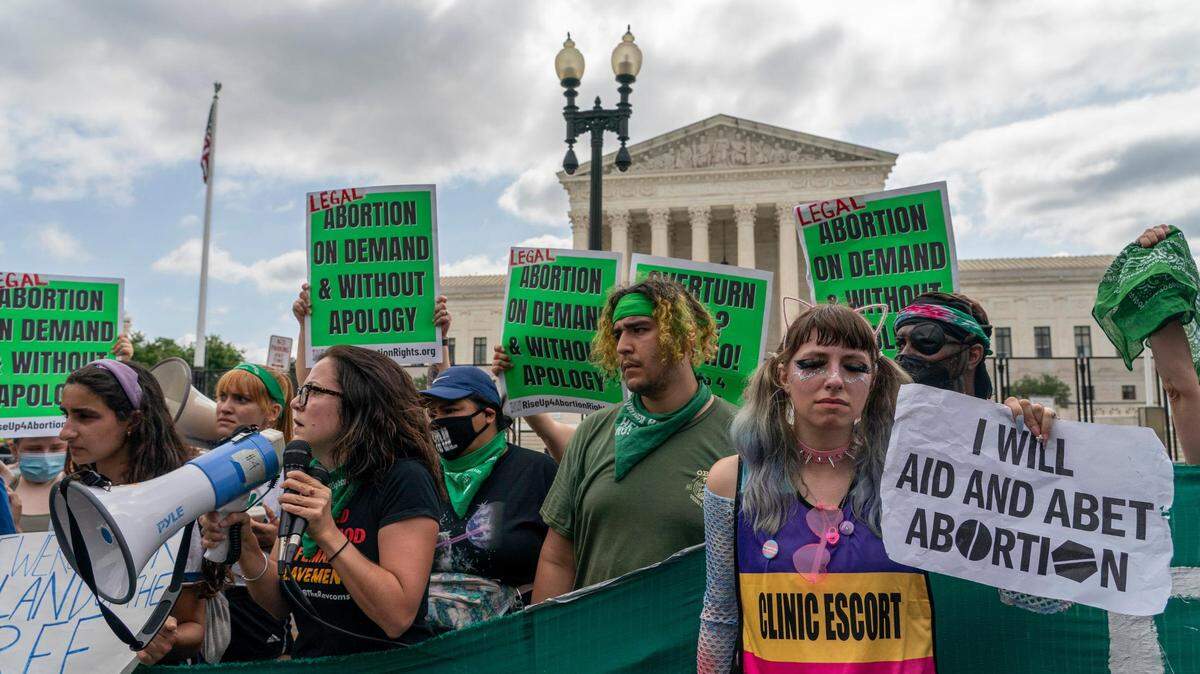
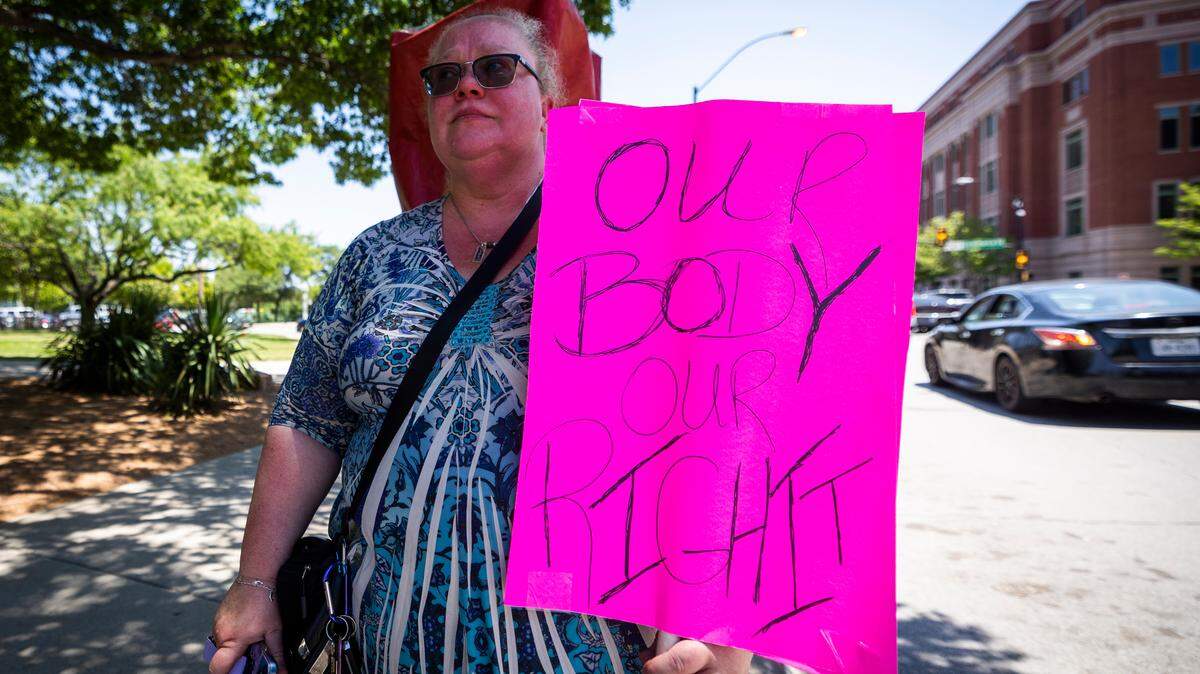
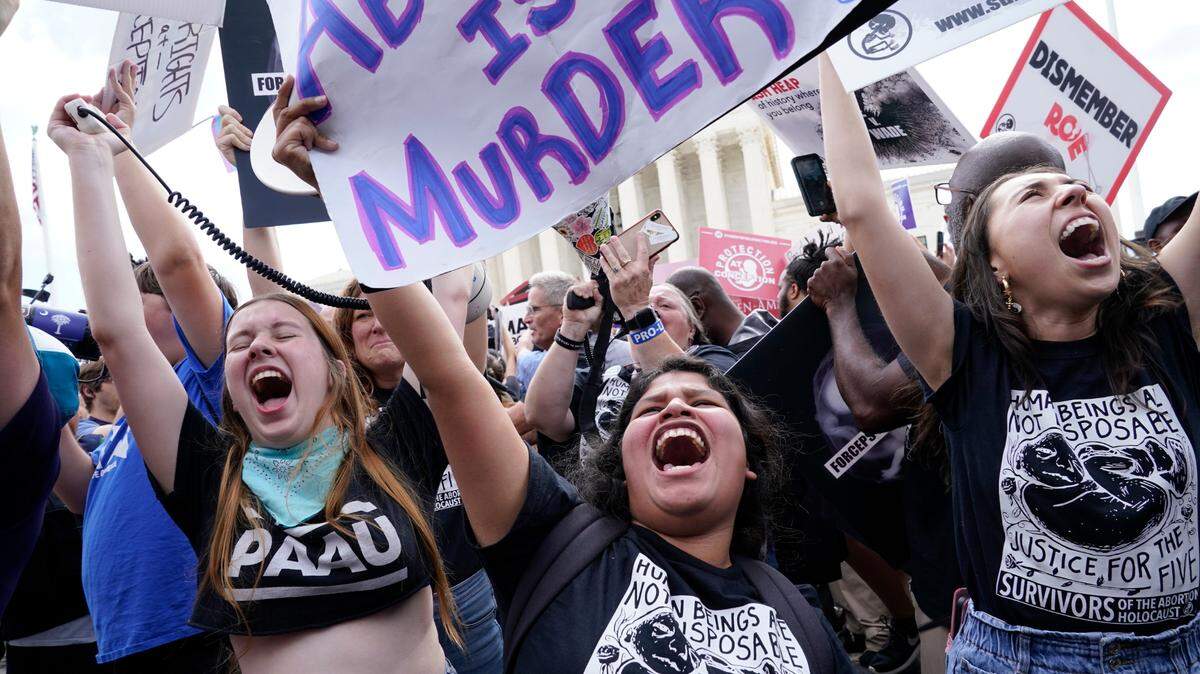
The Supreme Court on Friday overturned the legal precedent established in Roe v. Wade, meaning that individual states are now free to regulate or restrict access to abortion. In Texas, almost all abortions will be illegal, either immediately or in the coming months. The Star-Telegram has answered some of the most pressing questions about abortion in Texas and the U.S.
Is abortion legal in Texas for the next 30 days?
It’s unclear.
That’s a complicated question, because there are multiple laws on the books regulating abortion access.
First is the decades-old law Texas had before Roe v. Wade was decided in 1973. Because that abortion ban is still technically on the books, it’s possible that Texas leaders could argue that abortion is now immediately illegal in the state.
“Experts disagree as to whether [pre-Roe bans] would come back into effect” now that Roe has been overturned, said Laura Dixon, spokesperson for the Texas Policy Evaluation Project.
Texas Attorney General Ken Paxton issued an advisory Friday, saying “some prosecutors may choose to immediately pursue criminal prosecutions” against people who violate Texas’ pre-Roe abortion law.
But legal expert Elizabeth Sepper said it’s less clear that prosecutors could bring criminal charges under the old law.
“Probably the best argument is that the law is not valid” following a 2004 5th Circuit ruling that determined Texas’ pre-Roe statue had been repealed by implication, said Sepper, a law professor at the University of Texas at Austin.
Jeffery Hons, the president and CEO of Planned Parenthood South Texas, said the organization’s lawyers were reviewing the pre-Roe ban to determine its effect. In the meantime, all Planned Parenthood abortion clinics in the state stopped providing abortions.
“This is a law that is 50 years old,” Hons said on a press call Friday. “So part of why we are pausing today is so we can get a clearer answer.”
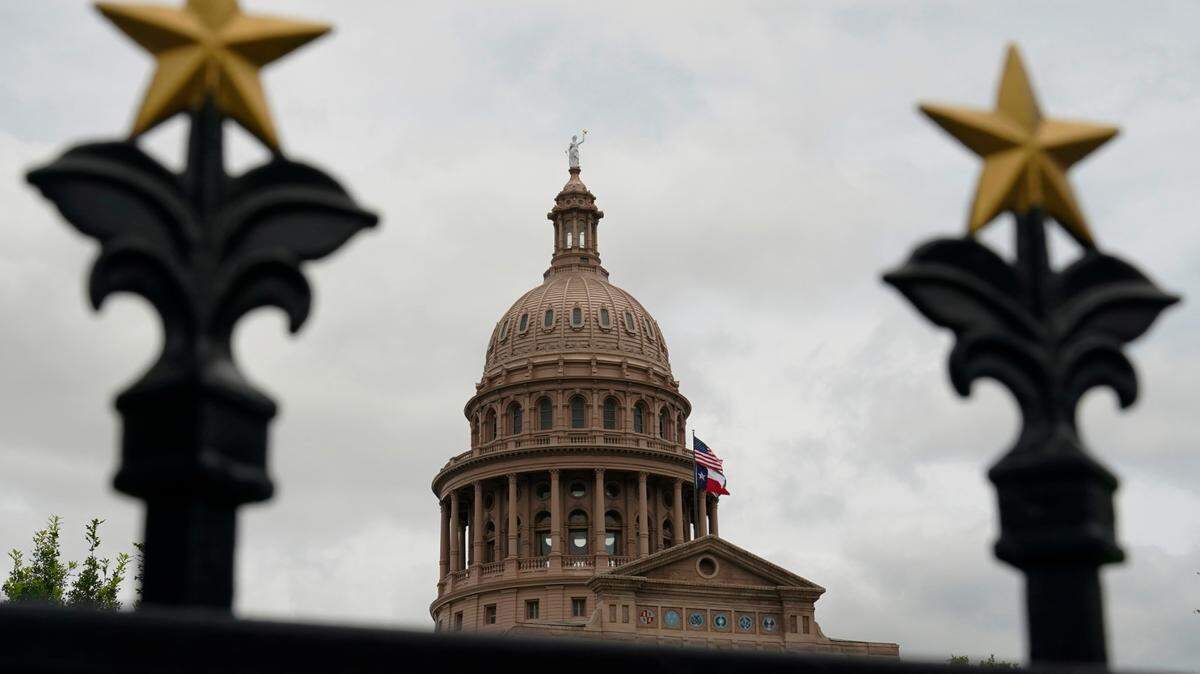
In addition to the decades-old law, Texas also has a so-called “trigger law” that outlaws abortion if the Supreme Court overturned Roe v. Wade “wholly or partly.” The law was written so it would take effect 30 days after the Supreme Court’s judgment.
Paxton said Friday that the Supreme Court must issue a judgment, separate from the opinion it released Friday, for Texas’ trigger law to take effect. That judgment could come a month or longer after Friday’s opinion. Paxton said the trigger law will take effect, but the exact effective date is unknown.
Once the trigger law does go into effect, likely later this summer, almost all abortions in the state will be illegal.
What does this mean for abortion providers in Tarrant County?
Two clinics are licensed to provide abortions in Tarrant County; both will not be providing abortions while their legal teams review the laws.
One, Whole Women’s Health, told the Texas Tribune it stopped providing abortions at its clinic in Fort Worth, as well as its three other clinics in Texas.
The second clinic, operated by Planned Parenthood of Greater Texas, said other services, like birth control and sexually transmitted infection testing and treatment, are still available.
“We have no plans to close any health centers,” said Dr. Amna Dermish, the chief operating and medical services officer of Planned Parenthood of Greater Texas.
Some abortions do happen in hospitals, but those are rarer and are usually handled on a case-by-case basis in emergency situations. Each Fort Worth hospital will likely determine its own policy for when it can offer an abortion to a pregnant patient.
Once the new abortion law goes into effect, will there be exceptions for rape or incest?
No. Texas’ trigger law has no exceptions for pregnancies that result from either rape or incest.
Once the law is in effect, almost all abortions in Texas will be illegal. The law does include an exception for when a pregnant woman’s life is in danger, but physicians and lawyers have said the language is vague and could be interpreted differently by different doctors and hospitals.
Will people still get abortions in Texas when it becomes illegal?
Most likely. Historically, people have continued getting abortions even when access has been made more difficult or outlawed completely. But even though abortion won’t completely go away, it will be harder for people who want them to access them, and much harder for women who are low-income.
Last year, when Texas enacted a six-week abortion ban, the number of abortions in the state dropped dramatically. In September 2020, there were 4,511 abortions in Texas clinics, according to state data. A year later, there were 2,164 abortions in state clinics.
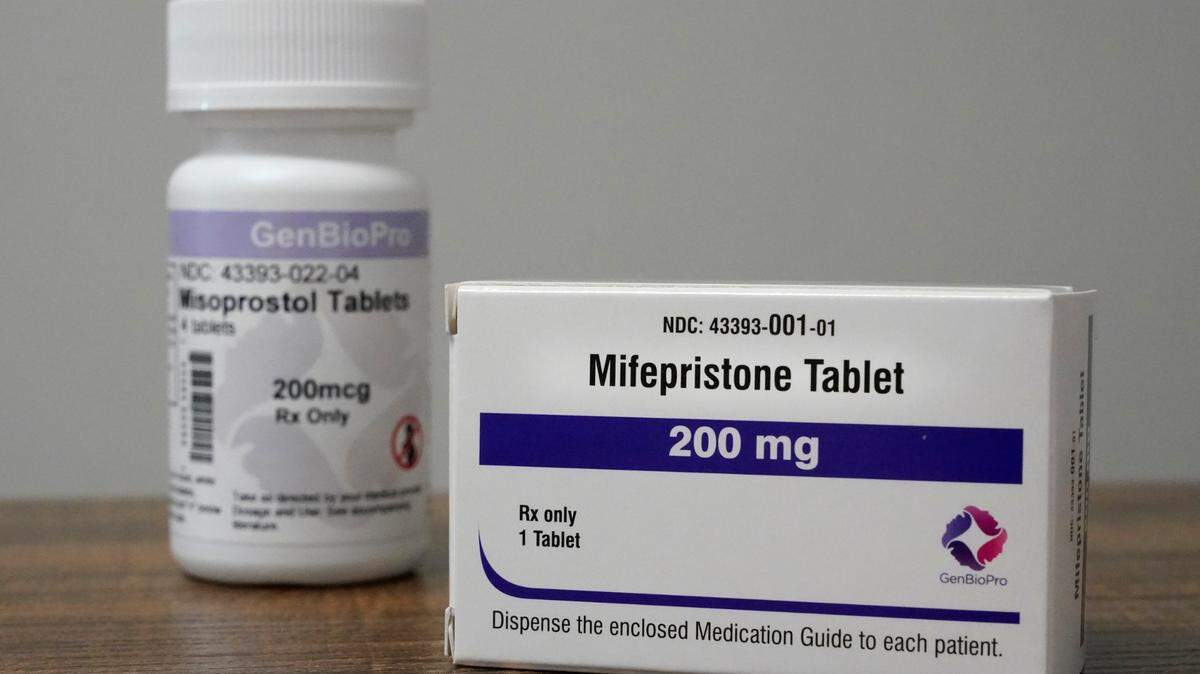
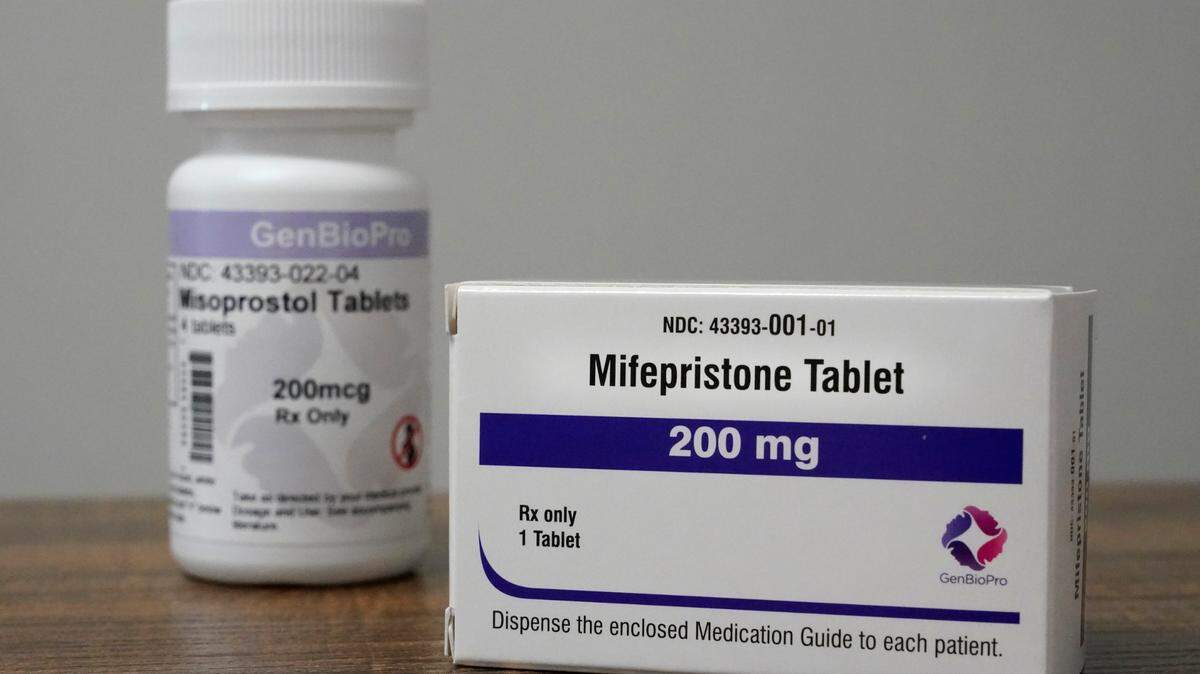
But research found that many pregnant people turned to other sources. One study looked at requests to Aid Access, an international nonprofit that mails abortion pills directly to individuals. The study found that in the four months after Texas’ new law went into effect, requests to Aid Access from Texas nearly tripled.
In addition to seek abortion pills online, some pregnant people are likely to travel outside of Texas to seek abortions.
Can pregnant women be prosecuted for getting an abortion?
Under the trigger law, a pregnant woman who gets an abortion or induces an abortion won’t be prosecuted, said the law’s author, state Rep. Giovanni Capriglione, a Southlake Republican.
But prosecutors in Texas have also brought criminal charges against pregnant people who have miscarried or gotten an abortion using other laws, such as child endangerment and distribution of drugs to a minor.
How many abortions happen every year in Texas?
In 2020, 55,175 Texas residents received legal abortions, according to state data. That number doesn’t include women who had illegal abortions, and probably includes only some of the people who traveled outside of the state for their abortion. That translates to a rate of about 9.5 abortions per 1,000 women of reproductive age. Of those, 4,943 were Tarrant County residents.
Nationwide, the number of abortions has steadily decreased since it peaked in 1980s. But there was a slight increase in abortions between 2017 and 2020, according to the Guttmacher Institute. In 2020, the nationwide abortion rate was 14.4 per 1,000 women aged 15-44, up from 13.5 in 2017.
When do most people get abortions?
The vast majority of abortions — about 9 in 10 — occur during the first trimester of pregnancy, according to national data.
In Texas, 90.1% of all Texas residents who had abortions in 2020 did so in the first trimester of pregnancy, according to state data.
Who gets abortions?
In 2020, 61% of Texans who got an abortion had already had one or more live births, according to the state’s data.
A majority of women who get abortions are low-income, according to Guttmacher, which produces the most comprehensive survey on the demographics of people who get abortions. In 2014, the most recent year that income data is available, 75% of women who had abortions in the U.S. were low income ($31,302 or less for a family of two in 2014).
In Texas, 73% of people who received an abortion in 2020 were women of color, according to the state’s demographic data.
This story was originally published June 24, 2022 at 10:10 AM.