With Roe abortion access overturned, Texas activists celebrate and others mourn
READ MORE
What Supreme Court’s overturning of Roe v. Wade means for abortion in Texas
The US Supreme Court has ruled on 1973 Roe v. Wade abortion case. Here is how the justices’ decision affects Texas.
Expand All
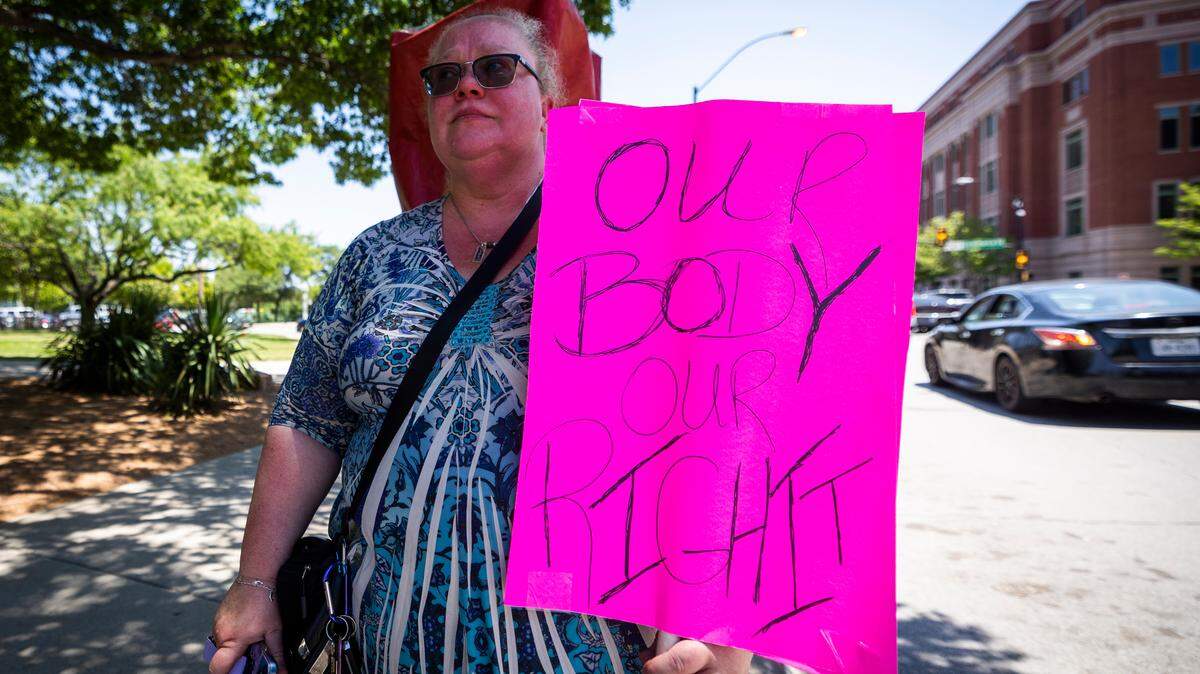
Abortion is now mostly unavailable in Texas. Here’s what we know after Roe overturned
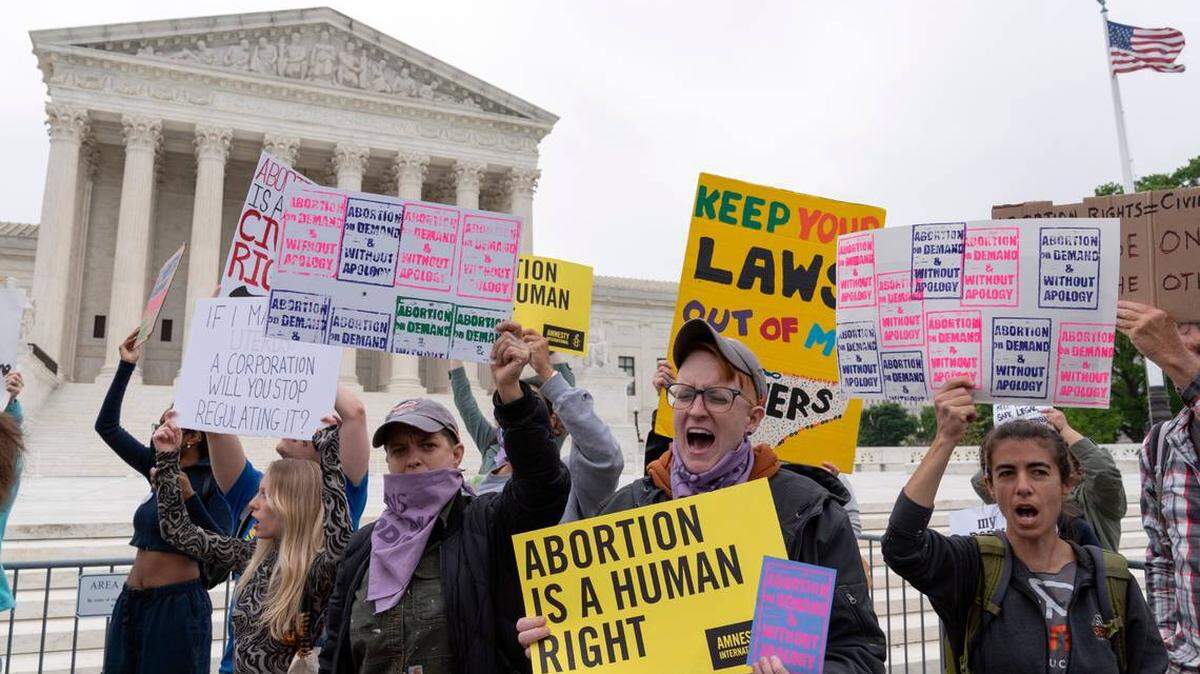
What Supreme Court’s overturning of Roe v. Wade means for abortion in Texas
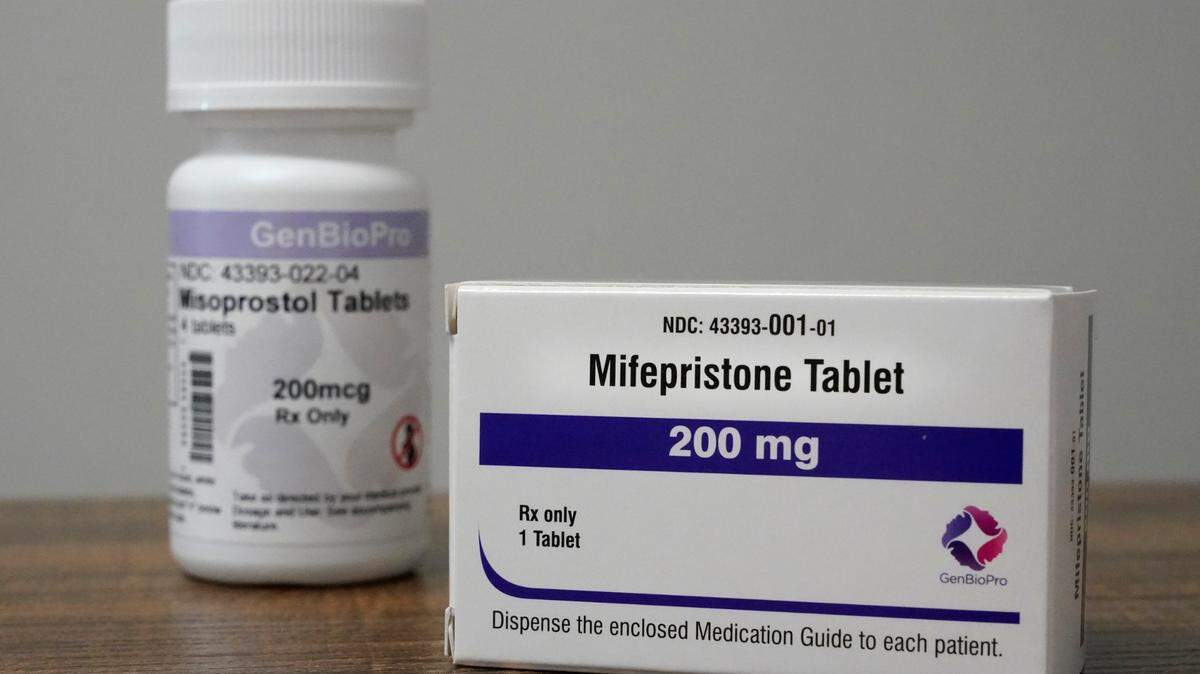
How Supreme Court’s Roe v. Wade ruling affects use of abortion pills in Texas
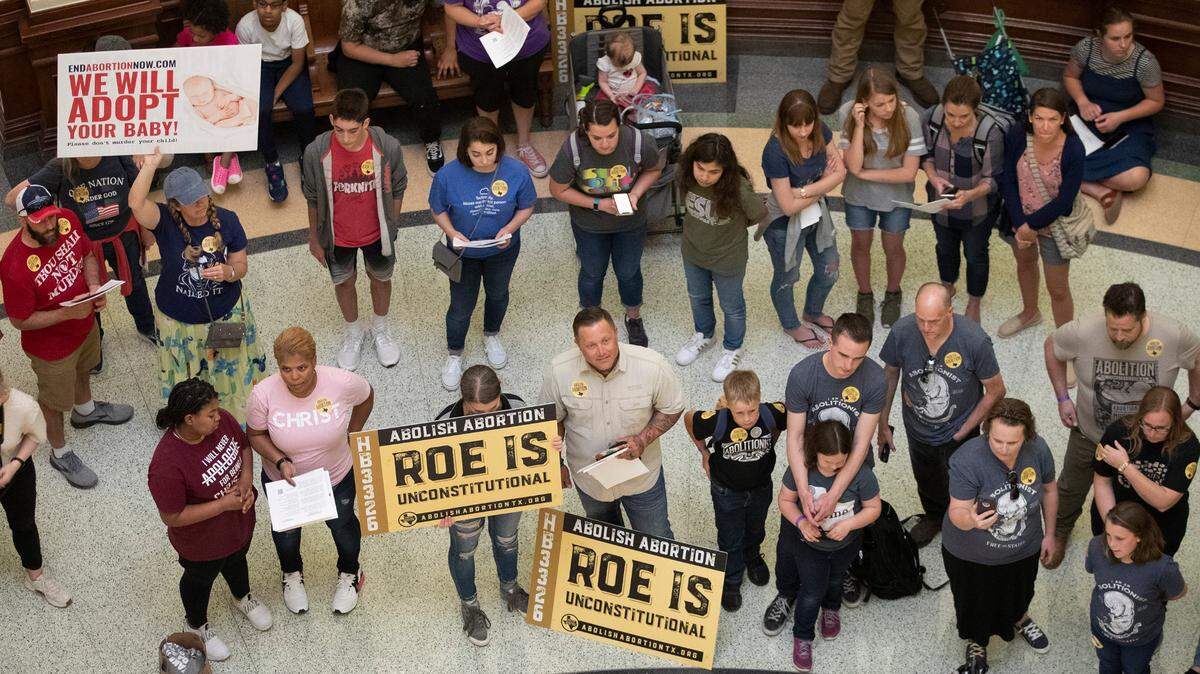
Here’s how Texas’ abortion trigger law works, now that Roe v. Wade has been overturned
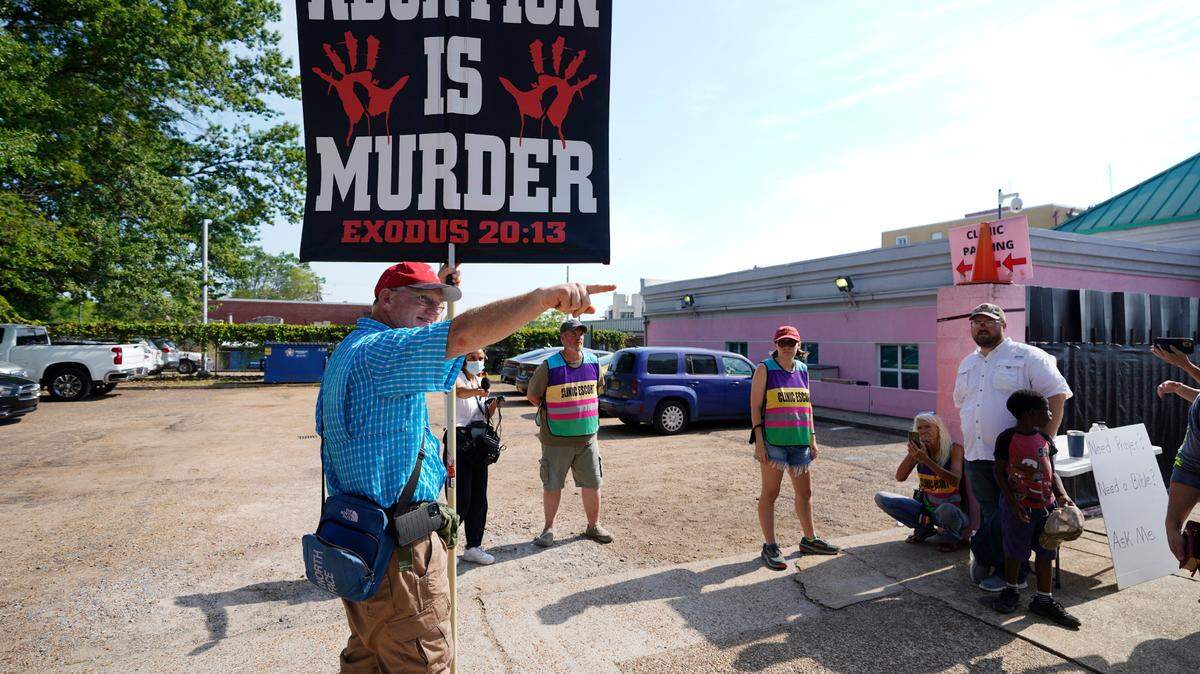
What’s next after Roe? For Republicans, joy but also uncertainty over changing debate
It was a day Bradley Pierce had prayed for.
On Friday morning, the U.S. Supreme Court overturned Roe v. Wade — officially repealing the federal right to abortion and handing control to individual states.
Pierce, the president of Abolish Abortion Texas, was joyous when he heard the news. Pierce’s group had submitted a brief in the Supreme Court case — Dobbs v. Jackson Women’s Health Organization — something Pierce said he was “privileged” to do.
Now, Pierce said, he will be asking God to forgive the country for the past 49 years of abortion access.
While Pierce and other anti-abortion advocates celebrated, abortion rights activists denounced the Supreme Court decision — and reeled with shock and pain.
Maleeha Aziz, who works with the Dallas-based Texas Equal Access Fund, told the Star-Telegram on Friday afternoon that she’d been swinging between anger and sadness since the opinion was released.
“I’ve had to say it out loud so many times just to force myself to process and comes to term with, ‘This is it. It’s done,’” Aziz said.
Aziz said she had been expecting federal abortion access to be overturned. But at the same time, as a mother who has also undergone an abortion, she still felt stunned at the realization her young daughter might face a world with fewer freedoms.
“My daughter would have less rights than I do under these laws,” Aziz said. “It’s supposed to be the other way around.”
Kamyon Conner, the executive director of the Dallas-based Texas Equal Access Fund, wrote in a statement that the court “has destroyed the last shreds of our national right to abortion, without concern for our dignity and basic human rights.” Conner accused the court of “bowing down to the whims of white supremacists and extremists.”
Texas’ trigger law
Texas is one of 13 states with a “trigger law” that will ban abortion.
The legal procedure in Texas is murky — before Roe became federal precedent, Texas had an abortion ban in place. That law, while invalidated by the federal precedent, was never actually removed from the books. But in 2021, as legislators prepared for the potential overturning of federal abortion access, Texas also passed a trigger law. That law, which would ban abortions in nearly all cases, would take effect 30 days after the Supreme Court issues its judgment in the Dobbs v. Jackson Women’s Health Organization case. (A judgment is a separate legal document from an opinion, and could be issued a month or more after the opinion.)
Under that law, people who receive abortions could not be charged with a crime, but people who facilitate abortions could be charged with a felony and given a prison sentence up to life. Conner, the Texas Equal Access Fund executive director, said in a statement that this law will especially place people of color at further risk of a “racist criminal justice system.”
While the next phase of abortion access is a bit unclear, at the latest, Texas’ new and stricter abortion ban will go into effect within a month after the official Supreme Court judgment is released.
Texas’ trigger law does not include exceptions for pregnancies that are the result of rape or incest; and, while it includes a provision that allows abortion when the pregnant person’s life is in danger, the Star-Telegram has previously reported that the language is vague and open to interpretation.
Texas has already restricted abortion access in the past year — the state in 2021 enacted a ban on abortions beyond six weeks of pregnancy.
Rep. Giovanni Capriglione, the Southlake Republican who authored the state’s trigger law, told the Star-Telegram Friday he was digesting the news just like everyone else. While Texas has helped with health care and other services for women and infants, he said, his next steps include making sure those resources are more widely available than ever before.
Texas Right to Life president John Seago told the Star-Telegram that even members of his team were shocked when they saw the news of the overturn. But he added that Texas’ six-week abortion ban had already proven that states can significantly reduce abortion access on their own.
“What the Texas Heartbeat Act really showed is that the Supreme Court is obsolete in this debate, and that now the Supreme Court, you know, acknowledge that there was a way for states to effectively stop elective abortion without the Supreme Court’s involvement,” Seago said.
Warnings from health care providers
As Texas has continually limited abortion access, physicians and health advocates have warned that the moves will negatively affect women’s health and put pregnant people’s lives in danger.
In a statement, the Texas Medical Association focused on the open communication between patients and doctors. The federal right to abortion, under Roe v. Wade, was predicated on a right to privacy. TMA focused its comments on that privacy, and said that clear and free-flowing communication is crucial to providing quality medical care.
“Especially in high-risk situations, patients need to know their physicians will be there to care for them, and TMA will continue to work with state lawmakers to ensure a safe practice environment for physicians and their patients,” they wrote.
Amy Hagstrom Miller — the president and CEO of Whole Woman’s Health, which has abortion-providing clinics across the country including one in Fort Worth — called the overturning of federal abortion access a “monstrous attack” on the people the clinic system serves.
“Literally every living person deserves better than this appalling failure of compassion, decency and human empathy,” Hagstrom Miller said on a Friday press call.
She called abortion a “moral good,” and warned that lack of abortion access will lead to “government-mandated pregnancies.”
“I don’t think it’s possible to overstate the damage this will cause in the lives of millions of people and for generations to come,” Hagstrom Miller said.
As abortion rights advocates denounced the Supreme Court decision and warned of rippling and profound effects, celebration continued among those who have pushed for a ban on abortion.
Texas AG declares holiday
Texas Attorney General Ken Paxton turned the celebration into an actual holiday — he sent his 4,000 employees home at noon on Friday, and declared that June 24 is now a holiday for his agency.
“Praise the Lord. Abortion is now illegal in Texas,” Paxton wrote on Twitter. “And today I’m closing my office — and making it an annual holiday — as a memorial to the 70 million lives lost (because) of abortion.”
Bishop Michael Olson of the Diocese of Fort Worth called the court decision a step toward a more just society.
“Human beings are only as safe as the most vulnerable member of our society,” he wrote in a statement. “If unborn babies are not protected by law and safe from harm, then it follows any injury to any person can be falsely justified by law and society.”
The diocese will be doubling its efforts to reach expectant mothers with its 91 parishes and anti-abortion activists to promote care and support.
Olson wrote that the diocese’s work isn’t done. The diocese will continue to promote behavior and policy that supports family life anchored in marriage between a man and a woman, Olson wrote.
Pierce, the president of Abolish Abortion Texas, also referenced ongoing efforts to expand laws to protect fetuses.
The overturning of Roe is something Texas Alliance for Life executive director Joe Pojman thinks will now inspire confidence in the Supreme Court, he wrote in a statement. Now, he wrote, the focus can shift to providing compassionate resources for those with unplanned pregnancies.
Seago said Texas Right to Life would continue to advocate for funding for abortion alternatives.
This story was originally published June 24, 2022 at 11:34 AM.