
Which states are likely to eliminate or severely restrict abortion post Roe v. Wade?
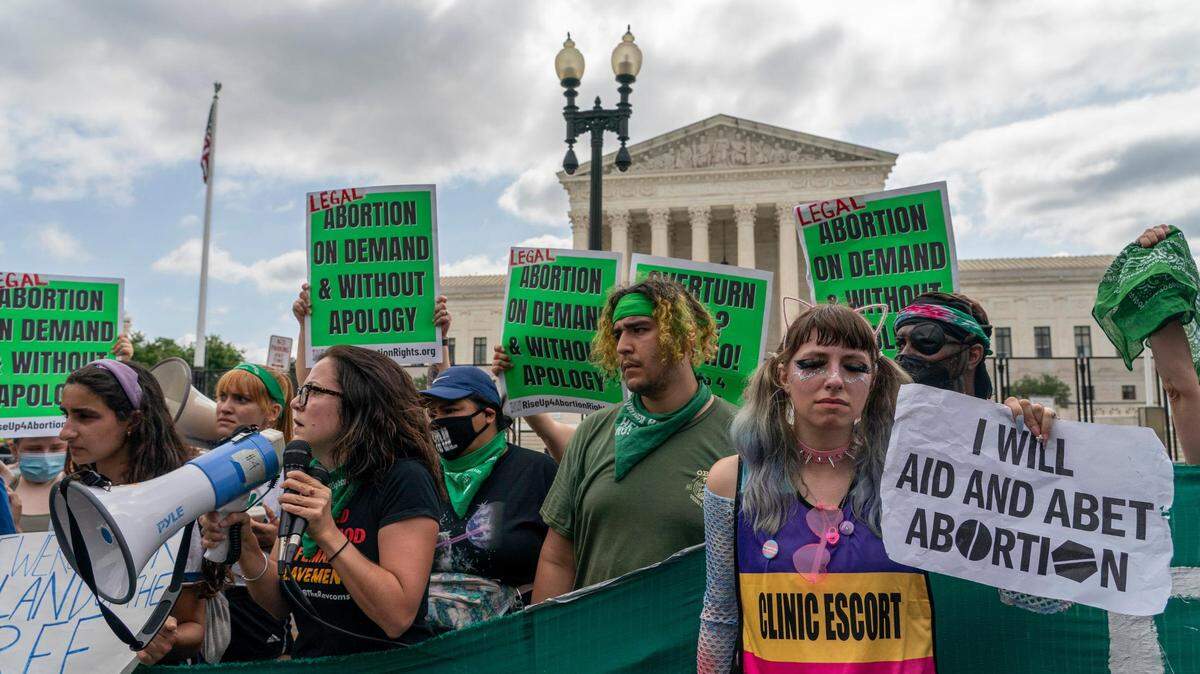
READ MORE
What Supreme Court’s overturning of Roe v. Wade means for abortion in Texas
The US Supreme Court has ruled on 1973 Roe v. Wade abortion case. Here is how the justices’ decision affects Texas.
Expand All
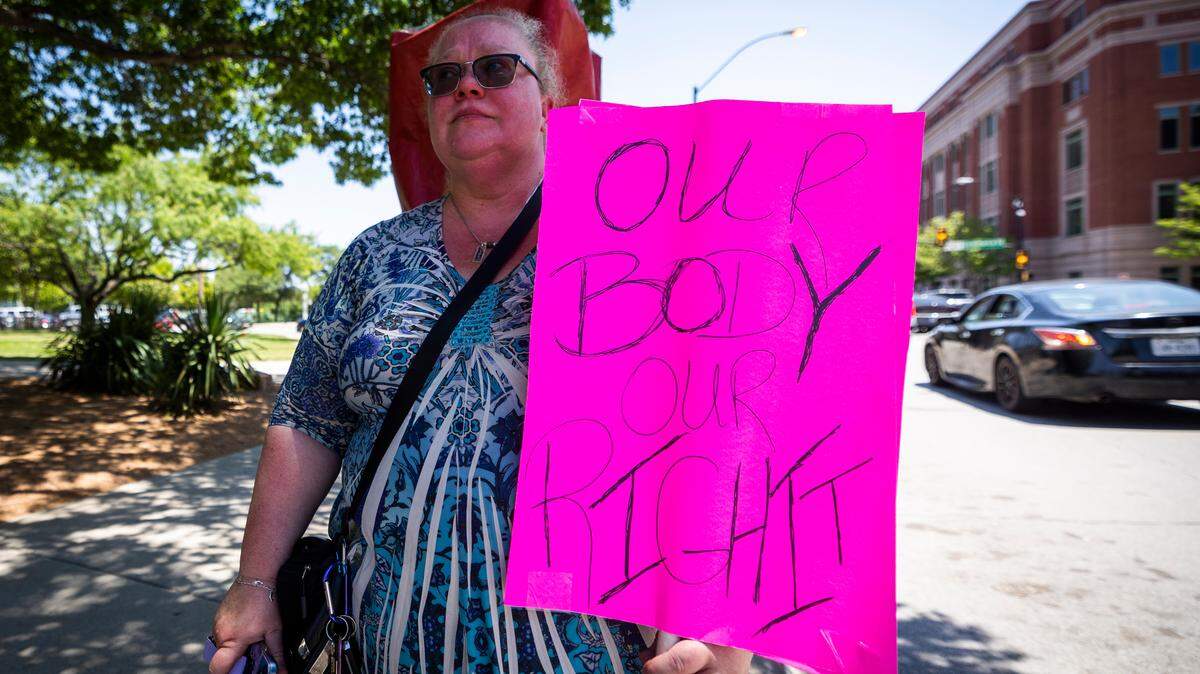
Abortion is now mostly unavailable in Texas. Here’s what we know after Roe overturned
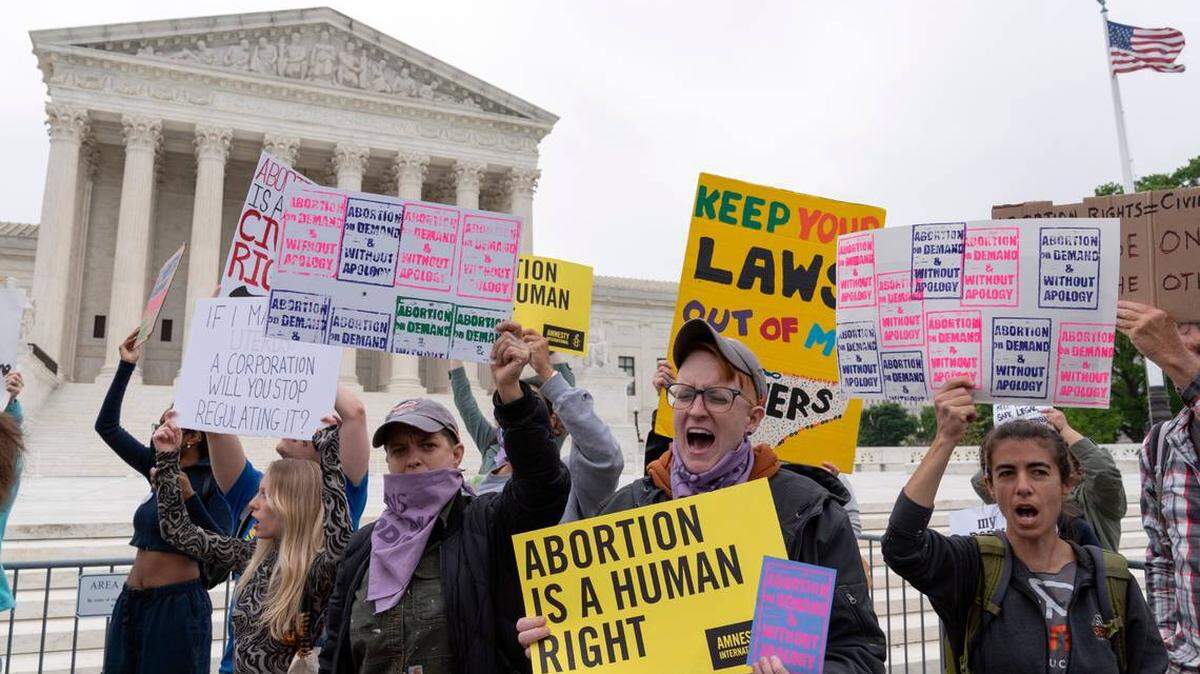
What Supreme Court’s overturning of Roe v. Wade means for abortion in Texas
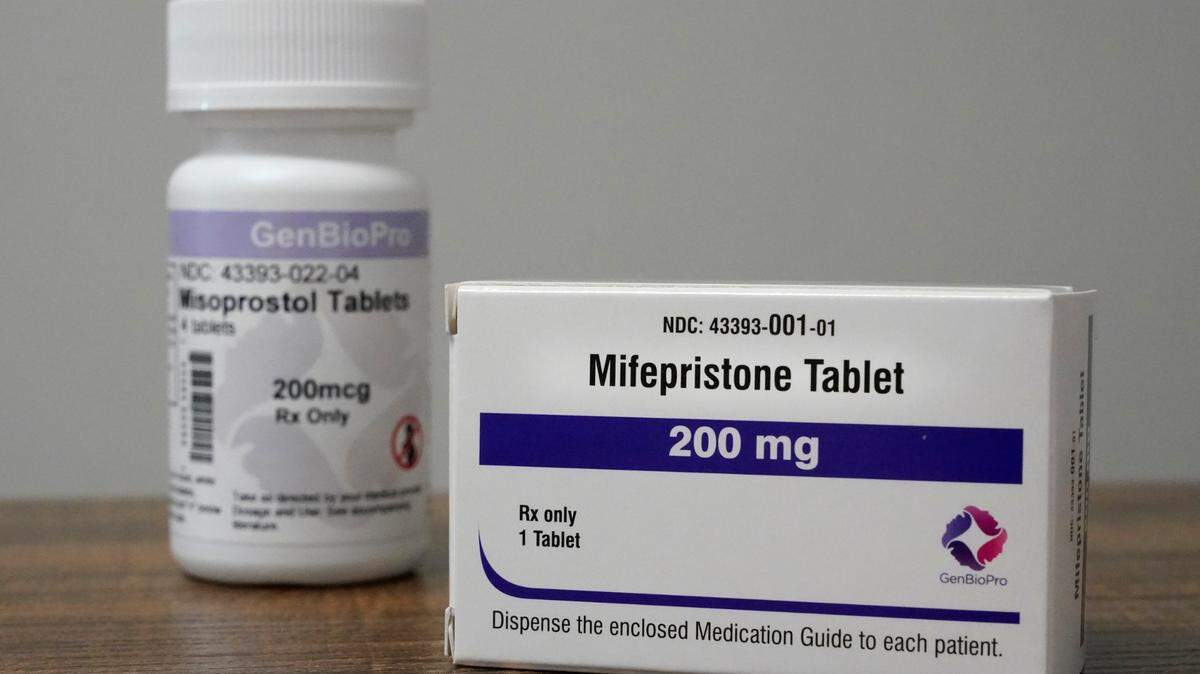
How Supreme Court’s Roe v. Wade ruling affects use of abortion pills in Texas
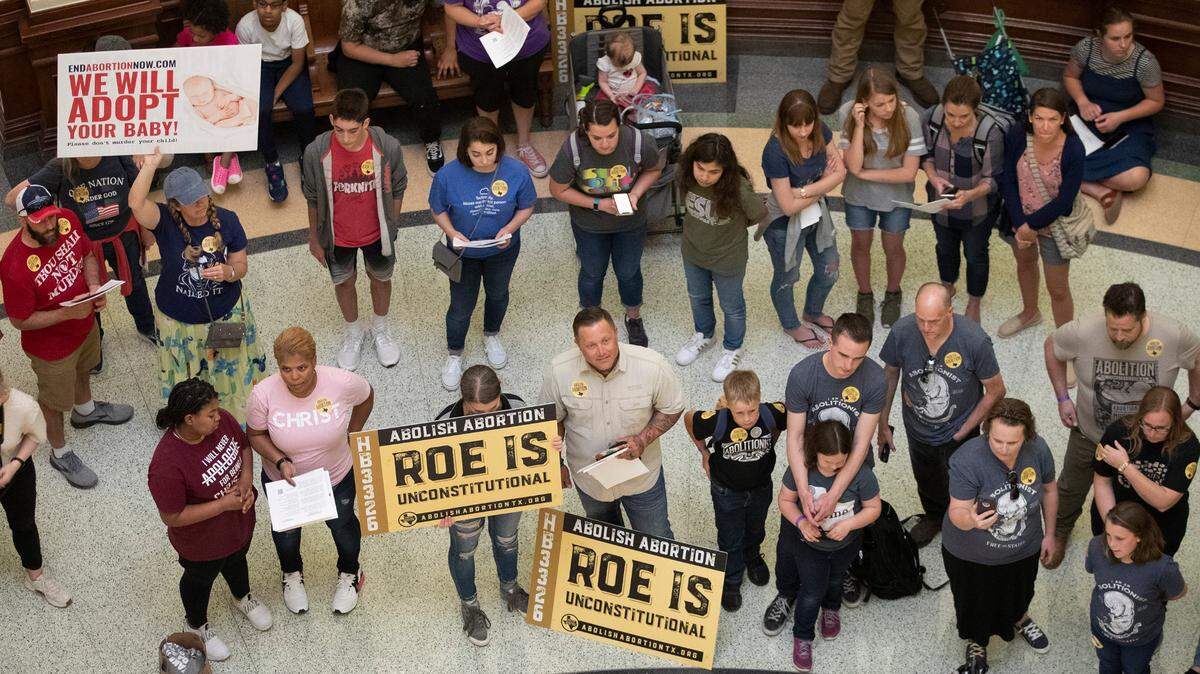
Here’s how Texas’ abortion trigger law works, now that Roe v. Wade has been overturned
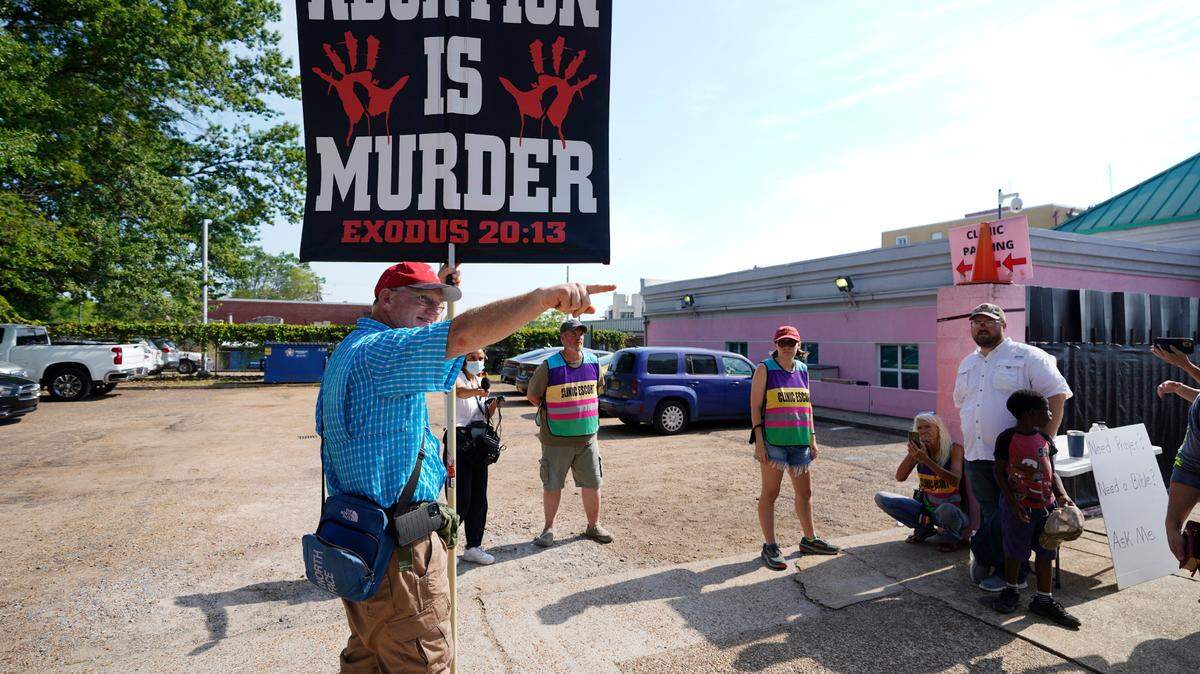
What’s next after Roe? For Republicans, joy but also uncertainty over changing debate
Roe v. Wade made abortion legal in the U.S. with restrictions implemented by states. These are the locations that would likely restrict abortion access with an overturned Roe v. Wade decision according to predictions by the Planned Parenthood Action Fund.
Access eliminated
- Alabama
- Arkansas
- Georgia
- Idaho
- Indiana
- Mississippi
- Missouri
- Louisiana
- Ohio
- Oklahoma
- South Carolina
- Tennessee
- Texas
- Utah
- West Virginia
Severely Restricted
- Florida
- North Carolina
- North Dakota
- South Dakota
- Wisconsin
- Wyoming
Restricted
- Arizona
- Iowa
- Kansas
- Michigan
- Nebraska
Mostly Accessible
- Alaska
- Minnesota
- New Hampshire
- Pennsylvania
- Rhode Island
- Virginia
Accessible
- California
- Colorado
- Connecticut
- Delaware
- Hawaii
- Illinois
- Maine
- Maryland
- Massachusetts
- Montana
- New Jersey
- New Mexico
- Nevada
- New York
- Oregon
- Vermont
- Washington
This story was originally published June 24, 2022 at 9:20 AM.

Megan Cardona
Fort Worth Star-Telegram