Texas has a number of abortion laws. Which ones are in effect after court overturns Roe?
READ MORE
Supreme Court overturns Roe v. Wade
Expand All
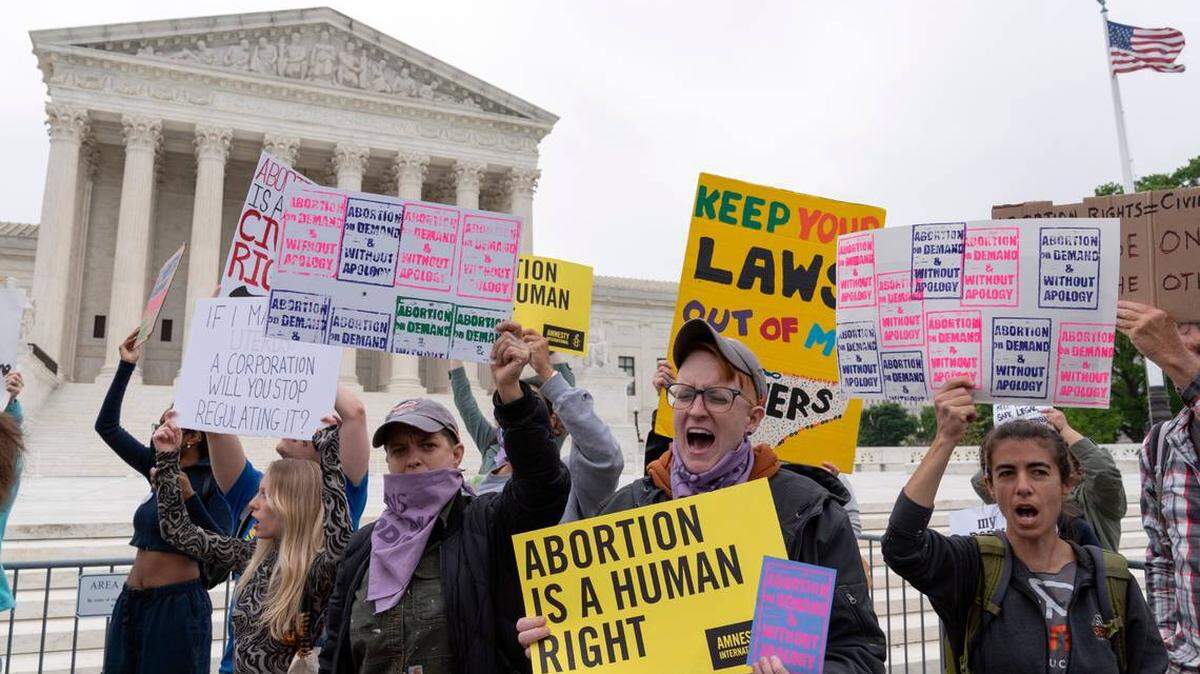
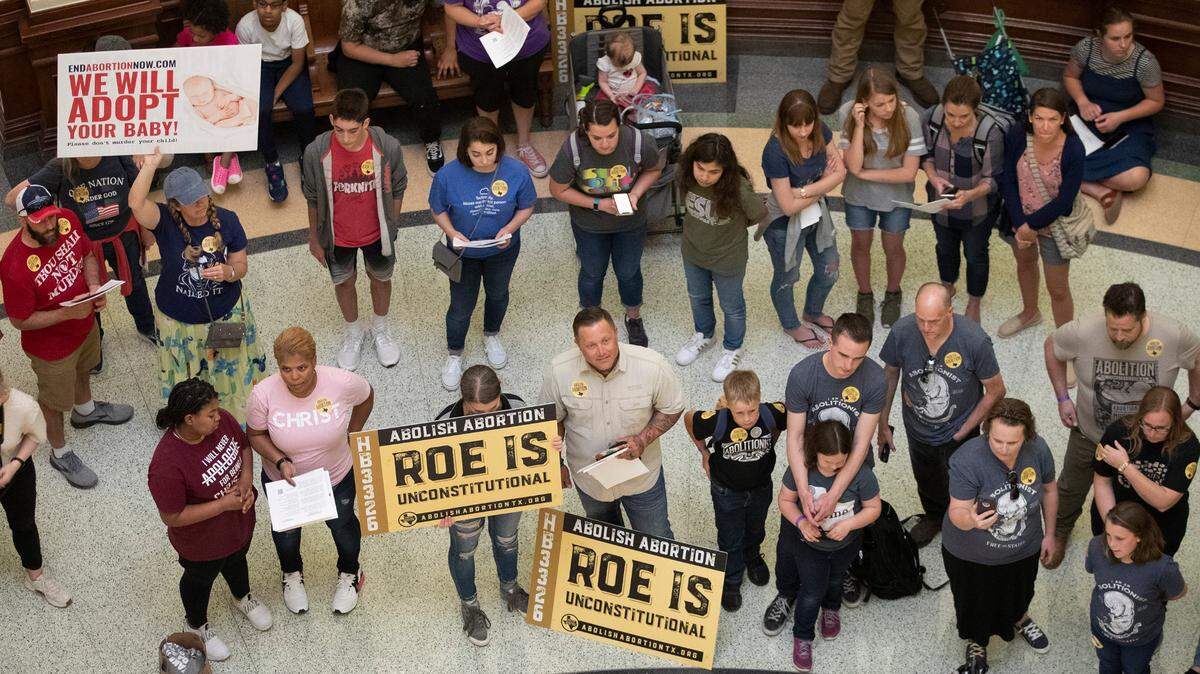
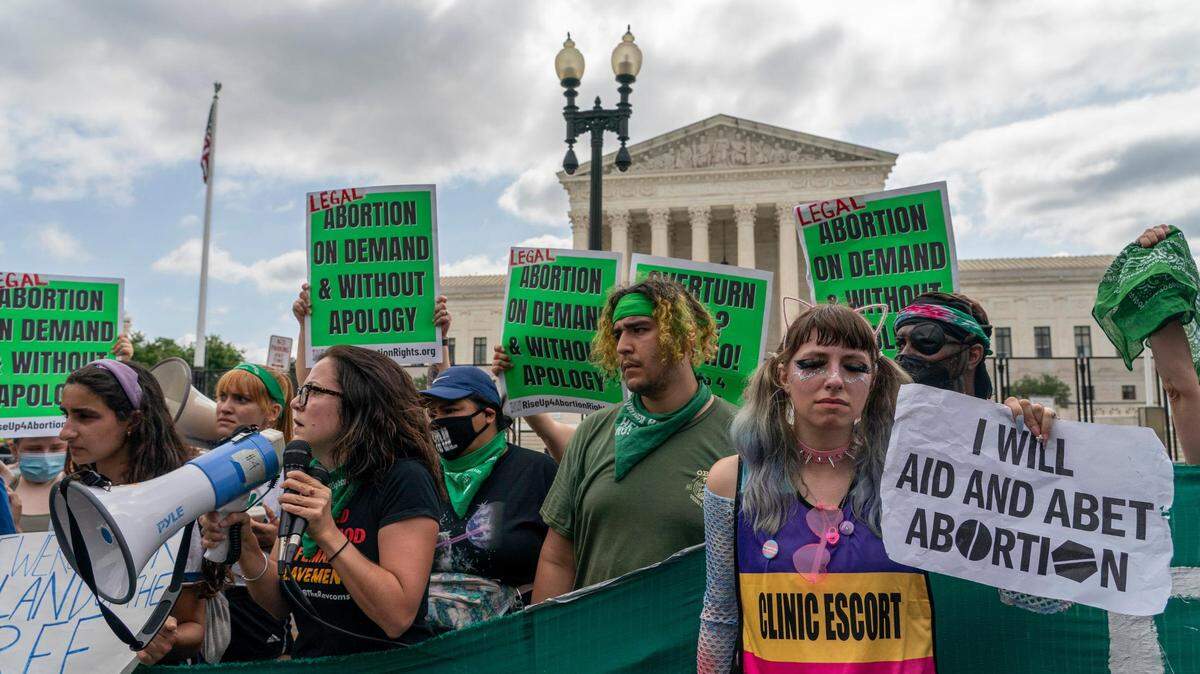
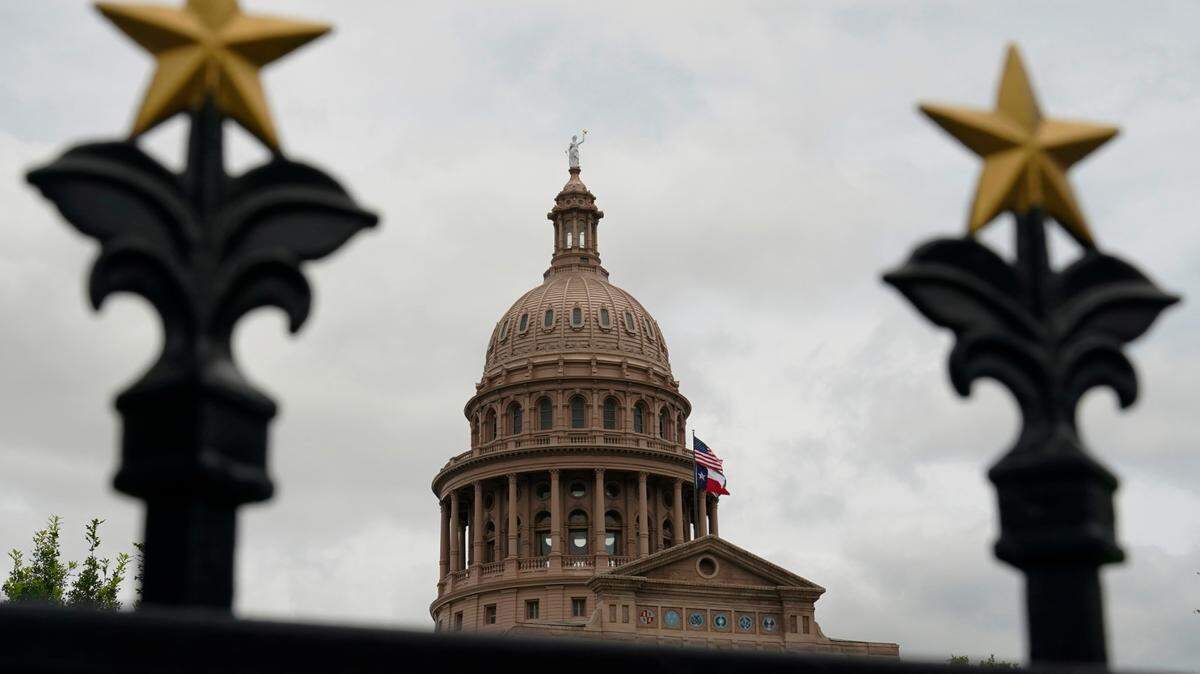
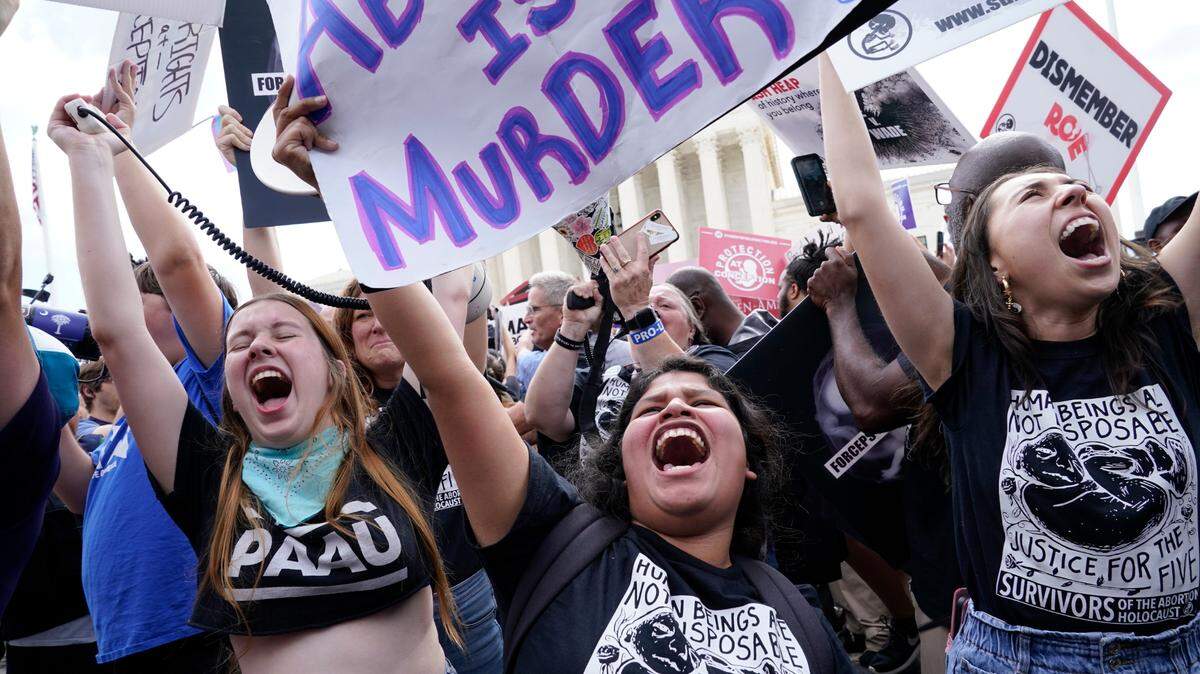
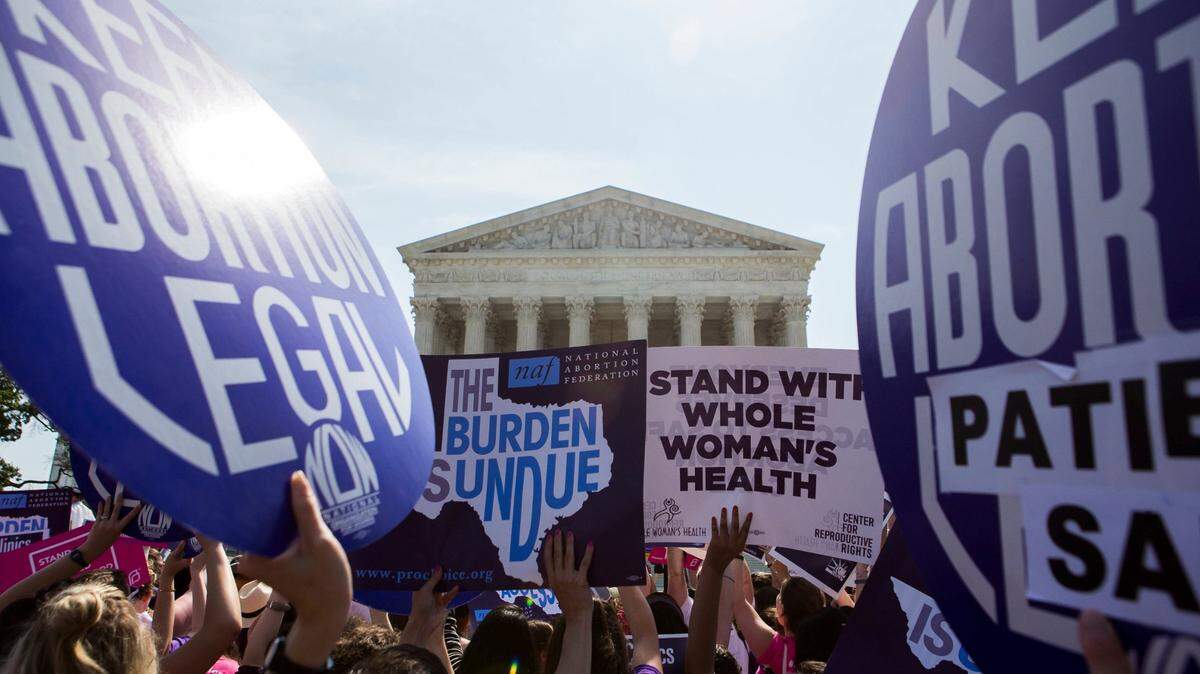
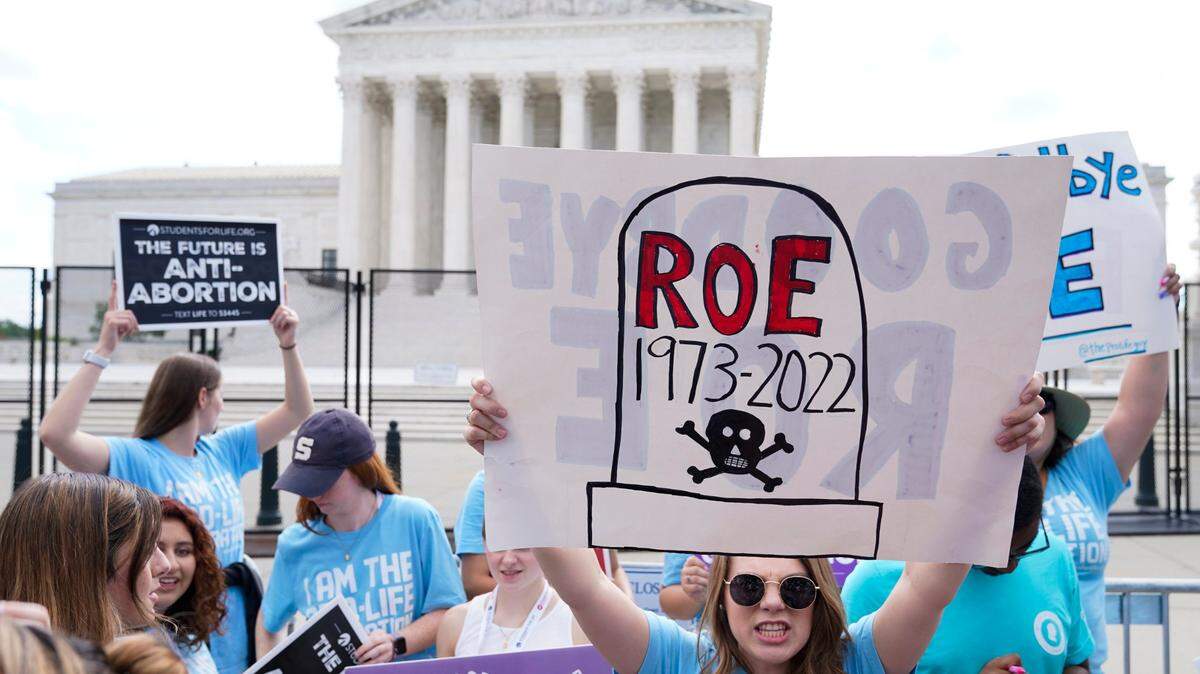
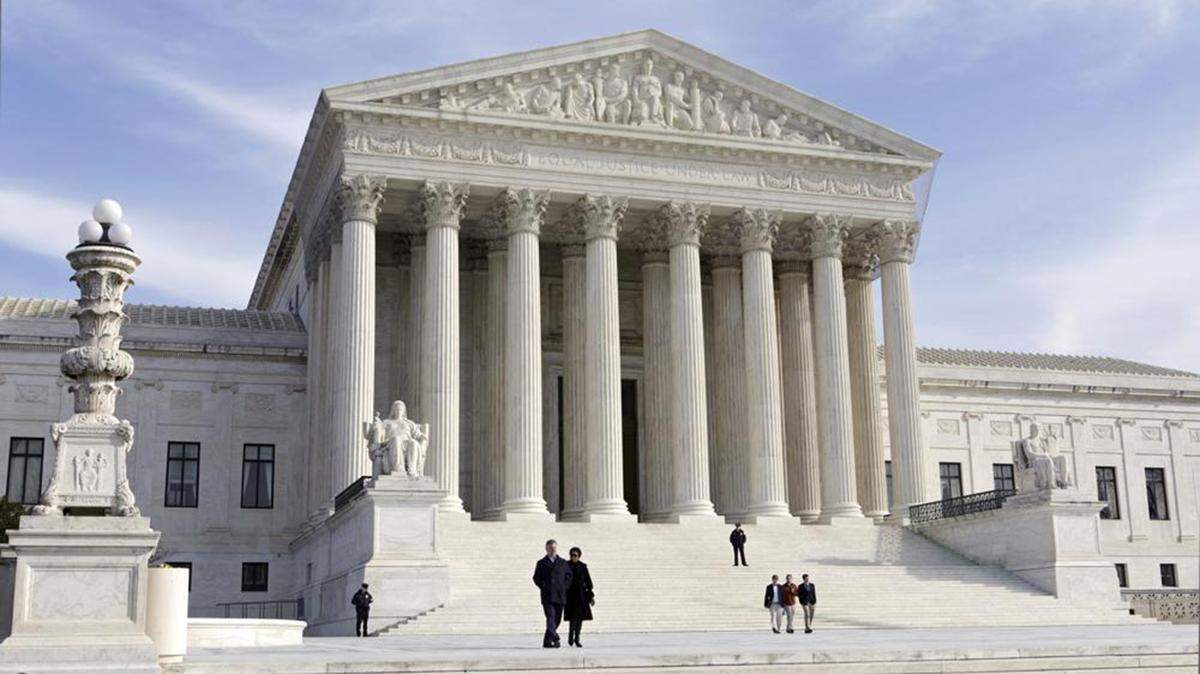
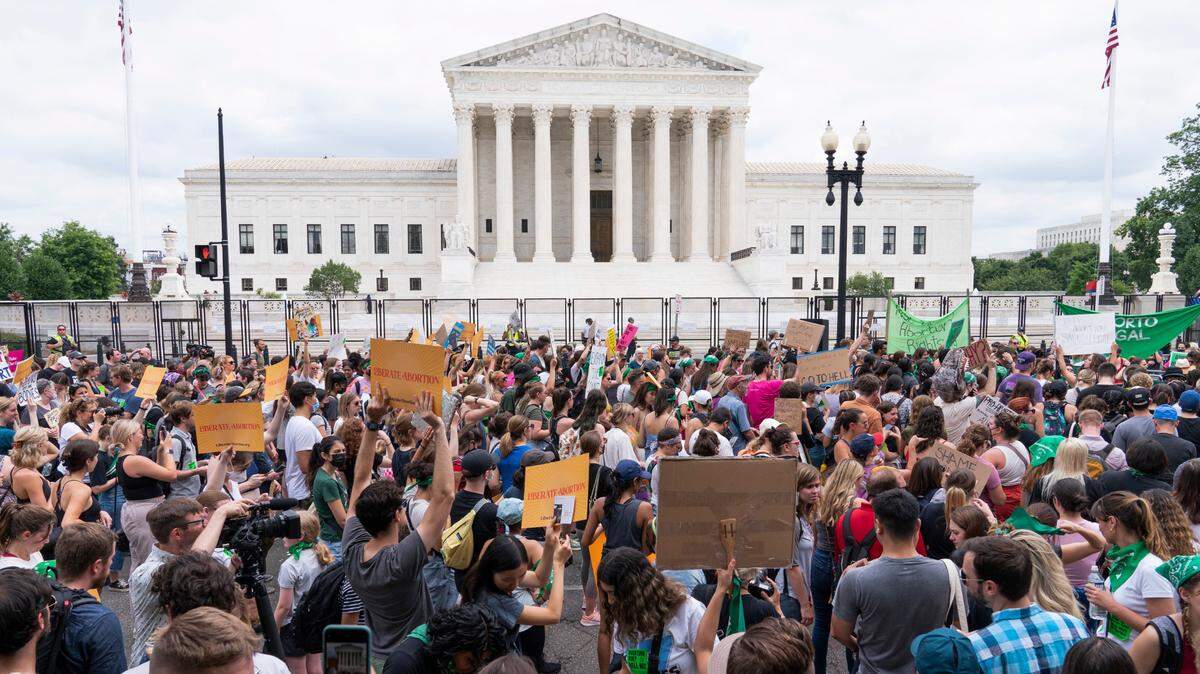
A web of Texas laws restricting abortion access is being untangled after the U.S. Supreme Court on Friday overturned the 1973 case that made abortion a constitutional right.
The court’s decision has raised questions in a state with multiple laws related to abortion on the books, including the pre-Roe statute that banned abortion, which Attorney General Ken Paxton says prosecutors can pursue. Experts disagree on whether it comes back into effect, said Laura Dixon, a spokesperson for the Texas Policy Evaluation Project.
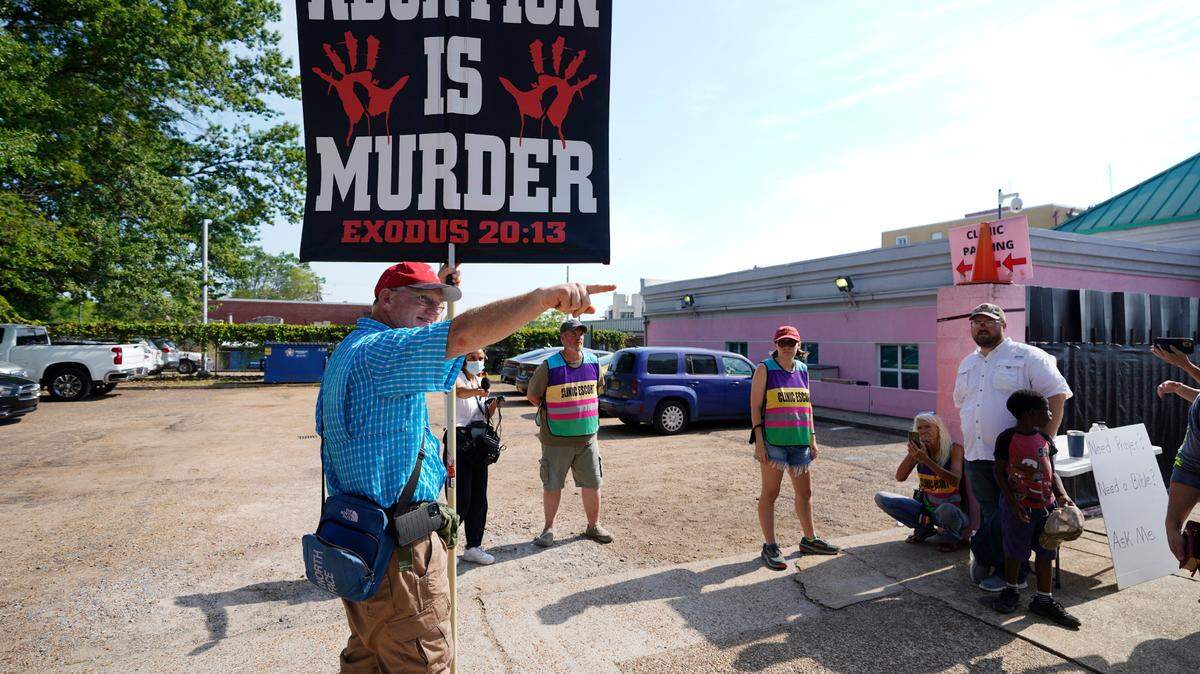
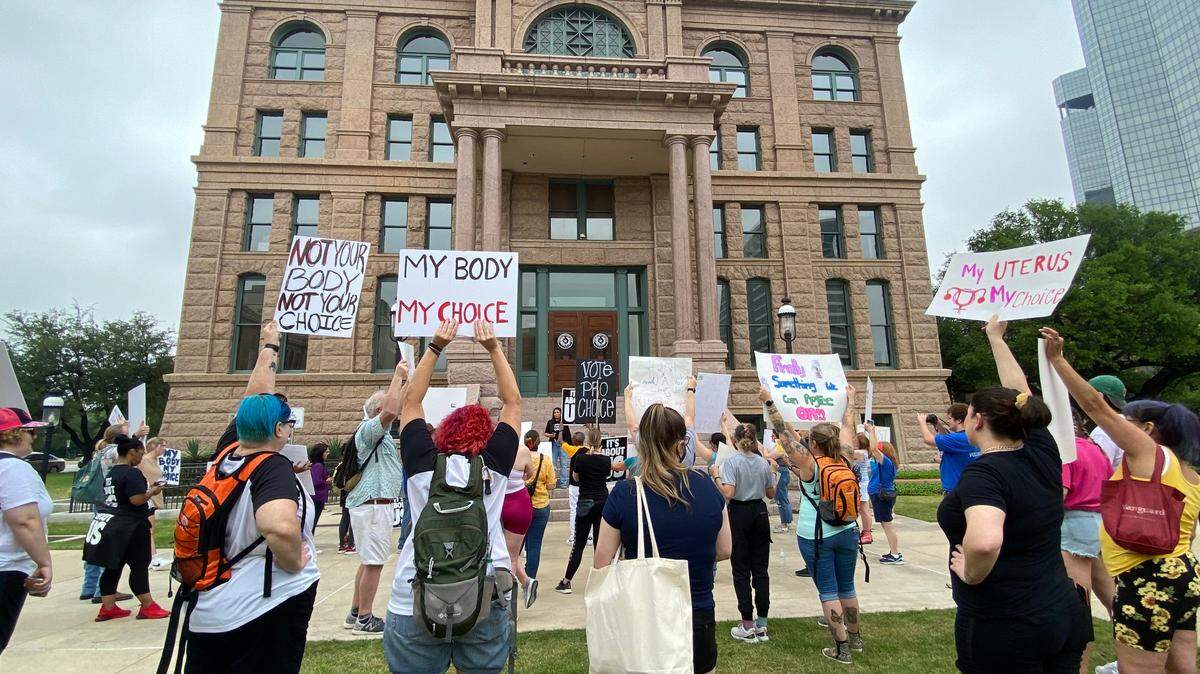
The answer is likely to become clearer in the days to come, and a “trigger” law is waiting on the sidelines. But for the time being, Planned Parenthood clinics halted abortion procedures in Texas. Whole Woman’s Health also paused its abortion services at its Texas clinics, including ones in Fort Worth, according to The Texas Tribune.
“The pause in our abortion care, while very interruptive to our dedication to our patients, is the right thing to do so that we have time to ensure that Planned Parenthood organizations remain compliant with the law ... and maintain the strength of our organizations to provide health care for all of our patients for the months and years ahead of us,” said Jeffrey Hons of Planned Parenthood South Texas.
Under Texas’ “trigger” law, authored by Republican Rep. Giovanni Capriglione of Southlake, a person who performs, induces, or attempts an abortion could face up to 20 years in prison if the abortion is unsuccessful and up to life if it is successful. A person who performs an abortion could face a fine of at least $100,000 for each violation.
That law goes into effect 30 days after a judgment is issued. A judgment is distinct from the court’s opinion, and it could be a month or longer before it is issued, Paxton said in the advisory.
“So while it is clear that the Act will take effect, we cannot calculate exactly when until the Court issues its judgment,” Paxton said.
The law from last year is in addition to the state’s pre-Roe abortion ban, which was never repealed by the Texas Legislature, according to Paxton.
In a Friday advisory Paxton said “some prosecutors may choose to immediately pursue criminal prosecutions based on violations of Texas abortion prohibitions predating Roe.” It stipulates that except in cases in which the mother’s life is trying to be saved, a person who administers an abortion could face two to five years in prison, according to Paxton’s advisory. The penalty doubles if an abortion is done without the patient’s consent.
While Paxton maintains the law could be used by prosecutors, Elizabeth Sepper, a law professor at UT Austin, cautioned it’s not entirely clear what happens with the pre-Roe ban.
“Probably the best argument is that the law is not valid” following a 2004 5th Circuit ruling that Texas’ pre-Roe statute had been repealed by implication, Sepper said.
Most of the question about pre-Roe rules will become moot once the “trigger” law goes into effect, said Eric Cedillo, an attorney and SMU clinical professor of law.
“I don’t think that you’re going to have much in the way of there being a huge, practical application of the pre-Roe law coming into effect because of that trigger law kicking in after 30 days,” Cedillo said.
Sepper said the Texas homicide law will now also apply to abortion.
“The homicide statute applies ... to causing the death of an unborn child at every stage of gestation from fertilization until birth,” Sepper said. Texas law “has an exception for lawful medical procedures, which means legal abortions. Once abortion is generally illegal, providing abortion becomes potentially murder under Texas law.”
The penal code includes an exception for “conduct committed by the mother of the unborn child.” The “trigger” law and pre-Roe ban also don’t apply to the patient, said Dixon of the Texas Policy Evaluation Project, which has worked with Sepper on reviewing the various state laws. But prosecutors have brought up charges against pregnant people for things like child endangerment or delivery of a controlled substance to a minor, Dixon said.
Texas already prohibits most abortions at about six-weeks, often before pregnancy is known. That law is enforced civilly — allowing a person to bring action against someone who performs an abortion or aids in the performance of an abortion. It and the “trigger” law do not include exceptions for rape and incest.
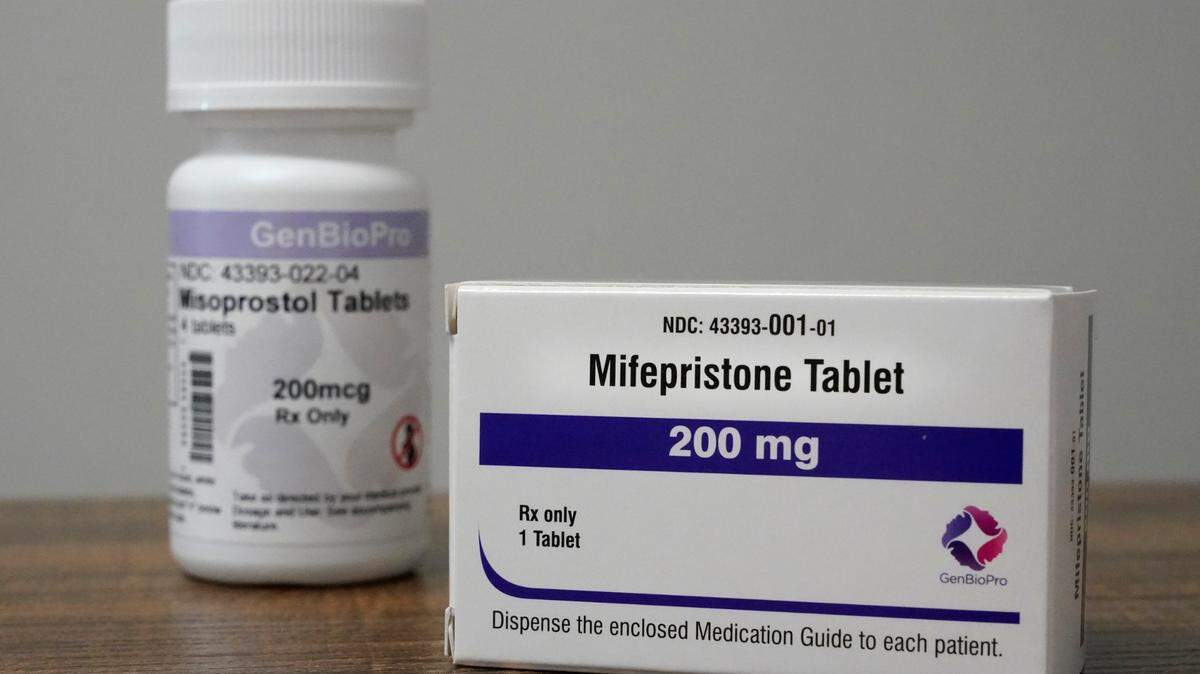
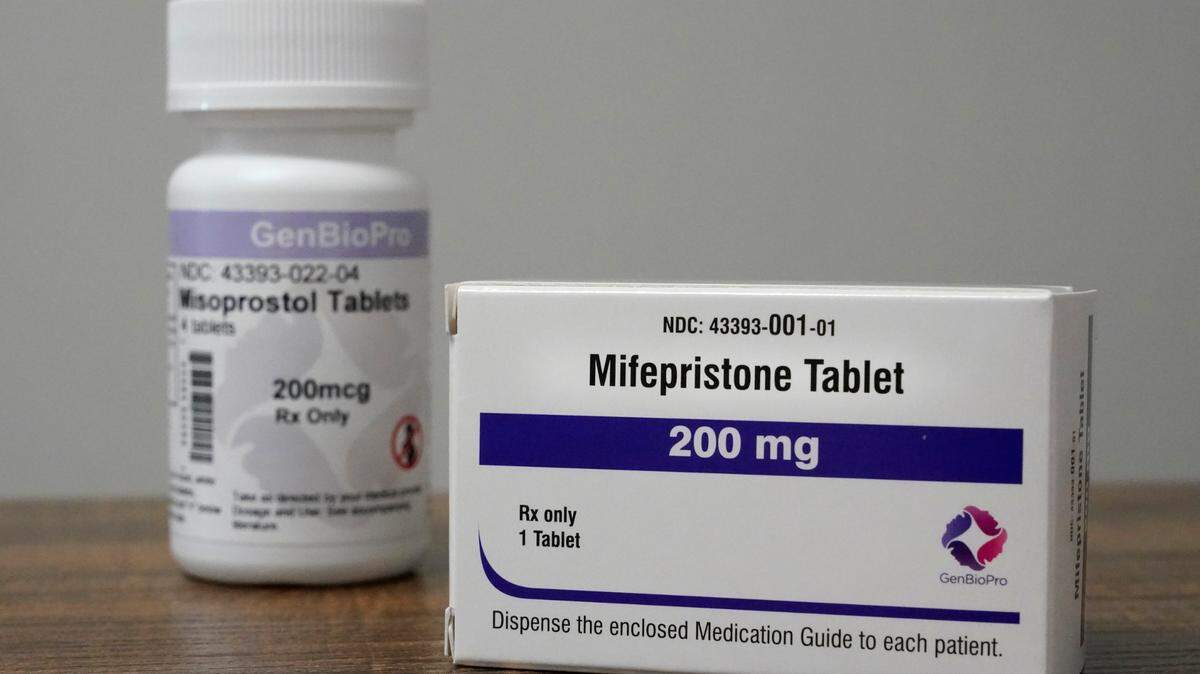
It is also illegal to mail abortion pills or medication that could be used to end a pregnancy, though experts have said it will be hard for prosecutors to enforce Texas law against groups operating outside of Texas.
Hons of Planned Parenthood South Texas pointed out Friday afternoon that the order from the court is just hours old, and said time is needed to examine how laws interact. In the meantime, he wasn’t aware of any clinics performing abortions as of Friday.
“Abortion went from being a right to being a crime,” Sepper said.
Staff Writer Ciara McCarthy contributed to this report.