The 2021 Texas freeze killed 246. These tips could save your life as another storm hits
READ MORE
Ice Storm
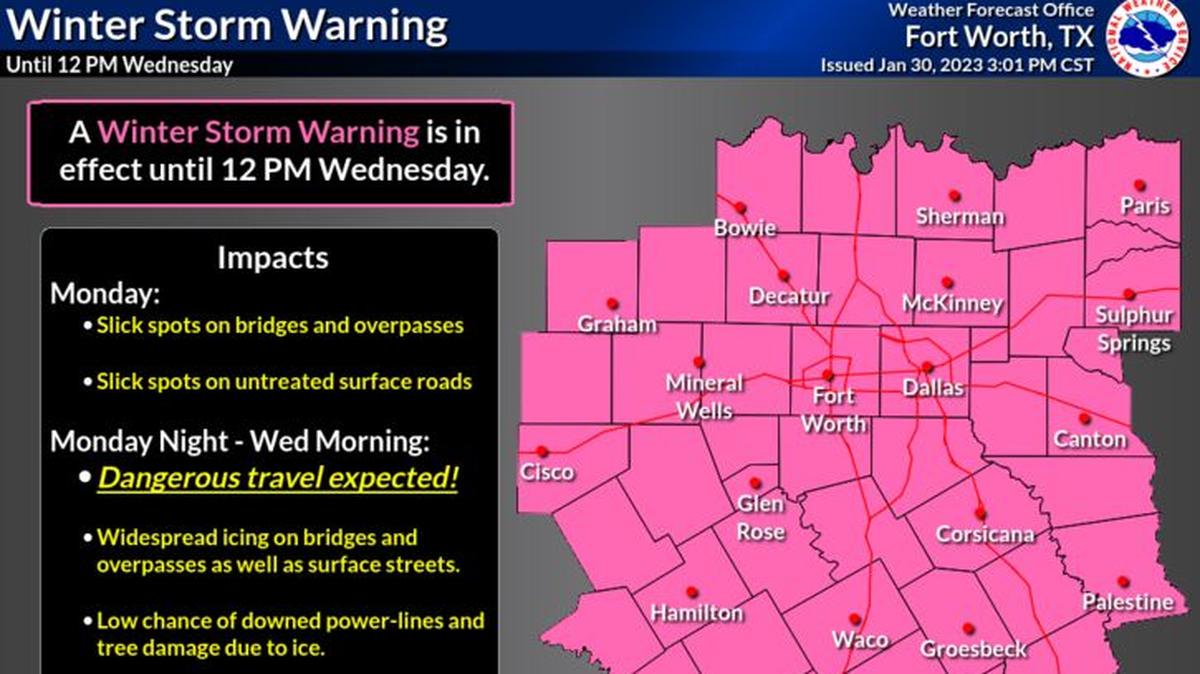
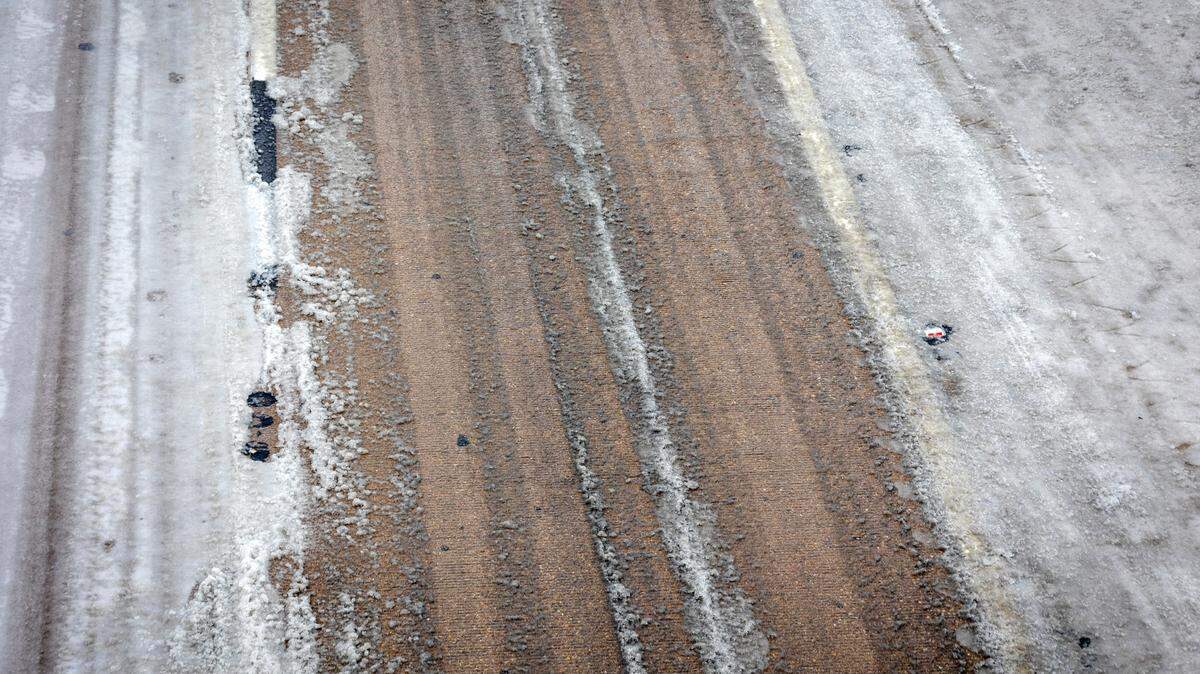
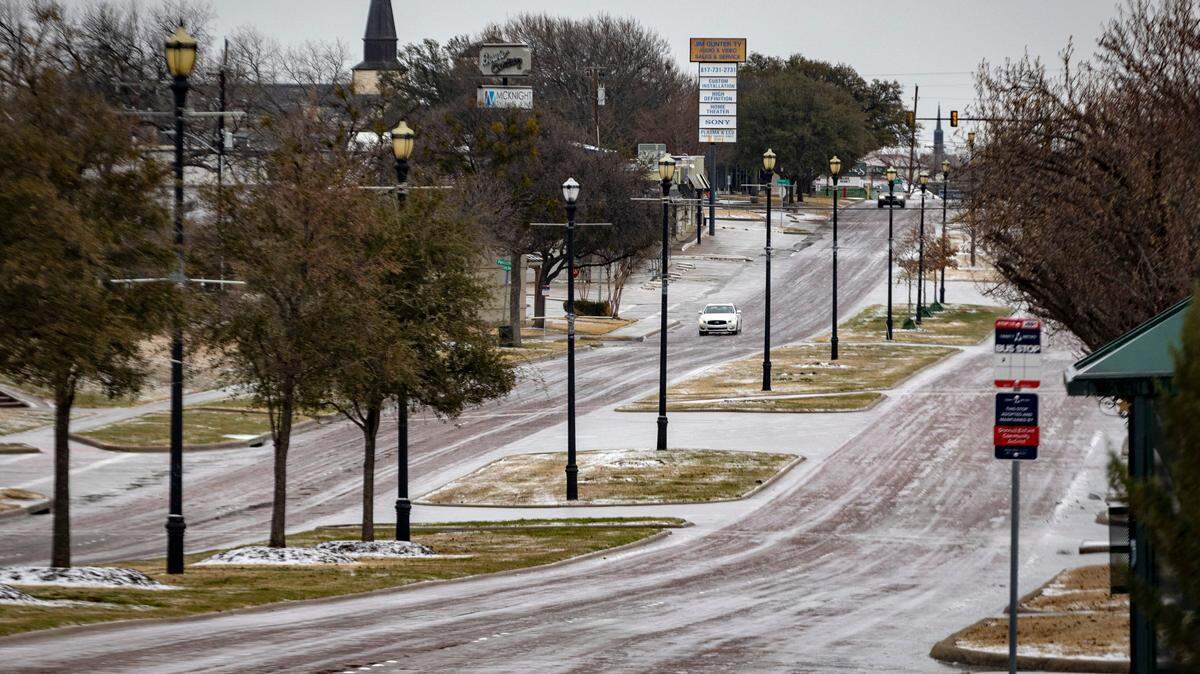
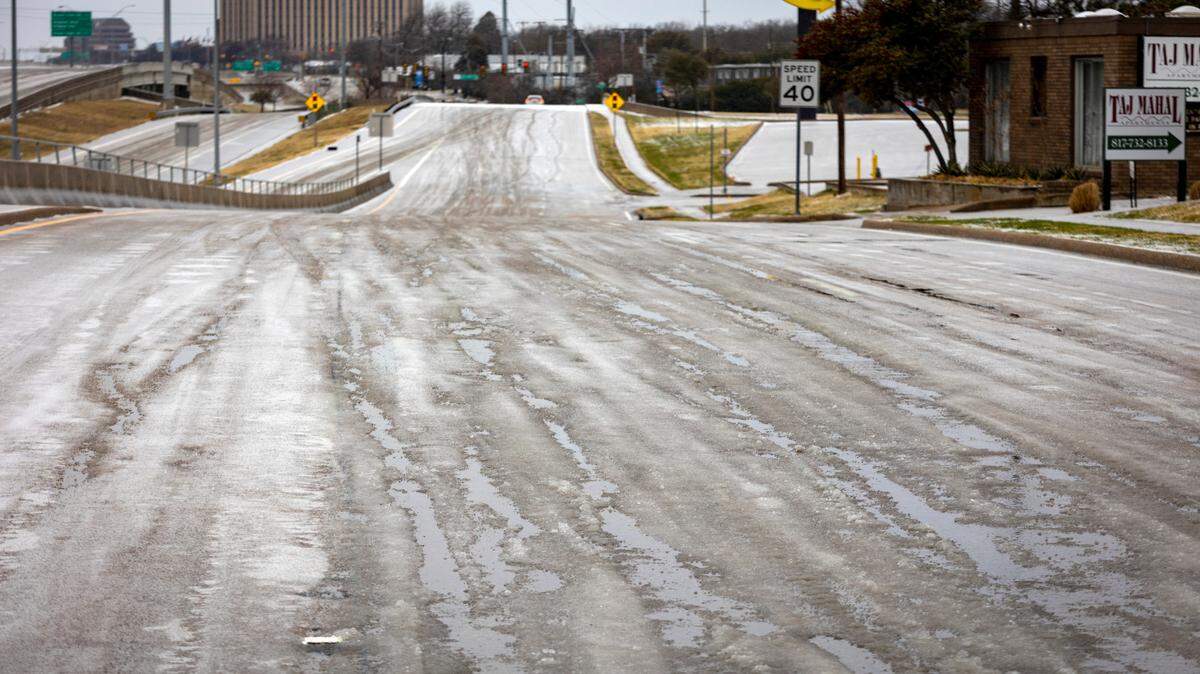
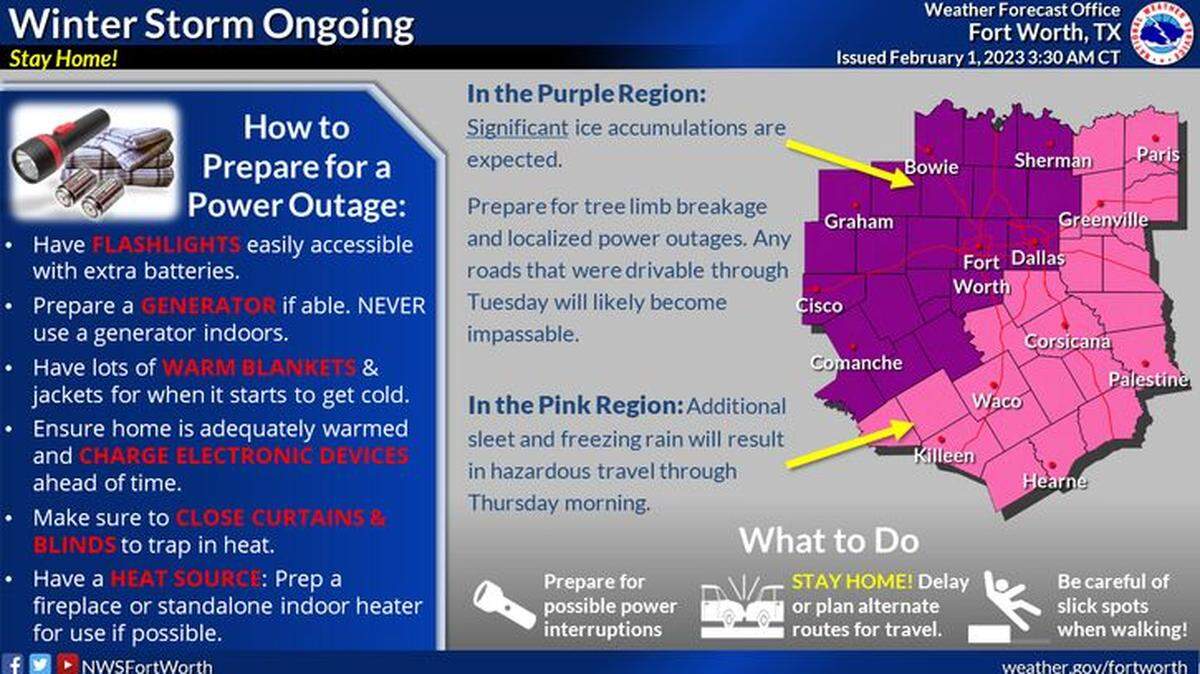
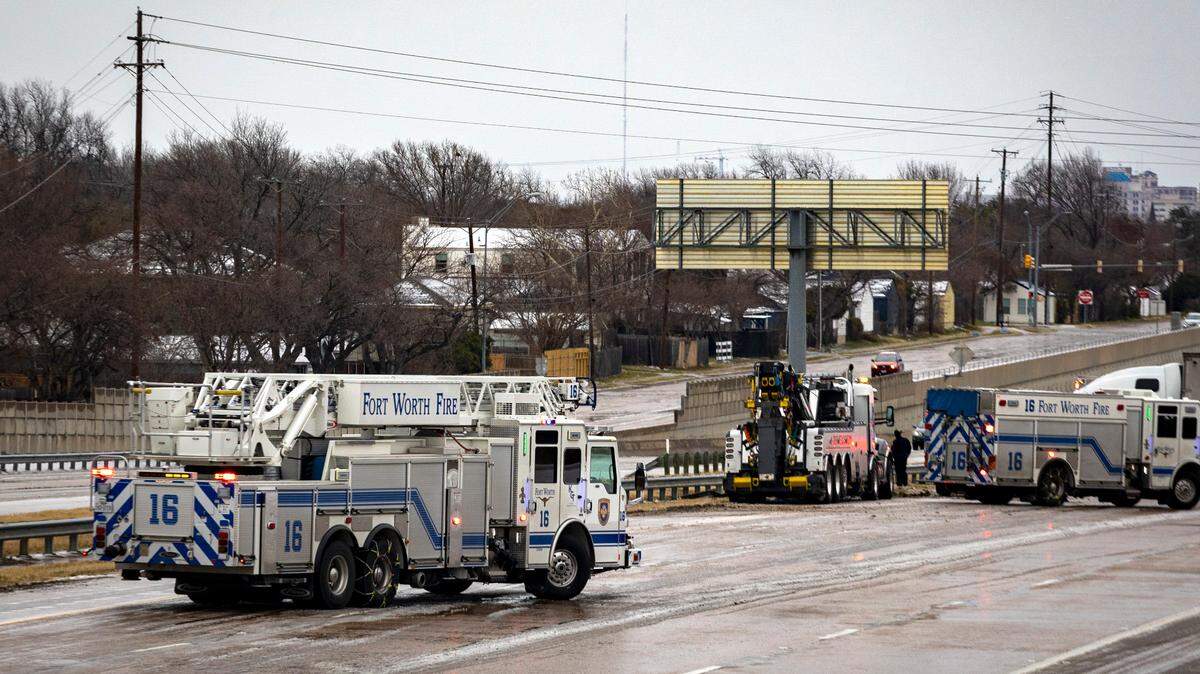
The National Weather Service issued winter storm and ice storm warnings for North and Central Texas until Thursday morning. Roads remained icy Friday. Here’s what you need to know to stay weather-aware.
Expand All
At least 246 Texans died during February 2021’s winter storm. More than half suffered from hypothermia or frostbite. Others died from car accidents, carbon monoxide poisoning, fires and falls, according to a state report.
As Texas once again faces dangerous cold, ice and snow, these tips can save your life.
Hypothermia and frostbite
Hypothermia happens when your body temperature drops too low. Symptoms are fatigue, confusion, disorientation, excessive shivering and loss of coordination. In the later stages, your skin will turn blue, your pupils will dilate, and your pulse and breathing slow. Then unconsciousness and coma could follow.
Here’s what to do when someone experiences the initial symptoms, according to the Texas Department of Insurance:
- Call 911 immediately;
- Try to move to a warm, dry place;
- Replace wet clothes with dry clothes;
- Wrap the body, including head and neck, in layers and blankets with a tarp or garbage bag on top;
Drink a warm, sweetened drink (without alcohol or caffeine) to help raise the body temperature;
Place warm bottles or hotpacks in armpits and along the sides of the chest;
Check for signs of breathing or a pulse every 60 seconds.
Frostbite occurs when ice begins to form inside and around your skin cells. Early signs of frostbite are numbness, pins and needles feeling, blue and blotchy skin and aches. Blisters or black scabs may start to form. In the most severe cases, amputation of the damaged tissue is the only solution. If you or someone you know exhibit the early symptoms, follow these steps outlined by the TDI:
Call 911 immediately;
- Move to a warm, dry area;
- Loosely cover the frostbitten area with a dry cloth to protect it until medical help arrives;
Remove any tight or wet clothing that might cut off blood flow, and replace with warm, dry clothing;
Wrap the body in blankets or covers;
Do not rub or put pressure on the affected area;
Do not apply snow or water;
Do not break blisters;
Do not try to re-warm the frostbitten area;
Do not use heating pads or warm water;
Give warm, sweetened drinks (no alcohol) if the person is alert;
Once thawed, wrap frostbitten areas in clean bandages.
Car accidents
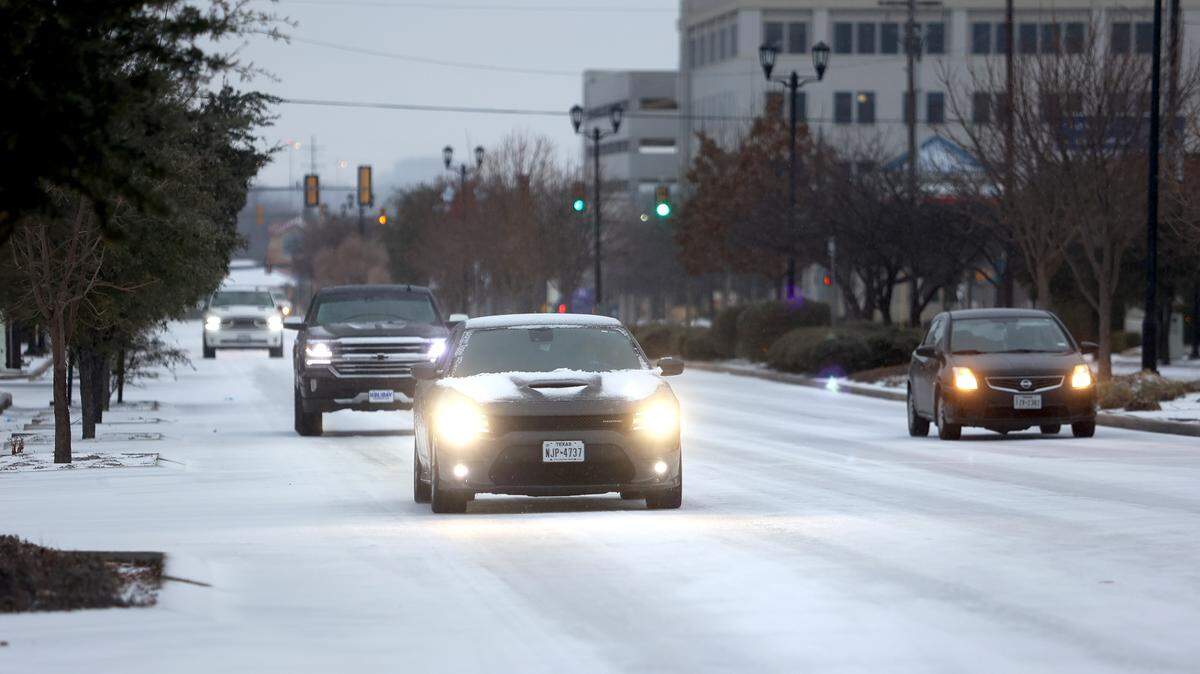
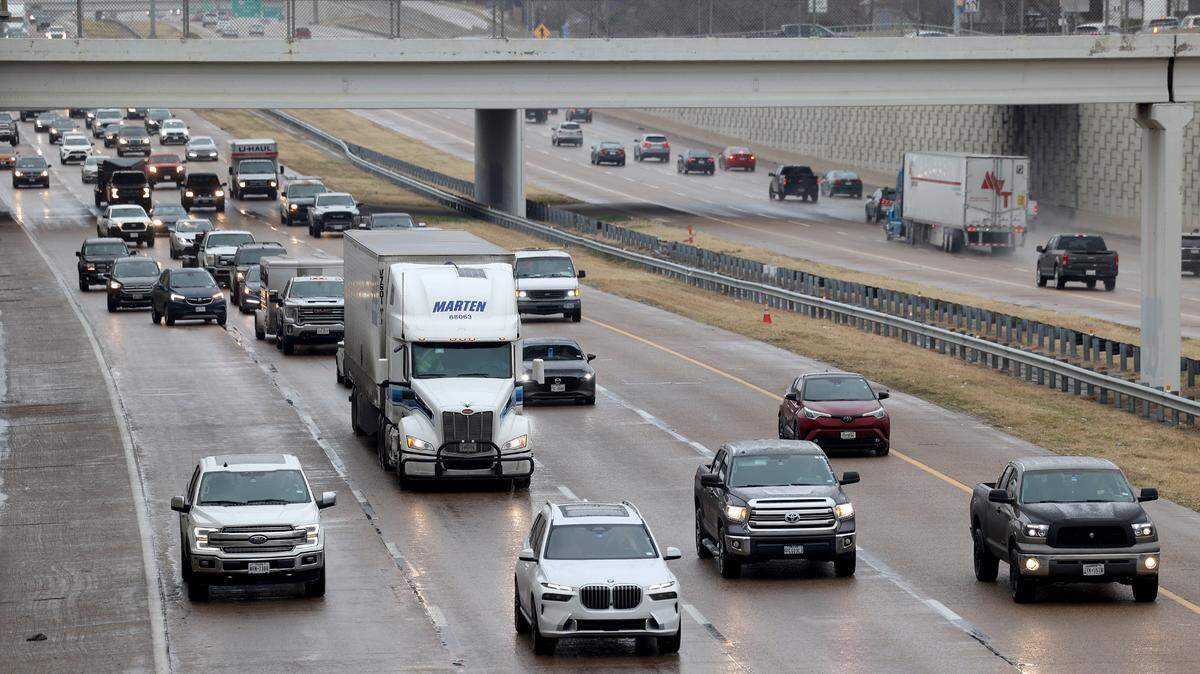
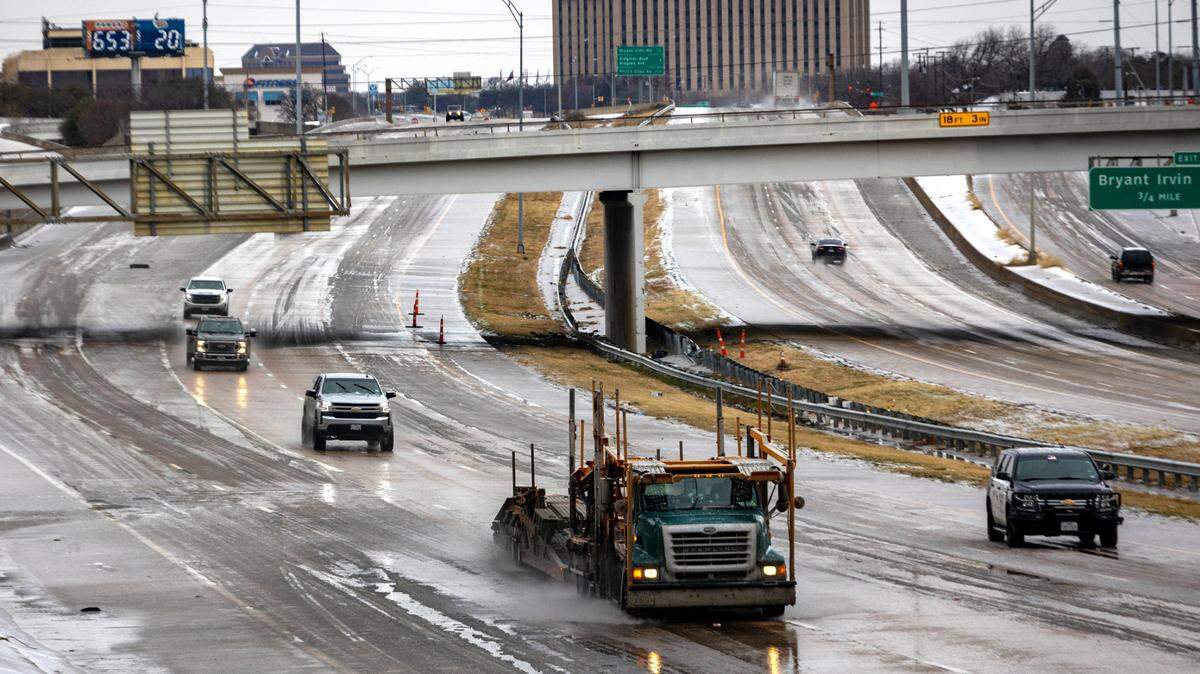
Winter weather creates unpredictable and dangerous driving conditions. The Texas Department of Transportation strongly advises staying off the roads. But if you have to drive, use extreme caution. For information on road conditions, visit the DriveTexas website or call 800-452-9292. Here are TxDOT driving tips:
- Slow down (slower than the speed limit);
- Leave at least three times the normal following distance on snow or ice;
- Watch for snow removal equipment and stay at least 200 feet behind plows;
- Use extra caution on bridges, ramps, overpasses and shaded areas, as they tend to freeze first;
- If your car starts to slide, ease off the gas or brakes. Steer into the direction of the skid until you have regained traction, then straighten your car.
Carbon monoxide poisoning
The “silent killer” is the leading cause of accidental poisoning deaths in North America.
You can’t see or smell carbon monoxide. To monitor carbon monoxide levels, you should have a carbon monoxide detector installed if you have a furnace, boiler, water heater, fireplace or emergency generator that burns natural gas, fuel oil, coal or wood.
Symptoms of carbon monoxide poisoning are similar to the flu. It causes headache, nausea, redness of the skin, dizziness, confusion and loss of consciousness.
According to the Texas Poison Center Network, if you suspect you or someone else is suffering from carbon monoxide poisoning, get fresh air immediately and then call the poison center at 800-222-1222. If the person is unconscious, call 911.
Use these tips from the Texas Poison Center Network to prevent carbon monoxide poisoning in your home:
- Buy a detector at a hardware or big-box store. Install one per floor of your home, close to sleeping areas. Alarms that plug into the wall with a battery back-up system are recommended.
- Have your heating system annually inspected by a qualified professional.
- Check the fireplace chimney or flue for leaves, branches, nests or other blockage.
- Check all alternative heating sources such as space heaters or wood stoves to ensure they are in safe operating condition.
- Always run gas-powered generators in open spaces, never indoors. Make sure they are away from air conditioning units or other air vents.
- Never leave a car running in a closed garage. Make sure the exhaust pipe isn’t clogged with snow or ice.
- Never use the gas range or oven for heating.
- Never burn coal or use charcoal in a closed space.
Slips and falls
Ice and snow increase your risk of slipping and falling. To decrease your risks, according to the Foot and Ankle Associates of North Texas:
- Wear proper footwear. Buy a pair of boots or overshoes with soles, and avoid walking in shoes that have smooth surfaces.
- Walk consciously and cautiously. Take your time and pay attention to your steps. Keep your hands out of pockets and avoid carrying anything heavy.
- Take short, shuffling steps. Curl your toes under and walk as flatfooted.
Tuck-and-roll: If you feel yourself falling, tuck your body, lift your head and avoid trying to break the fall with your hand. Make yourself as small as possible by rolling up into a ball.
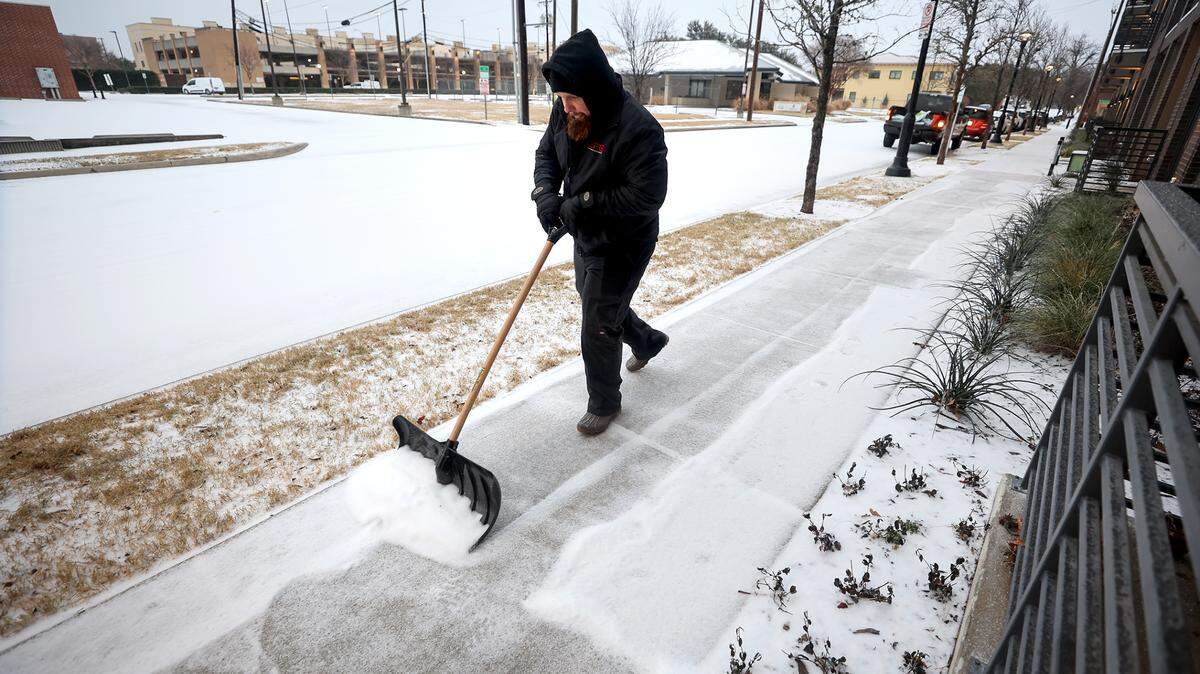
- Keep your porch stoops, steps, walks and driveways free of ice by frequently applying melter granules.
Always use handrails, a walking stick, a walker or cane.
Fires
Prevent winter fires with these tips from the National Fire Protection Association:
- Candles: If the power is out, use battery-powered lights, not candles. If you only have regular candles, place them on a sturdy surface at least one foot away from flammable items, and keep them out of reach of children and pets. Blow them out before you leave or go to sleep.
Generators: Portable generators should be used outdoors only and placed away from windows and doors. Do not run a generator inside your garage, even if the door is open.
Space heaters: Make sure your space heater is in good working condition. Place it somewhere where it can’t get knocked over or bumped into, and at least three feet away from anything that can burn. Keep children and pets away from it, and turn it off when you leave your home or go to bed.
Fireplaces: Have your chimney and fireplace cleaned and inspected by a professional at least once a year. Keep anything flammable at least 3 feet from your fireplace. Use a screen to stop sparks from flying into the room. When the fire is completely out, let the ashes cool and put them in a metal container that’s placed at a safe distance away from your home.
Cooking appliances: Never use an oven or stove to heat your home.
This story was originally published February 1, 2022 at 4:18 PM.

.png)
.JPG)