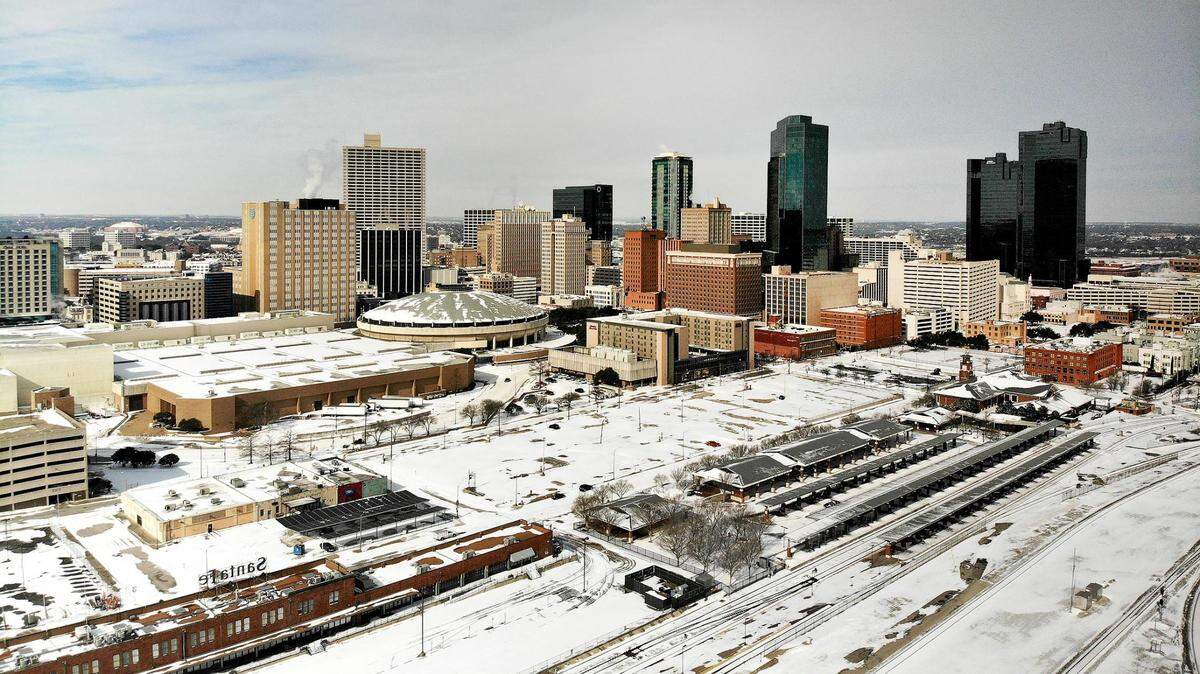
As winter weather hits North Texas, know the difference between hypothermia, frostbite
READ MORE
Ice Storm
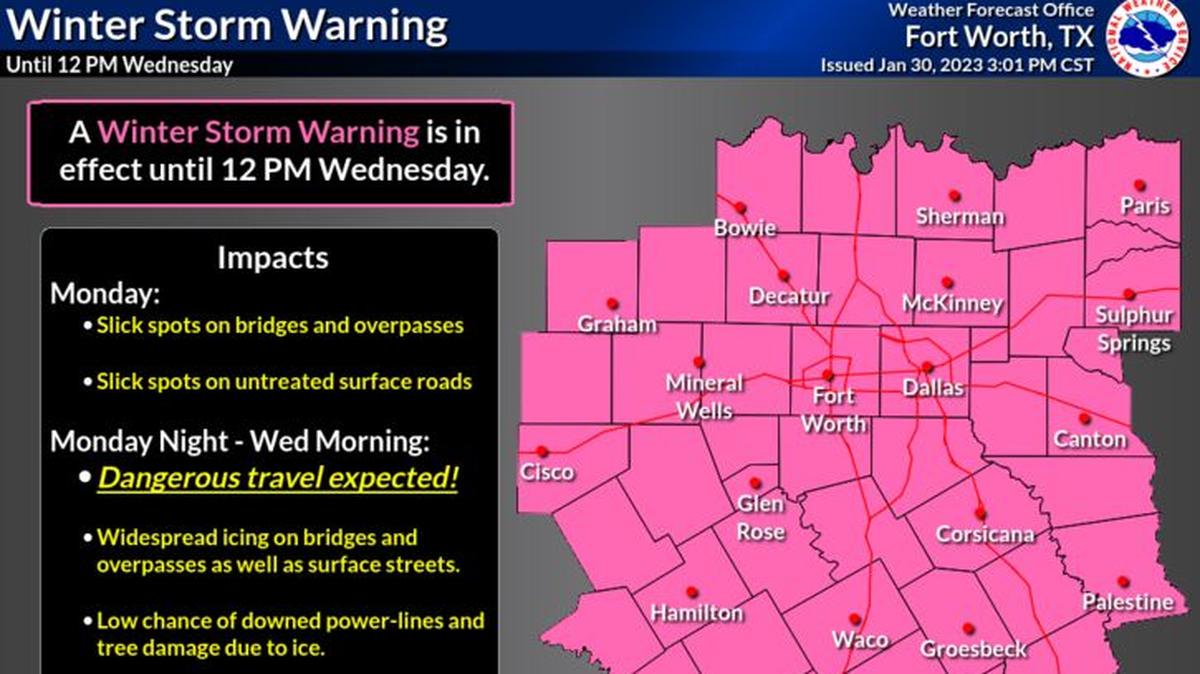
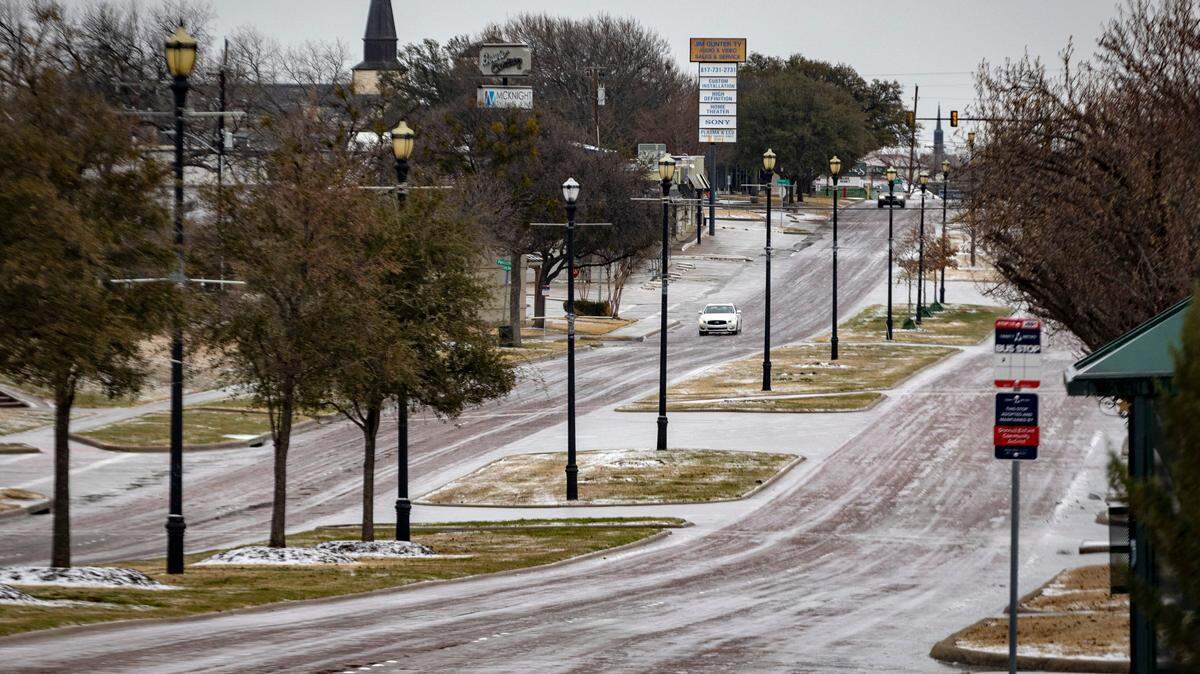
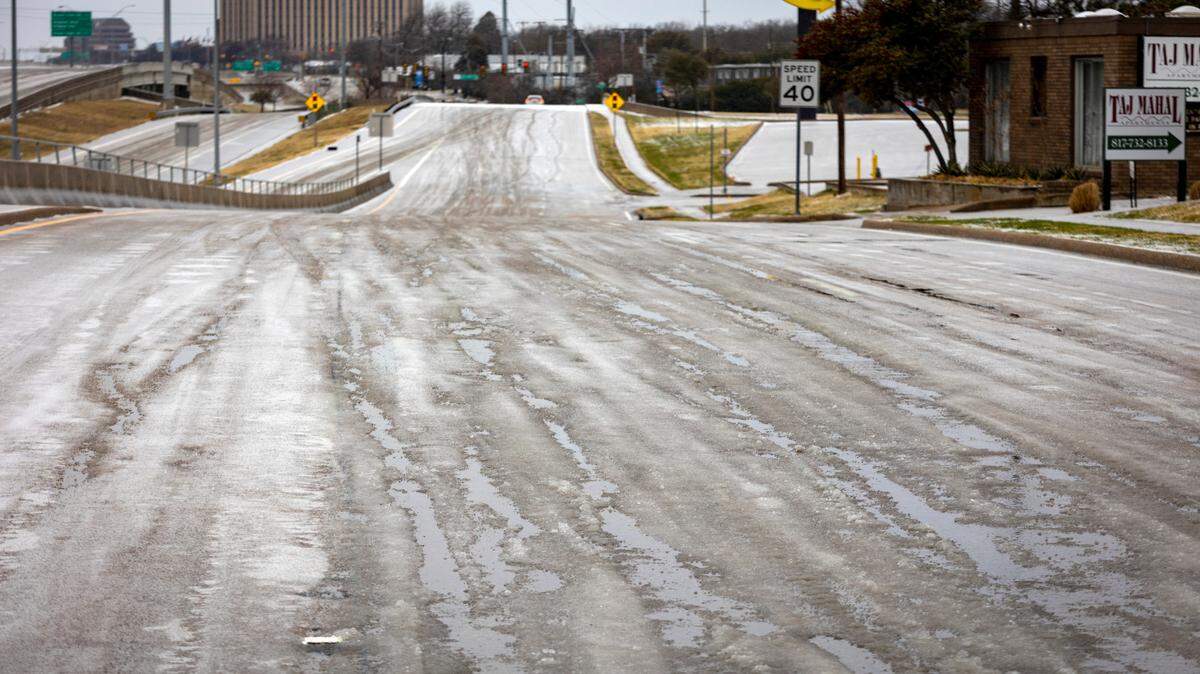
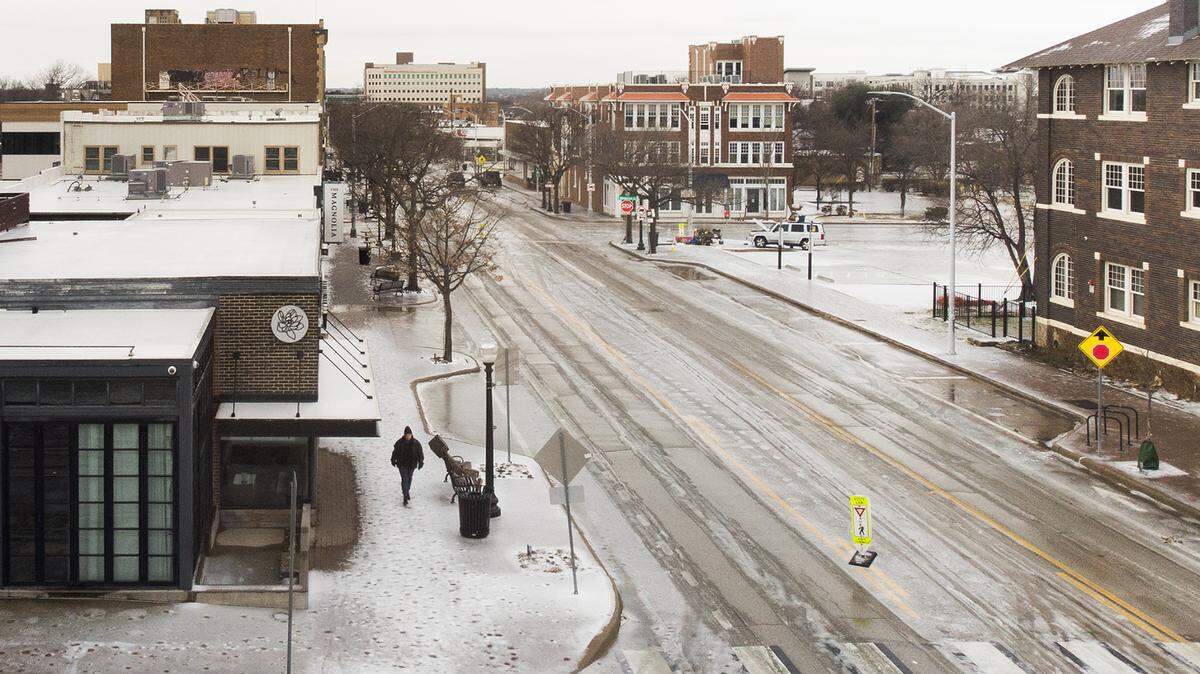
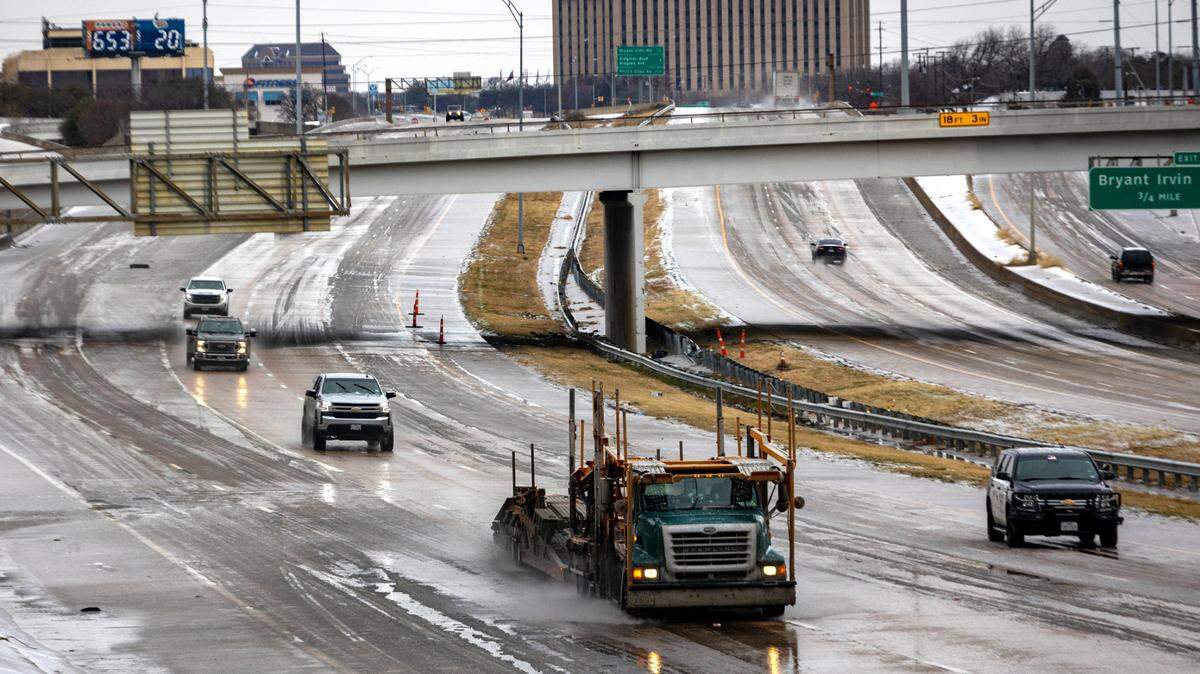
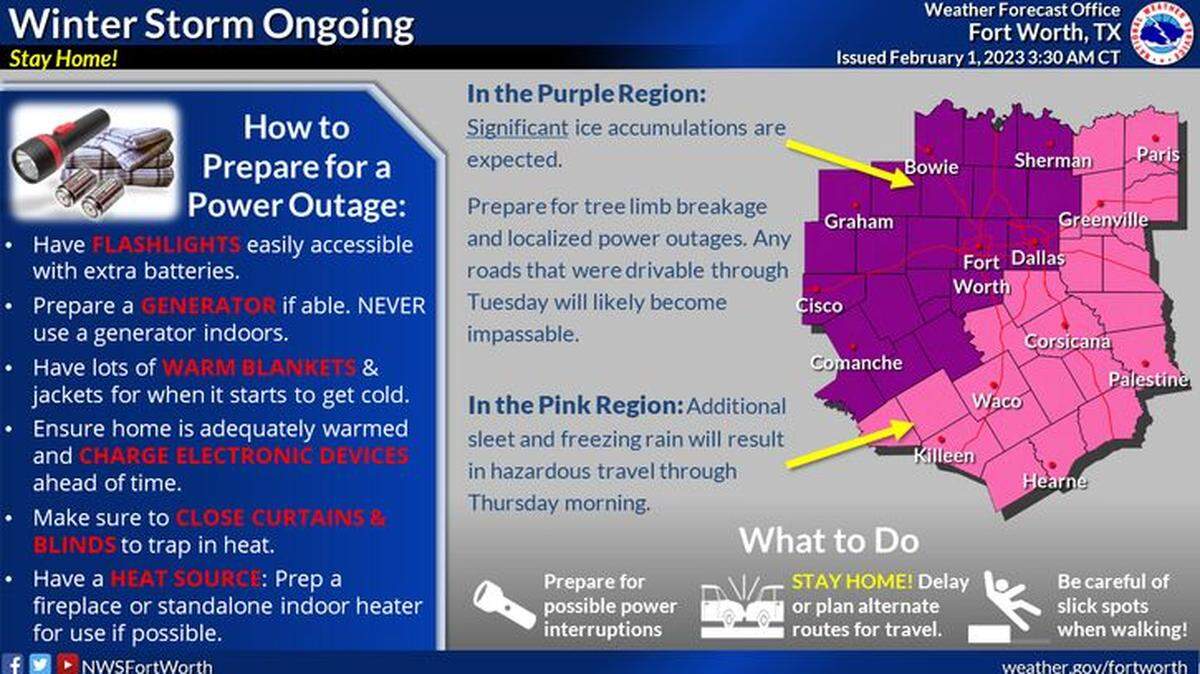
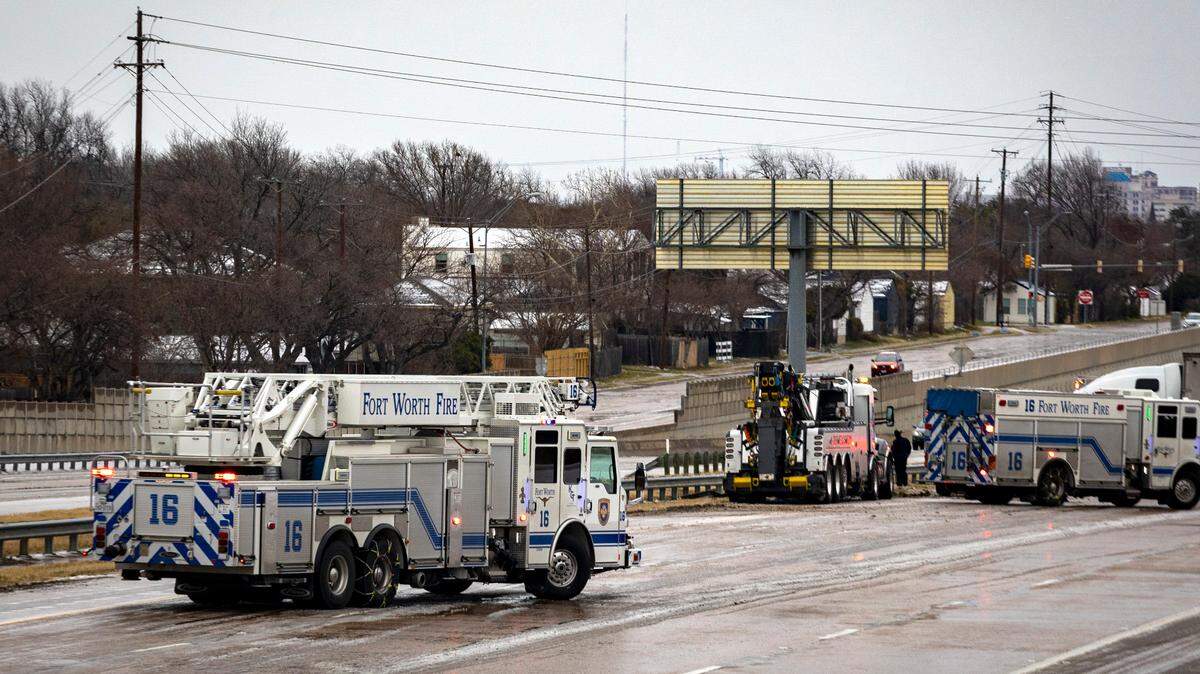
The National Weather Service issued winter storm and ice storm warnings for North and Central Texas until Thursday morning. Roads remained icy Friday. Here’s what you need to know to stay weather-aware.
Expand All
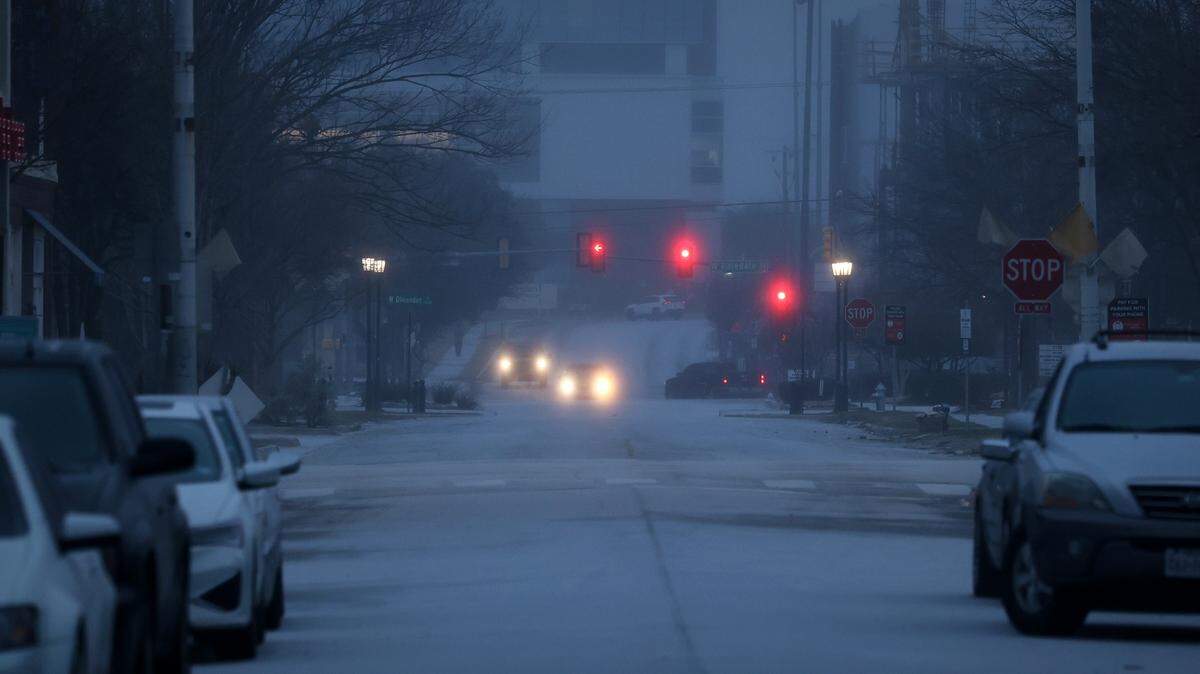
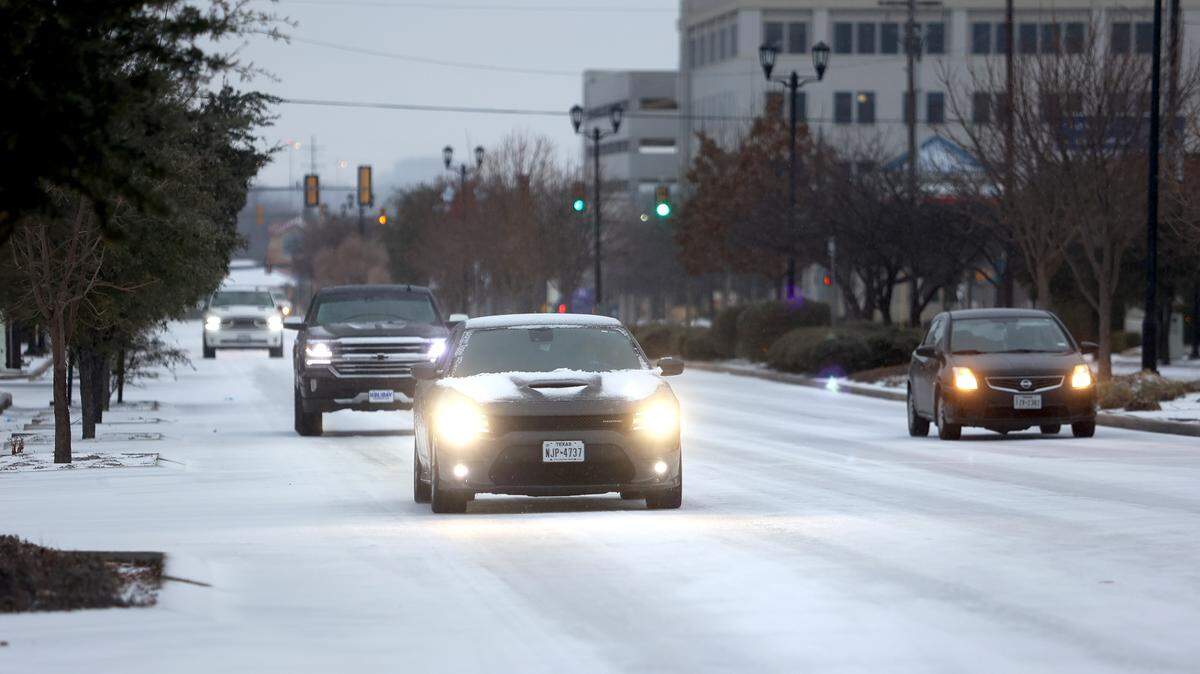
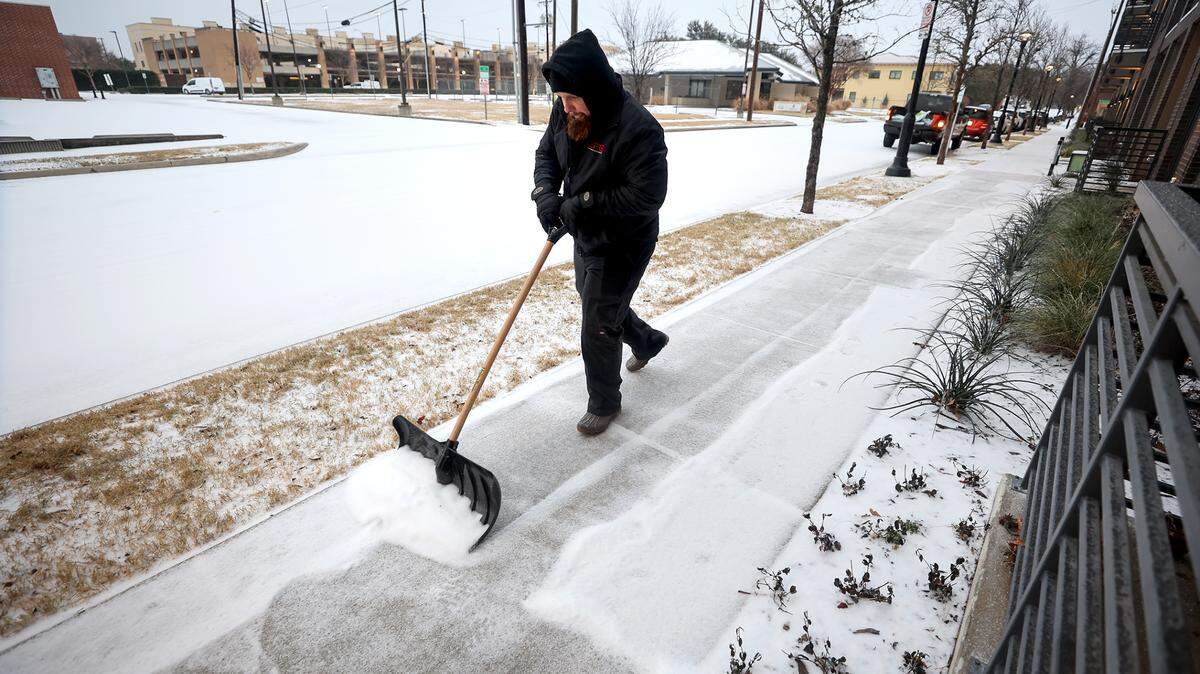
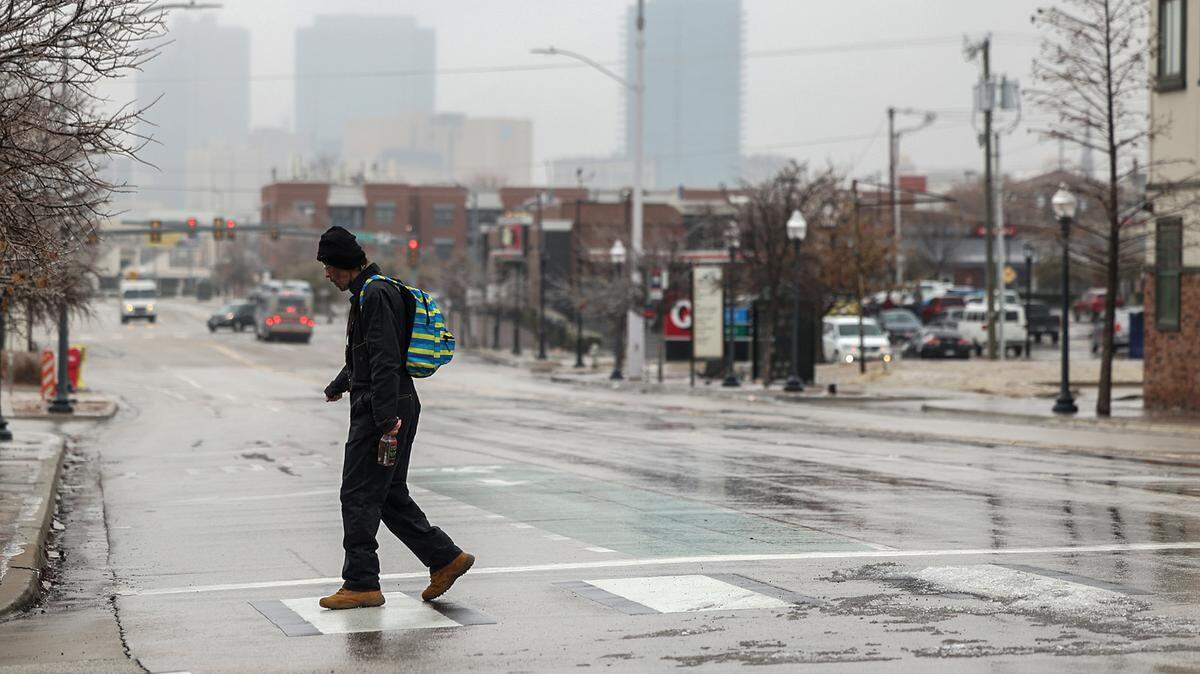
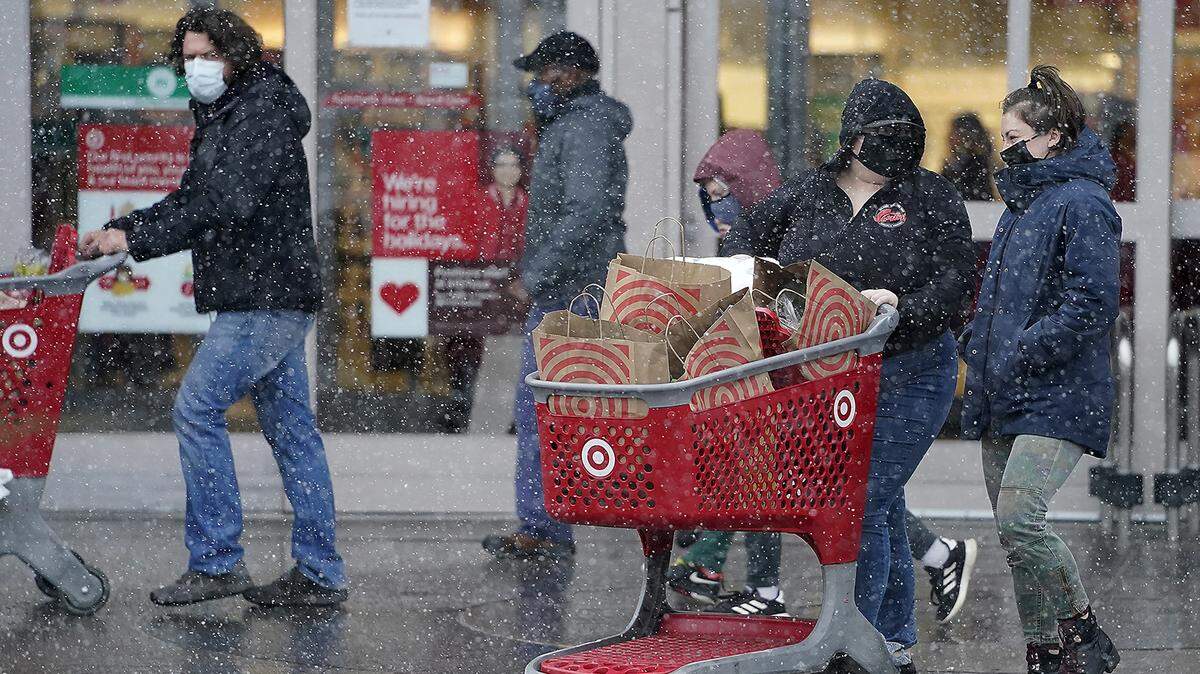
Temperatures in Fort Worth dropped below freezing as rain and a wintry mix impacted parts of North Texas Monday.
The National Weather Service has issued a winter storm warning for North and Central Texas until Wednesday morning.
As of 2 p.m. on Monday, MedStar responded to six hypothermia related calls, three of which were transported to area hospitals in serious condition, Chief Transformation Officer Matt Zavadsky said.
With temperatures in the mid 20s and wind chill in the 10s, here’s what to know about prolonged cold exposure.
Frostbite
Frostbite is damage to body tissue caused by extreme cold. Frostbite causes a loss of feeling and a white or pale appearance in fingers, toes, ear lobes or the tip of the nose, according to the National Weather Service.
Hypothermia
Hypothermia is brought on when body temperature drops less than 95 degrees and can be deadly.
One sign of hypothermia is shivering, although shivering is a sign that a person’s heat regulation system is still active, according to MedStar officials. As hypothermia progresses, shivering may stop.
Other signs of hypothermia in adults include:
- Slow, shallow breathing
- Confusion and memory loss
- Drowsiness or exhaustion
- Slurred or mumbled speech
- Loss of coordination, fumbling hands, stumbling steps
- A slow, weak pulse
In severe hypothermia, a person may be unconscious without obvious signs of breathing or a pulse, according to MedStar.
Protect against frostbite and hypothermia
Because the cold causes the body to lose heat faster, it’s important to stay warm during winter weather.
MedStar recommends taking the following steps to prevent frostbite and hypothermia.
- Wear insulated clothing including gloves and mittens, hats, scarves and snow boots
- Dress in several layers of loose-fitting clothing and cover your face and mouth if possible.
- Be aware of the wind chill factor—wind can cause body-heat loss
- Stay dry and, if you get wet, remove wet clothing immediately
- Limit your time outdoors and take breaks from the cold
- Do not ignore shivering—persistent shivering is a sign to go indoors.
This story was originally published January 30, 2023 at 1:42 PM.


.png)
.JPG)