This is why police used cadaver dogs in search for missing 6-year-old Everman child
READ MORE
The search for missing Everman, Texas, child Noel Rodriguez-Alvarez
Here is what’s known about the investigation and the events that police have pieced together so far.
Expand All
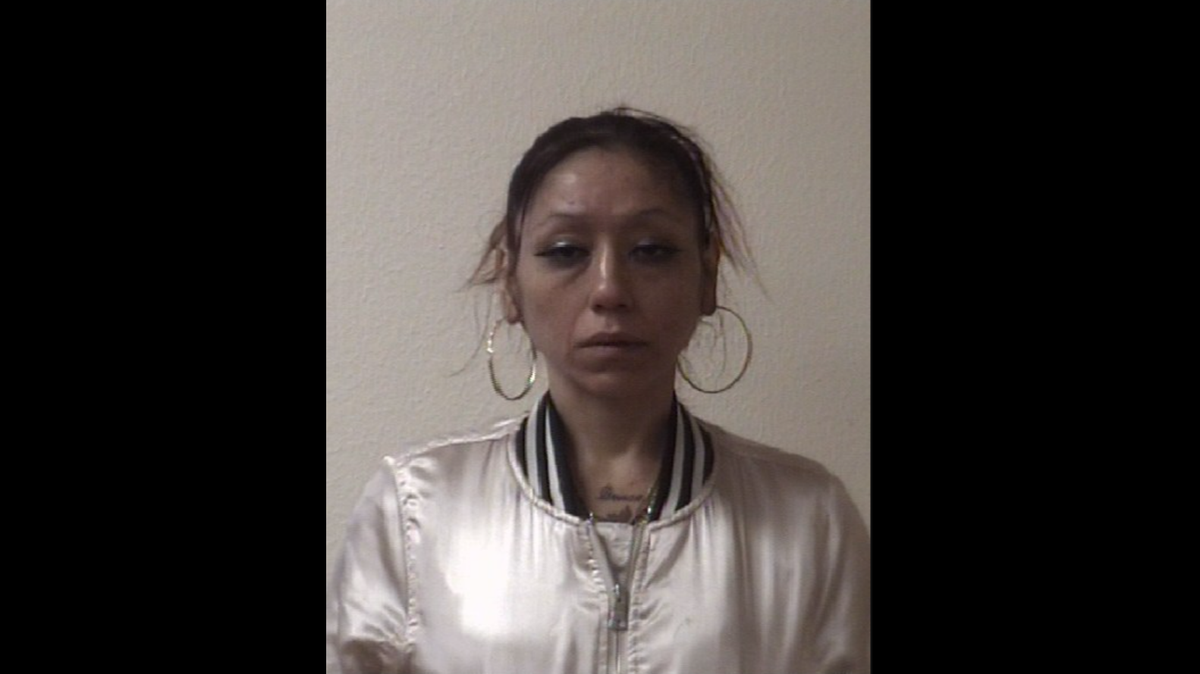
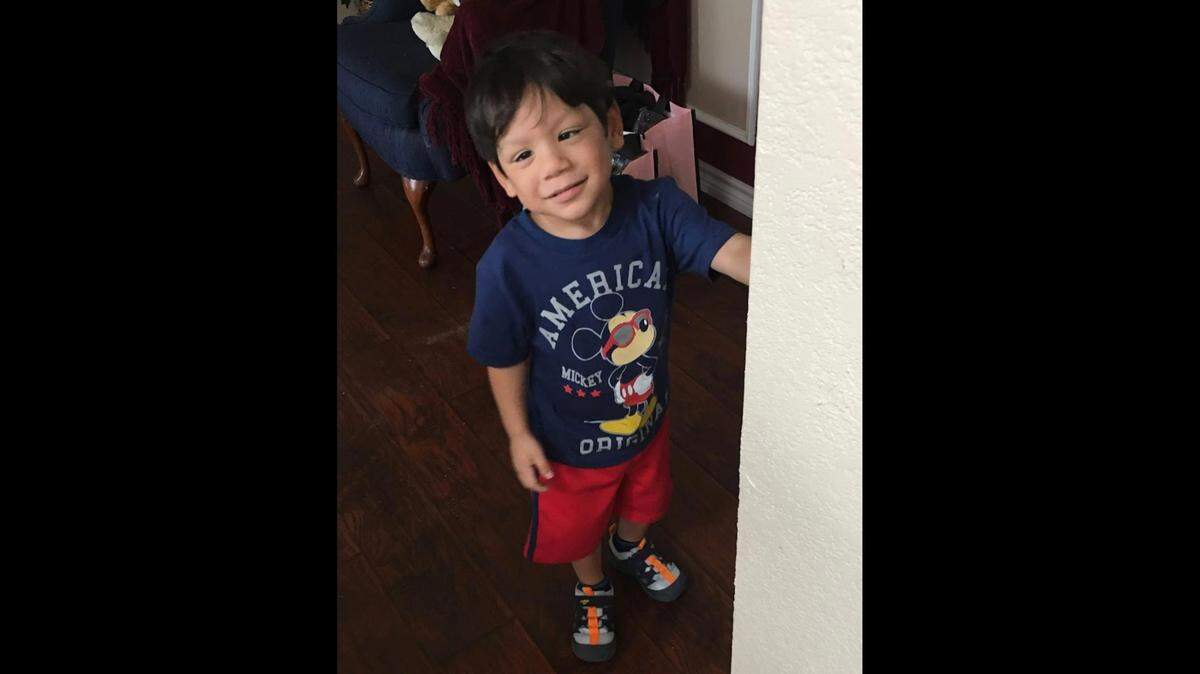
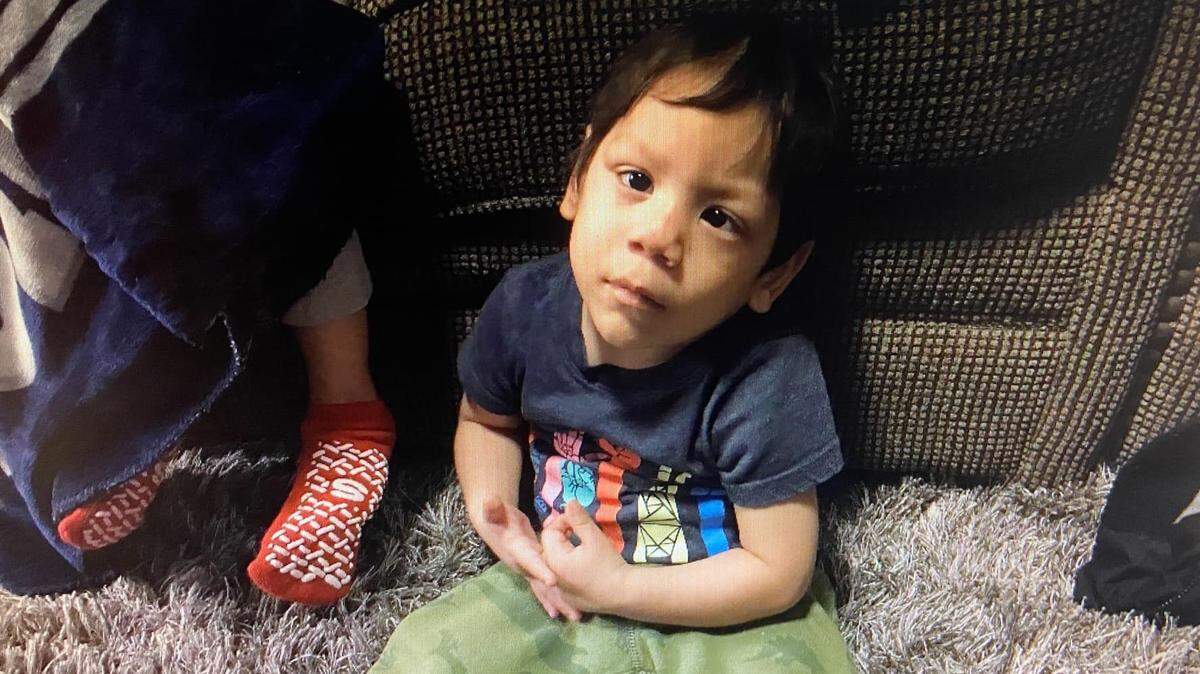
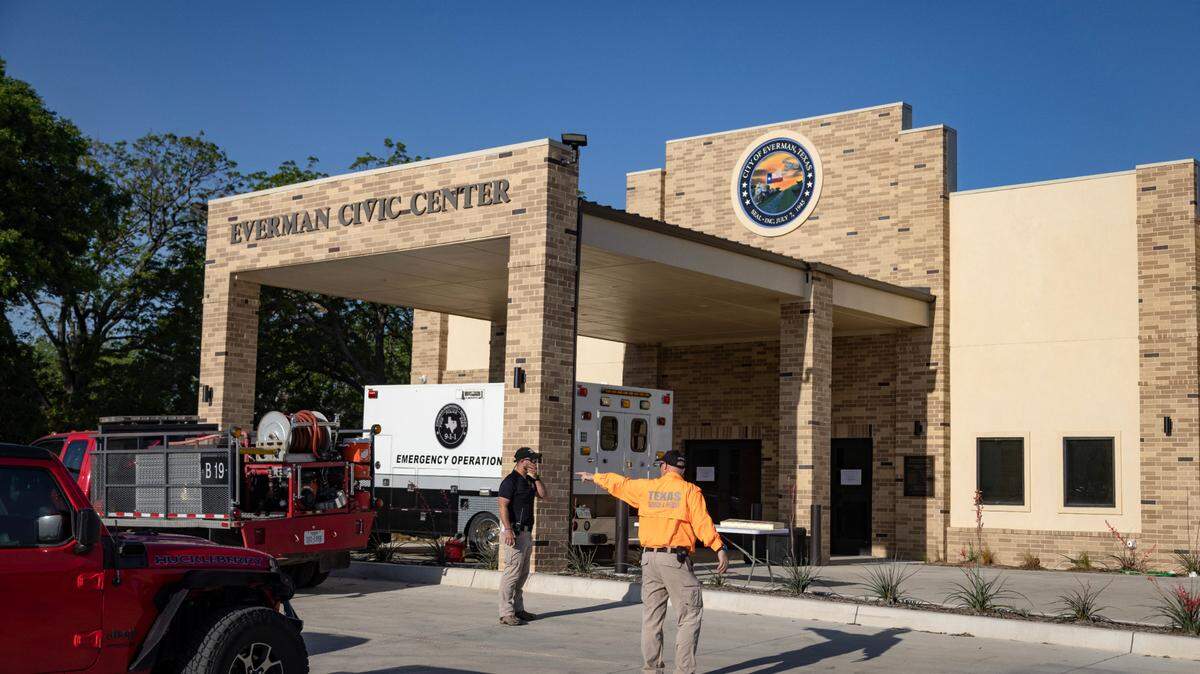
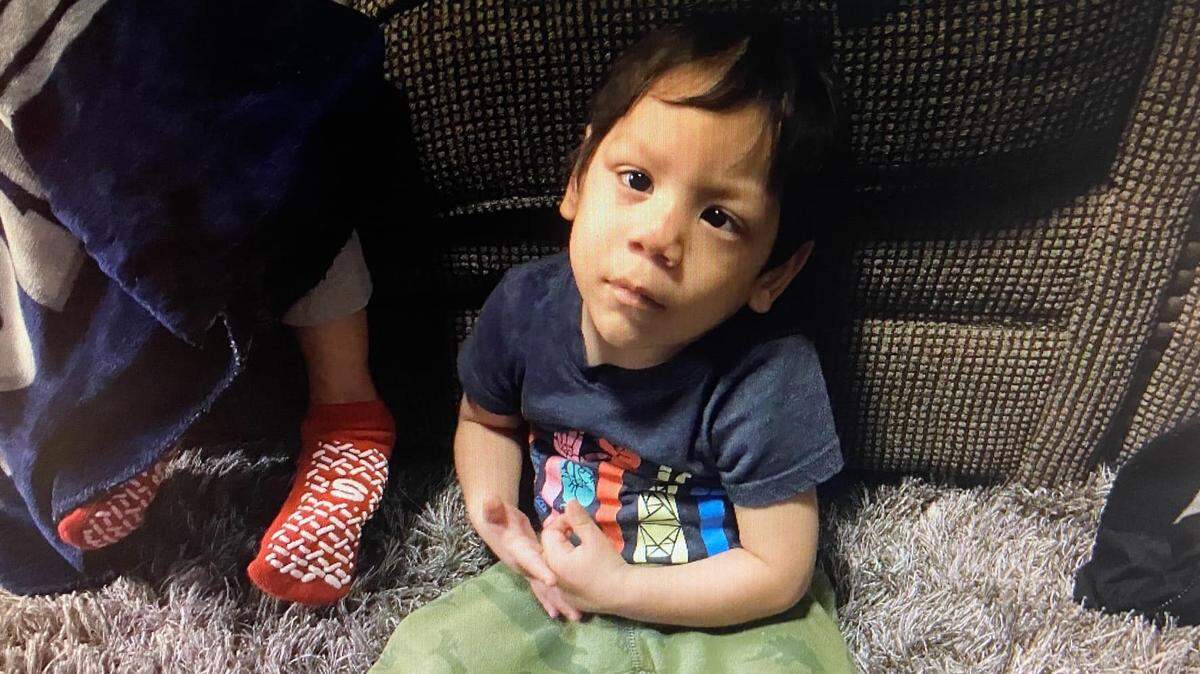
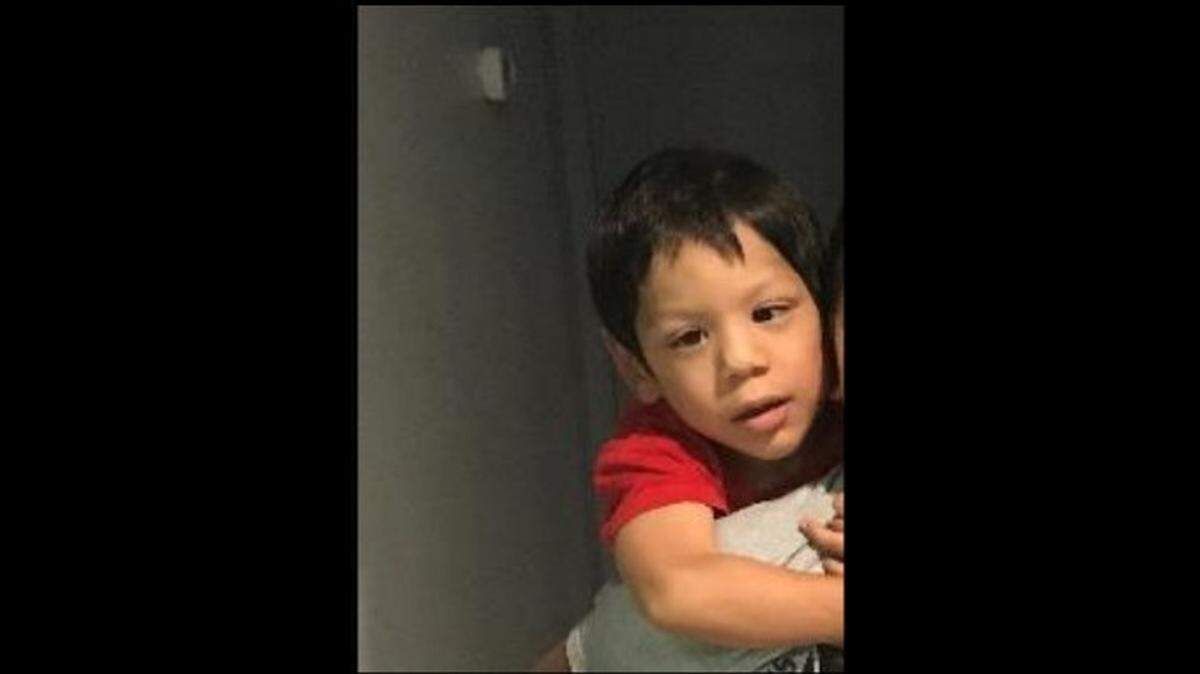
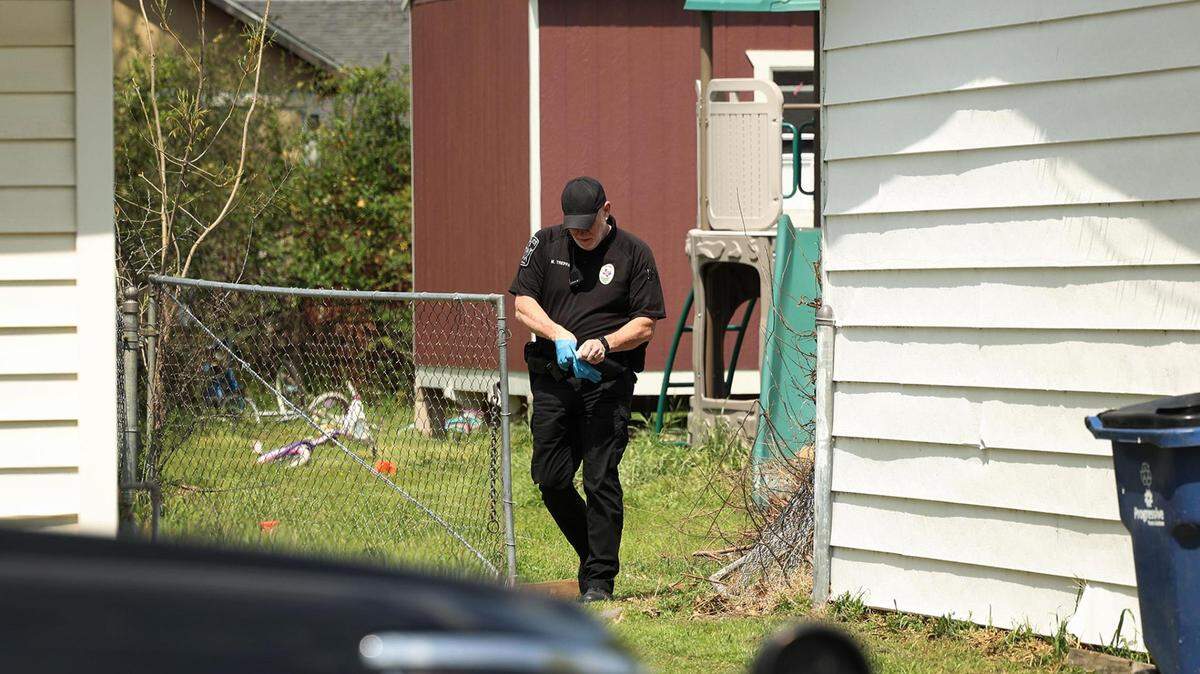
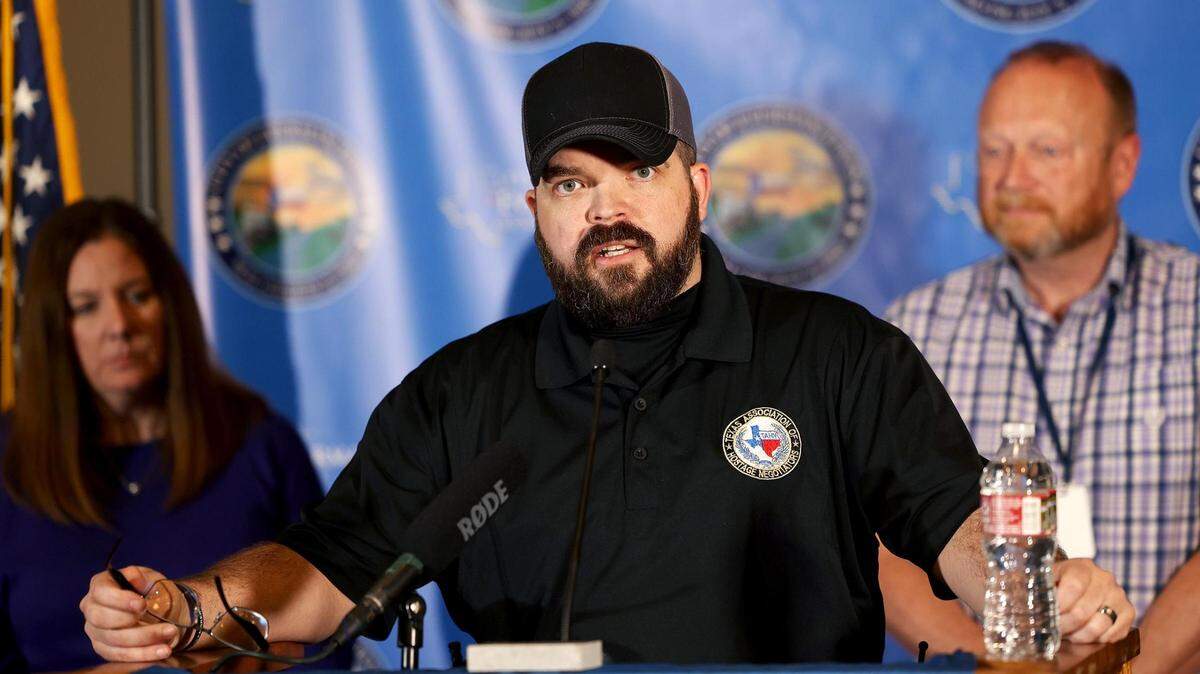
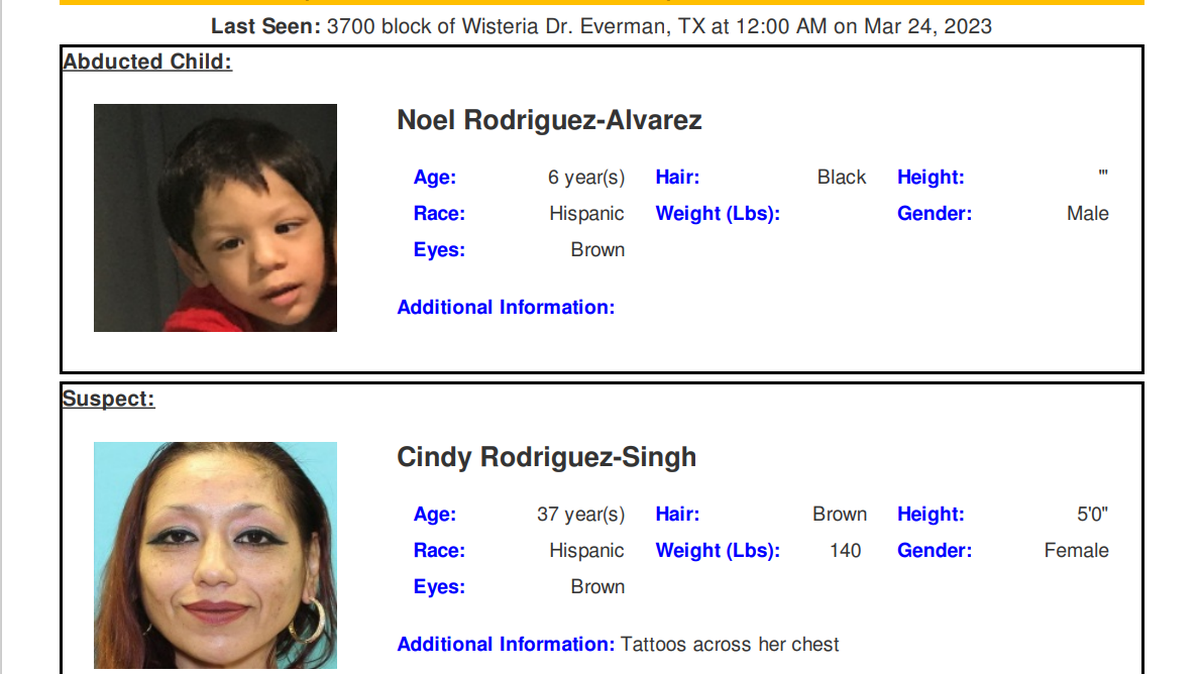
Police and members of the nonprofit first responder group TEXSAR brought out cadaver dogs on Tuesday in their search for missing 6-year-old Noel Rodriguez-Alvarez, who hasn’t been seen since November but was not reported missing until March.
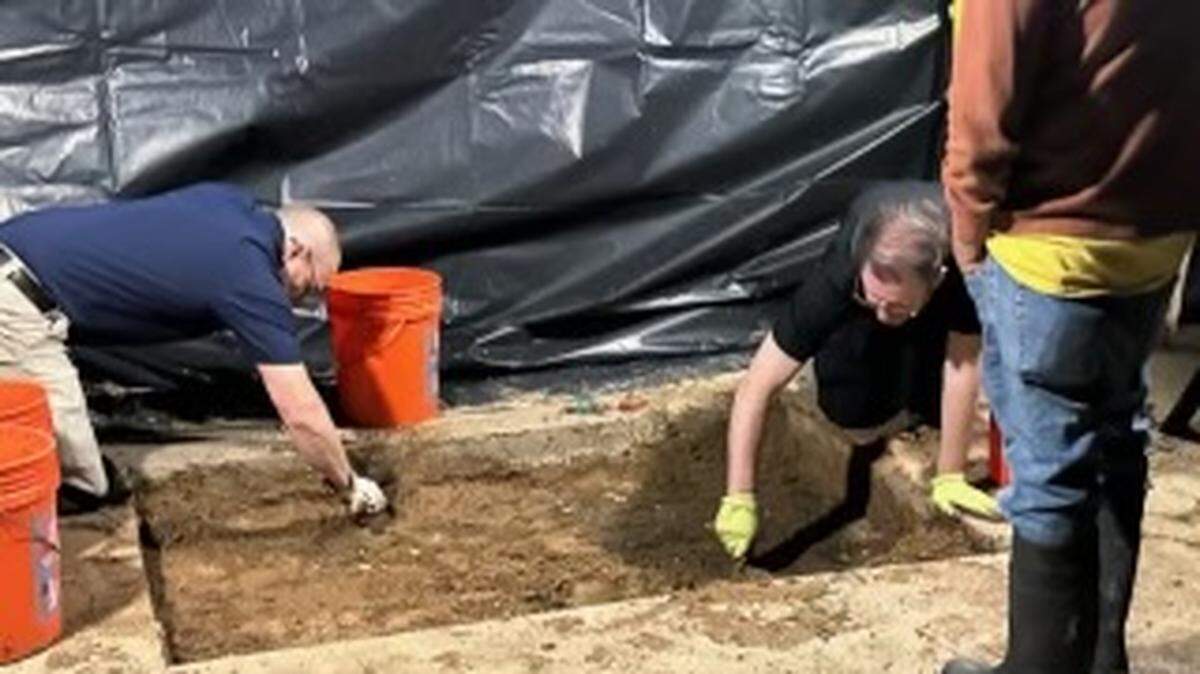
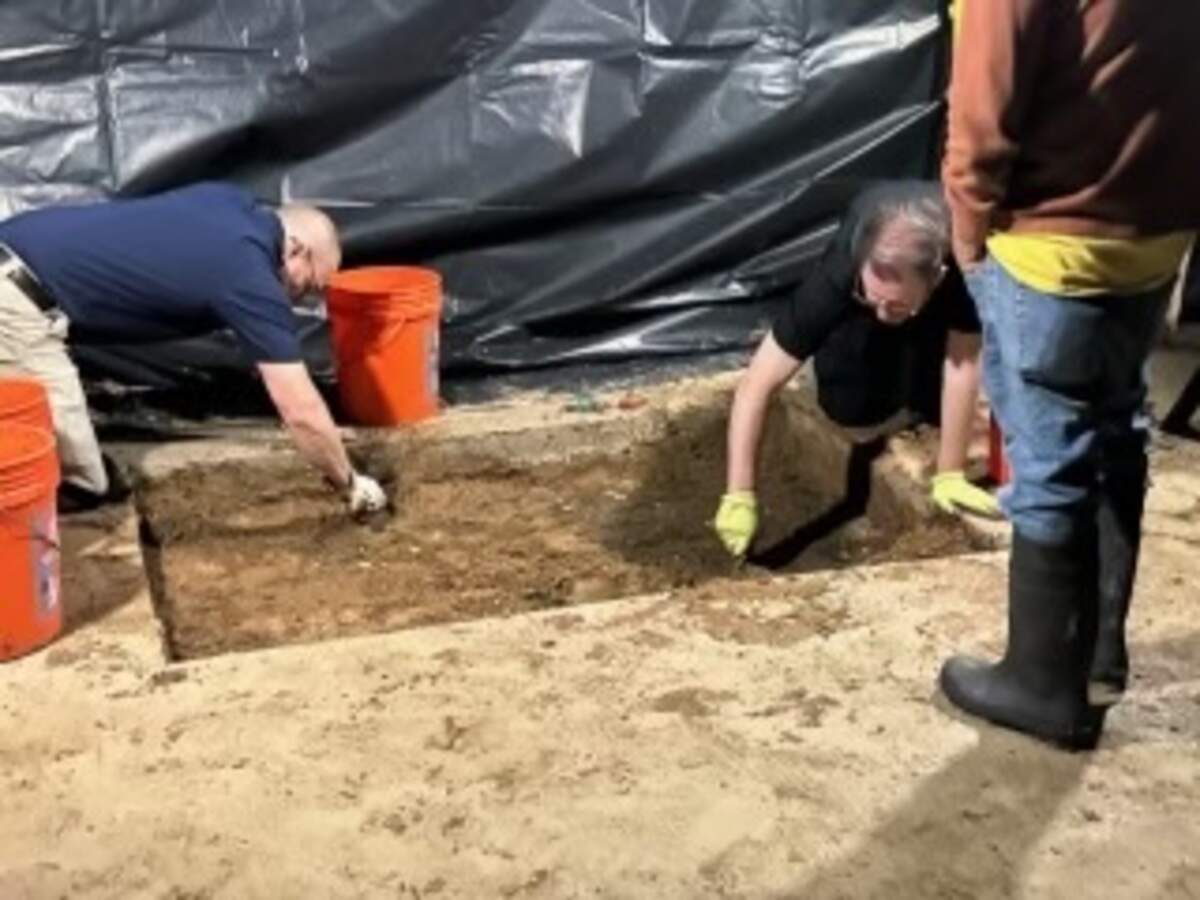
The cadaver dogs led investigators to an area in the Everman family’s back yard where authorities believe Noel’s body may have been kept. The boy is presumed dead but his remains have not been found.
What is a cadaver dog?
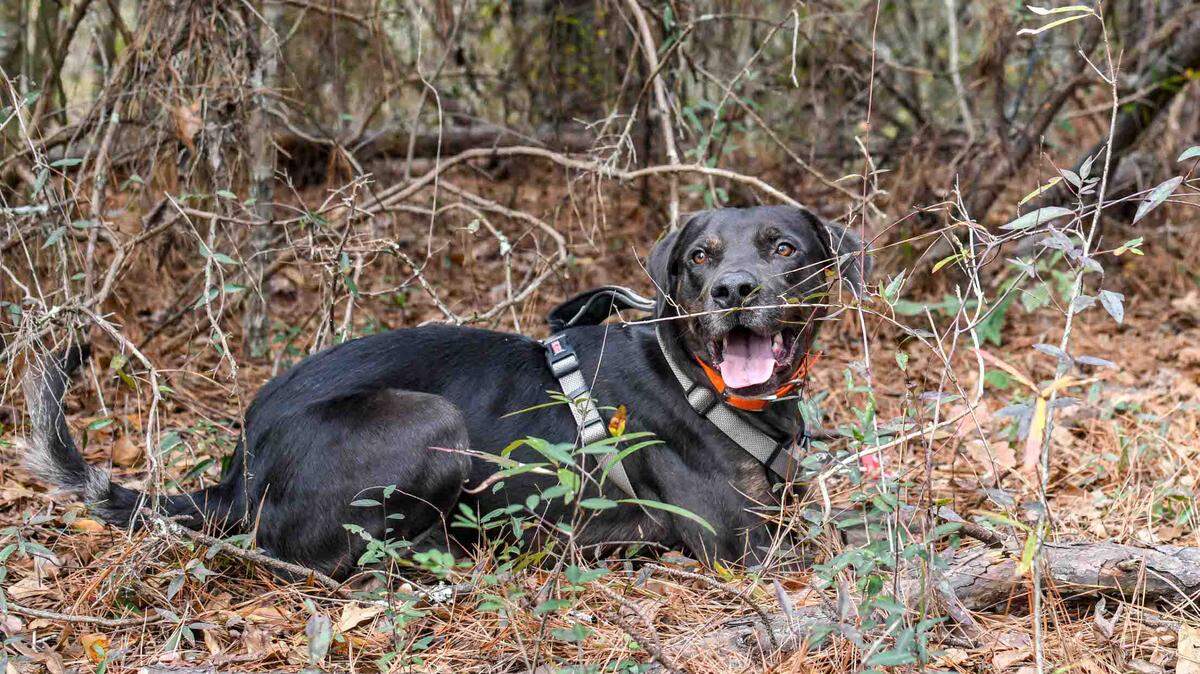
Cadaver dogs are trained to detect and track the scent of decomposing flesh to find dead people.
One of the first cadaver dogs — or “body dogs”— was a yellow Labrador retriever trained in the early 1970s by New York State Trooper Ralph Suffolk Jr., according to the American Kennel Club.
Are cadaver dogs the same as search and rescue dogs?
Although cadaver dogs track scent, they are different from search and rescue dogs, which are trained to find living people.
What breeds are used as cadaver dogs?
In a study published by the National Library of Medicine, researchers found the four most common breeds trained to be cadaver dogs are Malinois shepherd, German shepherd, English spaniel and Labrador retriever.
The researchers concluded that there is not a standard procedure applied to selecting a cadaver dog from a litter, however, agility and stamina are the most important traits.
How are cadaver dogs trained?
Training aids used for cadaver dogs include corpse scent from a bottle, decomposition residue at the scene, official sources from the medical examiner or doctor, and bloody dressings.
How successful are cadaver dogs?
Cadaver dogs can pick up the scent of human remains within minutes or years of a death, according to the American Kennel Club. In some studies, the dogs were able to pick up 25-year-old skeletal remains buried in an area of 300 by 150 feet, according to the kennel club.
In recent years cadaver dogs have also been used for historical work to find unmarked graves of people who died hundreds of years ago.
This story was originally published April 12, 2023 at 12:11 PM.