1 in 3 Fort Worth schools at risk of measles outbreak. What’s behind vaccination decline?
READ MORE
Measles in Texas
Tarrant County has confirmed its first measles cases. Follow our reporting on the Texas outbreak.
Expand All
Note: This story originally published in November 2024. Since then, more than 300 measles cases have been reported in Texas’ South Plains as of March 21, with 40 hospitalizations and one death. The state updates case numbers here.
Measles vaccination rates have dipped so low in Tarrant County that about one-third of elementary schools could not prevent an outbreak if a child came to school while infected, according to a Star-Telegram analysis of school vaccination data.
A review of vaccination data shows that vaccination rates for kindergartners have declined in Tarrant County in the last five years, particularly in the Fort Worth school district, the county’s largest. Fewer kindergartners in the Fort Worth district are up-to-date on the measles-mumps-rubella vaccine, from 96% of students in the 2019-20 school year to 84% in the 2023-24 school year.
But the rate varies widely depending on the school. At one Fort Worth campus, less than half of all kindergartners were fully vaccinated. At five schools, all students were vaccinated.
“The risk of an outbreak goes up, and it goes up fast, as the percentage of people who are vaccinated goes down,” said Dr. Eric Toner, a senior scholar at the Johns Hopkins Center for Health Security.
At vaccination rates of 90% or below, data indicates the chance of an outbreak at a school rises to 51%. As the rate dips further below 90%, a measles outbreak becomes more and more likely if a child with measles comes to school while infectious.
But Fort Worth’s decline can’t be blamed on any one reason or group of people. Most of the children who aren’t vaccinated have not requested an exemption to stay in school without getting the shots.
These kids are in a sort of no-man’s-land under Texas law. Technically, students must be up-to-date on their vaccines or have a valid exemption to attend school in Texas. State law allows children to be unvaccinated for medical reasons — such as an allergy to a vaccine ingredient — or for reasons of conscience.
Is a measles outbreak likely?
The initial months of the COVID-19 pandemic, and the years that followed, saw kids missing checkups and other routine medical care, an increase in school absenteeism, a first-of-its-kind culling of children on the state’s Medicaid health insurance rolls, and shifting views about vaccines and science more broadly. All these factors, and more, likely influenced the dip in Fort Worth vaccinations, vaccine providers and researchers said.
“It’s honestly not the fault of any one thing,” said Anita Colbert, treasurer of the Immunization Collaboration of Tarrant County and a longtime public health nurse.
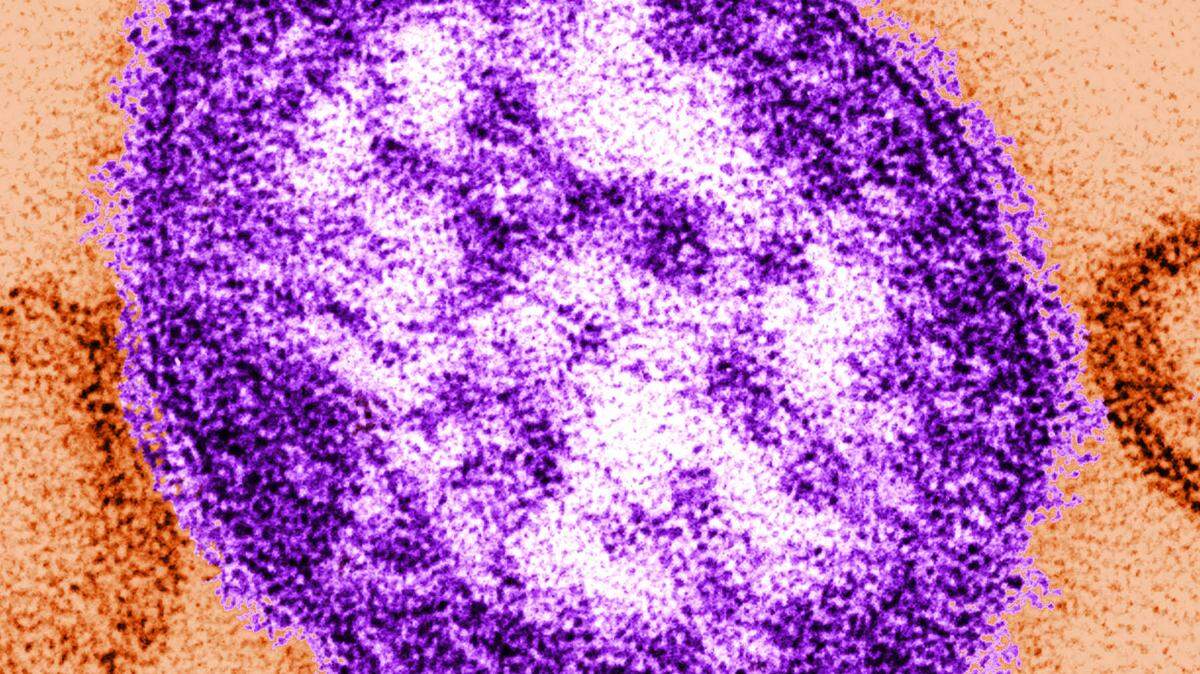
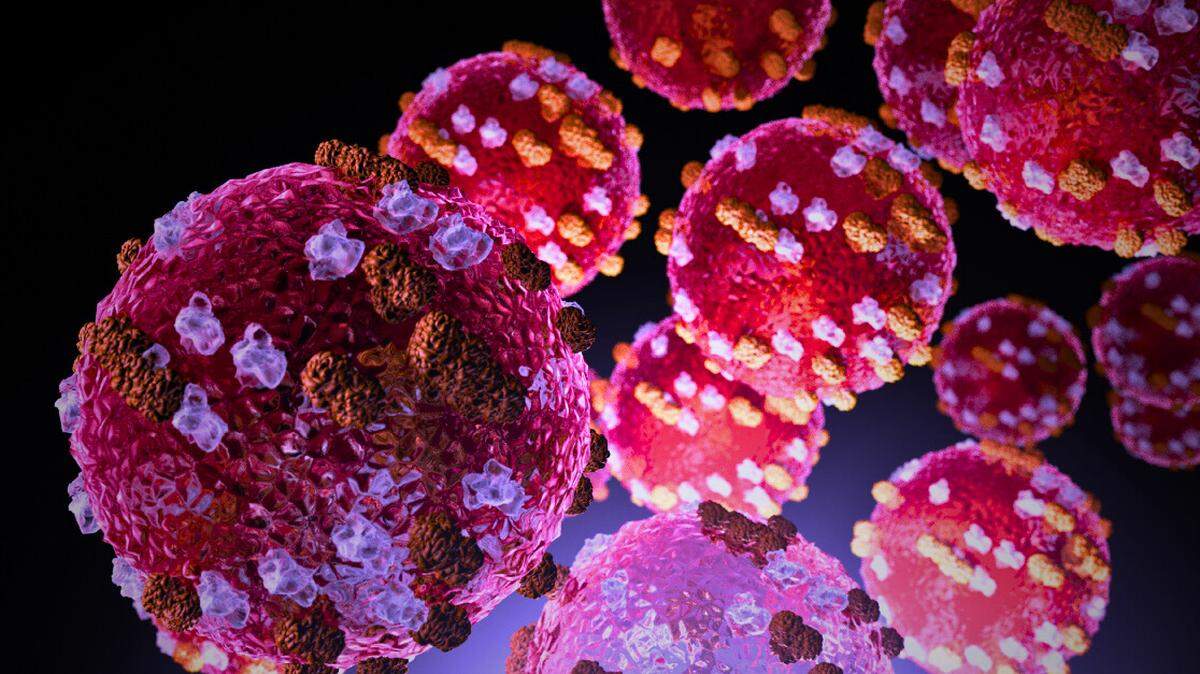
Although the drivers of the decline aren’t obvious, the risk is. Measles is the most contagious respiratory virus and spreads easily among people who are unvaccinated. A single infected person led to an outbreak of at least 20 people at a church in Tarrant County in 2013. The best protection for any community is provided through a measles-mumps-rubella (MMR) vaccination rate of at least 95% of the population, Toner said.
That doesn’t mean that all schools in Tarrant County with low vaccination rates are going to have outbreaks.
“The chance that measles will be introduced into any campus in any community is low,” Toner said.
But, he added, although the chance is small, it could happen anywhere.
BEHIND THE STORY
MOREHow we did this story
The Star-Telegram is reporting on vaccines to understand why Tarrant County is seeing a decline in routine childhood vaccinations. The Star-Telegram filed 53 public records requests to get data on the vaccination rates for every school district in Tarrant County, plus the other large districts across the state. Four local districts — Arlington, Godley, Hurst-Euless-Bedford, and Carroll — said they either didn’t collect vaccination data at the campus level or that they would not provide it under the public information act. This reporting was supported by the Association of Health Care Journalists’ Health Performance Fellowship.
Vaccine data in Tarrant County
The Star-Telegram analyzed vaccination data for all campuses in Tarrant County with a kindergarten class. We focused on the measles-mumps-rubella vaccine, but vaccination rates for other illnesses, such as polio and chickenpox, also declined. The U.S. Centers for Disease Control and Prevention recommends children get their first dose of the MMR vaccine when they are 12 months old, and the second dose when they are between 4 and 6.
It’s important to note that this is only a snapshot of vaccination rates. It’s possible that some of the children who were unvaccinated at the time the data was collected have since been caught up and received the recommended vaccines. But the school data is the best window available into childhood vaccination rates, because Texas law limits the publication of vaccination information.
Across all Tarrant County’s schools, the MMR vaccination rate dropped from almost 96% to 92% in five years. These vaccination levels do not include students who are homeschooled and only include a portion of students in private schools.
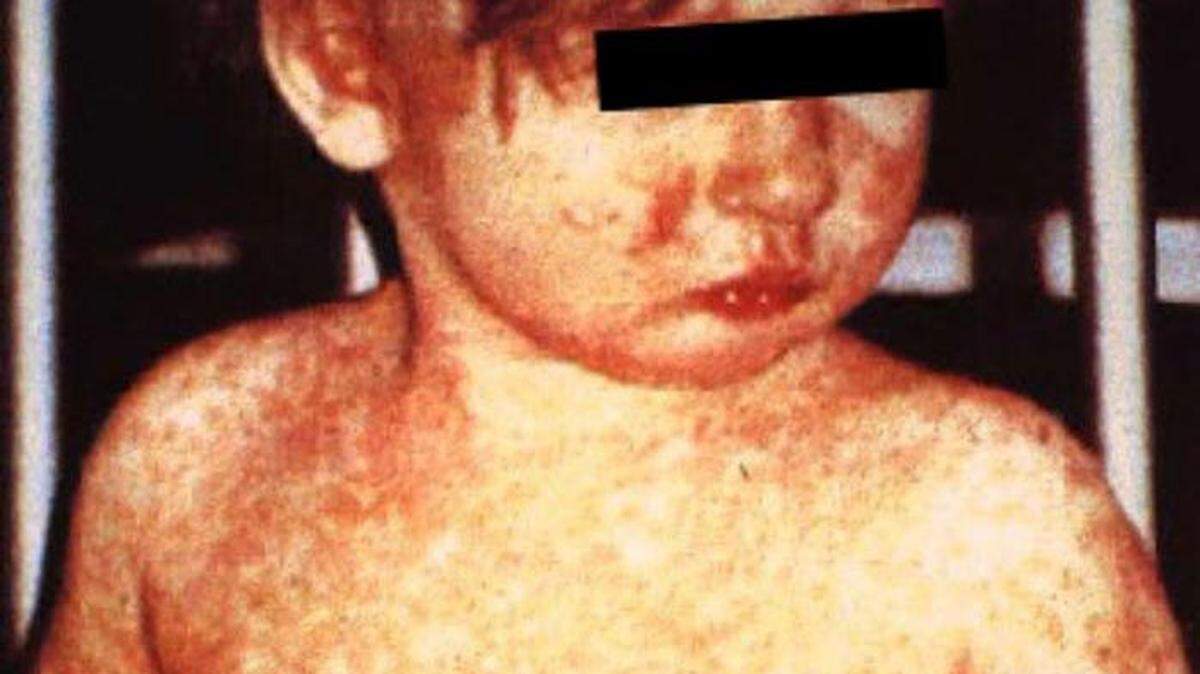
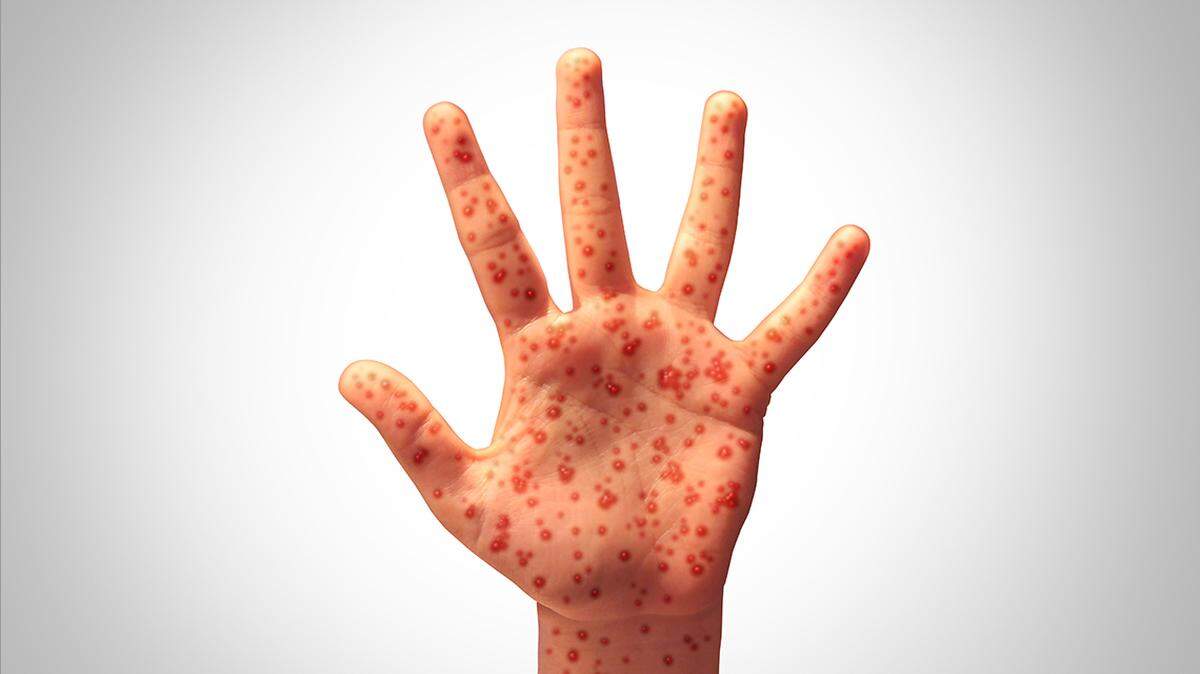
For every 1,000 children who get measles, one child will develop acute encephalitis, which can result in permanent brain damage, and between one and three children will die from complications, according to the CDC. During one of the worst outbreaks in recent history, in Samoa, the measles virus infected 5,707 people and killed 83.
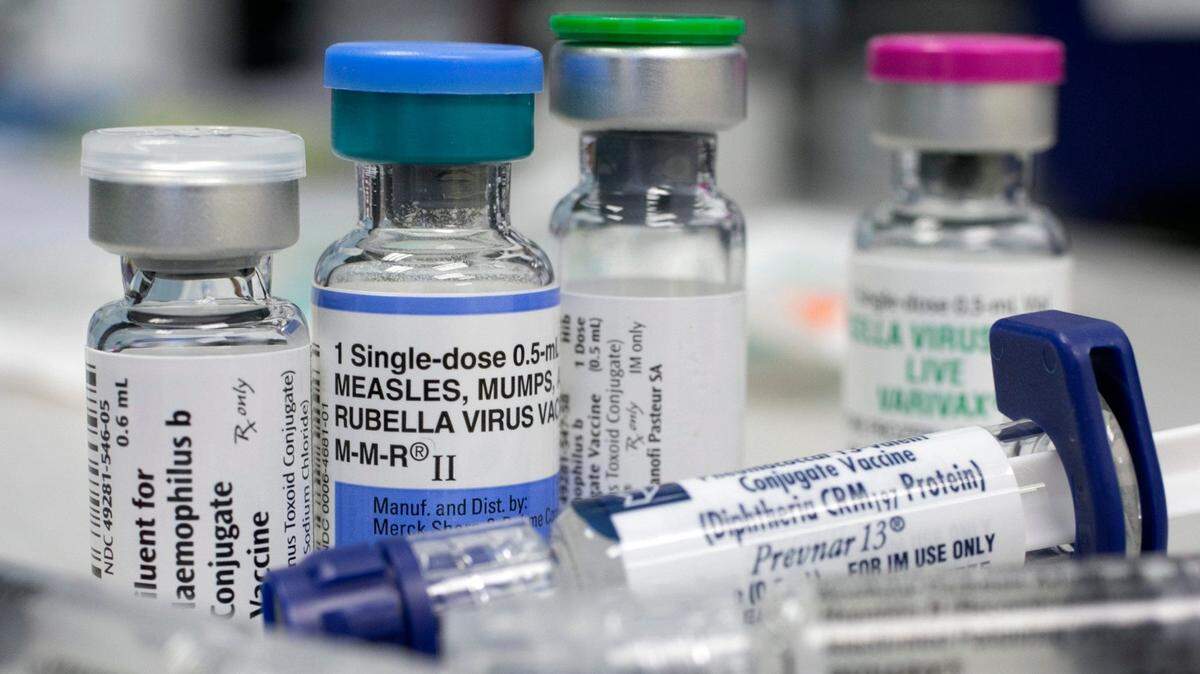
The MMR vaccine is highly effective, although not perfect, at preventing infection. The vaccine itself has a small risk of side effects: For every 10,000 people who get the MMR vaccine, 0.035 will have serious allergic reactions, according to vaccine safety data.
Measles was declared eliminated in the U.S. in 2000. But in recent years, the number of outbreaks in the U.S. has grown as vaccination rates have declined. So far this year, there have been 16 outbreaks across the U.S. Of all U.S. residents who have been infected this year, the majority have been children under 5, and 40% have been hospitalized, according to the latest data.
What’s causing the vaccination decline?
COVID-19 caused a massive disruption in routine pediatric care, including vaccinations. But the decline in Fort Worth’s school district is bigger than its peers in Tarrant County and many across the state.
“When I see the delinquency rate for kindergartners, I don’t think vaccine hesitancy,” said Dr. Christina Robinson, an associate professor at the University of North Texas Health Science Center’s medical school. Robinson is also the director of UNT HSC’s pediatric mobile clinic, where she treats thousands of kids who don’t have health insurance or who face other barriers to care.
Robinson said it’ll take more research to understand why fewer kids are vaccinated.
“Was it truly that they had a shift in perception of vaccines, or was it a lack of access?” she asked.
In Tarrant County, 16 school-based health clinics that previously provided vaccines and other basic care to kids closed when schools shut their doors in 2020. They never reopened. Five of those were in the Fort Worth school district.
“I think the problem is access to care here in Tarrant County,” said Hollie Smith, the director of health services for the Eagle Mountain-Saginaw school district. Smith, who is also the president-elect of the Texas School Nurses Organization, pointed to the closure of the school-based clinics and the removal of kids from the Texas Medicaid program as two barriers to care for students.
Erin Beasley, the head of Tarrant County Public Health’s immunization division, also noted that Dallas-Fort Worth has seen an influx in refugees in the last several years, many from countries with less stringent vaccination requirements. Getting those students caught up on their vaccines takes time, she said.
Both Beasley and Smith noted that students are not considered fully vaccinated until they’ve received all vaccines in a series, so if a child has received a first dose of the MMR vaccine but not the second, they would not be counted as up to date.
Dr. Alice Phillips, the director of ambulatory quality and safety at Cook Children’s Health Care System, said that, despite the declining vaccination rates, she believes vaccine hesitancy is the main driver of lower vaccination rates. Cook Children’s is the largest provider of inpatient medical care for kids in Tarrant County, and its neighborhood clinics distribute thousands of vaccines a year.
“Parents have lots of places they can get vaccines,” she said. “This is a much more complex issue than just having access.”
To respond to the dip in routine vaccinations, Phillips said, Cook Children’s has increased education for its doctors and other medical staff so they can recognize a case of measles.
“We are preparing for diseases that we haven’t seen in a while,” she said.
Fort Worth ISD among lowest vaccinated in Texas
Fort Worth’s school district is one of the lowest vaccinated school districts in the state. Of the 10 largest school districts in Texas, only Austin’s is worse, with 83.7% of its kindergartners vaccinated.
The Fort Worth district’s low overall vaccination rate masks even lower rates at some schools.
At Carroll Peak Elementary School in the Hillside neighborhood southeast of downtown Fort Worth, just 49% of kindergartners had received their MMR vaccine at the beginning of the school year. Almost all students at the school are considered “economically disadvantaged” by the state, meaning that they qualify for free or reduced-price lunch.
At Oakhurst Elementary School in the Riverside area, only 58% of kindergartners were vaccinated at the start of last school year. Like students at Carroll Peak, the majority of children at Oakhurst are economically disadvantaged.
Another nine Fort Worth elementary schools reported less than 70% of children having received the measles vaccine last year, the Star-Telegram found.
Shannon Cooper, the director of health services for the Fort Worth school district, said she expects vaccination rates to improve during this school year. The district has increased its communication with parents and families, she said, and the district has partnerships with the county health department, Robinson’s pediatric mobile clinic, and other providers.
A former school district employee said district leaders were unwilling to enforce vaccination requirements after the pandemic and risk turning kids away from classrooms. The employee spoke on condition of anonymity so he could speak candidly about the district without hurting future job opportunities. The Star-Telegram verified the employee’s identity and his work history with the district.
The district’s health services division, responsible for overseeing vaccination requirements among other health initiatives, is “kind of the red-headed stepchild of the district,” he said. He said the division didn’t receive support from the school district’s administration, which is part of why the district’s vaccination rate has steadily gotten worse over the last five years.
In Texas, schools are funded based in part on how many students are actually in classrooms, not on the number of students who are enrolled. Enforcing vaccination requirements, and turning away students who are unvaccinated and don’t have an exemption, could not only slow student learning, but also cost school districts money, the former Fort Worth district employee said.
Although Fort Worth’s school district agreed to an initial interview to discuss childhood vaccinations, the district’s press office did not respond to requests for comment on the former employee’s allegations that district leaders had de-prioritized vaccine requirements.
An uptick in conscientious exemptions to vaccines
Since the pandemic, there has also been an increase in families asking for conscientious exemptions for their children.
In Texas, parents must get an affidavit notarized to have a valid conscientious exemption for their child.
The number of Tarrant County kindergartners with an exemption to at least one vaccine increased from about 3% before the pandemic to 4.35% last year, according to state data. That puts Tarrant County above the national rate of 3.3%, reported by the CDC.
The COVID public health emergency, and polarizing opinions about the COVID vaccine, have shifted some Americans’ views on public health more broadly, including some parents’ opinions on childhood vaccines. But even an increase in exemptions should not be interpreted as a clear indicator of vaccine beliefs, researchers said.
“We don’t actually know how much of these conscientious exemptions are motivated by extreme hesitancy versus, in some cases, convenience,” said Dr. David Higgins, a pediatrician and professor at the University of Colorado’s medical school.
For some parents, getting an exemption might be easier than getting their child a vaccine. Higgins said the U.S. needs a better system for understanding why some families might refuse or delay childhood vaccinations, so doctors and public health workers can better respond to the specific questions or concerns driving hesitancy.
How public health is responding
Getting kids caught up, and getting the Fort Worth district’s vaccination rates back to pre-pandemic levels, won’t be a simple task.
At Tarrant County Public Health, Beasley said, her team is increasing its outreach to schools with low vaccination rates. For those schools, Beasley has to ask herself two questions: First, what education do parents need so they can make the best decision for their children’s health? And second, how can the health department make the vaccine available?
For some campuses, that might mean extended hours at a clinic to get shots. For others, she said, that might mean they need vaccine providers to go into the schools and offer vaccines on campus.
“I think we’re going to have to fight hard to get back,” Beasley said.
And as they work to raise vaccination rates, public health officials and school nurses are crossing their fingers that measles doesn’t show up on an at-risk campus. Because they know what will happen if it does.
This reporting was done as part of a fellowship with the Association of Health Care Journalists supported by The Commonwealth Fund.
This story was originally published November 25, 2024 at 6:00 AM.

.png)