Measles outbreak: Do I need a measles booster if I was born in the 1950s or 1960s?
READ MORE
Measles in Texas
Tarrant County has confirmed its first measles cases. Follow our reporting on the Texas outbreak.
Expand All
Several of our Star-Telegram readers have asked whether they need a measles booster shot if they were vaccinated in the 1950s or 1960s.
Here are some answers, from the Texas Department of State Health Services and National Foundation for Infectious Disease. When in doubt, check with your doctor.
[Do you have a question about the Texas measles outbreak? Send it to us, or use the form at the bottom of the story, and we’ll get answers.]
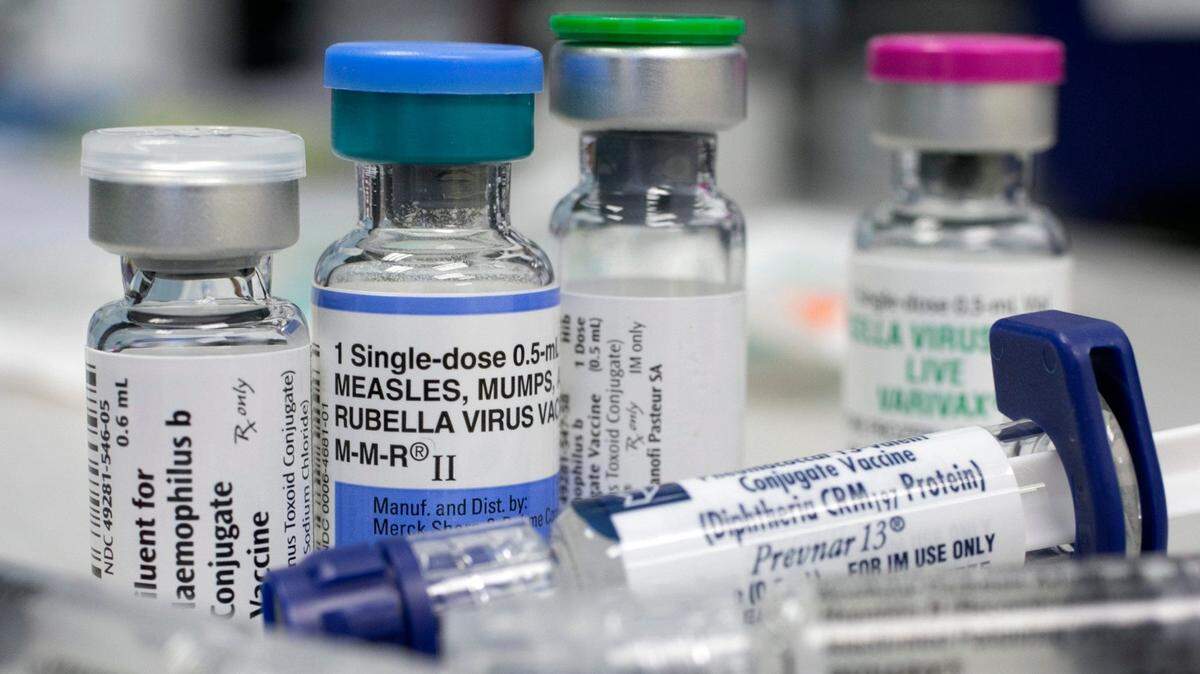
A measles vaccine first became available in 1963. Then, in 1968, a more effective vaccine was produced. Before the vaccine was invented in 1963, nearly every kid got measles by the time they were 15 years old.
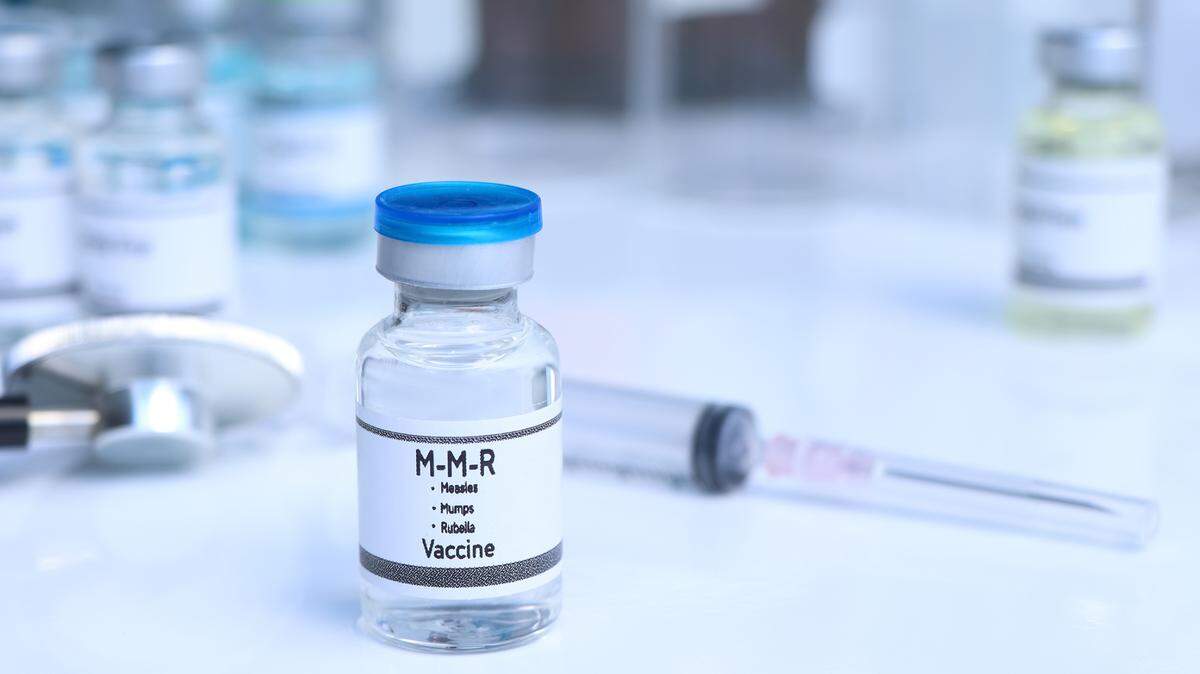
The combination measles vaccine called MMR, or measles, mumps and rubella, first became available in 1971. The MMRV vaccine, which also protects against chickenpox, started in 2005. The MMR vaccine is approved for anyone 6 months or older. The MMRV vaccine is approved only for children 12 months to 12 years.
The vaccine is 97% effective after 2 doses, but that leaves 3% who may not have made antibodies to the vaccine who can get measles.
If you were born before 1957?
Americans who were born before 1957 likely had measles disease when they were small children and developed life-long immunity, and do not need MMR vaccines. It is estimated that 95% to 98% of people of from that era are immune.
Measles was common before vaccines. People who were alive before 1957 lived through several years of epidemic measles before the first shots were available. As a result, these people are very likely to have had the measles disease.
If you were born in 1957, or later, and don’t have your shot records, ask your doctor. They can do a simple blood test to see whether you have immunity, and recommend whether you should get a measles shot. Your doctor may consider things like your age, health status and measles risk factors.
For people who are not sure of immunity or vaccination status, it is safe to get a measles vaccine.
A measles vaccine does not require a prescription for anyone who is 14 years old and up.
If you were born in the 1960s?
People who were vaccinated for measles between 1963 and 1968 may have received a measles vaccine that was found to have lower effectiveness. Those who had two doses of measles vaccine are not considered to be at risk.
If you have documentation of receiving a live measles vaccine in the 1960s, you do not need a “booster” to be revaccinated. People who were vaccinated before 1968 with an inactivated, or dead virus measles vaccine, or if you aren’t sure, you should be revaccinated with at least one dose of the MMR vaccine.
Again, your doctor can give you a recommendation for whether you should get an additional shot.
Who should NOT get the measles vaccine?
Anyone who has had a severe, life-threatening allergic reaction after a previous dose of MMR or to any vaccine component should not receive the vaccine. Also:
- People who are severely immunocompromised
- People on chemotherapy
- People on immunosuppressive therapy
- People on high dose steroids
- Those with health conditions like leukemia or AIDS
- Women who are pregnant, or planning to become pregnant within the next month. Wait until after you deliver; you can be vaccinated while breastfeeding.
If you have any questions, talk to your doctor.
How do I know if I’m vaccinated?
One of the simplest ways to find out if you’re protected from measles is to review your immunization records.
Many states, including Texas, have immunization registries, and your local health department offers immunization records by request. You can fill out the form at this link from the Texas Department of Health and Human Services’ website to request your vaccination records from the state, and then email the form to ImmTrac2@dshs.texas.gov, or mail the form to this address: Immunizations Section, Department of State Health Services, Immunization Branch (MC 1946), P.O. Box 149347, Austin TX 78714
You can also call DSHS at 800-252-9152.
What if I don’t have health insurance?
Most health insurance plans cover the cost of vaccines, the Centers for Disease Control & Prevention says. However, you may want to check with your insurance provider before going to a healthcare provider. Check for cost information and for a list of in-network vaccine providers.
There is a vaccine program in Texas for adults without health insurance. You can find locations by county through the Texas Department of State Health.
More information is online at the National Foundation for Infections Diseases and Texas Department of State Health Services.
This story was originally published April 9, 2025 at 10:51 AM.

.png)