Fort Worth’s measles vaccination rate plummets. Here’s what changed, in 5 charts

READ MORE
Measles in Texas
Tarrant County has confirmed its first measles cases. Follow our reporting on the Texas outbreak.
Expand All
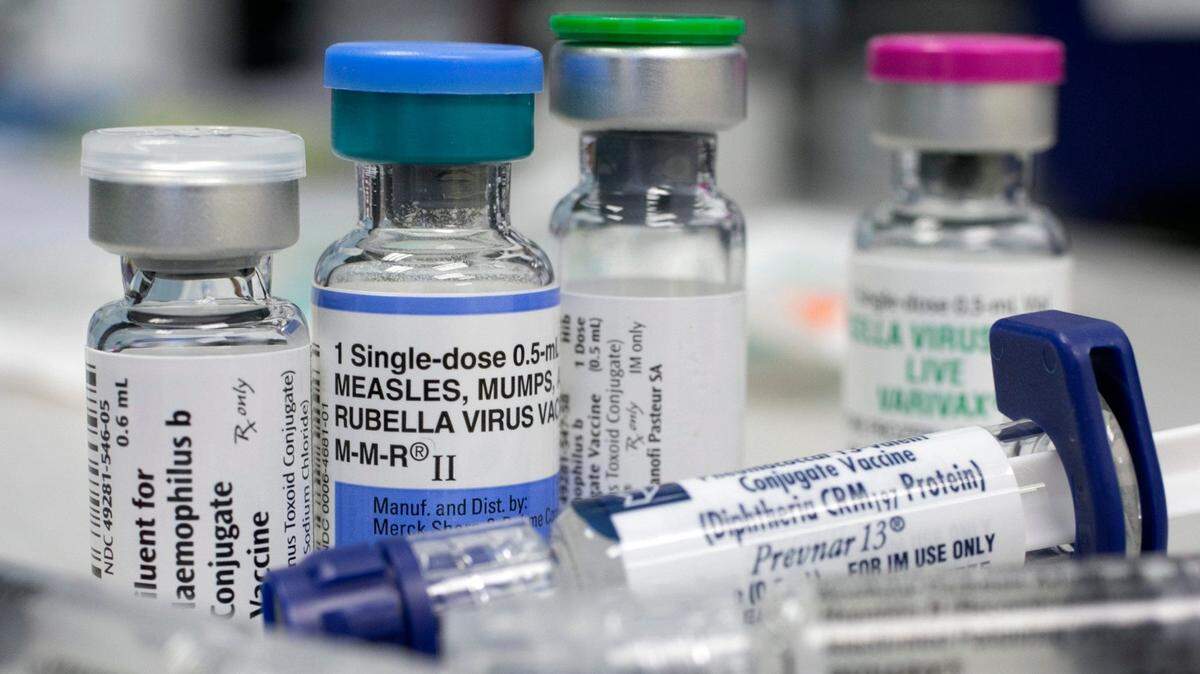
The Star-Telegram has been reporting on childhood vaccines, like the vaccines that protect against polio, measles, whooping cough, and other diseases.
Although the majority of children in Tarrant County are protected against these diseases, there has been a decline in the number of children who are fully vaccinated.
Here’s a summary of what we learned from our reporting, in five visuals. We focused on the vaccination rate for the measles, mumps and rubella vaccine, because measles is a highly contagious disease.
The majority of Texas kids were vaccinated last year.
But we did notice some changes during the pandemic. The number of kindergartners starting the school year up-to-date with the MMR vaccine declined nationwide, statewide, and in Tarrant County.
In the Fort Worth area, the biggest dip occurred in the Fort Worth school district, the county’s largest.
Students in Fort Worth’s school district experienced a steeper decline than students in most of the other 10 largest school districts in the state and the other districts considered “major urban” districts. Only Austin’s school district is experiencing a similar decline. Some school districts, like Dallas’, have seen a decline but have improved their vaccination rates in recent years.
The reason for the dip? There was an increase in parents asking for conscientious exemptions for their children, meaning they did not want to vaccinate their kids for reasons of conscience. (Vaccine experts note that not all parents who ask for conscientious exemptions are entirely opposed to vaccines.)
But the biggest change in Fort Worth was in the “delinquent” category — those who haven’t gotten their shots, but whose parents also haven’t asked for an exemption.
Dr. Christina Robinson, an associate professor at the University of North Texas Health Science Center’s medical school, said the increase in unvaccinated students could be an indicator that children are unable to get regular access to preventive care.
“When I see the delinquency rate for kindergartners, I don’t think vaccine hesitancy,” said Robinson, who is also the director of UNT HSC’s pediatric mobile clinic. Through the clinic, Robinson treats thousands of kids who don’t have health insurance or who have other barriers to health care.
“Was it truly that they had a shift in perception of vaccines, or was it a lack of access?” she asked.
We want to hear from you. Please send us your questions about vaccines and we’ll get you answers. If your family has had trouble accessing vaccines, or has other feedback on the medical system, please let us know. You can call, text or email reporter Ciara McCarthy at cmccarthy@star-telegram or 817-203-4391, or you can fill out our survey.
This story was originally published November 25, 2024 at 12:00 AM.

.png)