Without measles vaccine, Tarrant students could miss weeks of class if exposed
READ MORE
Measles in Texas
Tarrant County has confirmed its first measles cases. Follow our reporting on the Texas outbreak.
Expand All
As the West Texas measles outbreak has found its way to Tarrant County, Fort Worth-area school districts are implementing preparedness plans on what to do if an infected student shows up to school. Exposed students who are unvaccinated could miss at least three weeks of class.
Recent guidelines from the Texas Department of State Health Services instruct school districts to exclude all unvaccinated students who are exposed to measles from school for at least 21 days from the last day they were exposed to the highly contagious disease — unless they get their first vaccine dose within three days of exposure.
Among other recommendations, the interim guidance comes forward as health officials announced on April 4 that there was a recent exposure in Tarrant County. A person who later tested positive for measles visited Grapevine between March 28 and March 30. The person visited the Great Wolf Lodge hotel and waterpark and also the Grapevine Mills Mall, where they walked around and ate at the food court. As of this week, there are no confirmed infections in Tarrant County.
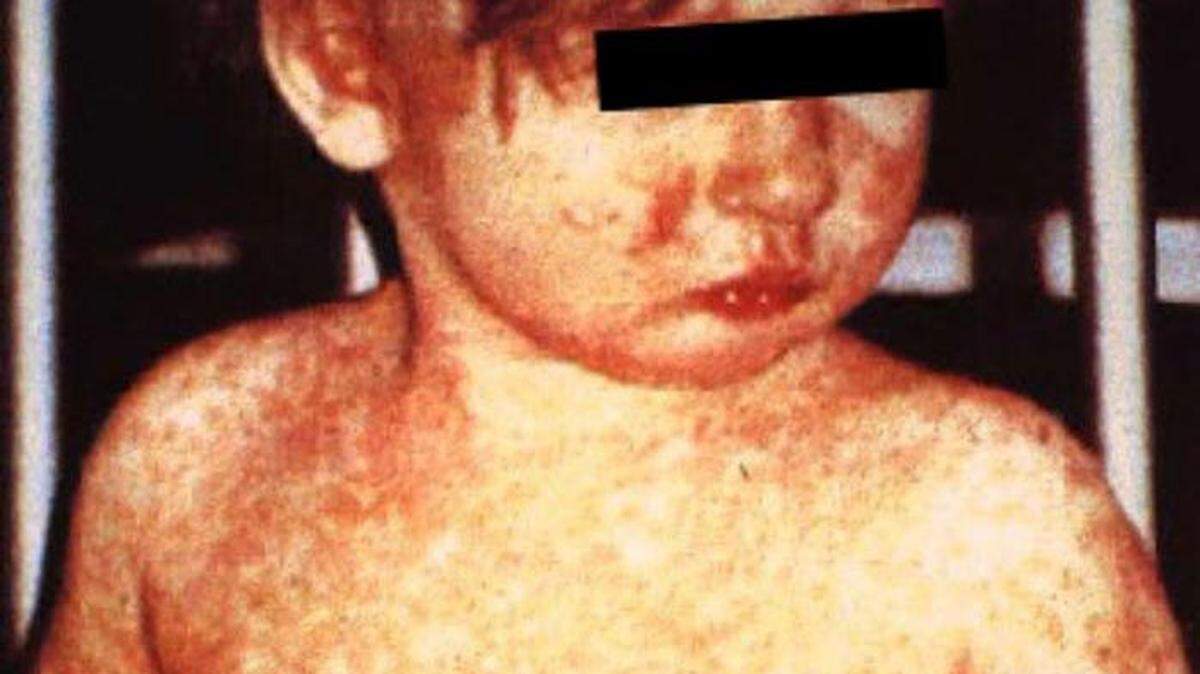
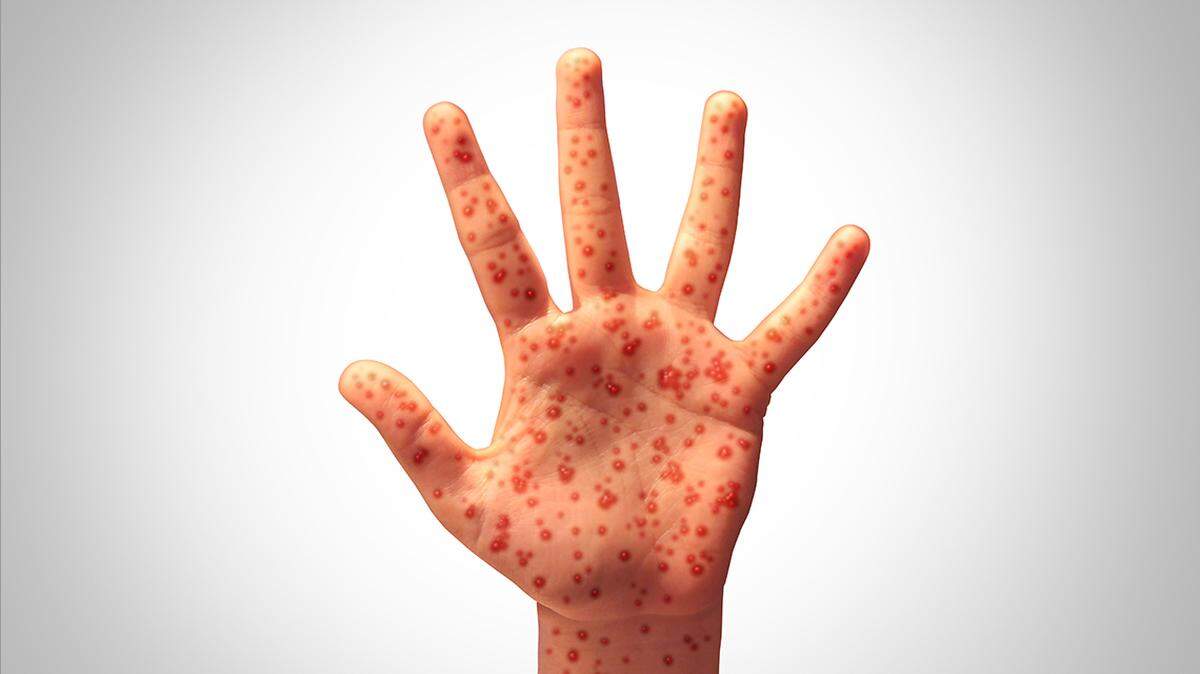
Common measles symptoms include high fever, cough, runny nose, red and watery eyes, and a rash that appears one to two weeks after contact. Up to nine out of 10 people who are exposed and unvaccinated against measles can become infected, according to the U.S. Centers for Disease Control and Prevention.
There are currently more than 500 cases and 57 hospitalizations in Texas stemming from the outbreak that began in January in the South Plains region. Two unvaccinated children in the Lubbock area have died in addition to one adult in New Mexico.
Guidance for schools at risk of measles outbreaks
A Star-Telegram analysis of vaccination data, published in the fall, showed that one in three Fort Worth-area schools were at risk for a measles outbreak due to low vaccination rates, especially in the Fort Worth Independent School District.
Guidance from state officials has outlined proactive measures, such as identifying and notifying at-risk students and promoting vaccination. The guidance also lists actions for administrators to take if a student or staff member is suspected of having measles, including:
Isolating anyone suspected of having measles.
Alerting the local health department, which will help with notifying those who were potentially exposed.
Isolating the infected person, who should avoid all public spaces.
Identifying exposed, unvaccinated students and excluding them from class and extracurricular activities.
Monitoring students and staff for measles symptoms for 21 days after last known exposure.
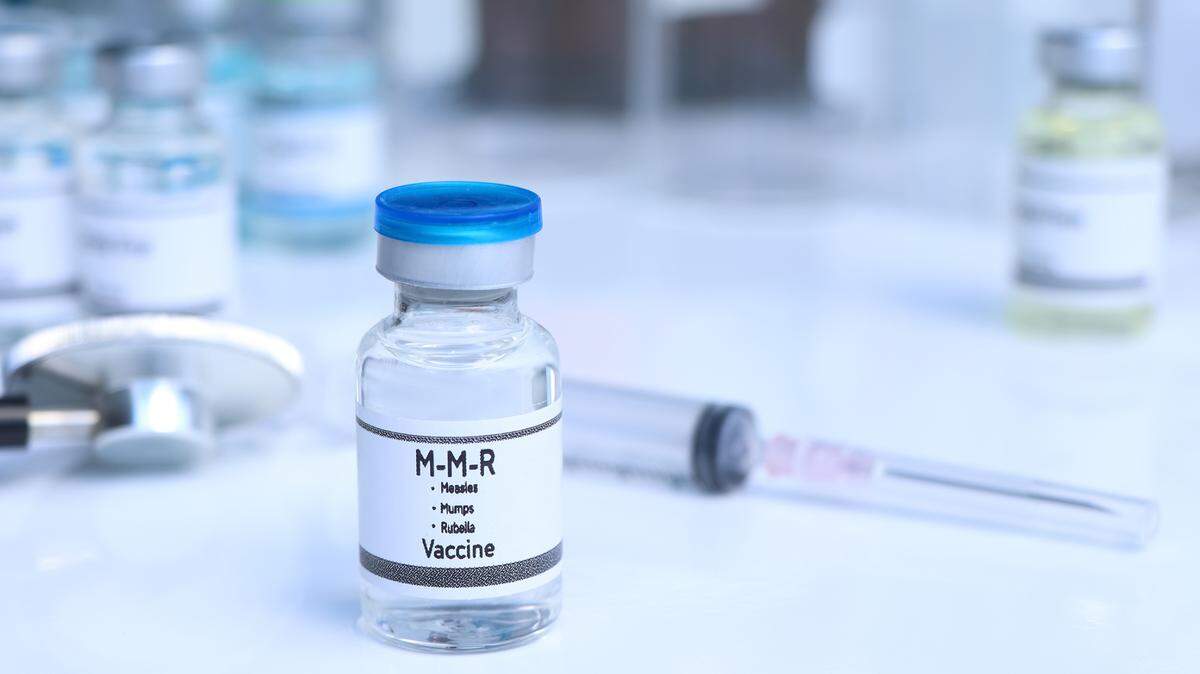
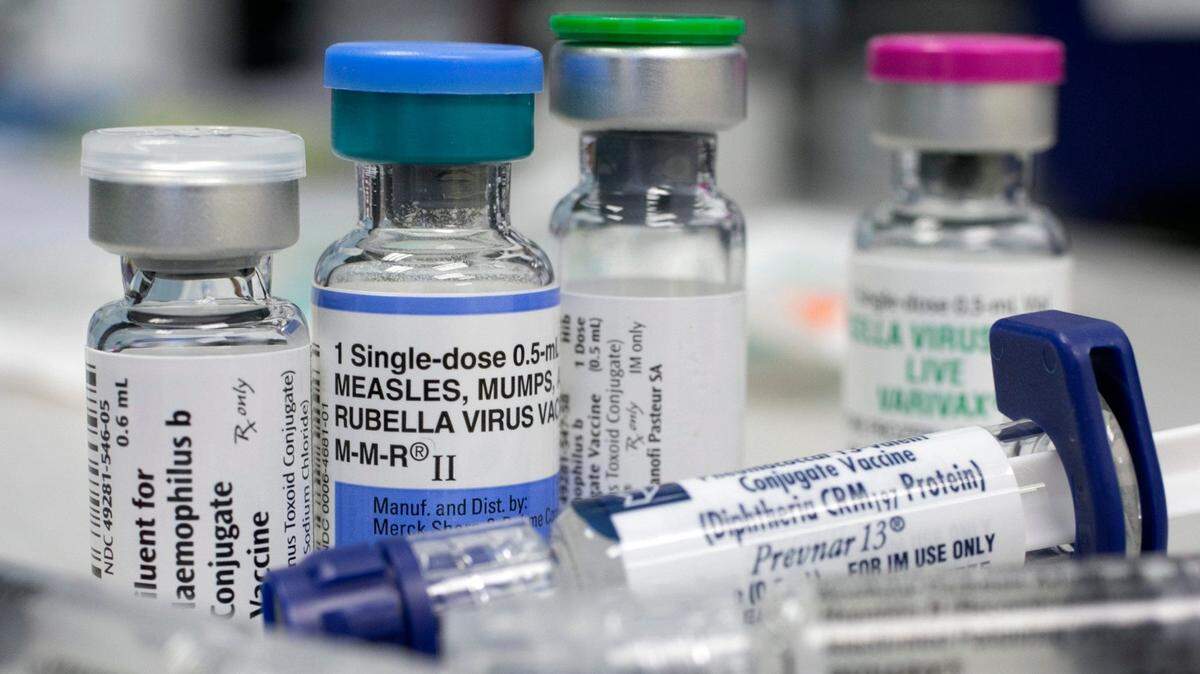
Infected individuals should stay isolated until four days after the onset of the rash, when they should no longer be contagious, according to health officials. Exposed and unvaccinated students and staff can return to school earlier if they receive their first documented dose of the measles, mumps, and rubella (MMR) vaccine within 72 hours of exposure.
“Students with one documented MMR dose may remain in school with no exclusion. However, students are strongly recommended to receive their second dose of MMR vaccine, at minimum 28 days after the first dose of the vaccine,” according to the state guidance.
Measles preparedness in North Texas schools
Tarrant County Public Health officials said they were planning to distribute informational handouts to schools in early March about measles but faced delays.
“We did have a slight delay, but we have started distributing materials to districts in English, Spanish and Vietnamese,” Tarrant County Public Health spokesperson Kennedy Sam said this week. “We have had conversations with school districts, various daycares and childcare organizations offering resources and guidance on what to do if a student or child shows symptoms. The state also (has) procedures and guidelines outlined for measles.”
The local department declined to provide copies of the resources and materials that it has given to school districts.
Crowley, Keller, White Settlement, Grapevine-Colleyville, Hurst-Euless-Bedford, Mansfield and Northwest ISD officials said they were following the same guidelines and procedures from the Texas Department of State Health Services guidance and are working closely with Tarrant County Public Health in the event of a suspected or confirmed case of measles.
Birdville ISD officials said they would work with local health agencies to determine the best plan of action.
Azle, Kennedale and Fort Worth ISD officials previously said they would follow any recommendations from state and local health officials. Kennedale ISD officials said school closures “would be dependent upon where and how long exposure was present” since the virus lingers up to two hours in the air and on surfaces after an infected person leaves an area.
Aledo, Arlington, Burleson, Carroll, Eagle Mountain-Saginaw, Lake Worth, Birdville, Castleberry and Everman ISDs did not respond to requests for comment.
In Dallas County, local health officials have distributed several resources to school districts, such as a CDC flyer with quick facts and an FAQ page for parents and guardians.
“Dallas County Health and Human Services will collaborate with schools individually to identify which students are considered exposed in the event of a measles case on campus. School closures would only be considered as a last resort and would be implemented on a case-by-case basis (similar to situations such as the flu),” said spokesperson Edrea Au.
Why the vaccination rate matters
Dr. Jaime Fergie, professor of pediatrics at Texas A&M University and director of infectious diseases at Driscoll Children’s Hospital in Corpus Christi, said the most recent and notable measles outbreak in the U.S. was in 2019 when cases reached about 1,200 across 31 states in a year. In the first three to four months of 2025, we’ve reached the halfway point. Including Texas, there have been a total of 607 confirmed measles cases across 22 states, as of April 3, according to the CDC.
“This is really an extraordinary situation that we’re going through,” said Fergie, who is also the medical director of the Global Institute for Hispanic Health.
He underscored the importance for schools to have a 95% vaccination rate on their campuses to reach herd immunity, and percentages below this are “insufficient.” Herd immunity in a community is important to protect infants who are too young to receive the vaccine and to protect immunocompromised people who are unable to get vaccinated or have lost their immunity.
“Even if they were vaccinated, still they lost immunity because of cancer, chemotherapy, bone marrow transplantation and other factors. So below the 95%, we are in trouble. And that’s the reason we are where we are. The school district here in Corpus Christi — some school districts are fine — but some of them are at 87% and that, if it gets here, it’s going to spread,” Fergie said.
Fergie emphasized the vaccine’s efficacy and its lifelong protection while noting that families have been subject to misinformation about vaccines in general.
“What else can we tell families other than, ‘The vaccine is what you need to do.’? It’s safe and it’s effective,” Fergie said. “A 97% protection rate is extraordinary for vaccination. It’s a vaccine that obviously has saved… millions of lives every year around the world and the United States.”
This story was originally published April 10, 2025 at 2:43 PM.

.png)