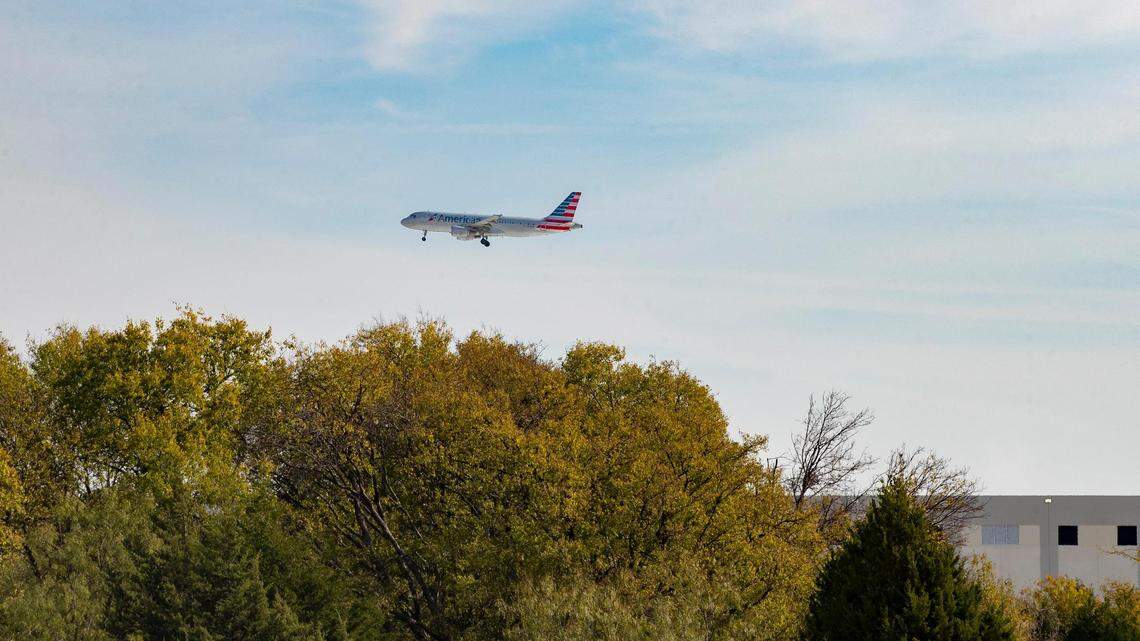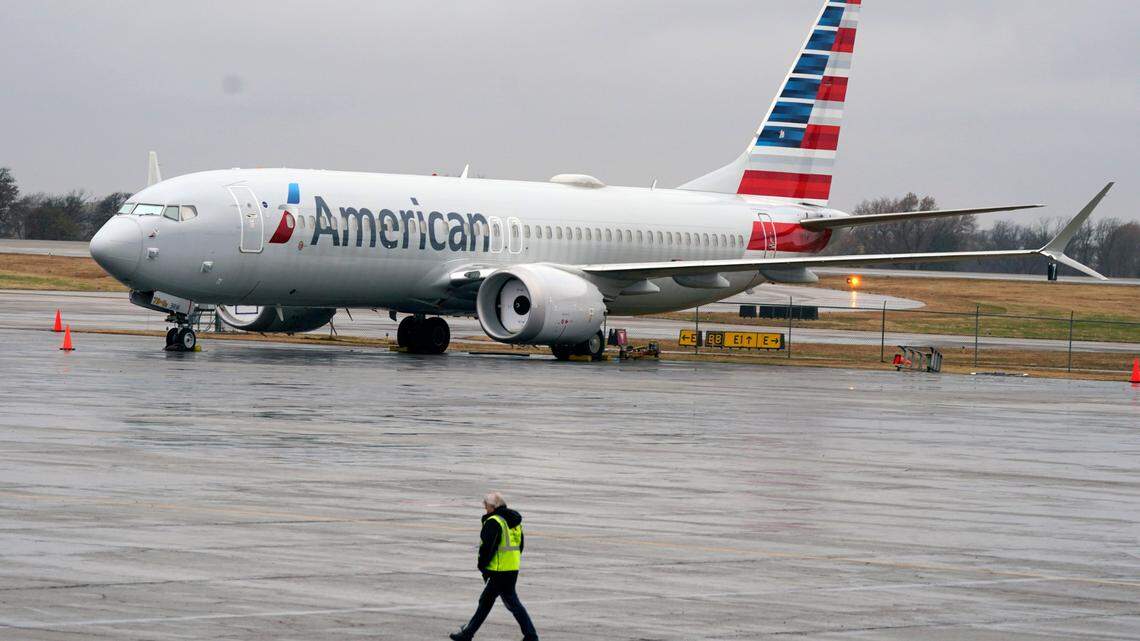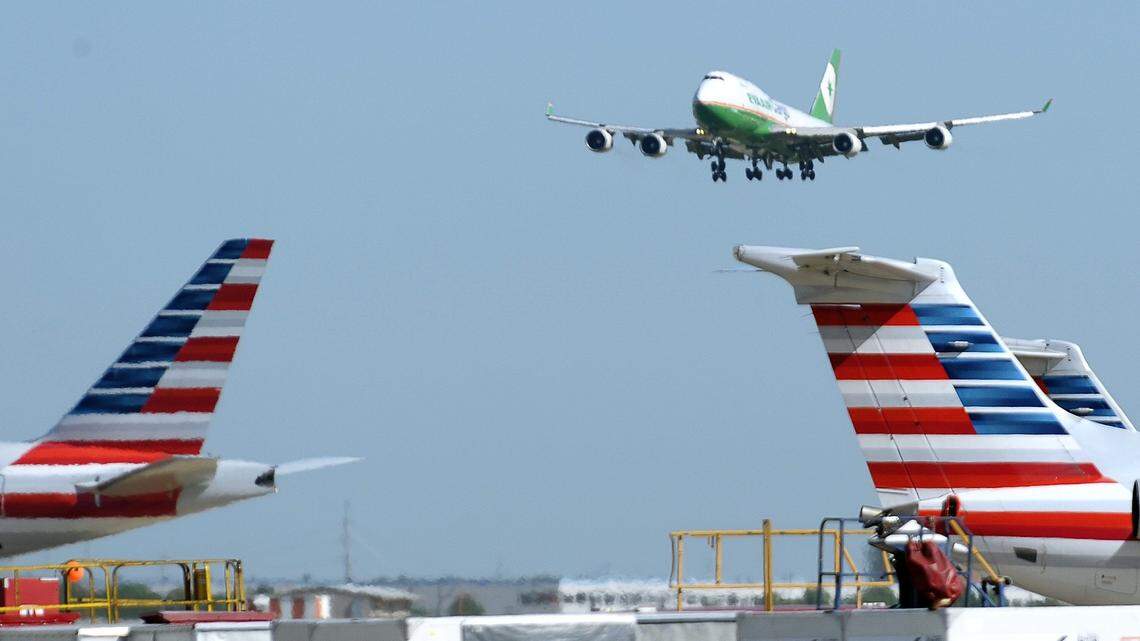
Events outside American Airlines' control ultimately pushed the Fort Worth-based carrier into bankruptcy, but it was decisions by company executives that paved the way by leaving American outmaneuvered, analysts and experts say. Here are three turning points on the way to the Nov. 29 filing.
Market forces: Higher labor costs, a global economic slowdown, high fuel prices and a credit downgrade were factors in the board's decision to declare bankruptcy.
Executive pay/morale: "Pull Together -- Win Together" dissolved amid millions in stock bonuses that destroyed good will between executives and rank-and-file employees.
Strategic decisions: American delayed upgrading to a newer, more efficient fleet, and declined to pursue a merger, even as other airlines did.
AMR’s shares had risen more than 400 percent since the US Airways merger announcement.
The U.S. bankruptcy judge issues a written order approving the merger but not the proposed severance for AMR CEO Tom Horton.
American agrees to enhance maintenance processes and audits as part of a settlement of claims over MD-80 wiring and other issues.
Unions agree that seniority lists will be based on the date workers entered their current work group classification, not their date of hire.
Consumer advocates say the proposed merger of American Airlines and US Airways will increase fares and reduce service.
AMR Corp. has asked Bankruptcy Judge Sean Lane for another extension, this one to May 29, allowing the parent of American Airlines more time to submit a reorganization plan in its Chapter 11 bankruptcy proceeding.