Fort Worth has the tools to make civilian response teams for mental health crises work
READ MORE
‘Mental illness is not a crime’
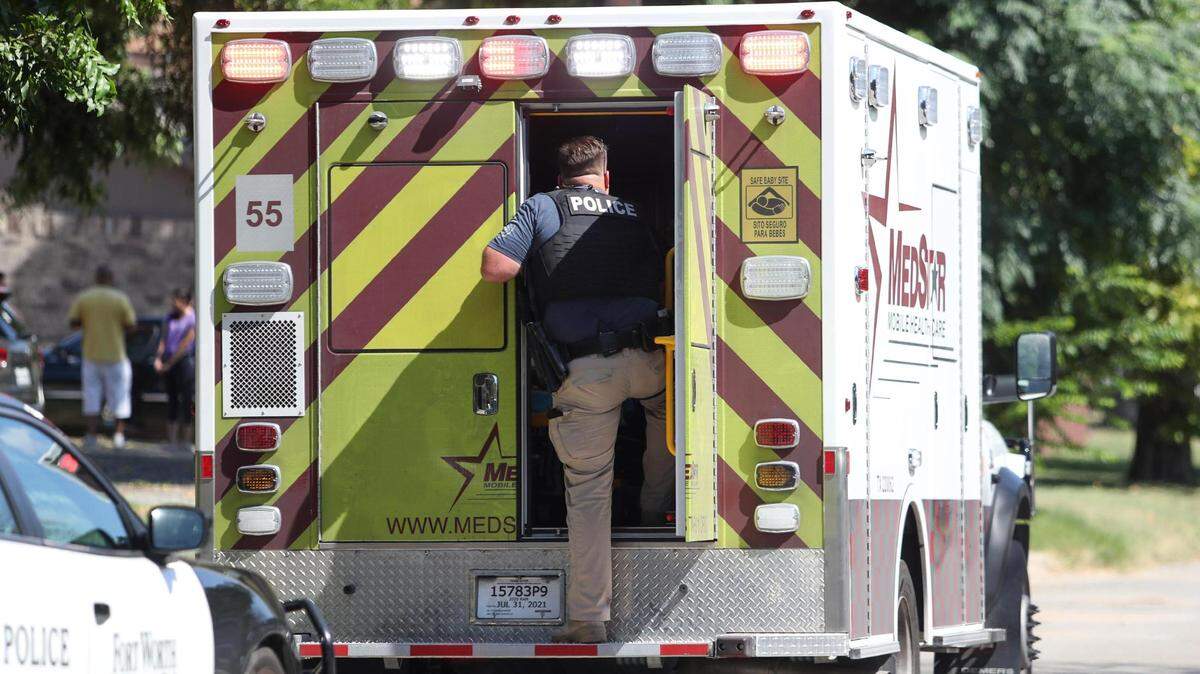
At least one in three people killed by Dallas-Fort Worth police since 2014 were experiencing a mental health crisis. Other cities send trained civilians instead of police to mental health calls.
Expand All
When five officers were gunned down in a merciless assault in 2016, Dallas Police Chief David Brown told the nation something it needed to hear.
“We’re asking cops to do too much in this country,” Brown said. “Every societal failure, we put it off on the cops to solve. Not enough mental health funding, let the cops handle it. … Policing was never meant to solve all those problems.”
More than five years later, we still have much to do to heed Brown’s words. One of the biggest tasks we put upon police, mostly by default, is addressing mental health crises. Our rickety system of diagnosis and treatment means that when someone needs urgent help, police often are the first option for response.
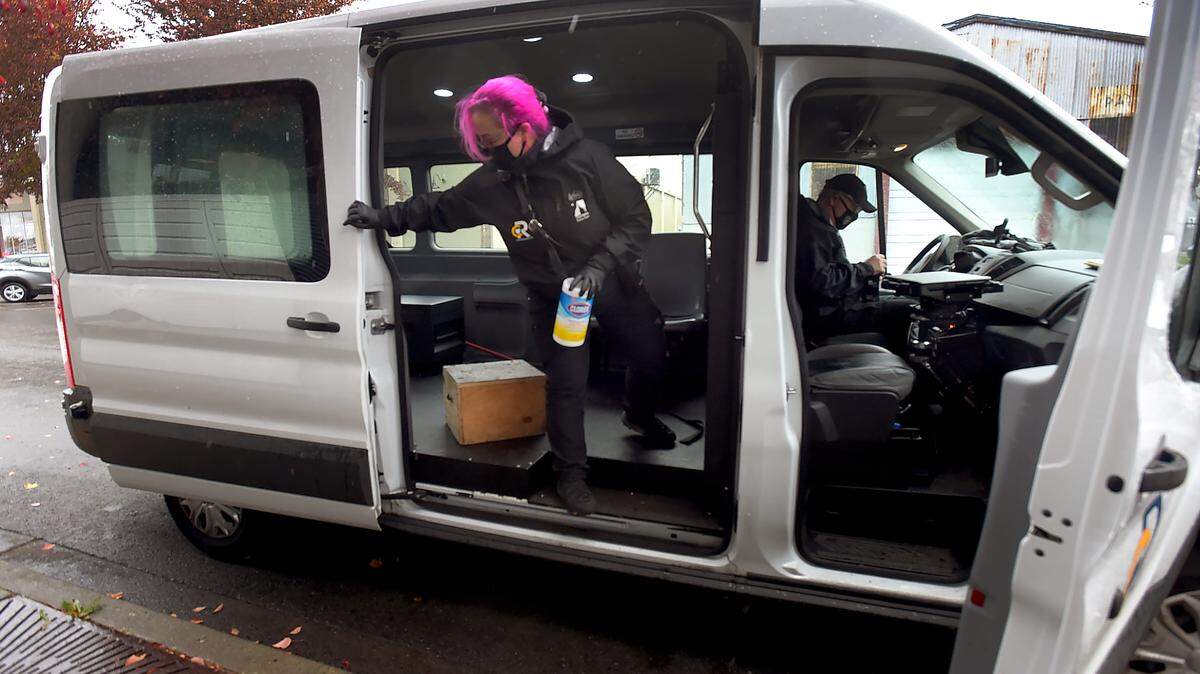
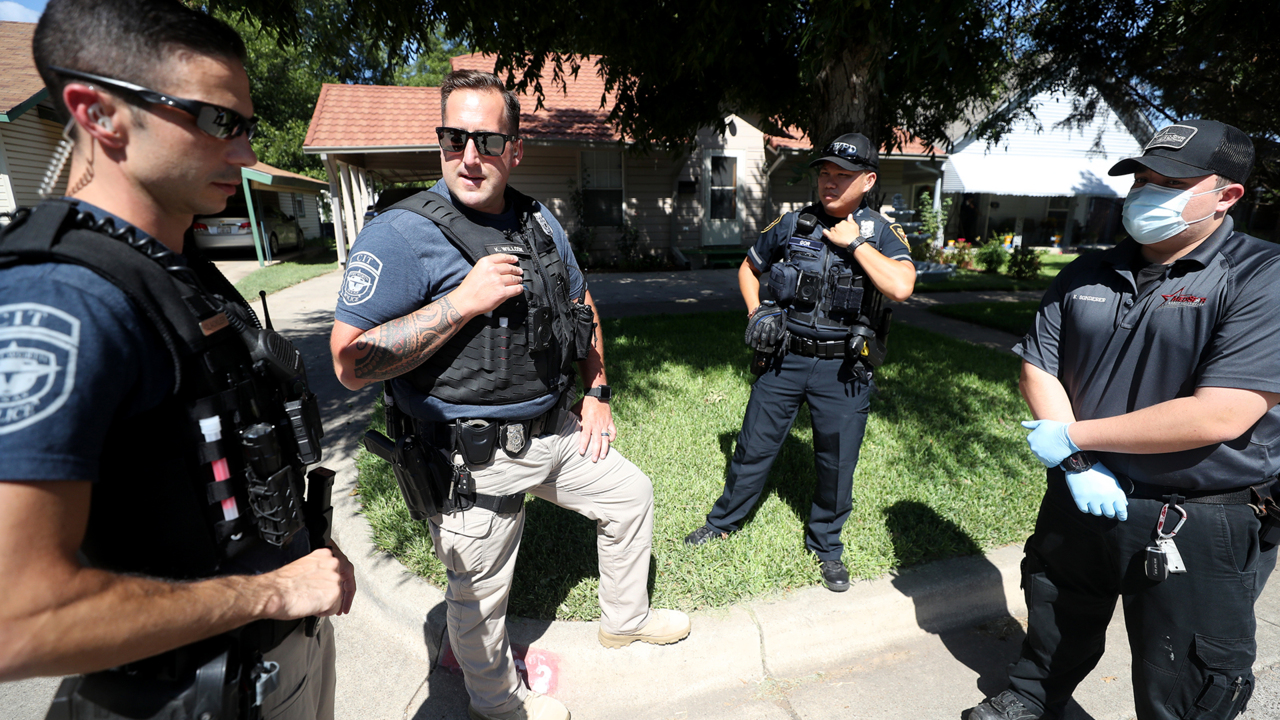
It doesn’t have to be this way. Local cities should shift resources to civilian mental-health intervention teams, at least on a trial basis. My Health My Resources of Tarrant County, the mental health agency, will use a $5 million federal grant, starting next year, to expand its capacity to handle some nonviolent calls referred by 911 dispatchers. It’s an excellent start that will provide a two-year lesson in how to better respond.
It will reduce the danger to those who are struggling. It will free police of the burden of trying to do a task they aren’t meant to tackle. And it allows police and jail resources to be targeted toward fighting crime — an important point amid signs that crime may be rising.
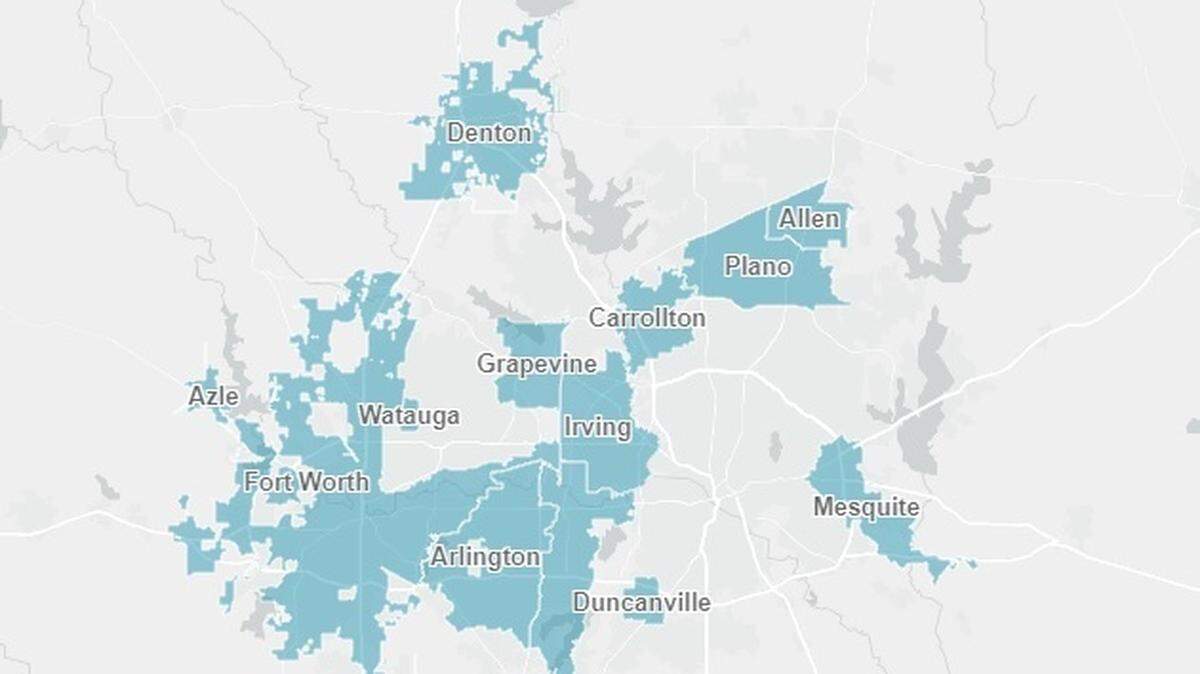
A Star-Telegram investigation found that at least one-third of people killed by police in Dallas-Fort Worth since 2014 were having mental-health issues. Reporter Nichole Manna also details different models in use in other parts of the country, which have reduced violent interactions and targeted needed care to the suffering.
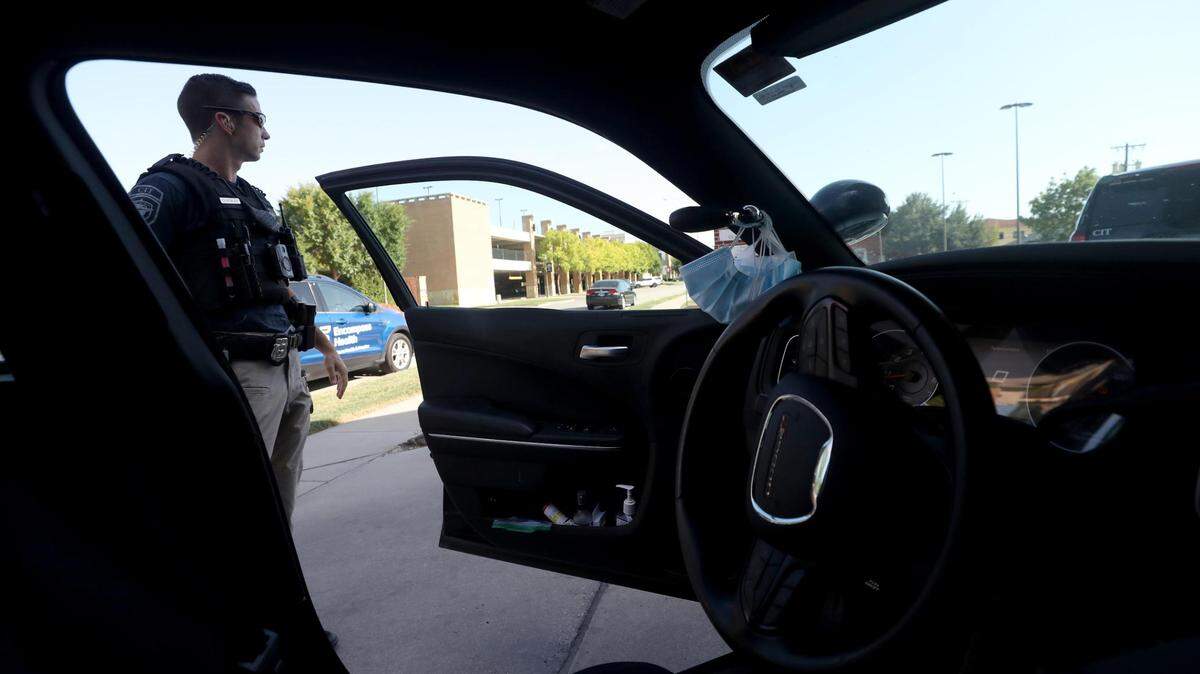
Fort Worth police deserve credit for the steps they’ve taken. Officers trained in mental-health interventions help numerous people, and city and department leaders have worked to improve options for officers responding to someone in crisis, including getting them to treatment rather than jail. When they asked for a 10-year extension of the city’s special anti-crime sales tax, they pledged to continue such work.
Many officers respond to mental-health calls with compassion and patience. But the mere presence a uniformed officer adds tension in some situations. No matter how much training police get, it can’t match the knowledge and experience that a specialized worker can bring to the scene. And in jurisdictions that have tried it, there’s little evidence of added danger from not having an officer present.
Police departments are understandably reluctant to surrender resources. And if the new MHMR program is a success and requires expansion, governments will have to work together to make it happen. But Fort Worth has ample funding for police, thanks to the Crime Control and Prevention District, which levies the additional half-cent in sales tax.
The City Council, which operates the district as its governing board, has time to figure out how much of an investment is merited and how to fund a new operation.
Fort Worth can craft a model that works here, addressing police concerns about situations that escalate. And there will always be some role for police to play, particularly when someone is an obvious danger to others.
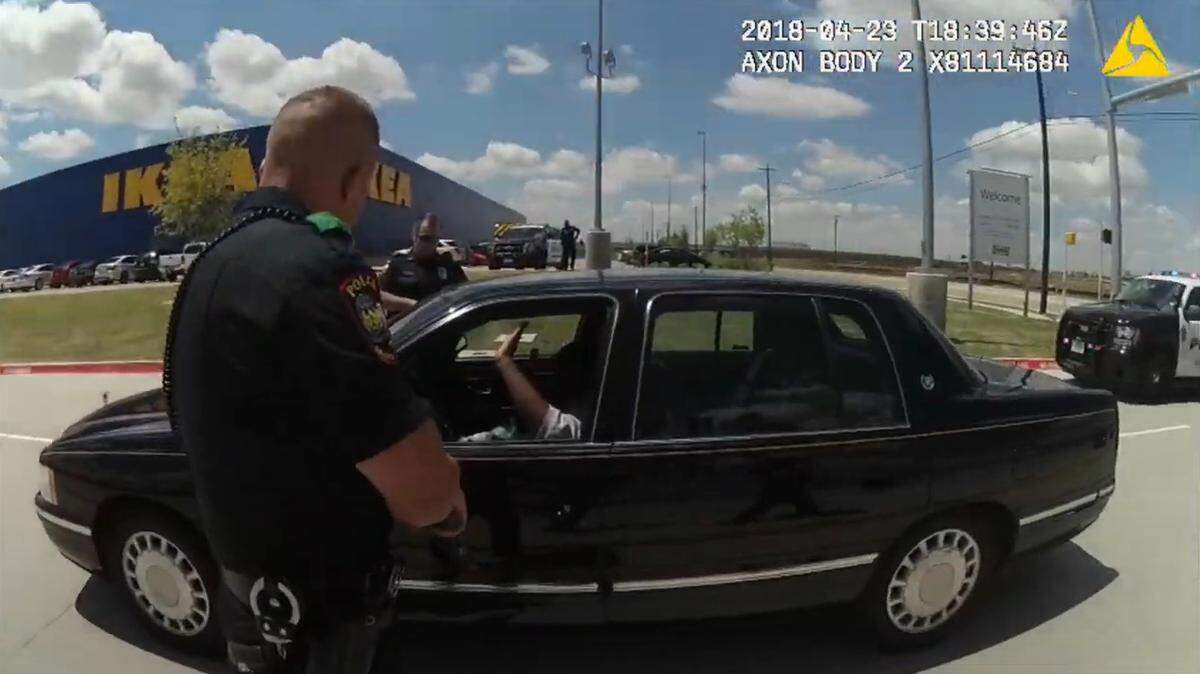
In the meantime, we need more information about incidents and responses. Texas’ laws regarding police body cameras give departments too much discretion over when and how to release footage of interactions with those they encounter. The result is that police are quick to show footage that backs up their actions and often able to bury that which doesn’t reflect as well on an officer’s decisions.
A particular problem lawmakers should address is the provision that allows withholding documents or videos in cases in which no one is charged. Often, these are the very cases that need public scrutiny — ones in which no charge is filed because a suspect ends up dead.
Reliable information is necessary to craft policy that reduces police shootings. That’s a goal all can agree on. And civilian intervention teams could be an important step, too.
BEHIND THE STORY
MOREHey, who writes these editorials?
Editorials are the positions of the Editorial Board, which serves as the Fort Worth Star-Telegram’s institutional voice. The members of the board are: Cynthia M. Allen, columnist; Steve Coffman, editor and president; Bud Kennedy, columnist; Ryan J. Rusak, opinion editor; and Nicole Russell, editorial writer and columnist. Most editorials are written by Rusak or Russell. Editorials are unsigned because they represent the board’s consensus positions, not the views of individual writers.
Read more by clicking the arrow in the upper right.
How are topics and positions chosen?
The Editorial Board meets regularly to discuss issues in the news and what points should be made in editorials. We strive to build a consensus to produce the strongest editorials possible, but when we differ, we put matters to a vote.
The board aims to be consistent with stances it has taken in the past but usually engages in a fresh discussion based on new developments and different perspectives.
We focus on local and state news, though we will also weigh in on national issues with an eye toward their impact on Texas or the Dallas-Fort Worth area.
How are these different from news articles or signed columns?
News reporters strive to keep their opinions out of what they write. They have no input on the Editorial Board’s stances. The board consults their reporting and expertise but does its own research for editorials.
Signed columns by writers such as Allen, Kennedy and Rusak contain the writer’s personal opinions.
How can I respond to an editorial, suggest a topic or ask a question?
We invite readers to write letters to be considered for publication. The preferred method is an email to letters@star-telegram.com. To suggest a topic or ask a question, please email Rusak directly at rrusak@star-telegram.com.