Killed in crisis: How North Texas cities have failed people in mental distress
READ MORE
‘Mental illness is not a crime’
At least one in three people killed by Dallas-Fort Worth police since 2014 were experiencing a mental health crisis. Other cities send trained civilians instead of police to mental health calls.
Expand All
He swallowed 60 pills to kill the spiders in his stomach.
So his wife called 911.
The spiders weren’t real, but his decades-long struggle with PTSD and mental illness was. And for the fourth time in three months, armed, uniformed Fort Worth police officers went to his house.
The man didn’t fight, but he was agitated that police were called. After all, he hadn’t threatened anyone, wasn’t armed and wasn’t suspected of a crime.
He needed help.
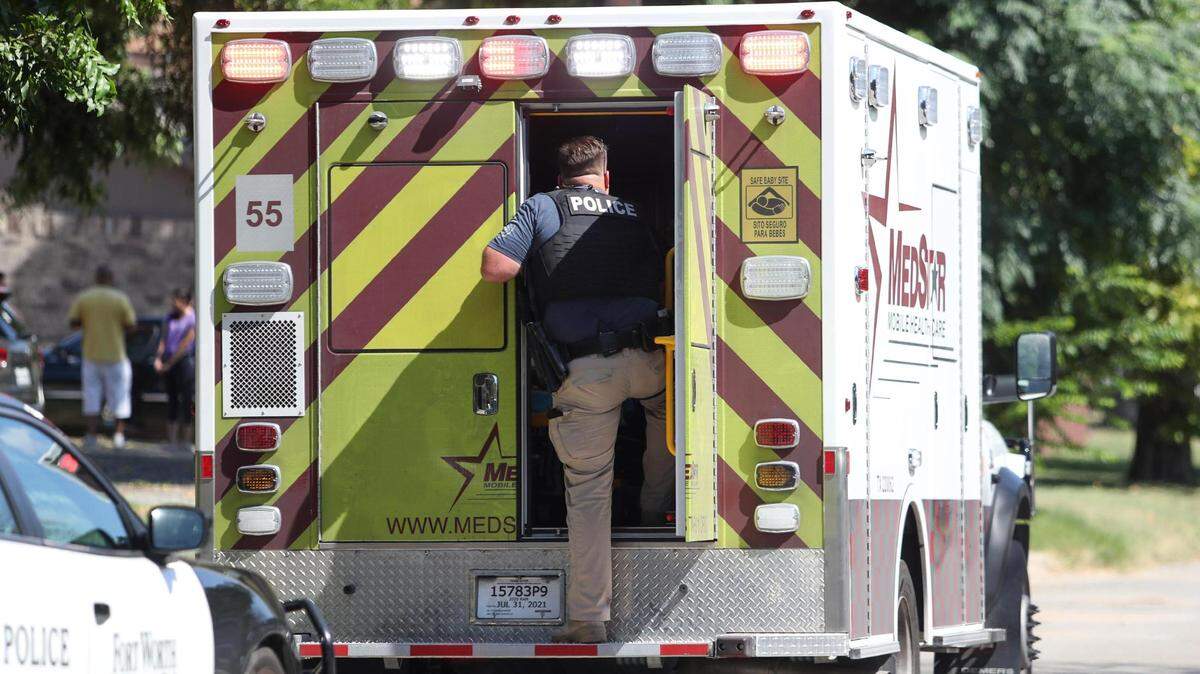
Medics strapped him to a gurney, wheeled him to the back of a MedStar ambulance and handed him a white puke bag.
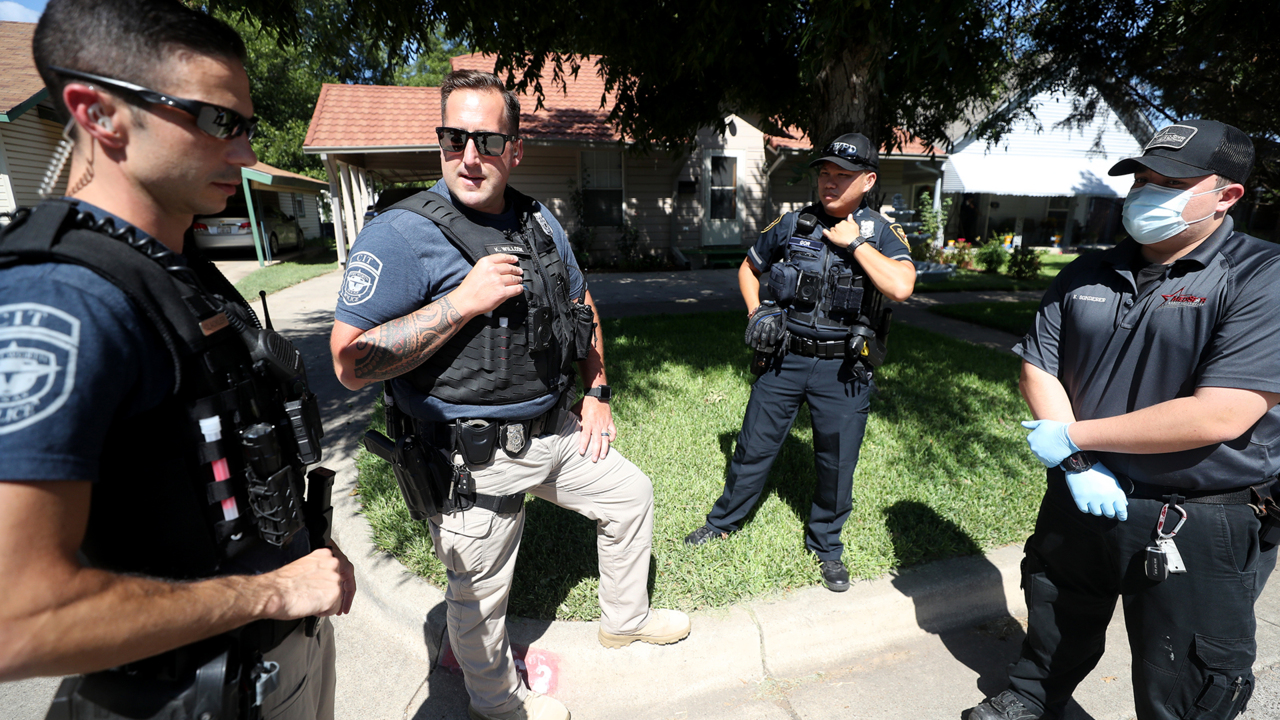
Kyle Willcox, a Fort Worth police officer with the Crisis Intervention Team, poked his head inside the ambulance.
“I think we need to go to the hospital because I think you took too much medication and you’ve got to talk to someone about this,” Willcox said in a calm, reassuring voice. “I don’t know about any spiders in your stomach or your nose, but let’s get you down to talk with a doctor. You good with that?”
The man looked up, then vomited.
The spiders had moved to his brain, he told Willcox.
“I need surgery,” he said.
He vomited some more.
“Well I don’t do the surgery, so I can just get you in front of someone to talk to about the surgery,” Willcox assured.
The man’s encounter with police ended in a trip to JPS Hospital.
But others suffering from mental health problems have ended up dead after police were called.
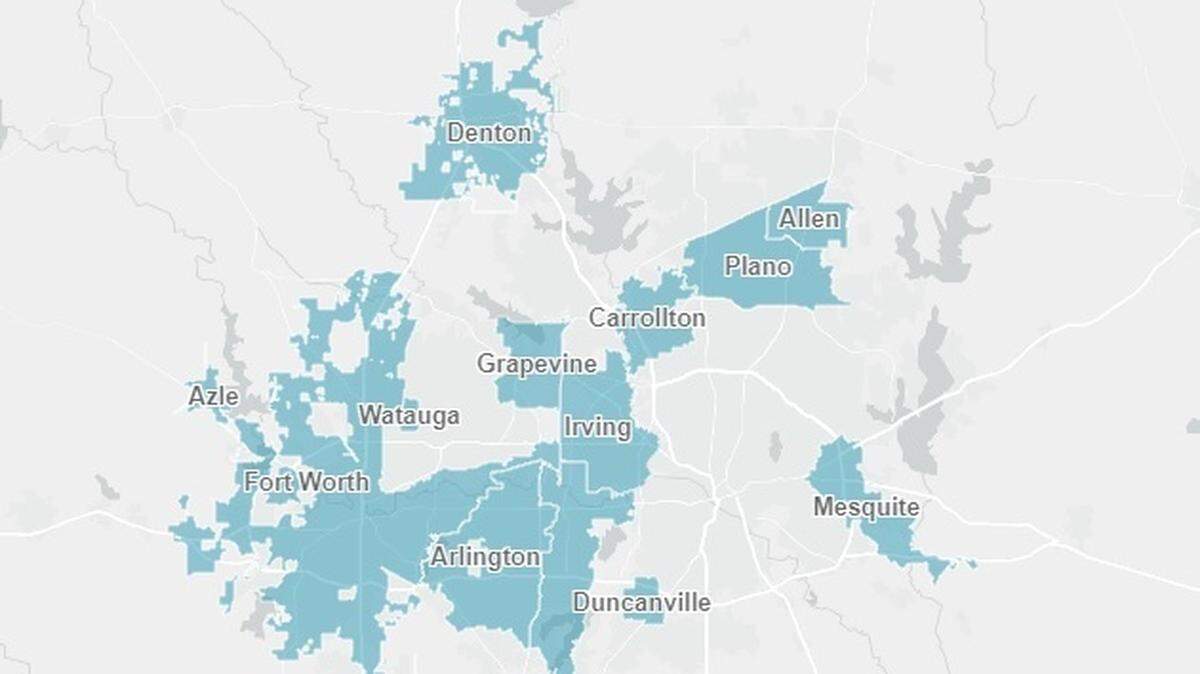
At least one in three people killed by Dallas-Fort Worth area police since 2014 were in the midst of a mental health crisis, a four-month Star-Telegram investigation found.
The newspaper reviewed 150 police killings in 11 North Texas counties and found 54 cases in which mental health was a factor, based on news accounts, family statements, police reports and determinations by the Attorney General’s Office. The newspaper examined 1,661 pages of police reports received through 105 records requests and viewed more than three hours of police body camera video.
The mental health status of another 25 people killed by police was reported to the attorney general as “unknown” by police departments, possibly raising the total number of mental-health related deaths to as much as 53% of all killings.
Police across the country are used as front line emergency mental health providers, but many departments, including those in North Texas, lack the specialized training to properly handle the situations, the Star-Telegram found. Experts told the newspaper that teams with medics and mental health professionals — not armed, uniformed officers — should be the first to respond when no crime has been reported.
But in Dallas-Fort Worth, police officers are the first to respond, which experts said can aggravate already stressful situations.
Police responding to mental health calls have at times failed to de-escalate a situation and reacted quickly with deadly force, the Star-Telegram’s investigation found.
In Fort Worth, a 24-year-old man died after an officer fired her stun gun at him and held the trigger for almost a minute. His mom had called the police, looking for help getting him to a hospital because he had not taken his medication for several days.
In Grand Prairie, a 37-year-old man with schizophrenia and bipolar disorder was fatally shot within minutes after someone called police to report a person slumped over his steering wheel in a parking lot. The man had quit taking his medication and had a rifle in his lap. While one officer calmly tried to talk to the man, another escalated the situation by rushing the man, who then picked up the rifle.
In Denton, police fatally shot a 23-year-old man after his roommate called 911 because of his paranoid behavior. Police found the man holding a frying pan and meat cleaver in an apartment breezeway. They shot him a little more than five minutes after they arrived.
“I wish that mental health crises weren’t seen as a police issue at all,” Denton City council member Deb Armintor said. “I agree that police need to be able to read the signs and have training, but this approach is still so entrenched in law enforcement that it’s still seeing mental health as a police issue.”
Most people who are in a mental health crisis are not inherently dangerous, according to the National Alliance on Mental Illness. A police response further stigmatizes people who seek help and increases trauma for them while taking officers away from their battle against crime, said Matthew Lovitt, a peer policy fellow for the organization.
“A lot of these people, if they have serious mental illnesses, they have likely had negative interactions with law enforcement previously, so, if we can, we like to avoid the law enforcement presence altogether,” he said.
At least five cities across the United States have found success with specially trained dispatchers to send mental health professionals and paramedics instead of police to calls that relate to mental health, homelessness or other non-criminal matters. These teams have led to nonviolent resolutions and limited the stigma of mental crises. After the nationwide protests against police brutality in 2020, more than a dozen more cities announced plans to form such teams.
‘He needed help’
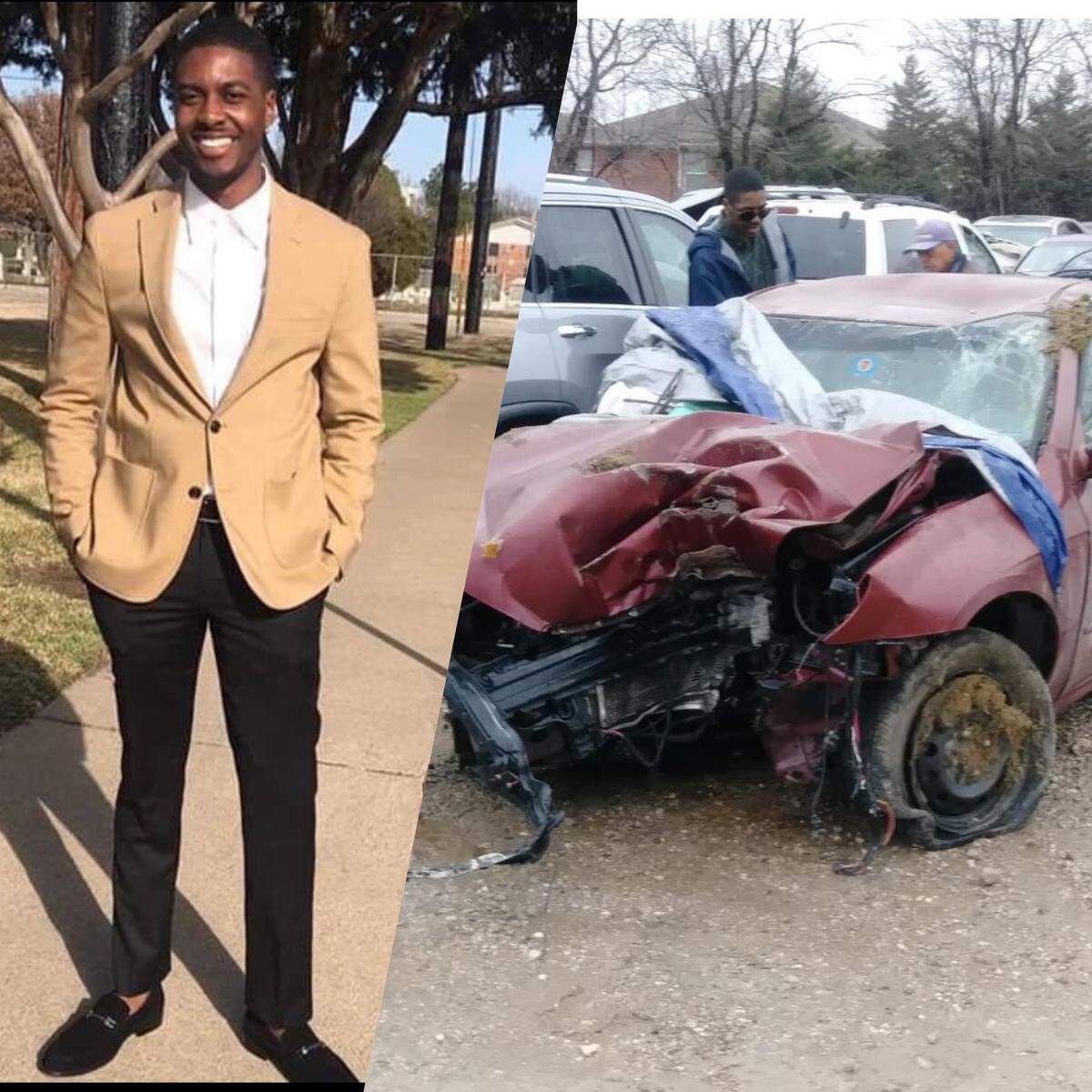
Darius “DJ” Tarver, a criminal justice student at the University of North Texas, was shouting for God and smashing light bulbs with a frying pan and meat cleaver in his apartment complex’s second-floor breezeway in January 2020.
He had been in a car wreck a week earlier and was in intensive care with a traumatic brain injury for one day, according to his father. Hours before he was killed, Darius Tarver was in church, where he thanked God for his life. But that Sunday night, lights and sounds began to bother him.
He became paranoid and tried to barricade himself and his roommate in their apartment.
So his roommate called 911.
“Something is going on with him,” he told a dispatcher. He clarified that Tarver was not dangerous. Others had called the police about a man acting erratically.
Four Denton police officers arrived and found Tarver in the second floor breezeway.
“Come out with your hands up, dude,” an officer said loudly, according to body camera footage. “We just want to talk with you and figure out what’s going on but we need you to comply, man.”
Five minutes after police arrived, Tarver slowly walked down the stairs.
The officers stood at the end of the stairwell, just feet from Tarver. They yelled at him and demanded that he drop the pan and cleaver.
Tarver lifted his empty right hand.
“Heavenly God, my father,” he said, and took a few more steps.
At the bottom of the stairwell and backed against a wall, Tarver mumbled about God for about 35 seconds. He didn’t move.
“We’re gonna tase you, man,” an officer said. “Put that pan down.”
The stun gun’s prongs landed in Tarver’s stomach.
He dropped the pan, lunged forward and swung the cleaver at an officer.
Police Chief Frank Dixon said the officer was injured but details of the injury have not been released.
At the same time, another officer fired his gun. Tarver fell to the ground, and the cleaver dropped behind his head.
Officers yelled at him to stay down. One kicked the cleaver away.
“My heavenly father is my shield,” Tarver shouted, holding his stomach. About 30 seconds later, he got up and grabbed the pan.
He lunged forward, and an officer fired two more shots.
Two minutes had elapsed since Tarver walked down the stairs. It would be another two minutes before anyone administered first aid.
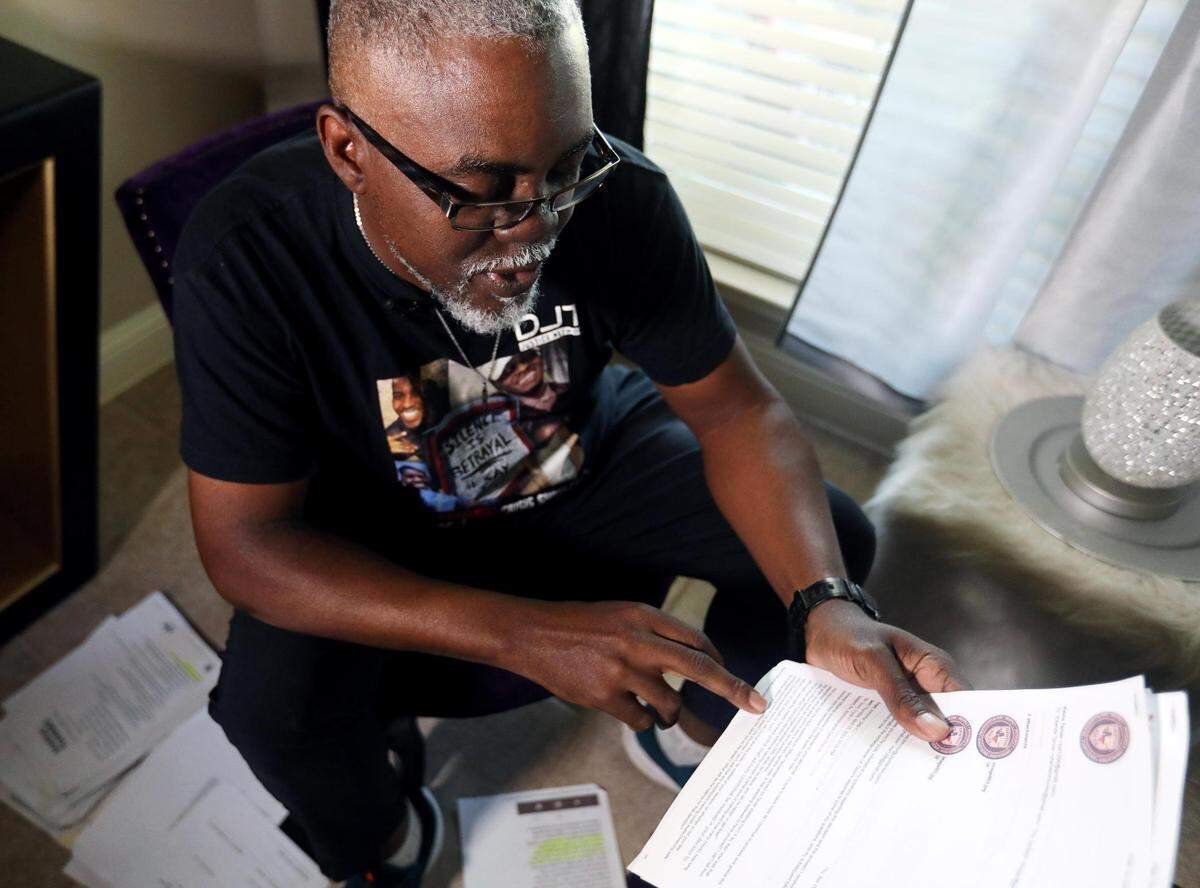
“How did they not recognize this was mental illness?” asks his father, Kevin Tarver, a chaplain for the Mesquite Police Department.
Recalling the events during an interview in his living room, Kevin Tarver read from the “Texas Peace Officer Guide for Responding to the Mentally Ill.”
He memorized Page 15.
Give space, do not crowd the person.
“They didn’t give him space,” he said.
Remove distractions, upsetting influences, and disruptive people.
“But the officers were disruptive and upsetting,” he said.
Dixon, the police chief, said officers acted on information they had at the time, and that Tarver’s roommate didn’t mention a car wreck, just the possibility that Tarver was “on something.” After Tarver was shot the second time, an officer said he noticed stitches on Tarver’s face, Dixon said.
“These were not the calls of someone simply asking for help,” Dixon said. Later he said Tarver behaved as if he were on PCP.
Kevin Tarver said the officers should have realized this was a mental illness issue and should have had the option to call for a mental health professional.
“This is someone who has never done anything wrong,” Kevin Tarver said. “This is the one time in his entire life he really needed help, and he got murdered for it.”
Officers escalated the situation by not asking questions or talking with his son, he said. Rather than using the stun gun, officers could have used time, space and conversation to get Tarver to comply, he said. And when he lay on the ground unarmed for 30 seconds with a bullet in his stomach, someone should have stepped forward to handcuff him and administer aid, advocates have said.
“Not one time do you hear one officer say, ‘I’m here to help you,’” Tarver said. “It’s all yelling for him to drop the weapon. He needed help.”
The officer who shot Tarver returned to work in April 2021 after a year off the street. Before working on his own, he spent several weeks riding with training officers, the police department said. One of the four officers involved no longer works at the department, according to an email exchange between Armintor, the council member, and the police chief. The email did not explain the circumstances of the officer’s departure.
The Star-Telegram asked for the officers’ personnel files, but the city referred the request to the Attorney General’s Office, which hasn’t yet made a ruling.
In the majority of body camera videos of killings reviewed by the Star-Telegram, officers did not tell people they were called to help them. Most officers immediately shouted commands. In eight of the 13 cases in which the Star-Telegram was able to review body camera videos, police fatally shot someone within two minutes of meeting them. Five of the 13 people shot by police had guns — three others had replica guns.
One man was shot five seconds after Dallas police told him to drop a screwdriver that he was twirling in his hands. He had opened his door for the police 17 seconds earlier.
‘Policing as a whole can slow down’
Fort Worth’s crisis team is made up of police officers and My Health My Resources of Tarrant County (MHMR) advocates, who sometimes ride with officers.
The crisis team isn’t dispatched to calls. Instead, officers join the calls they feel have a mental health connection or they respond when patrol officers request their help. In Fort Worth, patrol officers are the first to encounter someone in a mental health crisis.
Every officer undergoes 40 hours of mental health training in the police academy. The department’s 839 state certified mental health officers also received an additional 40 hours of crisis training, Lt. Christopher Gorrie said. The additional mental health training is only available to new officers once they have two years of experience. The department mandates that all eligible officers undergo the training, Gorrie said.
On average, there are 36 mental health calls a day to Fort Worth police. This number does not include calls that are dispatched as other issues but result in an emergency mental detention.
The crisis team members might take people to hospitals, but they avoid taking people to jail when they can, Gorrie said.
Some of this process will begin to change in January, according to a development made public during a City Council work session Tuesday.
Fort Worth police Capt. Robin Krouse told council members that MHMR has received a $5 million federal grant that will allow it to expand its call center and take some nonviolent mental health calls from police. The grant requires the MHMR to serve 1,000 people over two years. Referrals through the 911 call center will help people get through the door to MHMR services.
When the Star-Telegram began to report on this issue in September, the Fort Worth Police Department pointed to its Crisis Intervention Team when asked how it handled mental health calls.
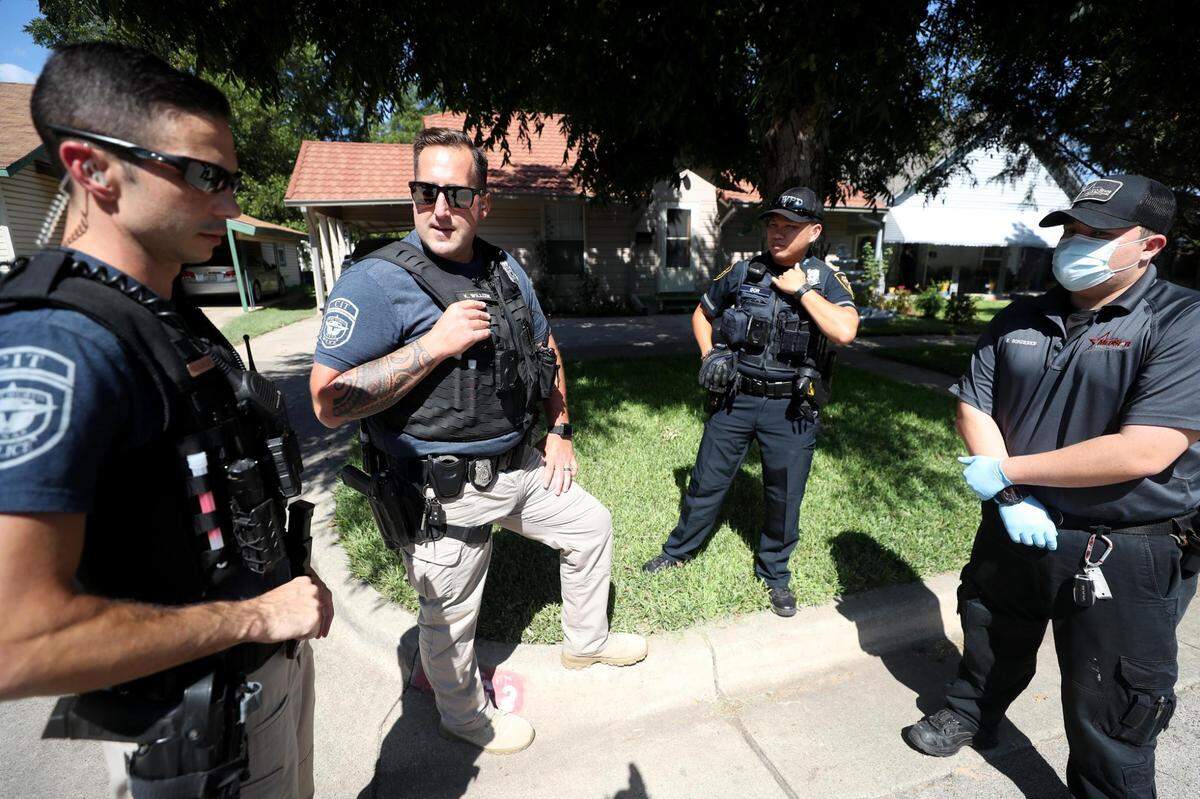
Officers on the crisis team do the best they can to make a difference in a system that mental health advocates say broke long ago. But their jobs are a reflection of why citizen teams, like those in Eugene, Oregon, and Denver, could benefit police in North Texas, mental health advocates said.
One of the Fort Worth crisis officers, Cory Clackler, said he enjoys being on the team because he likes to take his time on calls. He finds it rewarding to help people who are having bad days, years or lives. He said he digs into the core of the issue to figure out what resources people need to find help.
“We don’t have to rush off a call, we have all the time we need to talk to someone,” he said. “I think policing as a whole can slow down.”
Clackler joined the Fort Worth Police Department’s Crisis Intervention Team in October 2020, when it expanded from six officers to 20. Five mental health workers are assigned to Fort Worth (another four ride with Arlington police and others help smaller departments when needed).
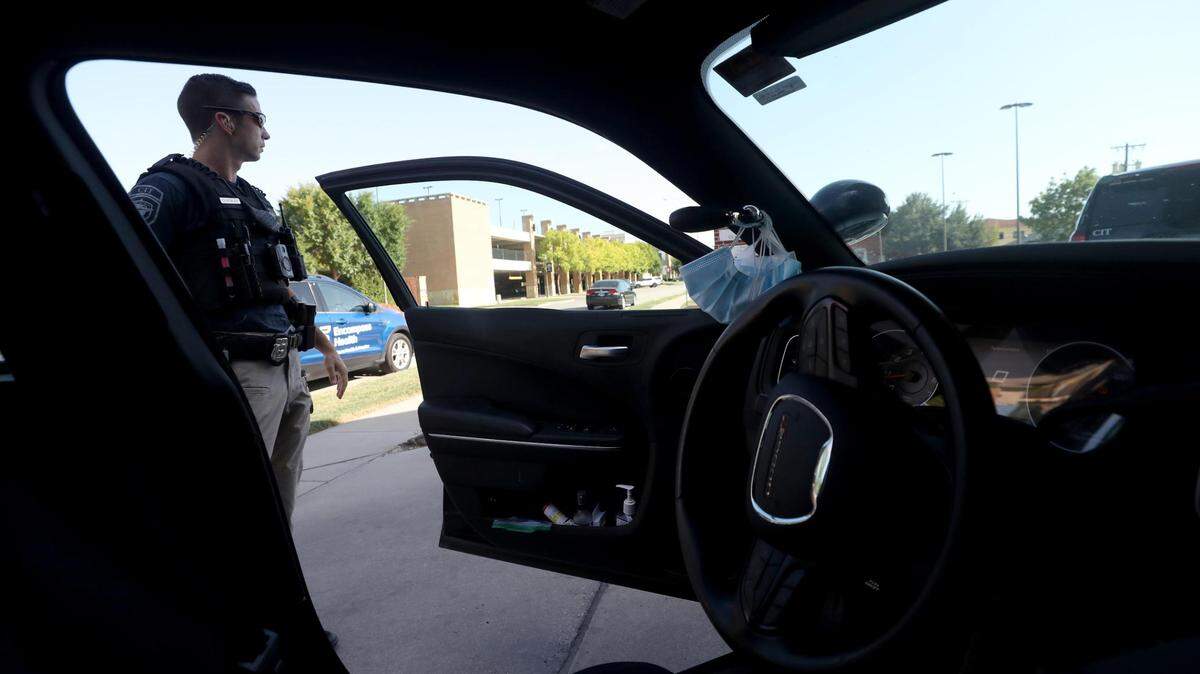
Clackler and Willcox, another member of the crisis team, try to make connections with everyone they encounter. Dressed in police T-shirts, khakis, utility vests and belts that carry their stun guns and handguns, they hope people trust them when they need help. If someone doesn’t want to talk, Clackler will walk away if there’s not a crime or a mental health warrant to serve.
“I would rather build a rapport with that person and follow up with them in a couple weeks than escalate something,” he said.
Hours before they were sent to the call about the man who thought he had spiders in his stomach, the officers had been at a hospital in far north Fort Worth, where doctors held an 18-year-old woman who tried to kill herself two days earlier. A doctor had called 911 after the woman said she’d kill herself if the hospital tried to transfer her.
Clackler and Willcox spent about an hour at the hospital explaining that they couldn’t help the woman or the hospital. Under Texas law, the woman was the responsibility of the hospital because she was already in a doctor’s care. The two spoke with the woman’s sister, who warned them that the sight of police officers would upset the 18-year-old.
Clackler finds himself on these kinds of calls regularly.
In Eugene, Oregon, specially trained civilians have responded to non-criminal mental health calls for more than 30 years. In 2019, the team answered 17% of the calls to the Eugene Police Department. No one on the team has ever been injured or killed during a response, according to the city.
Eugene police have killed six people since 2015, according to a nationwide database of police killings kept by The Washington Post. One of those involved mental illness and, according to the family, the crisis team wasn’t on the scene.
Civil rights attorney Kim T. Cole of Frisco, sees removing police from non-criminal 911 calls as a way to support officers.
“I consider that backing the blue,” she said. “Let’s get the blue some help. They’re not social workers, they’re not counselors. Let’s back the blue and get them some help by reallocating funds to other specialized individuals.”
When told about the team in Eugene, Clacker said he didn’t believe it would work in Texas.
“Texas health and safety code gives us the authority to detain somebody against their will for a mental health evaluation,” he said. “But it gives a peace officer that authority so MHMR or any other civilian-based organization would not be able to complete that form for the hospital.”
Teams in other states that have similar laws have found safe ways to work around this, the Star-Telegram found.
‘What would it look like to have an alternative response?’
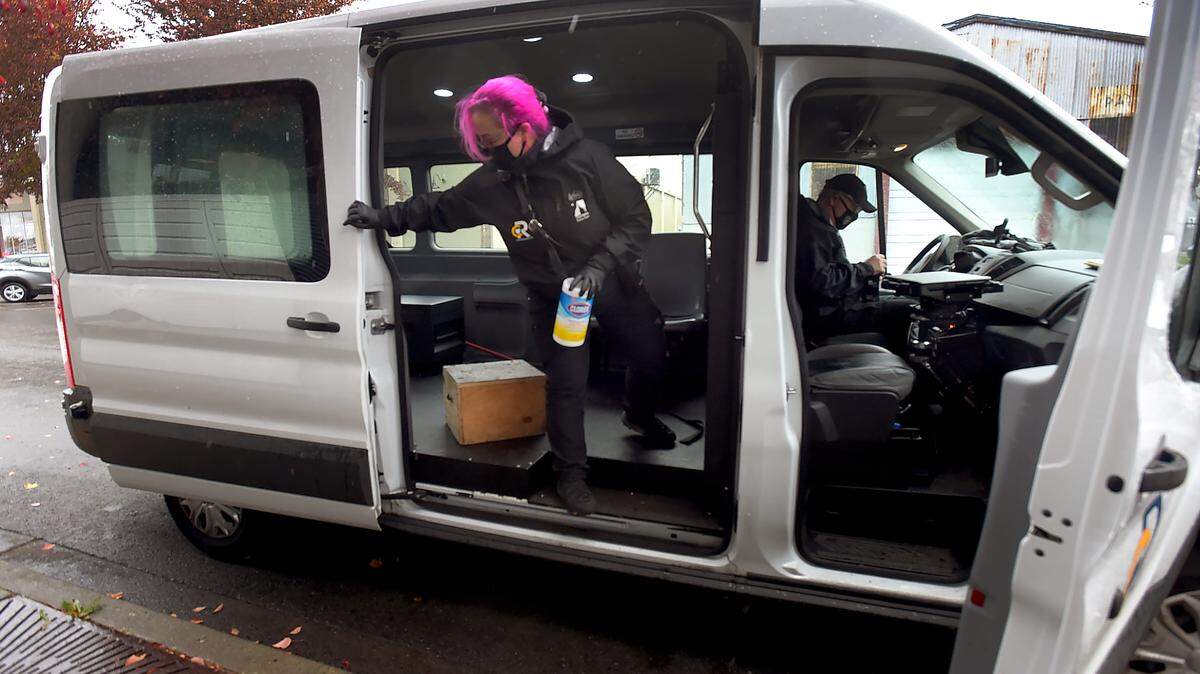
The team in Oregon, like ones in Denver, Salt Lake City and Olympia, Washington, employs crisis counselors and emergency medical technicians to respond to reports that aren’t criminal in nature — mental health, arguments, homelessness, drug overdoses and public drunkenness.
In Eugene and Springfield, Oregon, officers are the only people who can take someone to the hospital on an involuntary basis. But the person is often given a choice: ride in a police car or take the van that was sent by the crisis team, said Arlo Silver, an office manager for the program, called Crisis Assistance Helping Out On The Streets.
Police backup was requested only 150 times out of the 24,000 calls the team received in 2019, according to the White Bird Clinic, a health clinic and resource center in Eugene.
In Olympia, crisis team members and police call a third team — designated crisis responders — to pick up people when they need to be involuntarily taken to inpatient care. Police officers used to do that job, but state legislators removed that duty from Washington police in 2020.
After protests against police brutality erupted across the country in June 2020, more than 12 police departments — including those in Albuquerque, Atlanta, Boston, Los Angeles, Salt Lake City and San Francisco — announced plans for civilian first-responder programs.
“We would like to make the police department a second responder, and the primary response would be from a clinician and a paramedic because we see in mental health issues that sometimes someone may be off their medication, that they may just need some calming down, some reassurance, they may need some medical attention,” Newport News, Virginia, Police Chief Steve Drew told the Daily Press of Newport News in July.
A team like that could have prevented the killing of 24-year-old Michael Jacobs Jr., whose death at the hands of Fort Worth police led to the city’s largest civil rights settlement.
‘Why are we sending officers to some of these calls?’
Jacobs’ mom, Charlotte, called police on April 18, 2009, after Jacobs and his dad got in an argument. Jacobs hadn’t taken his medication for schizophrenia for several days, and his mother wanted police to take him to a hospital.
When they arrived, officers talked to Jacobs for about 15 minutes, according to investigative files obtained by the Star-Telegram through an open records request.
Details of the conversation aren’t publicly available because body cameras were not worn by Fort Worth police at the time, but the records say Jacobs wasn’t willing to leave.
He paced back and forth in his parents’ front yard and acted “extremely paranoid,” according to police documents. The only people there (besides his parents) were armed police, who turned away a Medstar ambulance when it showed up. One of the officers, Stephanie Phillips, described Jacobs’ behavior as “extremely excited” during an investigative interview with police.
“It wasn’t angry as much as it was just intense,” she said, according to a transcript. “The only thing I can describe, way to describe, would be a caged animal.”
Eventually, the officers decided to take Jacobs to the hospital by placing him in handcuffs, but he fought back.
Phillips used her stun gun on Jacobs twice. The first time, she kept her finger on the trigger, delivering 10 five-second charges up to 50,000 volts. She let go after 49 seconds. Officers are supposed to only trigger one five-second charge at a time.
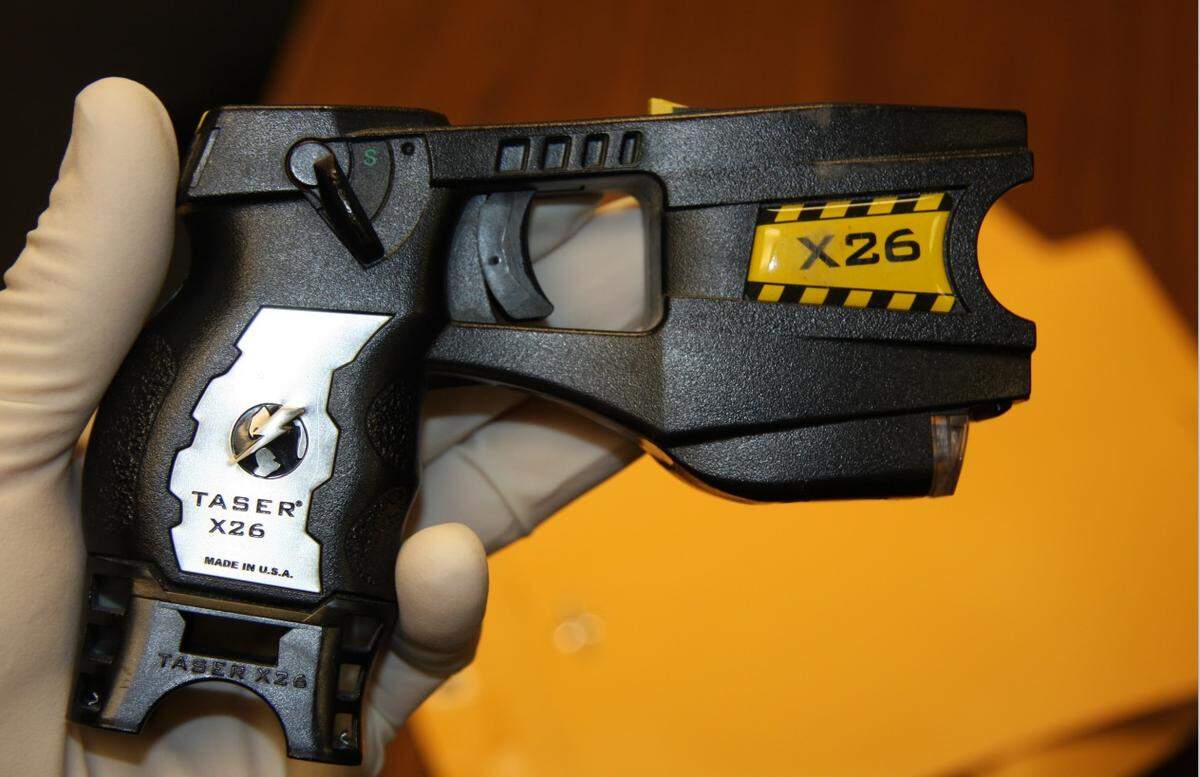
“I got distracted and I just didn’t realize I was doing that,” she told the investigator.
She said Jacobs’ arms were still stiff, so she triggered one more cycle.
Then he fell limp. Officers noticed he was not breathing. He began to drool and became unresponsive. The officers didn’t give him CPR, according to the documents.
His mom watched her son die in her front yard. When Phillips stunned Jacobs the first time, Charlotte Jacobs begged for her to stop.
A grand jury determined the homicide was justified, but the city paid a $2 million settlement to Jacobs’ family.
Phillips still works at the department.
This is the type of call that specially trained dispatchers would have sent to the mental health crisis team in Eugene or to a team in Denver that began in June 2020.
“Denver police were huge advocates of this team,” said Chris Richardson of the Mental Health Center of Denver. “They saw how this benefited their officers by taking calls off their plate that they didn’t need to respond to.”
The idea behind Denver’s team began in 2016 when Mental Health Center employees started to ride with Denver police officers.
“During the process they gave us radios and we thought, ‘Why are we sending officers to some of these calls?’” Richardson said. “What would it look like to have an alternative response?”
The city wanted to find a creative way to respond to those calls, Richardson said. So leaders visited Eugene. The Denver team is supported by a quarter-cent sales tax approved by 85% of voters in 2016. Richardson said the police budget was not affected by the creation of the crisis team.
The team initiated 40 involuntary commitments from the 1,400 calls it responded to during its launch from 2020 to 2021. The team has not used force or made arrests and no one has been injured since its creation, Richardson said.
“We didn’t have any issues with the process and didn’t have to call police for back up on them at all,” Richardson wrote in an email. “Most of the calls we go on don’t rise to the level of involuntary options.”
In Phoenix, Vice Mayor Carlos Garcia said the city noticed there were police shootings that stemmed from 911 calls families had made regarding someone suffering a mental health problem.
“The only option we have for people to get help is the police, and I think that’s very concerning,” Garcia said. “I talked to family members who felt like they played a part in their loved one’s death.”
He hopes the civilian-response team will begin in Phoenix by the summer of 2022. The city expects to spend $15 million from a budget surplus to pay for the group, Garcia said.
Cities such as Denver and Eugene follow guidelines from Crisis Intervention Team International, a Salt Lake City-based association that helps cities develop community-based and humane crisis response teams.
While North Texas departments call their response teams Crisis Intervention Teams, they don’t follow the guidelines set forth by the association, which includes not having armed and uniformed officers respond to non-criminal calls.
The idea is to develop a response team that handles mental health services during crisis situations. Police are involved only when there is a danger or concern about criminal activity, according to executive director Ron Bruno.
In Fort Worth, Arlington, Denton and Grand Prairie police officers work with mental health professionals. Sometimes, a mental health professional isn’t available, and the teams don’t operate 24/7.
This approach doesn’t follow the guidelines set by Crisis Intervention Team International.
“Law enforcement should only be engaged in situations where there is a clear threat to public safety,” the group wrote in a position paper in August.
Police departments often focus too much on police training and not enough on how to properly run their crisis teams, Bruno said.
The Crisis Intervention Team International program is one of the “most well-known crisis intervention type programs but it’s one of the most misunderstood programs that there ever was,” he said. “Over time it was looked at as a police program that was about training officers.”
‘Having a mental illness is not a crime’
Carlos High, 37, put his black Cadillac into park and set his head on the steering wheel. He had recently stopped taking his medication for schizophrenia and bipolar disorder and had been awake for days.
His manic period was ending. He was exhausted. A rifle lay across his lap.
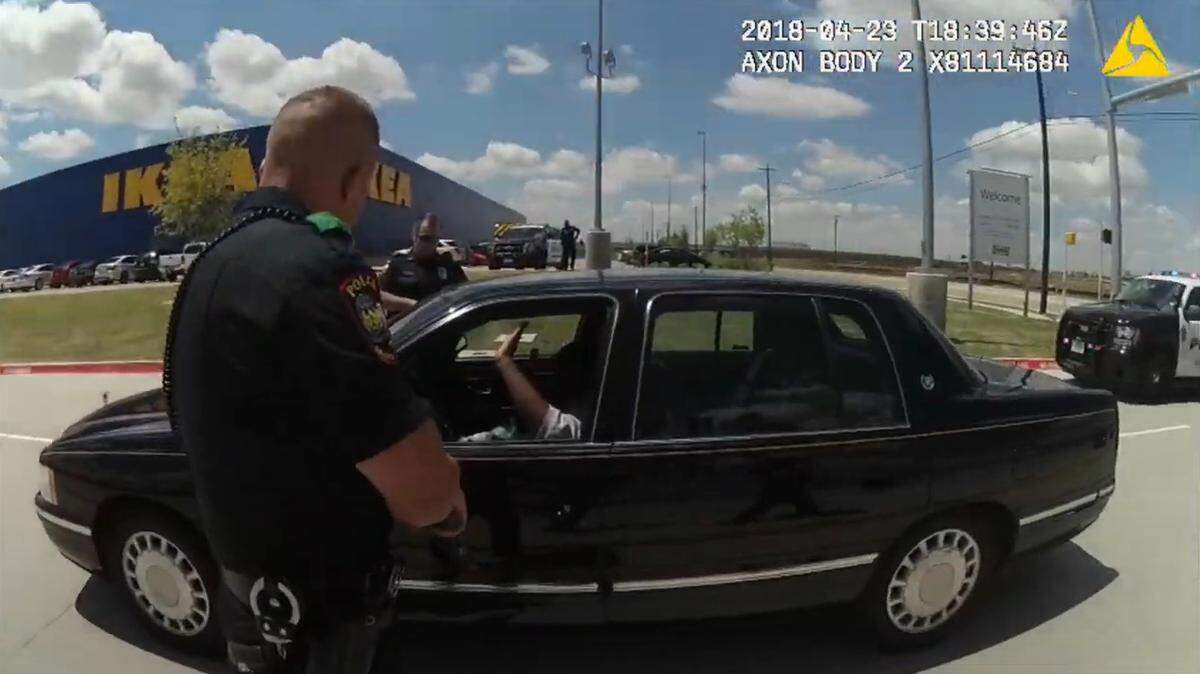
Just before 1:30 p.m. on April 23, 2018, someone called 911 about a man slumped in his car near the entrance of the Ikea store in Grand Prairie.
High had a psychiatry appointment in an hour.
“Just to let you know, there’s a situation going on. My car is tapped,” High told the first officer who arrived, according to body camera footage. “I have the feds watching me now. Can you back up please? I got a loaded gun in my lap.”
High kept talking about how he was being watched and he was on the news. When the officer told him to put his hands up, he did.
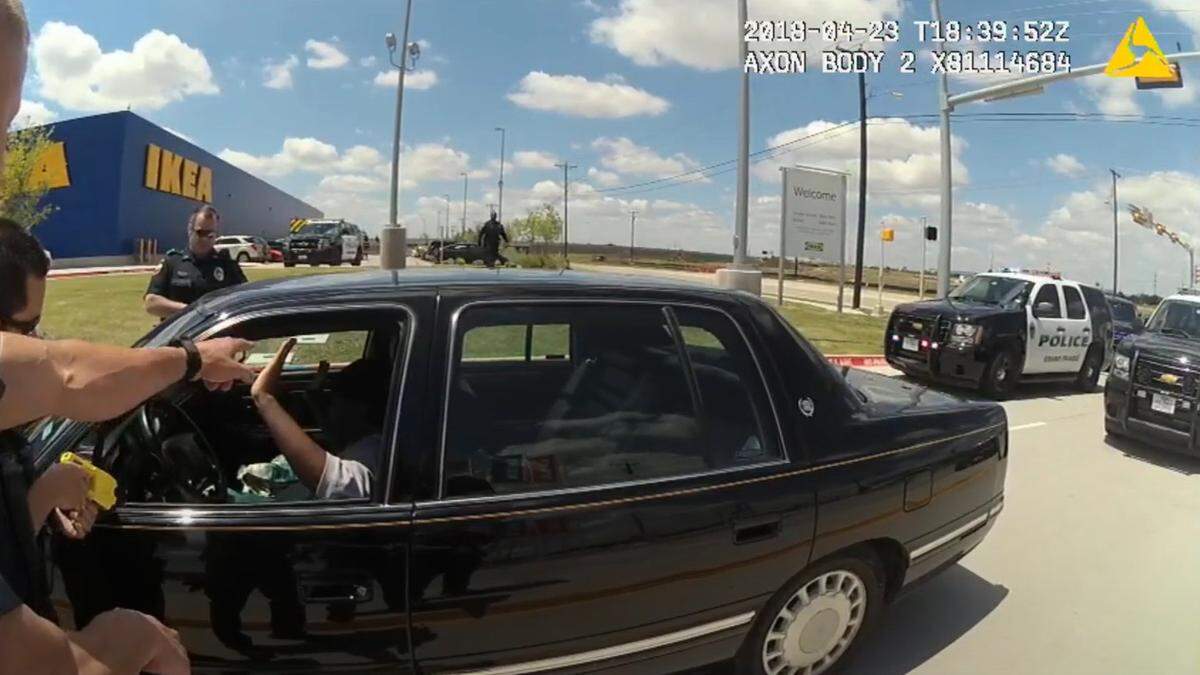
“If my hands are in the air, why are your hands still on your gun?” High asked the officer repeatedly. He became more and more frustrated, yelling.
The officer eventually removed his hand from his holstered gun.
Two minutes later, the officer tried to talk with High some more, and then told him, “I’m gonna reach over and get your gun.”
“You’re not finna reach and do nothing, bro,” High responded quickly, his voice raised. “I already told you, the snipers are right there, bro.”
About four and a half minutes later, another officer who had just arrived quickly walked up to High’s window and looked inside from inches away. The officer spooked High, who had been following directions until that point.
High dropped his right hand, so the officers stepped back, pulled out their weapons and yelled at High to put his hands up again.
“Put your hands up or he’s gonna tase you,” one said.
High’s hands were up, but he then lowered his right hand and reached for the gun, according to the video. Two officers fired at least three shots at High.
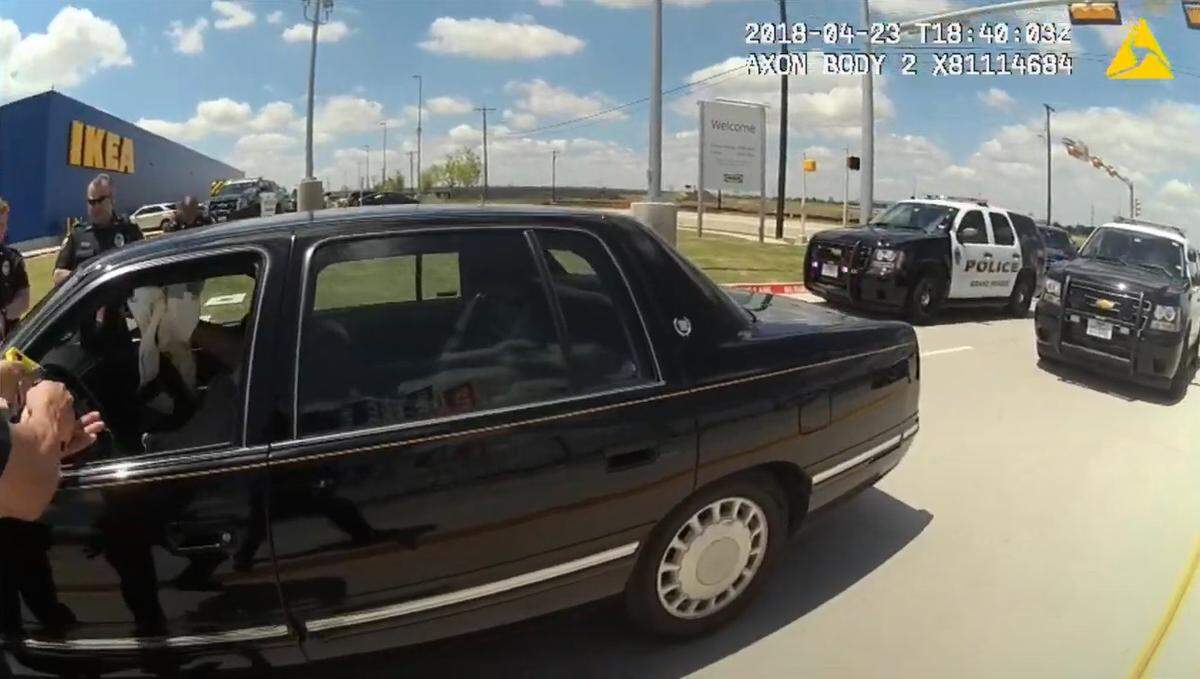
A four-sentence police report reads in part: “During the officer’s encounter with the subject, he displayed a firearm. Officers fired on the suspect, retreated to cover, and began negotiations. SWAT was called to approach the vehicle; when they did the subject was found to be deceased.”
Then-Grand Prairie Police Chief Steve Dye told reporters that High fired his weapon, and he died in a shootout. He later said High never fired the weapon. At that point, the public had largely made up their minds about the case, said Cole, the civil rights attorney from Frisco, who represents High’s family.
“As a gun carrier, he did what he was supposed to,” Cole said. “He let them know that he had a gun and police escalated it.”
Cole believes if police hadn’t responded to the check welfare call or if they had called for a mental health professional, High would be alive. Since they did respond, they should have kept talking to him or given themselves enough distance and cover, she argued.
“Having a mental illness is not a crime,” she said. “I think these officers are very ill equipped to deal with those types of calls. … Any mother with a child with special needs can tell you it’s a tough job and it takes a significant amount of patience. With the current temperament and policies with regards to policing, I do not believe law enforcement should be the go-to agency for handling mental health calls.”
She places the blame on the second officer who quickly walked to the side of the vehicle and got inches away from High before High lowered his right hand. If he, like the first officer, stayed back and continued to talk with High, Cole believes they could have talked him into giving up the rifle or getting out of the car.
‘We’ve got to change the way that our country deals with mental health’
In recent years, North Texas police departments have created programs or adopted policies they believe will help police be more prepared when they respond to mental health calls. Until the effort made public at Tuesday’s Fort Worth City Council meeting, none broke from the practice of having armed officers respond first to non-criminal mental health calls.
Two therapists are available to help Grand Prairie police, who have also built a database of people with mental health issues who voluntarily share their information with the department. Arlington plans to build a similar database.
The idea is to equip officers with more information about how to help people on calls, said Grand Prairie city council member Jeff Copeland, who came up with the idea.
Lovitt, with the National Alliance on Mental Illness, said his group is not in favor of databases that identify people as having a mental illness.
“First, because of the privacy issue, and also because it could lead to some stigmatization,” he said. “That could have some negative consequences and it could, in turn, create more biased behavior from law enforcement or emergency medical providers.”
Denton’s mental health division began work in May, about a year and a half after Tarver was fatally shot outside of his apartment.
Four teams include an officer, a certified mental health officer and a licensed clinician, said Sara Gawor, a licensed clinical social worker and co-manager of the division.
Sen. John Cornyn, R-Texas, wants to take the responsibility of mental health calls from police and give it to licensed professional counselors and other mental health providers.
Under the Behavioral Health Crisis Services Expansion Act, introduced by Cornyn and Sen. Catherine Cortez Masto, D-Nevada, trained professionals would take on common mental health calls that are now sent to law enforcement.
“We’ve got to change the way that our country deals with mental health,” Cortez-Masto said. “If you’re experiencing a mental health crisis, you should be able to get easy and reliable help from trained behavioral health providers.”
Cornyn was not available for an interview.
After a visit with the police chiefs from Dallas, Fort Worth and Arlington in April, Cornyn said police are too often asked to be social workers or mental health crisis managers.
“They need to keep the bad guys at bay and protect the community,” he said at the time.
Armintor, the Denton city council member, believes the creation of a mental health unit in her city is an improvement, but wishes officers were better trained to recognize mental illness. Ideally, she said, they wouldn’t be part of mental health calls at all.
“Just because police are part of the problem doesn’t mean they have to be part of the solution,” she said.
BEHIND THE STORY
MOREHow we did this story
In the beginning of 2020, reporter Nichole Manna created a database of police shootings in 11 Dallas-Fort Worth area counties by combing through media reports and Texas Attorney General records.
Once finished, she noticed that about one in three of the deaths involved someone who was in mental distress at the time 911 was called or someone who had been known to struggle with their mental health.
Manna called and emailed police departments to ask how they handled 911 mental health calls. She filed 105 record requests for 911 call sheets, police reports and body camera footage. She read through 1,661 pages of reports and viewed more than three hours of police body camera video. These record requests cost the newspaper $1,600.
While reporting, Manna rode with the Fort Worth Police Department’s Crisis Intervention Team and later with the Olympia, Washington, Police Department’s Crisis Response Unit. Manna also interviewed police, families of victims and mental health advocates and professionals.
This story was originally published November 21, 2021 at 5:15 AM.