
We talked to an expert about which snakes to watch out for in North Texas
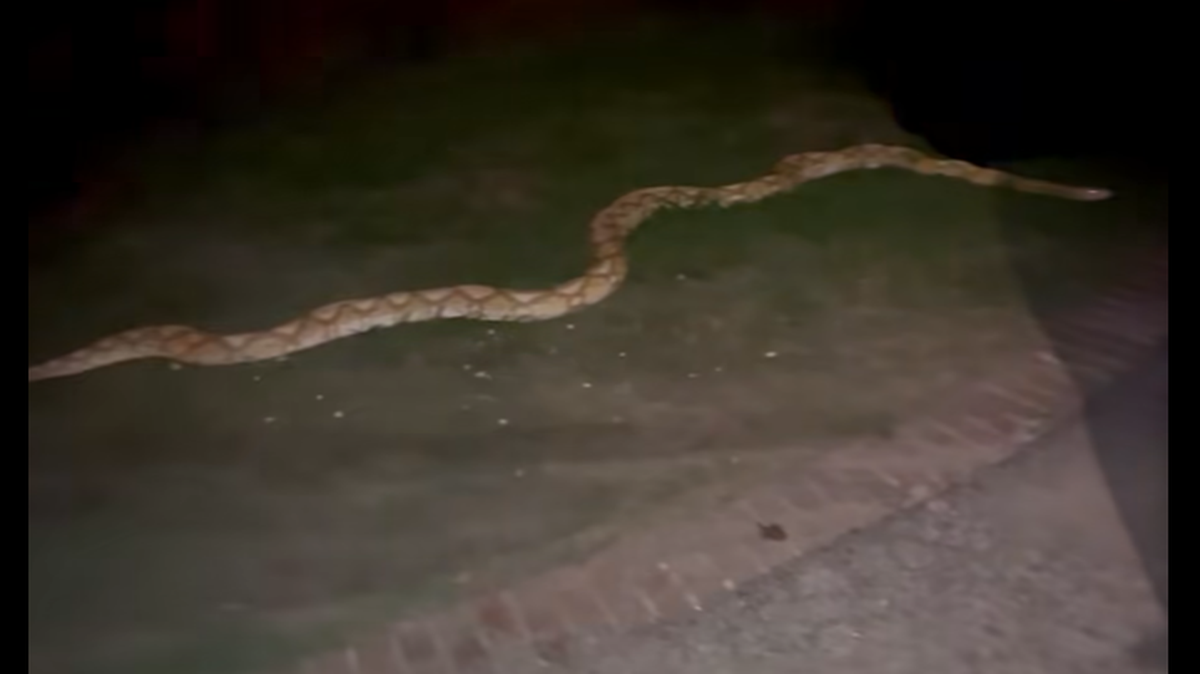
In Texas, wildlife is common — but snakes are one animal most don’t want to encounter.
According to Texas Parks and Wildlife, snakes are present in all 254 counties in Texas. It is not unlikely to run into these slithering friends, especially during warmer weather.
However, “snakes play a key role in the balance of nature,” according to TPWD. Snakes, venomous or not, maintain the balance of nature by eating their prey, such as earthworms, rodents and even other snakes.
Though you can’t really plan when you run into a snake, the best thing to know is whether or not it is venomous. Here’s some helpful tips about snakes and what to do if you encounter one.
How many types of snakes are found in Texas?
Texas is home to 105 species of snakes, with 15 being venomous.
Pit vipers and North American cobras are the two species of venomous snakes found in the Lone Star state. With an opening on each side of their head between the eye and nostril, pit vipers are broken into three groups: copperheads, cottonmouths and rattlesnakes, according to TPWD.
- Cottonmouths - Dark brown, olive green or completely black.
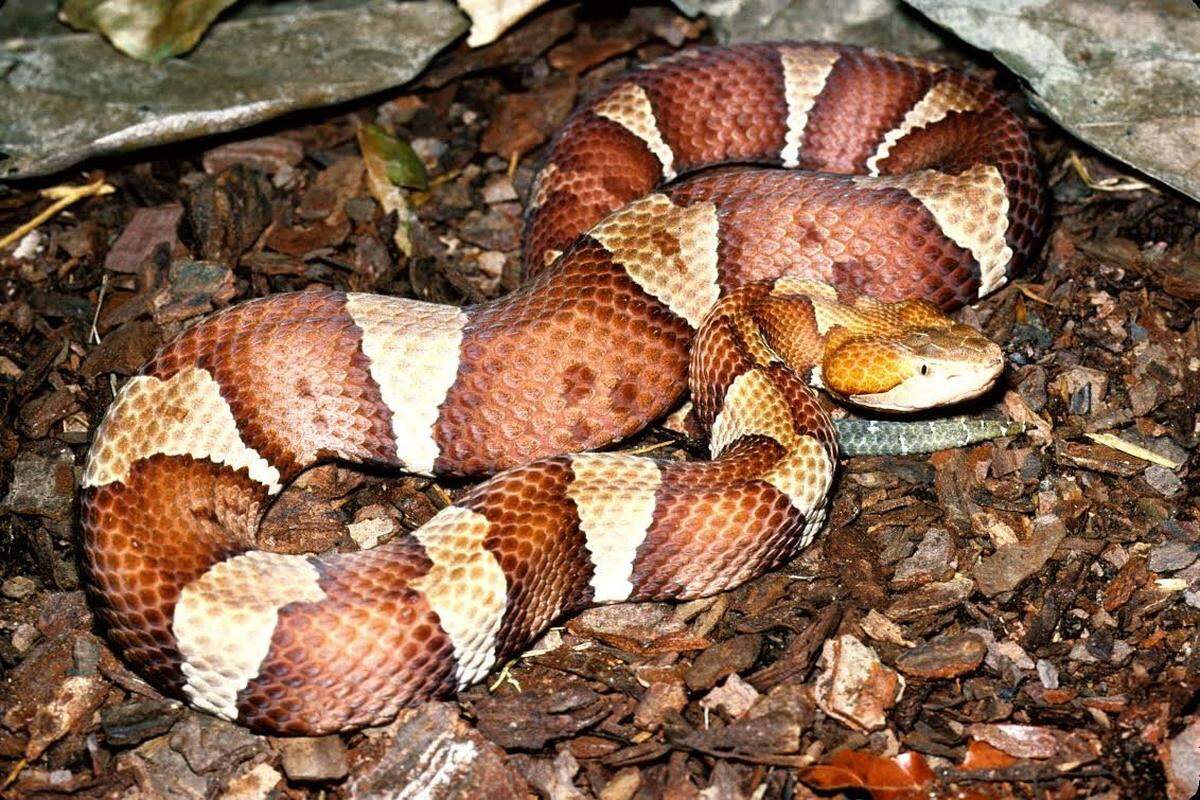
- Southern copperhead - Pale brown to light tan.
- Broadband copperhead - Light tan to dark brown.
- Trans-pecos copperhead - Light tan to reddish brown.
- Western massasauga rattlesnake - Light gray with brown oval spots.
- Desert massasauga rattlesnake - Lighter in color than the western and smaller.
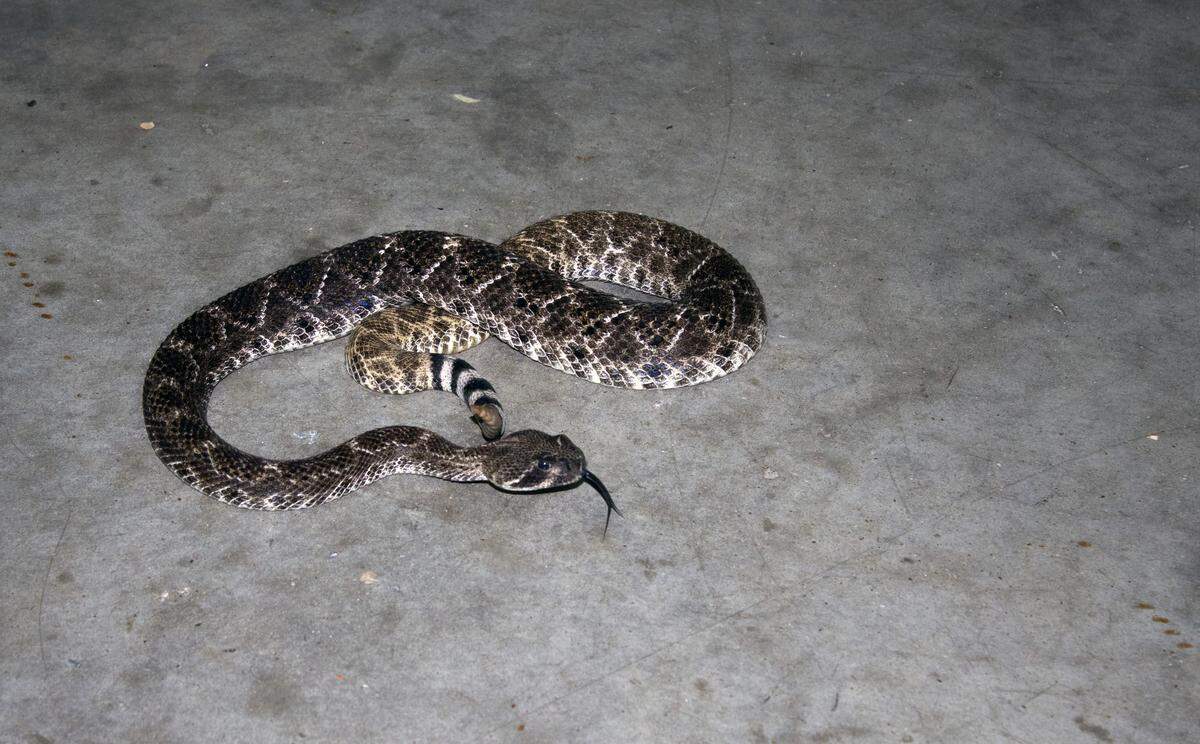
- Western diamondback - Brown with diamond shaped markings.
- Timber rattlesnake - Brown or tan and large.
- Mottled Rock rattlesnake - Light gray, sometimes pink hue with dark cross brands.
- Banded Rock rattlesnake - Similar to mottled rock with darker green color.
- Black-tailed rattlesnake - Gray to olive green with a black tail.
- Mojave rattlesnake - Similar color to western diamond back but smaller.
- Prairie rattlesnake - Green or gray with round blotches.
- Western pygmy rattlesnake - Light brownish gray with dark blotches.
The North American cobras Texans have to lookout for are coral snakes, which are red and black with yellow rings around its body.
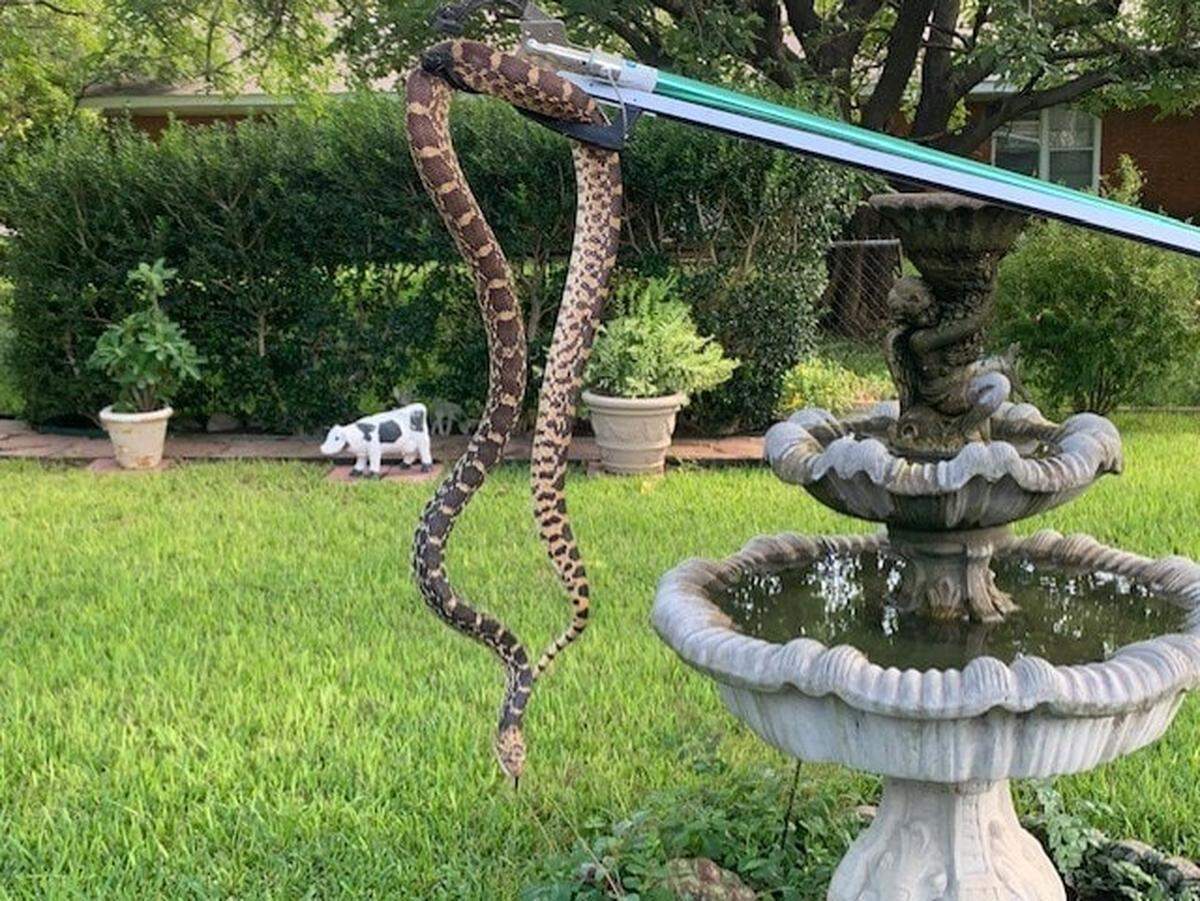
Non-venomous serpents include rat, garter, bull and water snakes.
What snakes are found in North Texas?
Randall Kennedy, owner of Dallas Fort Worth Wildlife Control, is very knowledgeable on which snakes are present in North Texas. His company is all about taking care of wildlife, including snake removal.
The most common venomous snakes across the Metroplex are cottonmouths, copperheads and the western diamond rattlesnake, Kennedy said. Among the common non-venomous snakes found around here are garter, rat and bull snakes.
What should you do if you come across a snake?
Kennedy recommends staying away from snakes — don’t try and get closer to the snake to identify it. Instead, snap a picture of the snake.
Photos work better than videos in helping identify snakes, since it’s a clearer and still image, Kennedy said. As soon as someone sees a snake, snap a photo. Dallas Fort Worth Wildlife Control can identify the snake via a text message.
While taking a picture of the snake, people should remain a safe distance away and keep an eye on it, Kennedy said.
“There’s not much we can do if we get there and the snake is not there,” Kennedy said. “But if it is a venomous snake, we’re gonna want that snake off the property.”
What should you do if you’re bitten by a snake?
No matter what kind of snake, Kennedy recommends seeking medical attention immediately after getting bit.
Even if people don’t know what species of snake bit them, calling 911 and getting immediate care is important, Kennedy said.
“Better safe than sorry,” he said.
Can you ‘snakeproof’ your property?
Dallas Fort Worth Wildlife Control does exclusion work, which helps deter snakes from properties. Here are some more tips on preventing snakes from getting in your house.
In the process, gaps and cracks in the property are filled up and back covers are built. Most homes across the country are not built to keep animals out, Kennedy said.
A majority of the time when they get a snake call, its because the property has roof rats, Kennedy said. These rats live in roofs and can cause major attic damage to homes.
“[They’re] a massive food source for snakes,” Kennedy said. “Usually if you’re seeing big snakes in the yard, a good place to look is up in the attic.”
How often do people report snake encounters?
Dallas Fort Worth Wildlife Control gets around two to ten calls a day reporting snakes during the season, Kennedy said.
Since snake season starts in early March and ends around December, they stay busy, Kennedy said. January and February are the slow times for snakes.
Are snakes good for the environment?
Despite their venomous brethren, there are so-called “good” snakes, Kennedy said.
Most of the calls Kennedy gets are for non-venomous, and he doesn’t recommend killing snakes even if they’re deadly. The good non-venomous snakes are around to eat little critters, while the bad ones need to be relocated to a more suitable place.
Once a snake is killed, there’s a gap in nature and something’s going to fill it, whether that be good or bad.
“Now you’re at a flip of a coin because you kill a rat snake,” Kennedy said. “Now it can be replaced with a copperhead, rattlesnake, anything like that. Nature is always going to balance itself out.”
This story was originally published July 30, 2025 at 12:50 PM.