
A new list says Texas ticks are among the worst in the U.S. How to prevent bites
Texas is ranked third in the country for states with the worst ticks, according to a new ranking from Terminix.
Ticks are the most active during spring and summer months. As people spend more time outdoors in the warm weather, there is greater chance of interacting with the pests, according to the Texas Department of State Health Services. (DSHS).
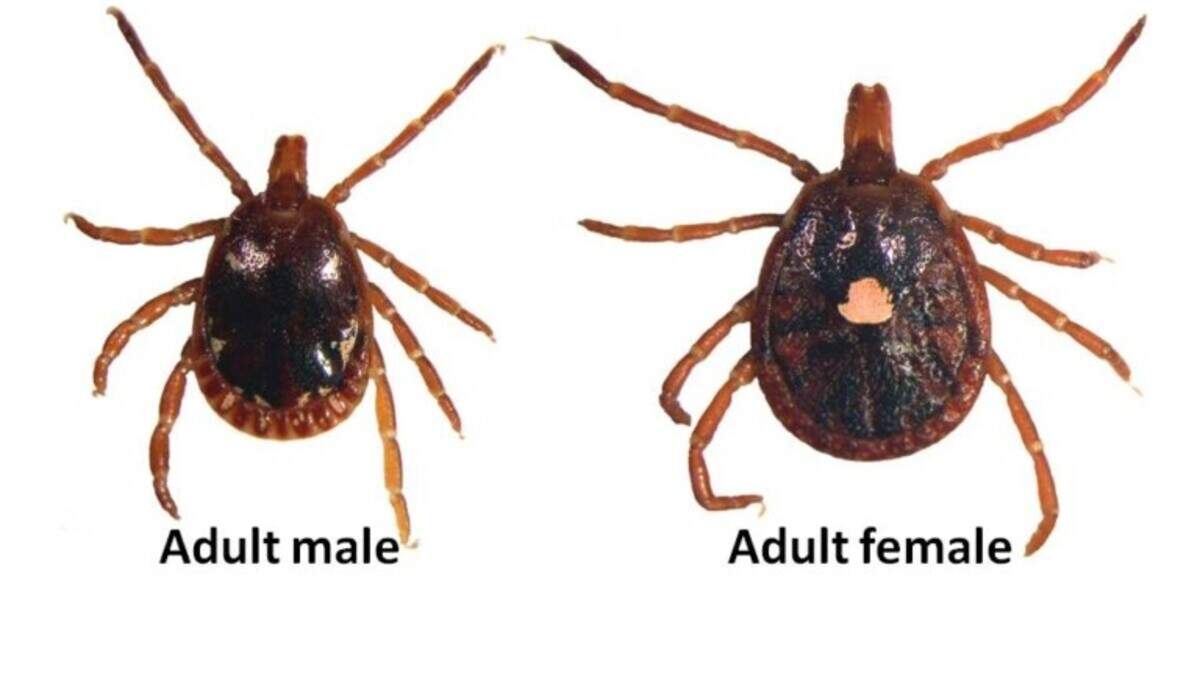
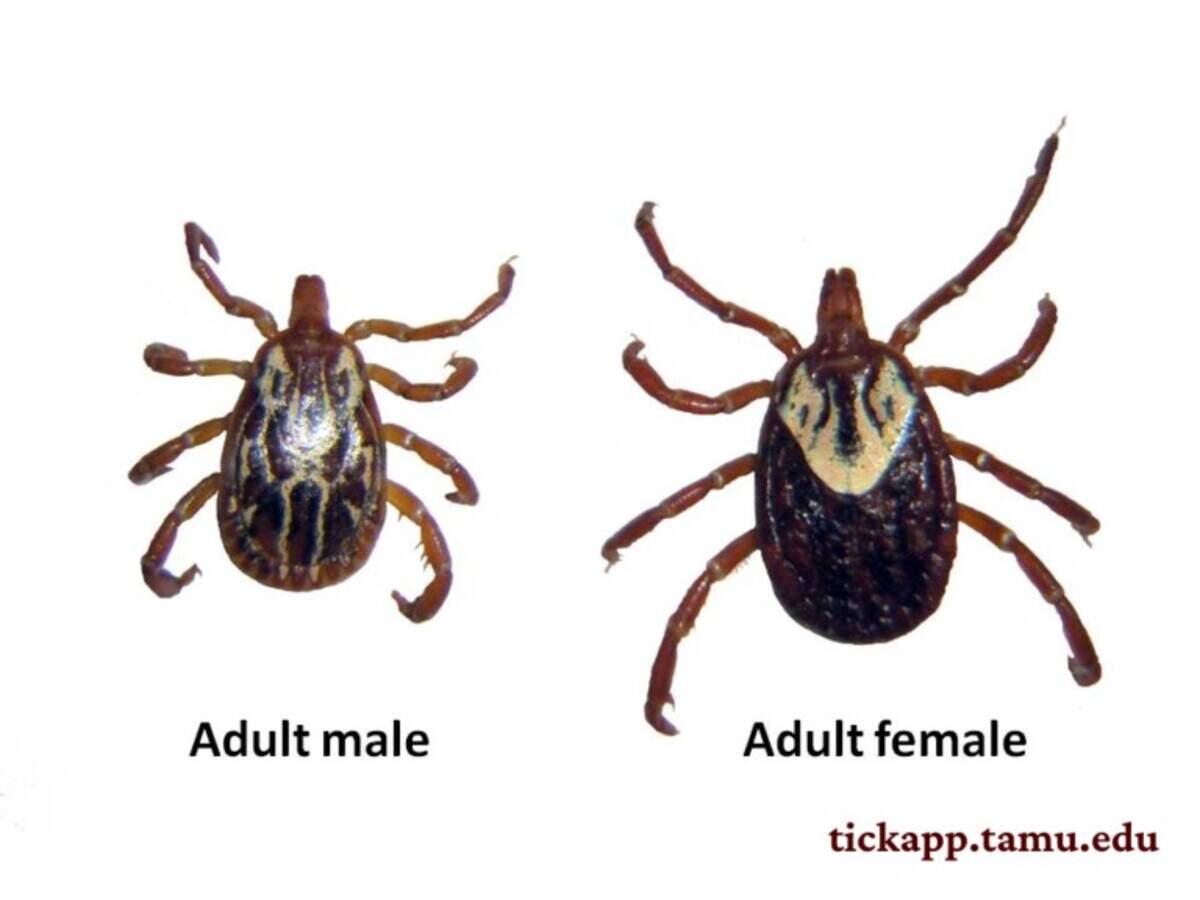
There are two common species of ticks in the Lone Star State– the Lone Star tick and the Gulf Coast tick. The Lone Star tick is only active during the warmer months, while the Gulf Coast tick stays active year-round, according to Texas A&M AgriLife.
Ticks need blood to survive. So, they feed on birds, deer, cattle, coyotes, horses, feral swine, sheep, dogs, and humans. Both animals and humans can contract illnesses from these vampire insects.
The University of North Texas Health Lab has also seen an increase in tick-related visits this summer. They are conducting free testing for those who bring in ticks. However, here are some things you should know to avoid an unwanted guest.
What do ticks look like?
Ticks are small arachnids with an ovular shaped body.
According to Texas A&M Agrilife, Ticks go through three stages of life– six-legged larva, nymph and eight-legged adult.
In their larva stage (right after being hatched from eggs), they are so small they appear as a little red dot.
Nymphs and eight-legged adults are larger than the larva stage, and range in size depending on the species.
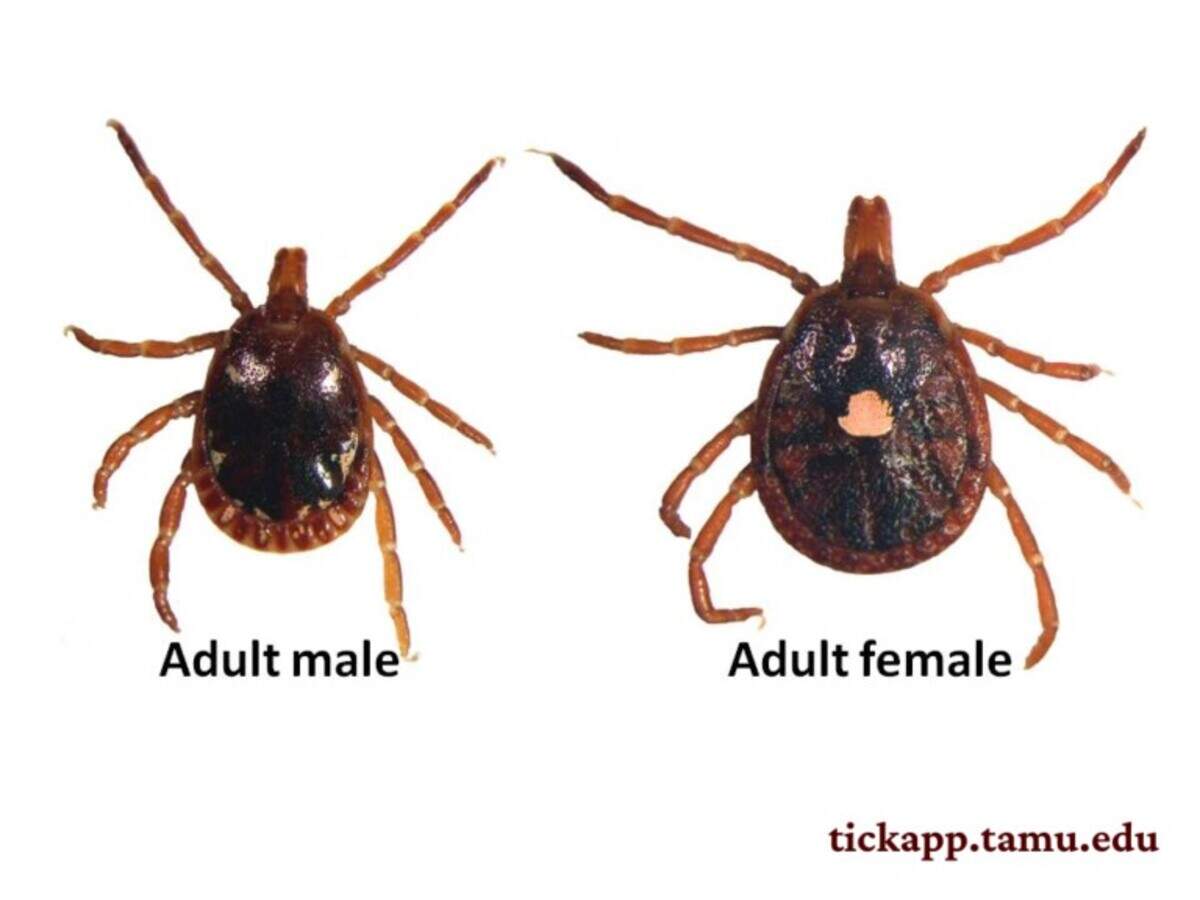
The Lone Star tick is reddish and brown in color. The females range in size from four to six millimeters when they are unfed and up to 16 mm when they are feasting (16 mm is about 2.5 cm). Males are always around two to five millimeters in size.
The Gulf Coast tick is also reddish-brown in color. A small- to medium-sized Gulf Coast tick is three to seven millimeters long. The females can reach up to 18 mm at full feasting.
Where are you most likely to get bit by a tick in Texas ?
Ticks inhabit grassy prairies and wooded areas. Be especially careful in rural lands that have lots of grass, trees and bushes.
The Lone Star tick is found in mostly all parts of Texas, besides the western-most region. The Gulf Coast tick is found across 100 miles of the Gulf Coast from Texas to South Carolina.
What to do if you get bit by a tick
If you do spend time in tall grassy areas, Terminix suggests thoroughly checking your full body for a tick.
If you do spot a tick, it is best to remove it immediately.
According to Texas A&M, to safely remove a tick, follow these steps.
Use fine-tipped tweezers or a tick-removal tool to grasp the tick as close to the skin as possible.
Pull straight out with steady, even pressure. Do not twist or jerk. And do not burn or use chemicals to remove the pest.
Clean the area with an alcohol swab or antiseptic after removing the whole tick.
What illnesses can you contract from a Texas tick?
Humans can contract a fever or disease from a tick bite.
According to DSHS, humans could get:
Lyme Disease: Texas is a low-risk state for Lyme disease. Though it is rare, there are some cases. Lyme disease symptoms include skin lesions or rash, fever, fatigue, headache, muscle and joint aches. If left untreated, severe damage to the joints, heart, and nervous system.
Rocky Mountain Spotted Fever: symptoms include fever and a measles-like rash. If not treated it can become a serious illness and even cause death.
Tick-borne Relapsing Fever (TBRF): Normally contracted during cave explorations or sleeping in cabins. Symptoms include fever, headache, muscle and joint aches, and nausea. Very similar symptoms of Lyme disease and TBRF patients can even test positive for Lymes.
Tularemia: Can be infected by handling animals or humans sick from tick-illnesses. Symptoms are broad but can include fever, malaise, skin lesions, and swollen lymph nodes.
Again, if you remove the tick and save it, you can send it to the Texas DSHS Zoonosis Control office. They are only accepting ticks removed from humans. You can find detailed instructions here.
How to prevent tick bites
To prevent possible tick bites, Texas A&M Agrilife suggests:
Wear light-colored clothing to easily spot the brown bug.
Tuck pants into socks or boots if walking through tall grasses.
Use mask-tape barriers around your ankles and wrists with the stick side facing out to trap ticks.
Apply an EPA-approved tick repellent.
This story was originally published July 23, 2025 at 5:20 PM.