
How to prevent Texas snakes from getting into your home, according to an expert
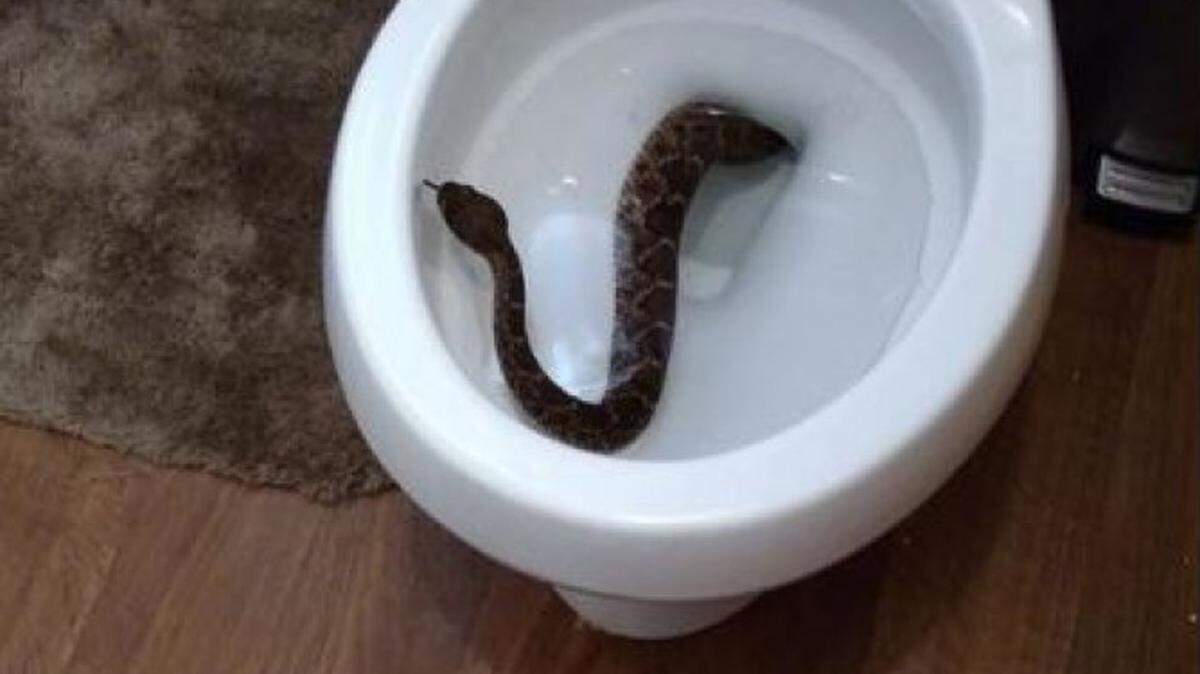
The above photo of a snake emerging from a Texas toilet is a real possibility. But how often does this happen?
Dallas-Fort Worth Herpetological Society President Mark Pyle said finding a snake in a garage, toilet, or under the foundation of an old house is common because those are the places most rodents tend to be. And if you do find a snake and kill it, the severed head could still bite you.
However, the best way to avoid running into a snake around the house is to reduce its potential shelter or food, according to Texas A&M AgriLife Extension Service wildlife specialist Maureen Frank.
Here’s what you should know about venomous snakes in North Texas.
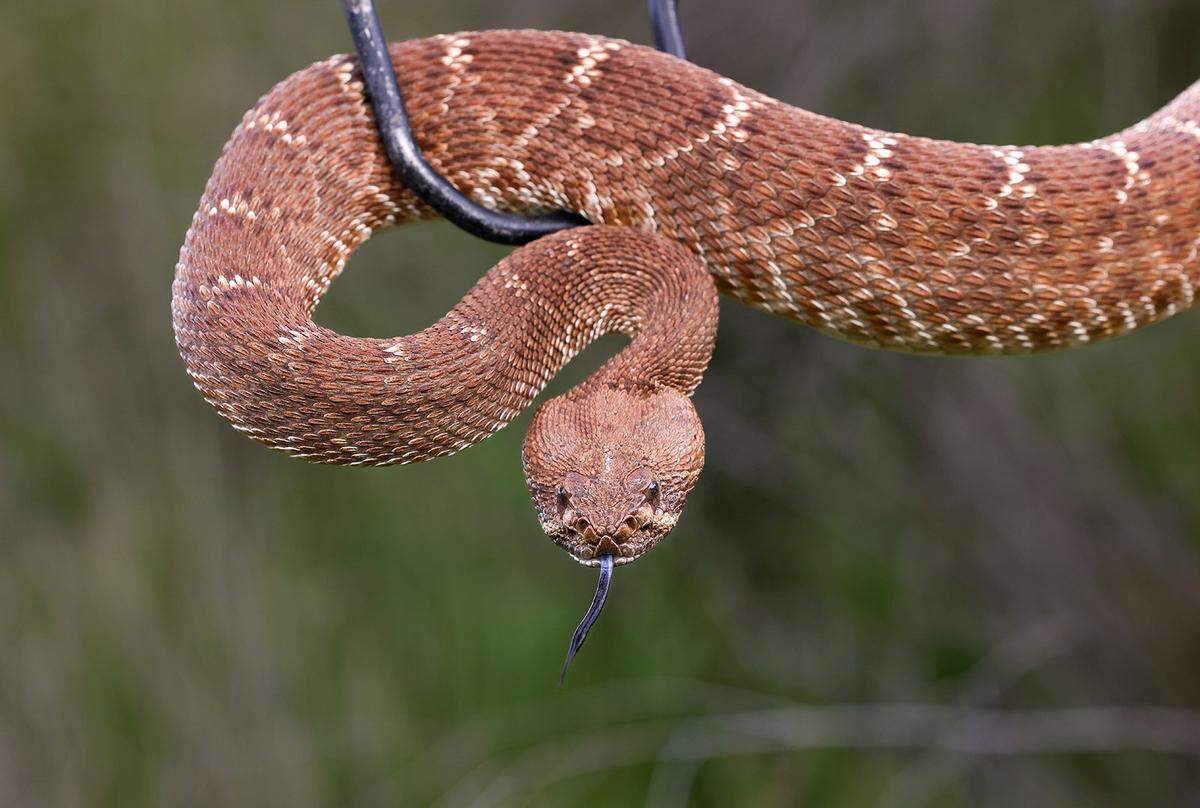
Venomous snakes in North Texas
There are more than 105 species of snakes in Texas, and 15 are venomous. The most common type of venomous snake in Texas is the rattlesnake, according to Texas Parks and Wildlife.
Pyle said rattlesnakes hibernate in the winter and emerge from their dens at the end of March when temperatures get to near 80 degrees in Texas.
“People and rattlesnakes enjoy the same temperatures so when it’s really nice for you to be outside and enjoy the sun, that’s when a lot of snakes like to be out too, “ he said.
The Eastern massasauga and Western diamondback are the most common rattlesnake in North Texas. Although they can be spotted outside at any time of day, the snakes are most active in the early morning and late evening.
Rattlesnakes tend to seek cool spots to avoid overheating in hot weather. They can be found under shady places like logs, rocks, large shrubs, and woodpiles.
How to reduce snake encounters in your home
Frank suggests these tips for reducing potential food and shelter for snakes in your home:
Know that there are no chemical repellents that work to repel snakes from your home.
“Cutting the grass, removing brush and debris, and trimming the lower branches on bushes and trees will go a long way in reducing the places a snake might want to hide,” Frank said.
Remove hiding spots for both snakes and their prey– trash, lumber, plywood, sheet metal and other debris.
When removing debris, use a shovel or stick and always wear gloves in case you encounter a hiding snake.
Never reach into low-hanging plants or bushes where a snake may hide. Watch for your children and pets who do so.
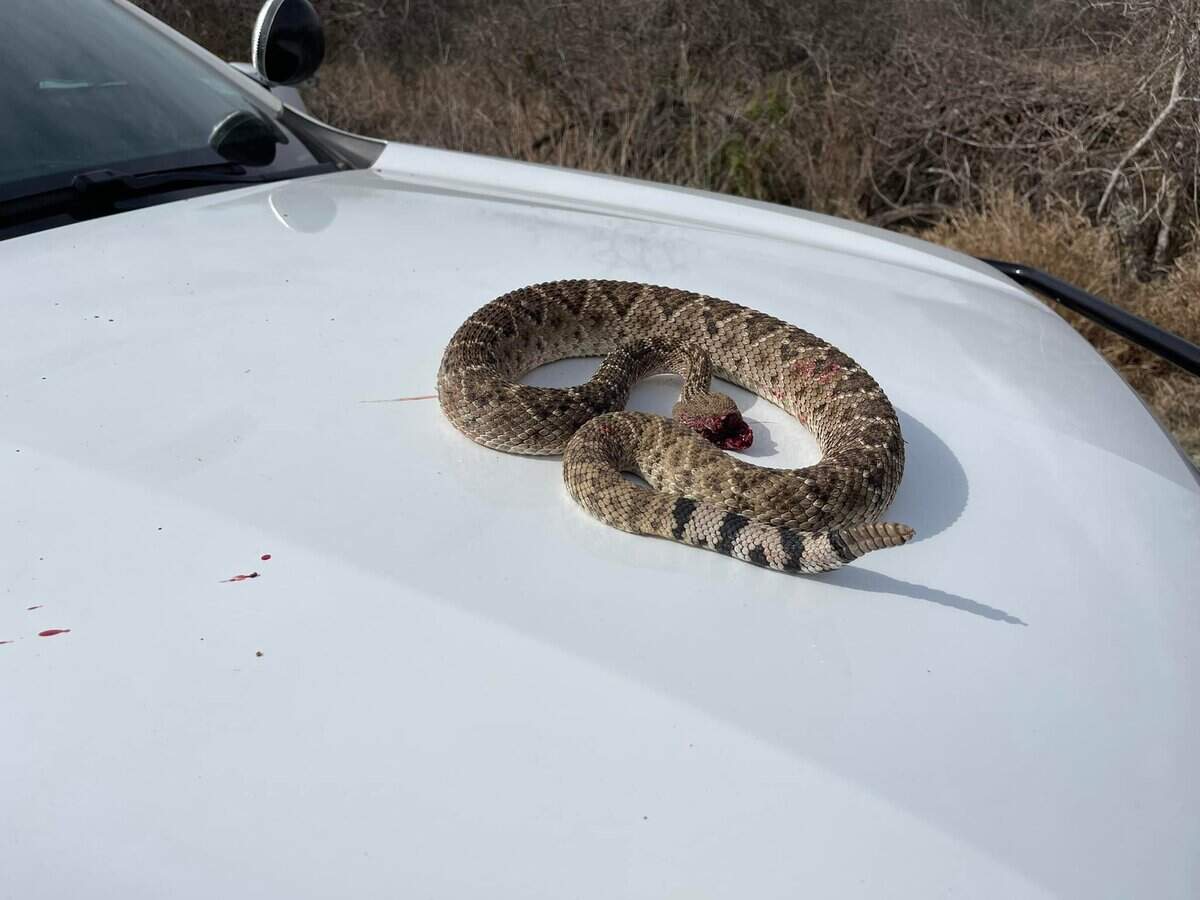
What to do if you encounter a rattlesnake
Rattlesnakes are venomous, Pyle said, so if you see one you should move to a safe place.
“Get somewhere safe as soon as possible then snap a quick photo,” he said. “I would recommend going on to the ‘What kind of snake is this North Texas’ educational Facebook group and posting a picture and asking for some help.”
Pyle said the snake won’t bite you unless it feels threatened, so upon spotting it, just leave it alone.
“You don’t need a warning sign for them to bite, just assume that if you’re in strike range you’re in danger,” the snake expert said. “Rattlesnakes do rattle but they don’t always rattle before they strike.”
If you do get bitten by the snake, Pyle recommends staying calm and taking off any piece of clothing around the bite because the area will swell.
“You can draw a circle around the bite site and put a time on there because that’ll help doctors later on to see what time you got bit,” Pyle said. “Then every 15 minutes, you can mark the edge of swelling with a marker and put the time on that so when you get to the hospital, they can see how fast that progression is going.
“If you’re on a hiking trail somewhere and don’t have access to a pen or marker, you can take photos of the bite with your phone and use its timestamp,” he said.
After marking the spots, Pyle said, you should call someone near by and have them take you to the hospital or call 911.
He also recommends not driving because your blood pressure could drop or you could lose consciousness after the bite.
_fitted.png "Screenshot (1073)_fitted.png")
Here’s what not to do if you are bitten by a snake in Texas
Do not try to suck venom from the bite wound.
Do not make cuts over the snake bite.
Do not apply a tourniquet or other constricting device.
Do not apply a cold pack or ice to the snake bite.
Do not apply an electrical shock to the snake bite.
Do not take pain reliever or other medications unless instructed to do so by a physician.
Do not drink alcoholic beverages.
Do not administer antivenom yourself.
This story was inspired by previous reporting from the Star-Telegram’s Tiffani Jackson.