
This roach-like water insect has venomous saliva and bites in between human toes
This critter that’s present in North Texas waters is something you can’t always see, but you may feel.
Have you ever heard of a Texas toe biter?
This roach-looking insect has a sharp beak that brings a painful bite. Their front legs are equipped with claws to latch onto their prey and inject a venomous saliva. The toe-biter’s venom first paralyzes its prey and then dissolves its insides.
They’re nicknamed “toe biters” because they are known to bite between human toes. And while the bite is awfully painful, the venom is harmless to humans (unless one has an allergic reaction).
You can find them in freshwater sources or near lights at night. Their busiest season is from late summer to early fall, however, humans come in contact with them most commonly in winter, when they are keeping warm underwater.
So before you swim this summer, here’s what you need to know to avoid a Texas toe-biter.
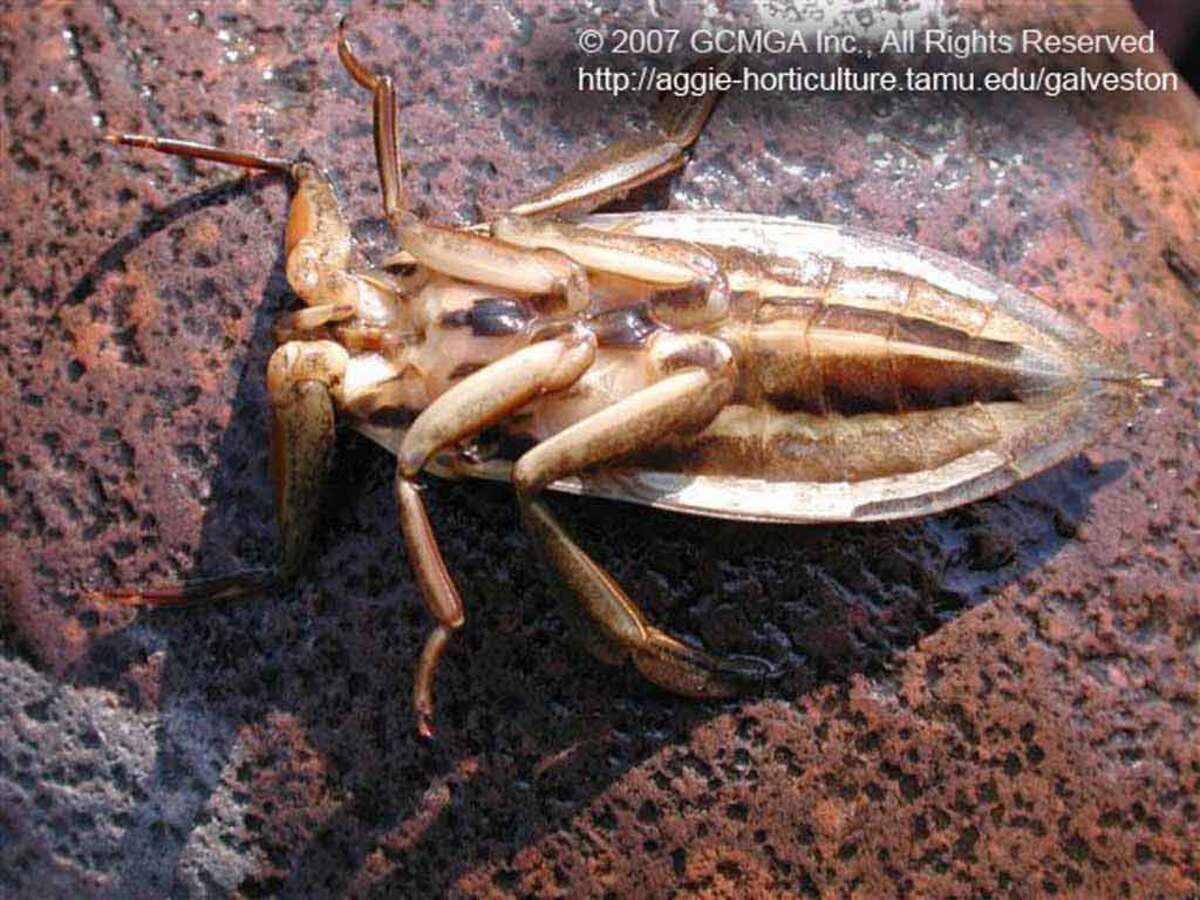
What does a Texas toe-biter look like?
Texas toe-biters are known as “Giant water bugs” (Lethocerus americanus), according to Texas A&M Agriflife.
These waterbugs can grow up to four inches in size and resemble a roach or beetle. They are rather flat, with an ovular-shaped body. What makes them hard to see is their tannish-brown color that easily blends into nature.
They have two sets of wings which allow adult bugs to fly well, which is why you will commonly find them near lights at night.
In water, Texas toe-biters are normally found around vegetation or patches with slow moving water. During winter months, they venture to deeper parts of water to stay active.
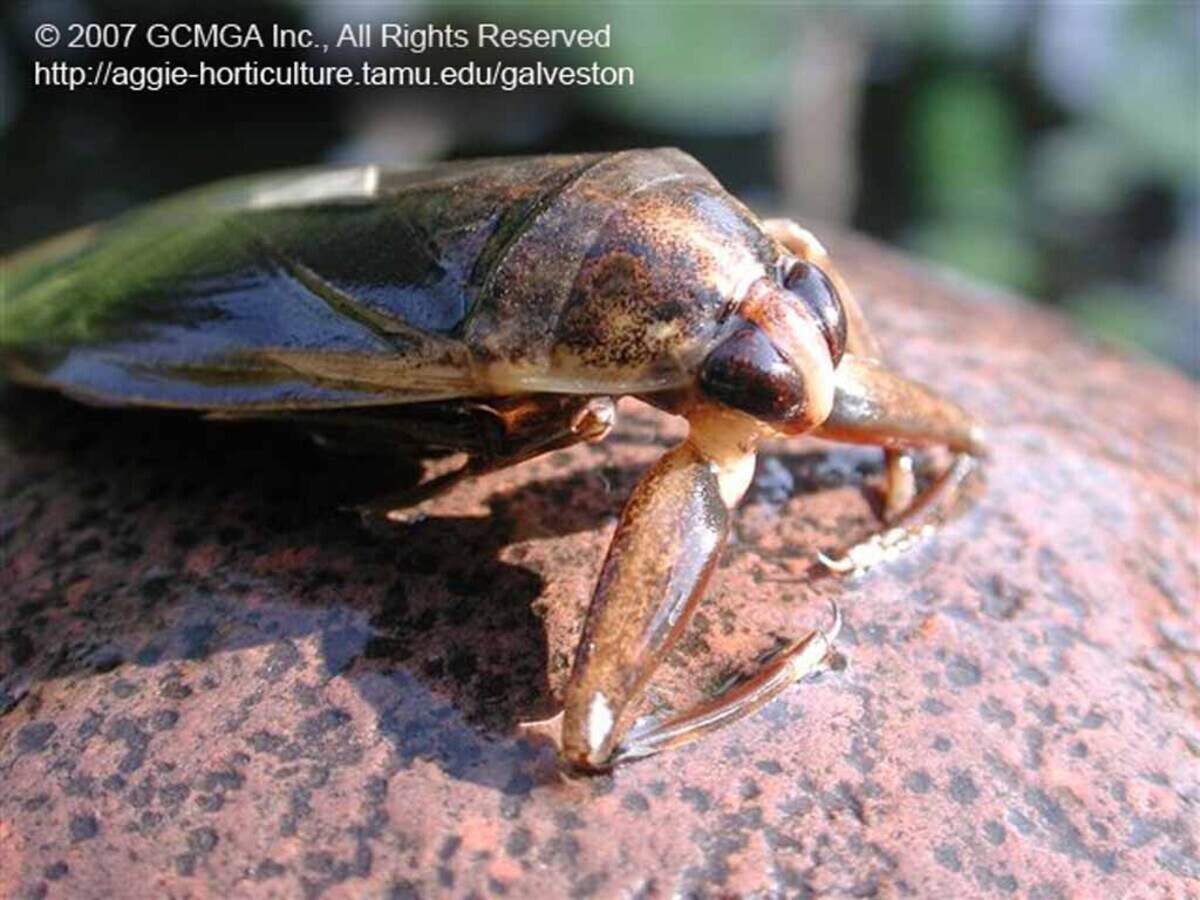
What does a Texas toe-biter bite feel like?
The Texas toe-biter is also known as a “water scorpion” because of its stinging bite.
Wizzie Brown, an entomologist with the Texas A&M Agrilife Extension, explained the feeling when he got bit by one.
“It just hurt,” he told Austin’s NBC affiliate KXAN. “If you allow it to bite you, they do have enzymes in the saliva that they’re injecting into you. So when they’re feeding, that helps to break down the muscle tissue of whatever they’re feeding on. And that allows them to then slurp up the juices, but if they’re doing that with a person, it’s still the same enzyme. So it’s going to hurt but you’re not going to have your hand dissolve or something. Though it is a nuisance that creates a little discomfort.”
Brown said the pain lasted around a day, though it depends on the person and how their body reacts to pain.
Most people will not need medical attention for a Giant water bug bite. However, if you feel as though you are having an allergic reaction, it’s best to call 911.