Child dies in west Texas measles outbreak, officials say. What to know about vaccinations
READ MORE
Measles in Texas
Tarrant County has confirmed its first measles cases. Follow our reporting on the Texas outbreak.
Expand All
An unvaccinated child in west Texas died from measles, state officials announced Feb. 26.
This is the first death from the Texas measles outbreak that began late last month, and is the first death from measles in the United States since 2015.
The child was “a school-aged child who was not vaccinated and was hospitalized in Lubbock,” according to Texas DSHS.
As of Feb. 26, the west Texas measles outbreak has spread to 124 confirmed cases in nine counties, mostly concentrated in Gaines County in west Texas.
Texas state health officials say this is the largest measles outbreak in the state in nearly 30 years. Eastern New Mexico has also reported nine cases.
North Texas measles case
Texas DSHS has confirmed Wednesday, Feb. 26, a case of measles in North Texas, according to a news release and reported by Star-Telegram news partners WFAA. The confirmed case of measles was discovered in an unvaccinated adult in Rockwall County and reported to Texas DSHS on Feb. 25, according to the release.
Rockwall County Emergency Management Department told WFAA that the patient is currently hospitalized, and said the patient recently traveled internationally.
Officials do not believe this case is connected to the west Texas outbreak.
Texas State University measles case
In addition to the above cases, someone from Gaines County who tested positive for measles visited Texas State University’s campus in San Marcos and the surrounding areas in central Texas on Feb. 14, according to a statement from the university.
Texas health officials are warning anyone who was in that region that they may have been exposed to measles.
Texas DSHS is collaborating with Hays County to reach out to potential exposure victims.
Here’s what else you should know about measles in Texas.
What is measles?
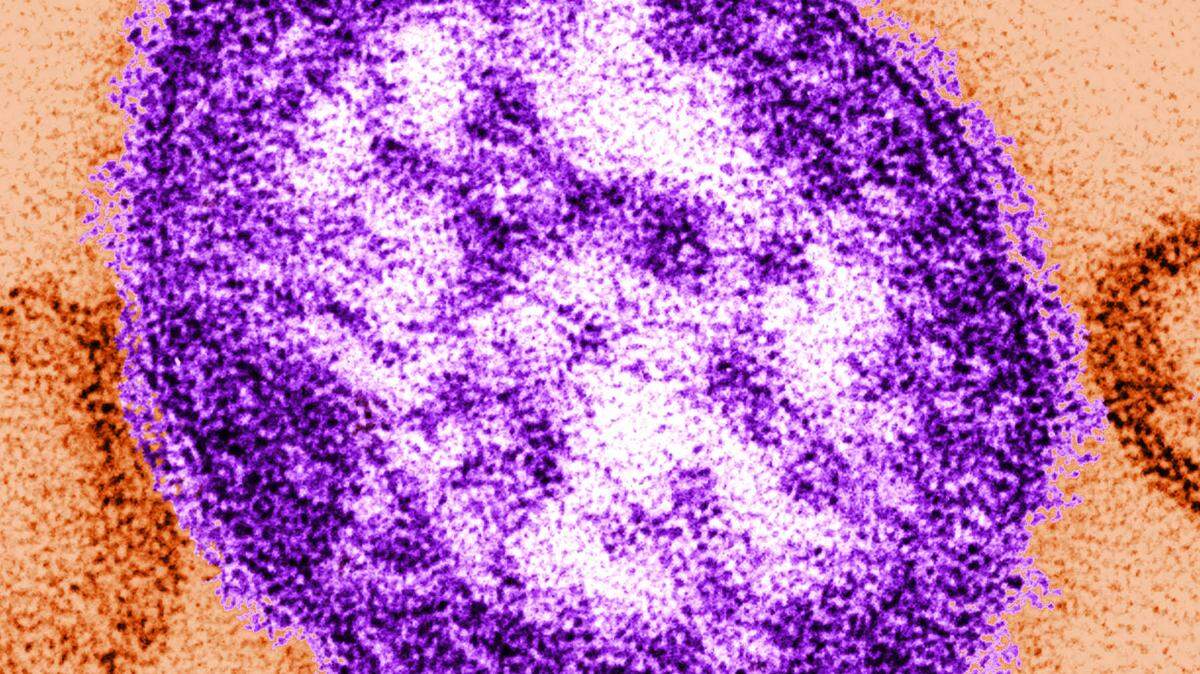
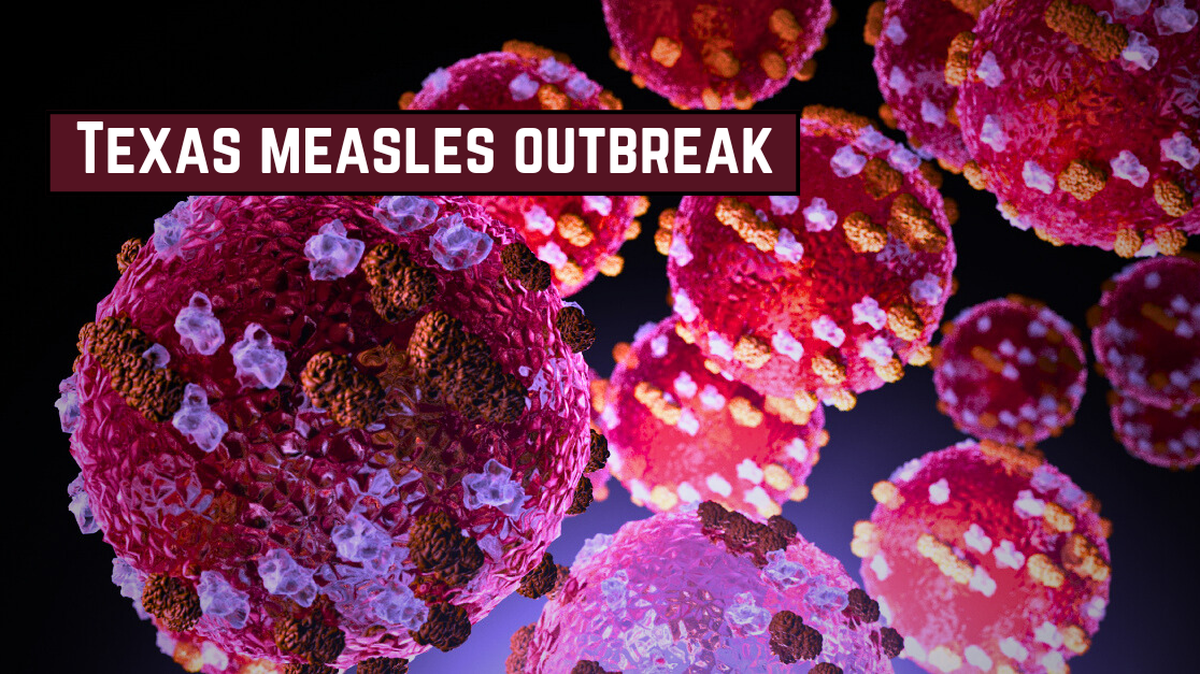
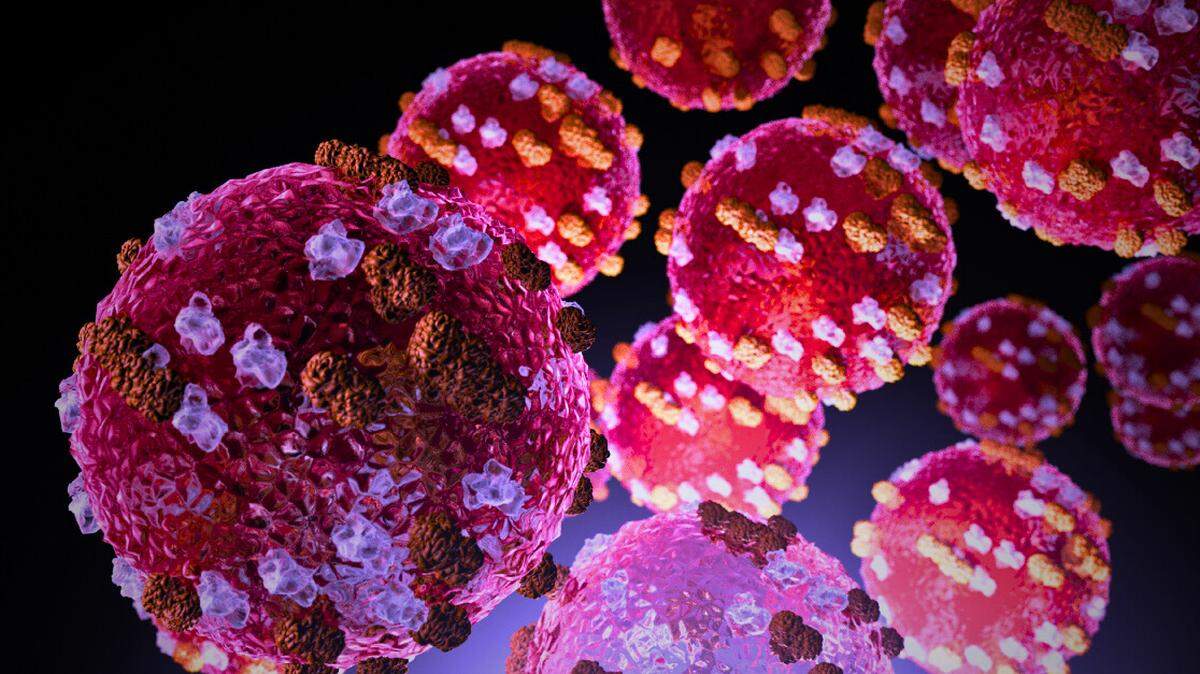
Measles is a highly contagious virus that is spread through the air when an infected person coughs or sneezes. It can remain airborne for up to two hours after an infected person leaves an area. You can get measles just by being in the same room as an infected person.
Measles was declared eliminated from the United States in 2000, but it is still common in many parts of the world and is brought into the U.S. every year by unvaccinated travelers who get measles in other countries. Most of those travelers are Americans, according to the U.S. Centers for Disease Control and Prevention (CDC).
Measles is incredibly dangerous for children under 5 years old but is easily preventable with the measles, mumps, and rubella (MMR) vaccine.
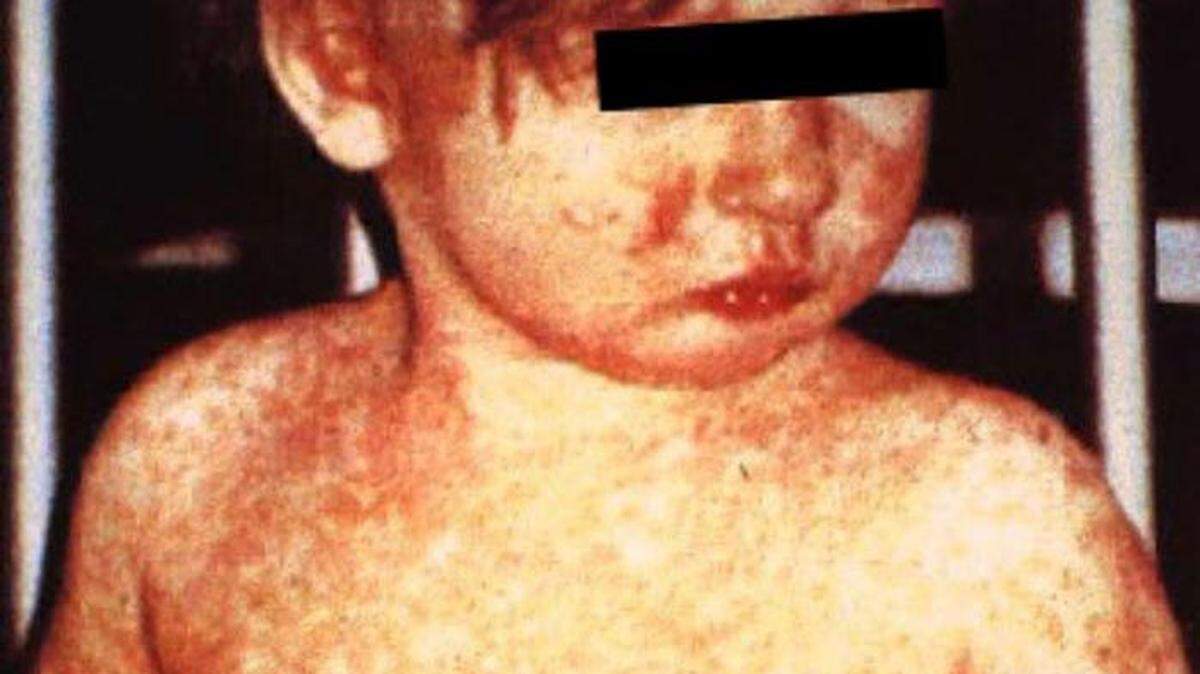
Common symptoms include:
- High fever (may spike to more than 104° F)
- Cough
- Runny nose (coryza)
- Red, watery eyes (conjunctivitis)
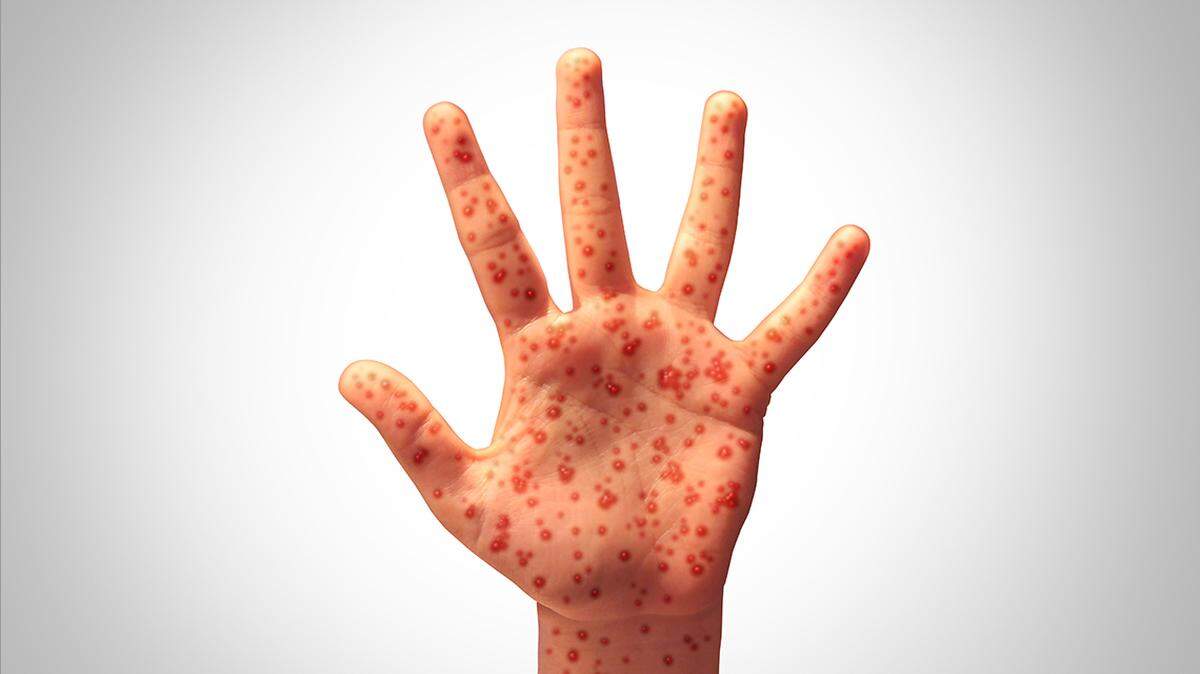
- Rash
Common complications from measles include:
- Ear infections
- Diarrhea
Serious complications include:
- Pneumonia
- Encephalitis (inflammation of the brain)
How bad is the measles outbreak in Texas?
The outbreak is primarily concentrated in West Texas, notably in Gaines County, which accounts for 80 cases so far.
Other affected counties include Terry (21 cases as of Wednesday, Feb. 26), Dawson (7), Yoakum (5), Dallam (4), Martin (3), Ector (2) and single cases in Lubbock and Lynn counties. So far, half of the confirmed cases are in children ages 5-17 years old, according to Texas DSHS.
Texas DHS says five of the individuals from the 124 positive cases were vaccinated, while the rest were unvaccinated or had an unknown status.
Which vaccination should I get to protect against measles?
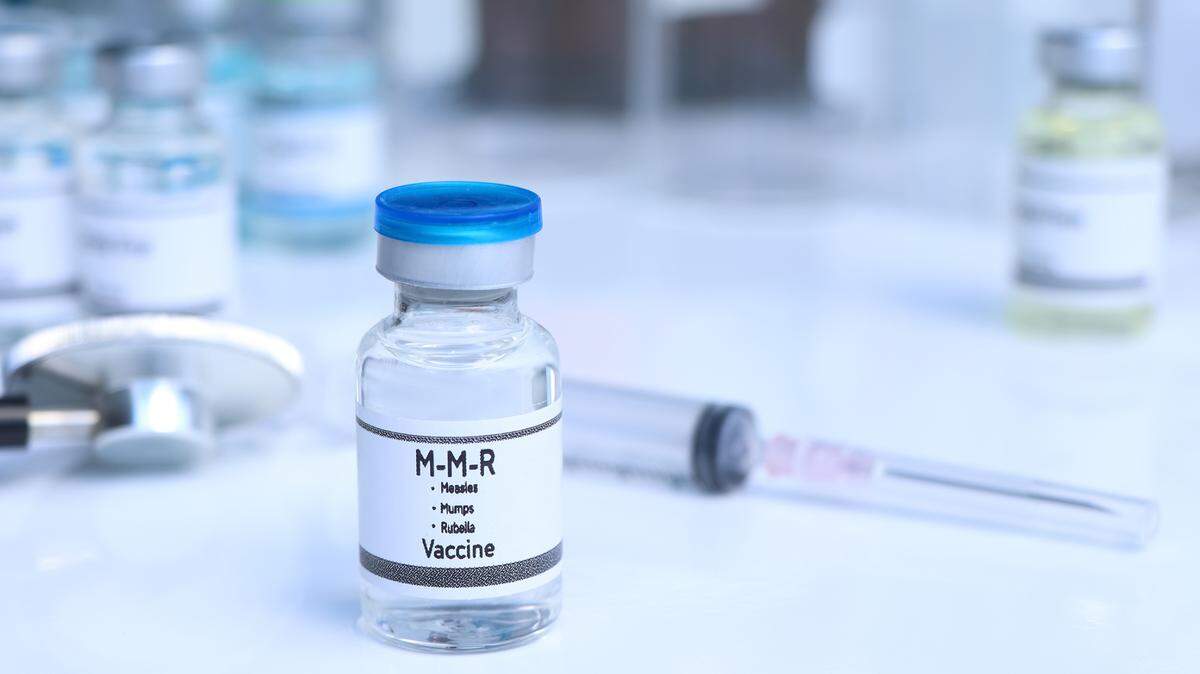
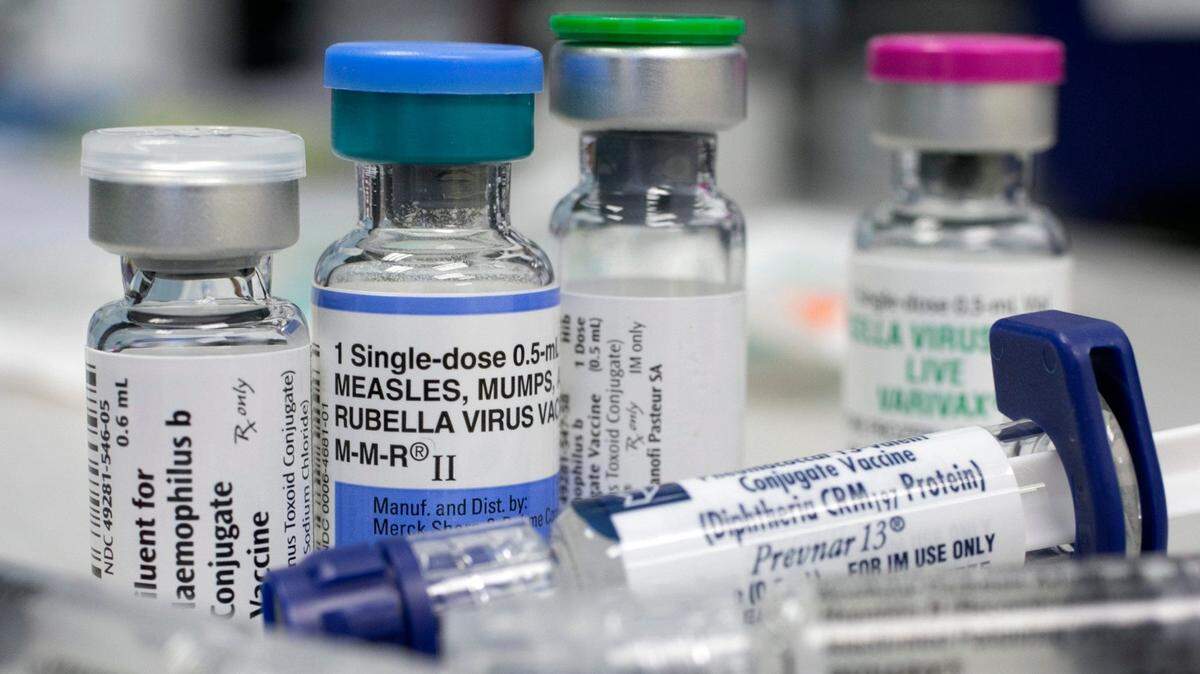
There are two vaccines available in the United States for protection against measles: PRIORIX and M-M-R II.
Both vaccines protect against measles, mumps, and rubella. Both are considered safe and effective, though the MMR vaccine has a 97% measles prevention rate after two doses, according to the CDC.
The CDC says those who get the MMR vaccination according to schedule are usually protected against measles and rubella for life.
Can I self-administer the measles vaccine?
Self-administration is not advised by the CDC since incorrect technique could cause possible damage or lower vaccination efficacy.
The CDC recommends the MMR vaccination be given by a healthcare provider to guarantee correct dosage and to preserve sterility.
This story was originally published February 26, 2025 at 1:52 PM.

.png)