
Why is my nose dripping like a faucet? This Texas tree is most likely why
Most people assume their runny nose in winter is a cold, since allergy season is most commonly associated with spring.
However, there is one exception– cedar fever.
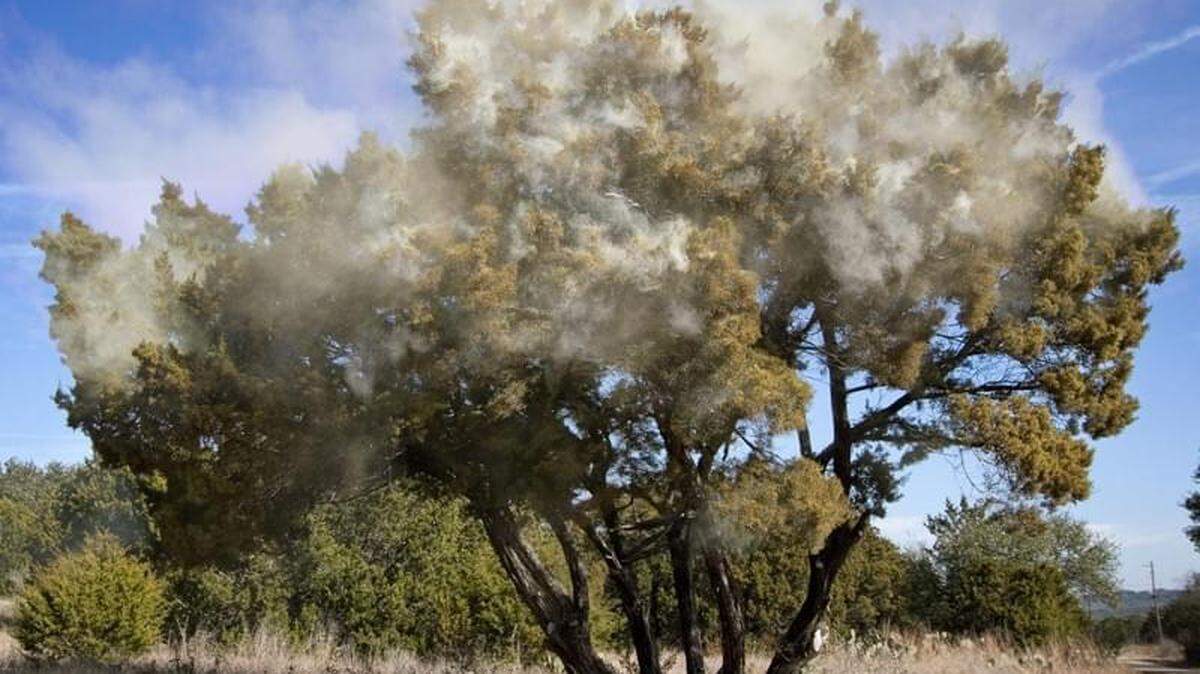
Juniper Ashe trees (a type of cedar) begin producing pollen in the middle of December, triggered by the colder weather. This pollen can give people an allergic reaction like a runny nose, itchy eyes or possibly a small fever, according to Texas A&M Forest Service. Even if you are not susceptible to allergies, the cedar fever may still affect you due to its high concentration.
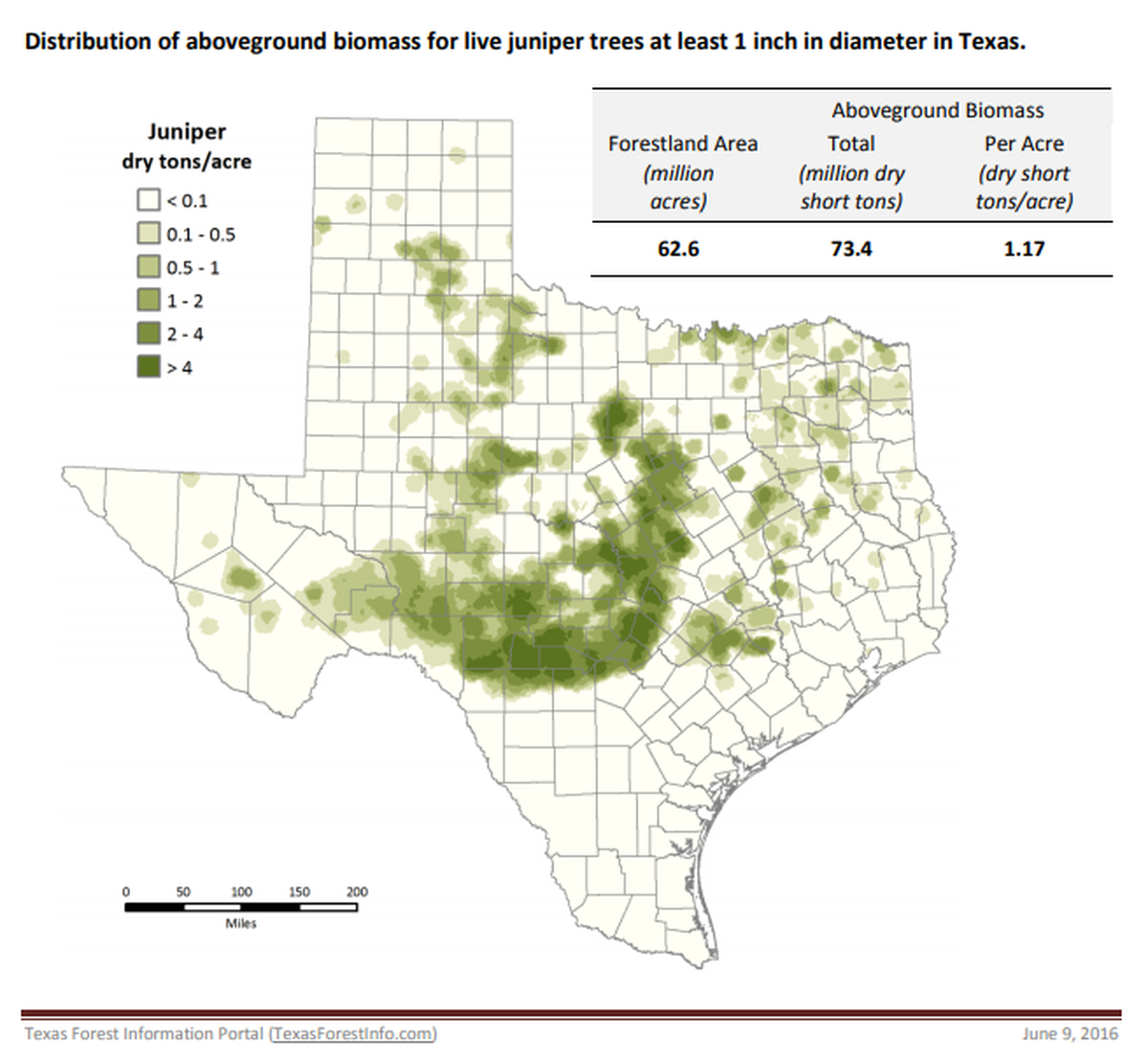
Even if you do not live near cedar trees, the pollen travels for miles by wind, having the ability to affect most Texans. The most populated region of Juniper Ashe trees is in Central Texas across the Hill Country.
So if you are feeling sluggish with a nose dripping like a faucet, there’s a chance you got hit with allergies from cedar. Here’s what you should know.
How is cedar fever different from a cold?
Cedar pollen is most concentrated from December through February. However, some may be affected for as long as November through April, says Texas A&M.
Cold and flu season is at the same time- usually during fall and winter, with its peak months also from December through February.
Cedar fever is not a flu or virus, it’s an allergic reaction - unlike a cold, which is a viral infection.
“There’s just so much pollen in the air,” said Robert Edmonson, a biologist for Texas A&M Forest Service. “It absolutely overwhelms the immune system. It’s like trying to breathe in a dust storm.”
Though it may be hard to tell due to cedar fever’s aggression, Edmonson says the main sign that you are running cedar fever rather than the cold or flu is the color of your snot.
“If your mucus is running clear,” he said, “then it’s an allergy. If it’s got color, then it’s probably a cold or the flu.”
What are the symptoms of cedar fever?
Symptoms of cedar fever are very similar to the cold or flu and even Covid-19.
According to the Cleveland Clinic, these are the symptoms of cedar fever.
Stuffy nose
Itchy and watery eyes
Coughing or sore throat
Runny nose
Sneezing
Low/mild fever
Partial loss of smell or taste
Fatigue
How to treat cedar fever
To know if you have cedar fever for sure, you can go to an allergist to get tested. To find your nearest allergy specialist, check here.
If you are allergic, the most common treatment is over-the-counter allergy medications. Some allergists may also recommend allergy shots or cedar drops.
“Treatment for allergies is unique to you. What works for one person may not work for you and vice versa. While many people find relief from medications they can purchase at the grocery store, some people need prescription allergy medication or allergy shots,” according to the Cleveland Clinic.
Some other common treatments are:
Antihistamines: Zyrtec, Claritin or Astelin in pill, liquid or nasal spray. “These work by blocking histamine, which is the chemical your body produces in response to an allergen.” says Cleveland Clinic.
Decongestants: Sudafed or Sudafed PE in pill, liquid or nasal spray. These help clear the nose by shrinking nasal passages.
Medications that combine antihistamines and decongestants: Claritin-D or Allegra-D in pill, liquid or nasal spray.
Nasal sprays containing corticosteroids: Flonase. These reduce swelling in your nasal passages.
Leukotriene inhibitors: Singulair in pill form. These are prescription drugs that block leukotriene, which causes inflammation.
How to prepare for cedar fever
While you can rarely prevent allergies, you can manage your symptoms.
During popular pollen months, try to reduce your time spent outdoors. Or you can work with your healthcare provider to determine a medication that works best for you.