Are you suffering from sneezing fits, water eyes? This Texas tree is most likely to blame
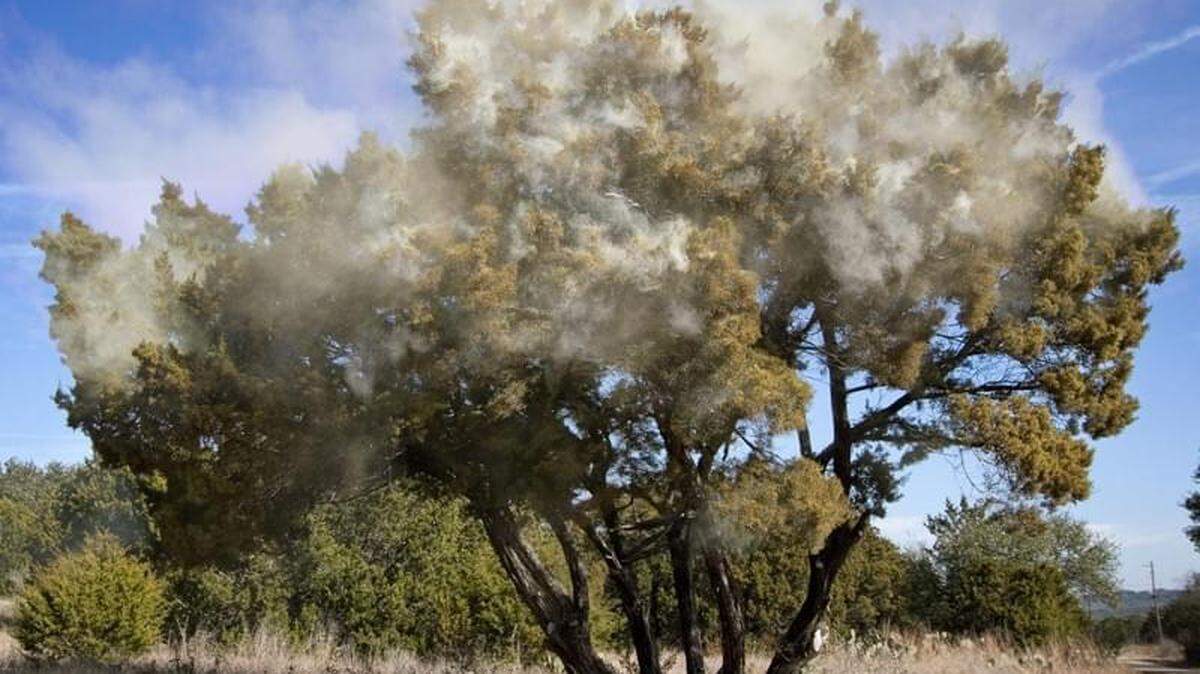
If you’ve been having sneezing fits and watery eyes of late, there’s one likely culprit this time of the year.
Texas is entering cedar fever season, which lasts from mid-December through March, according to Texas A&M Forest Service. The season peaks in mid-January as pollen production summits.
But what exactly is cedar fever season and what causes it? Here’s what we know:
What is cedar fever season in Texas?
Cedar fever season in Texas is the allergic reaction to pollen released by mountain cedar trees, the main species known as Ashe juniper, according to Texas A&M Forest Service.
Texans can thank the state’s central region for cedar fever season, since the area is covered in Ashe juniper trees. While the tree’s pollen isn’t especially harmful or allergenic, the abundance of the plant is hard to ignore.
Ashe juniper trees release pollen when cold fronts move in and as the pressure changes rapidly.
The tree’s pollen cones open and release the inner grain, which looks similar to smoke coming off a wildfire, according to Texas A&M Forest Service. The wind then takes care of the rest, blowing pollen across areas all over.
However, while Ashe junipers are among the biggest contributors to cedar fever season, there is another culprit.
In east Texas, red cedars also pollinate around the same time of Ashe junipers and can elicit the same allergic response, according to Texas A&M Forest Service. Everything adds up to the sniffles many Texans are facing this time of the year.
How can you prepare for cedar fever season in Texas?
Succumbing to cedar fever season may seem unavoidable, but there are a few things Texans can do to prepare.
Getting on medication as cedar fever season approaches is one big way to prepare, according to Baylor Scott & White. If you have a lengthy history with battling cedar fever this time of the year, don’t delay on seeking out help.
For example, waiting to see an allergist during peak cedar fever season in January, won’t help much. Immune systems need anywhere from six to 12 months for allergy shots to build up immunity, according to Baylor Scott & White.
To find your nearest allergy specialist, visit here.
Are there any remedies for cedar fever season?
Yes, there a few things Texans can do to fight cedar fever season.
For itchy or watery eyes, congestion, sneezing and runny nose, doctor’s will likely suggest over-the-counter remedies such as antihistamines, salt-water rinses, eye drops and nasal steroids, according to Baylor Scott & White.
Allergists and doctor’s may also recommend getting regular shots for cedar allergies, if relief from over-the-counter remedies doesn’t come.
Regardless of remedy, Baylor Scott & White recommends the first step Texans should take on fighting cedar fever season is contacting a medical professional for assistance.