
Bird flu in Texas: Should we be worried? Do flu shots protect us? We asked the experts.
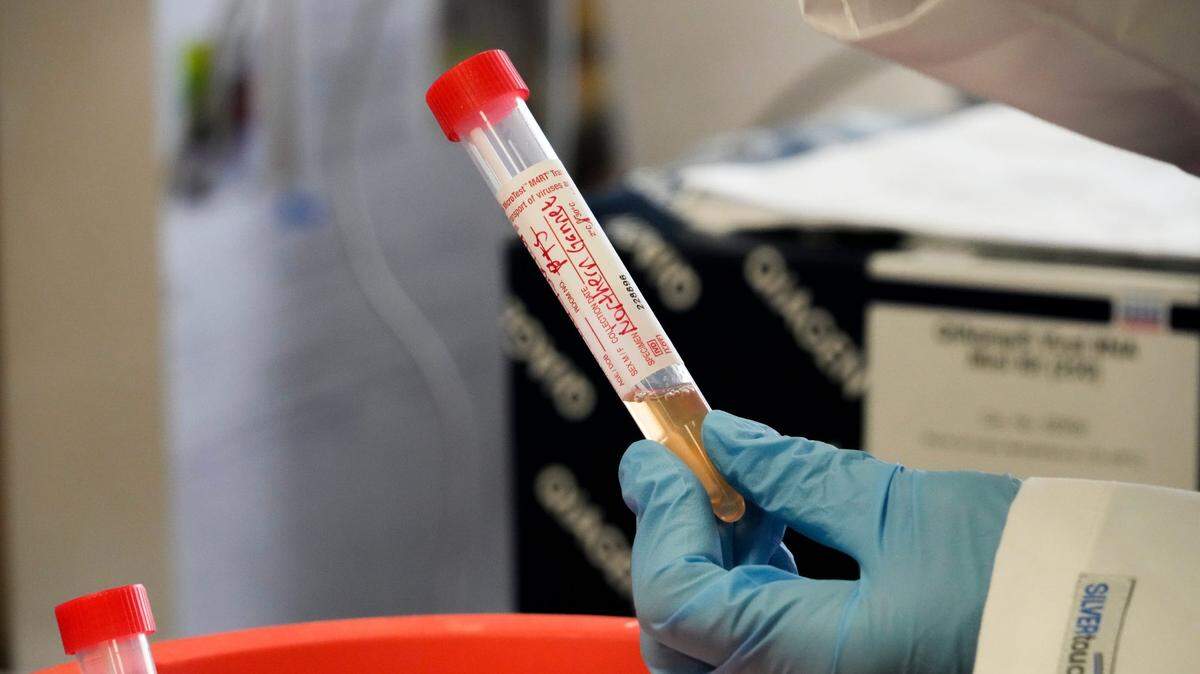
Public health officials across the U.S. are closely monitoring the H5N1 bird flu virus, which is widespread in wild birds and has infected cattle and poultry — as well as a small number farm workers, including at least one person in Texas.
But it’s not the current form of the virus that has scientists concerned. It’s the possibility of mutations that could trigger a potentially deadly pandemic among humans.
Here’s what we know about symptoms, transmission, risks to pets and bird flu in milk or other food. Got questions we aren’t covering? Email us: tips@star-telegram.com
How is bird flu spreading?
Avian flu was first detected in U.S. dairy cattle in March.
As of Friday, Dec. 13, there were 60 confirmed human infections nationwide, including the one in Texas. Nearly all the patients all had close contact with infected animals on dairy or poultry farms.
“No human-to-human transmission of H5N1 has been identified in the U.S. during this outbreak,” Briana O’Sullivan, an epidemiologist at the Texas Department of State Health Services, told the Star-Telegram. “The risk to the general public is low. At this point, we’re primarily concerned for people who work with livestock (cattle and poultry).”
But viruses are constantly evolving. A study led by scientists at Scripps Research found that a single mutation in H5N1 could enhance the virus’ ability to attach to human cells, potentially increasing the risk of passing from person to person. The findings were published in Science on Dec. 5.
“Public health officials are concerned about the potential for the virus to evolve to transmit efficiently between humans, which could lead to a new, potentially deadly pandemic,” according to Scripps Research.
How widespread is bird flu in Texas?
There’s no way to know exactly how widespread avian flu is in Texas or across America, because animal testing hasn’t been consistent.
It was March 2024 when the bird flu started infecting U.S. cattle. Since then, the Centers for Disease Control and Prevention reported that 16 states have H5N1 bird flu cases in cattle, affecting 832 herds as of Dec. 12. At least 122 million poultry have been affected in 49 states.
In April, the person in Texas who contracted bird flu had direct exposure to dairy cattle. The only symptom was eye inflammation, and the patient was treated with the antiviral drug oseltamivir. Authorities haven’t said where in Texas the patient lives.
The other known cases of human infections of bird flu have been in California (34), Washington (11), Colorado (10), Michigan (2) and one each in Missouri and Oregon, as of Dec. 13. There have been no human deaths from the H5N1 bird flu.
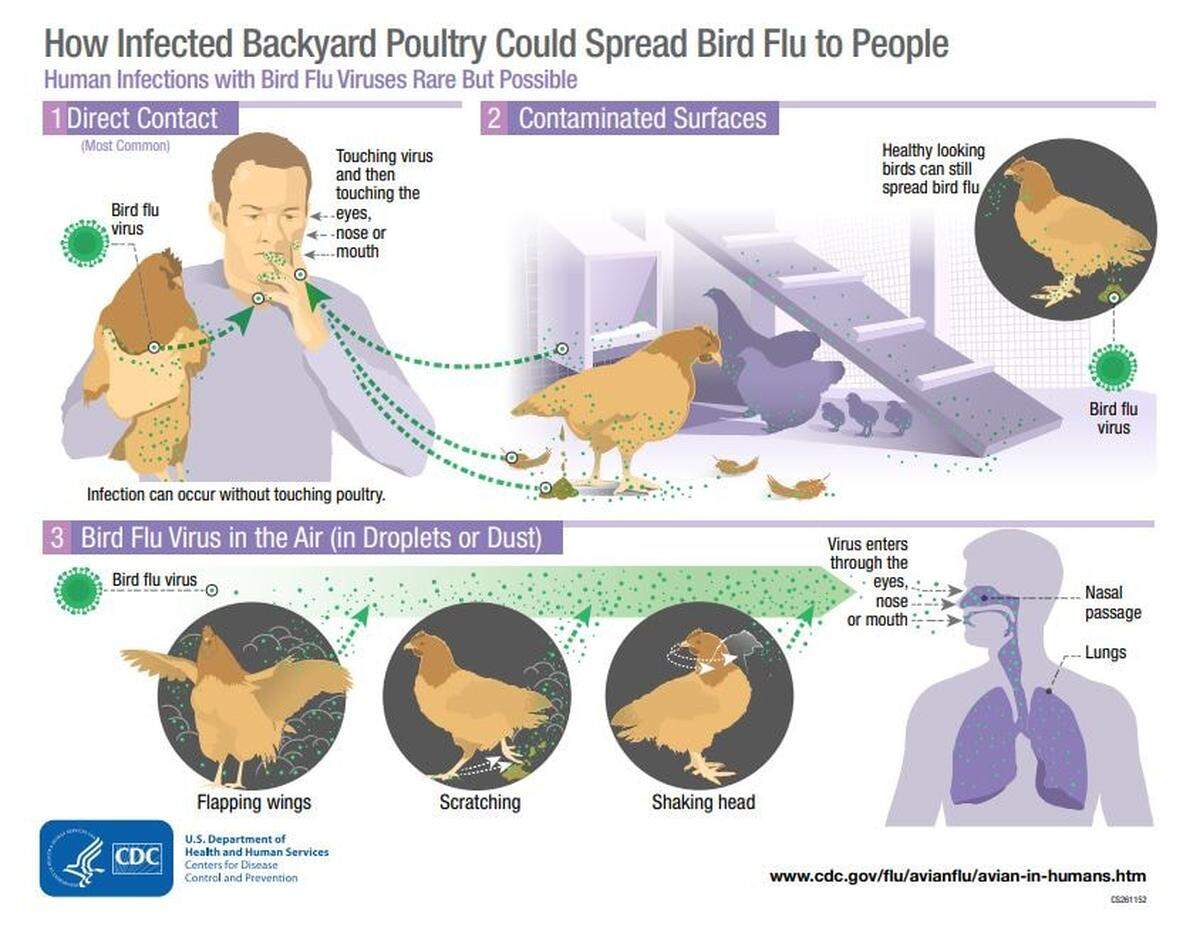
“The virus replicates easily in the udders of cows, and raw milk from infected animals contains very high levels of the virus,” the New York Times reported. “At least some farm workers are thought to have become infected from droplets of milk, perhaps through their eyes.”
On Dec. 6, the U.S. Department of Agriculture announced that raw milk samples across the country will be collected for testing to better track the H5N1 outbreak. Previously, testing of cattle was required only for interstate transport.
The round of testing will begin on Dec. 16. The agency says doing this will help slow the spread of bird flu, and also pin down which cattle herds are infected.
Is bird flu in milk? Is it safe to drink?
Nearly all of the commercial milk supply in the U.S. comes from farms that participate in the Grade A Milk Safety Program and do pasteurization, which kills bacteria and viruses.
The Centers for Disease Control and Prevention warns that people should not “touch or consume raw milk or raw milk products, especially from animals with confirmed or suspected avian influenza A virus infection.
Can you get bird flu from eating meat or poultry?
It is rare to get sick from eating properly cooked beef or poultry, says the Cleveland Clinic. What most people should worry the most about is consuming contaminated products that are raw (like unpasteurized milk).
Those who are in contact with poultry and cattle should take extra precaution when dealing with fluids like saliva or feces. Keep your face and mouth covered around contaminated particles and wash your hands thoroughly.
Where did bird flu come from?
The disease has been widespread among wild birds for years. It is believed to have originated from sick chickens in China during the early 1990s, according to the New York Times.
The Cleveland Clinic says human infections are rare, with fewer than 1,000 known cases worldwide since it was first identified in people in 1997.
What are the symptoms of bird flu in humans?
Briana O’Sullivan, the Texas epidemiologist, said ”symptoms have been largely mild, with conjunctivitis (eye discharge or redness) being common among those infected.”
According to the CDC, other symptoms are possible:
mild flu-like upper respiratory symptoms
pneumonia requiring hospitalization
fever (100 degrees or greater) or feeling feverish
cough
sore throat
runny or stuff nose
muscle or body aches
headaches
fatigue
shortness of breath or difficulty breathing.
Less common signs and symptoms include diarrhea, nausea, vomiting or seizures.
“Illness in humans from avian influenza virus infections have ranged in severity from no symptoms or mild illness to severe disease that resulted in death,” according to the CDC.
Does the flu shot protect me from bird flu?
The seasonal influenza shot will not keep you from contracting the H5N1 bird flu, but it may make symptoms less extreme. And the flu shot may reduce the chances of bird flu mutating with influenza to become deadly in humans.
“The seasonal flu vaccine can reduce the risk of co-infection (getting both bird flu and seasonal flu at the same time),” says O’Sullivan. “Co-infections can increase the risk of more severe illness and the rare possibility of changes in the virus that could make it more difficult to control.”
There is no vaccine specifically for the H5N1 bird flu.
What should I do if I think I have bird flu?
The Cleveland Clinic suggests seeing a doctor or even going to a hospital so healthcare professionals can monitor the virus. If you have the following symptoms, you should immediately go to the emergency room,
Difficulty breathing
Fever over 103 degrees (40 degrees Celsius)
Confusion or altered mental state
Severe fatigue or inability to wake up
Severe headache
Stiff neck
Providers treat the bird flu with antiviral medications.
Can the bird flu infect your dogs or cats?
O’Sullivan says H5N1 bird flu has the potential to infect your cats or dogs.
“When outside, if pets eat, handle or are exposed to sick or dead birds infected with the H5N1 virus, they can become infected.”
According to the American Veterinary Medical Association, pets spreading the bird flu to their owners is very rare but not impossible. AVMA says symptoms in cats and dogs with bird flu include:
Fever
Lethargy
Low appetite
Reddened or inflamed eyes
Discharge from the eyes and nose
Difficulty breathing
Neurologic signs, like tremors, seizures, incoordination, or blindness.
This story was originally published December 13, 2024 at 3:34 PM.