
What to do if you hit a deer in Texas: Call the police? Insurance? Can I take it with me?
.JPG "A deer crosses behind a vehicle at the Fort Worth Nature Center & Refuge.")
If you are driving through rural Texas for the holidays, watch out for deer: This is one of the most dangerous times of year for deer accidents.
Data from the insurance company State Farm shows that deer are the No. 1 animal involved in collisions. It estimates that 1 in 128 people are in animal accidents.
“Over 1.8 million auto insurance claims involving animal collisions were filed across the industry from July 1, 2023, to June 30, 2024,” State Farm reports. “The most dangerous months for animal collisions are, in order, November, October and December.”
Late fall to early winter is also mating season for deer, which makes their behavior more erratic. According to a Texas Parks and Wildlife October 2024 report, the Hill Country region is the most heavily populated area with an estimated 1.5 million deer. Peak hours of activity for deer are around sunrise and sunset.
Hitting a deer could do more than damage your car. Here’s what to know.
What to do if a deer runs in front of your car
Racing down an 80 mph Texas highway means that you have to react quickly. Sometimes the safest thing for a driver to do is run over the animal.
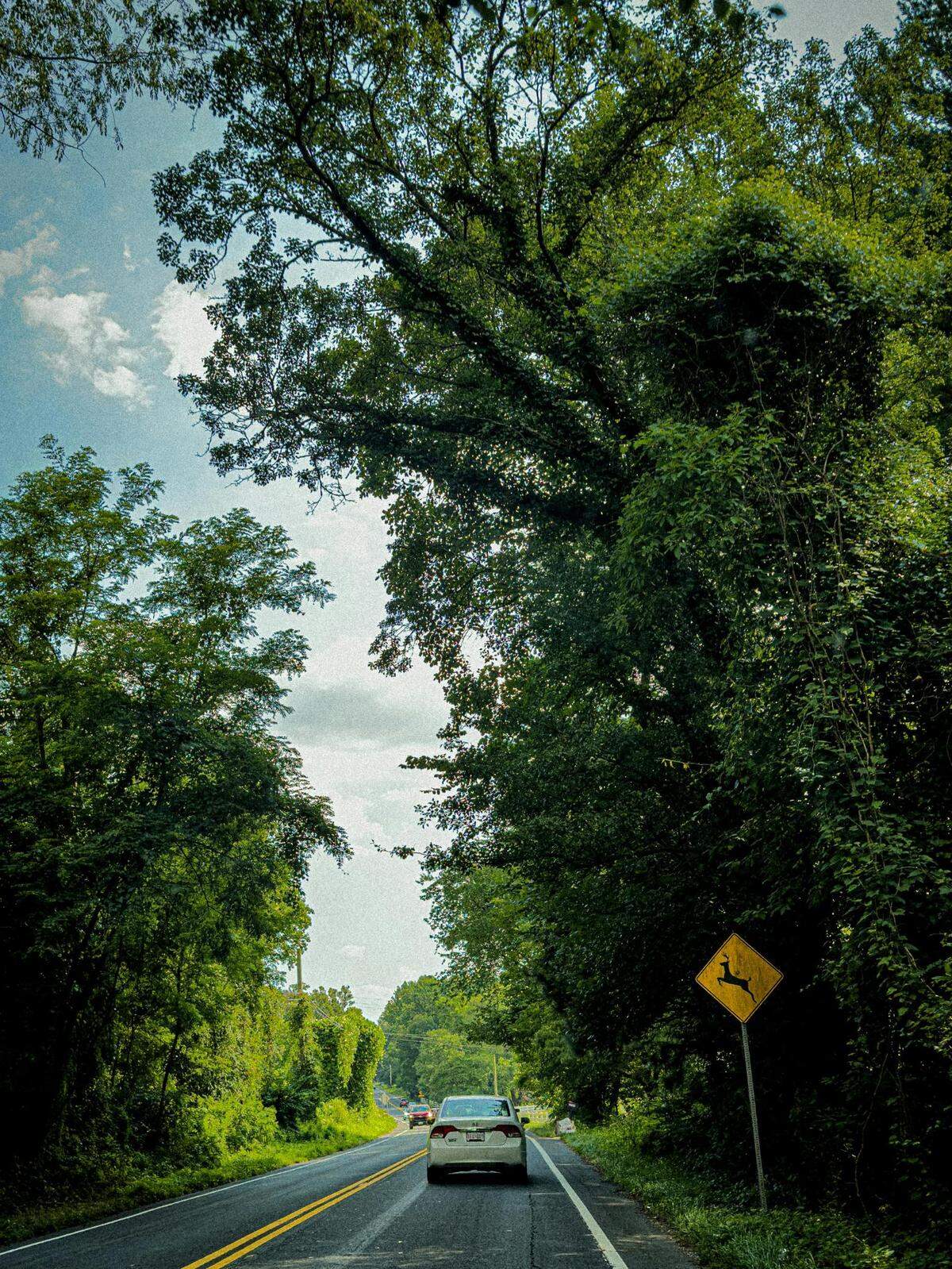
A yellow road sign warning of deer means you’re in a highly populated area. It is important to know that deer travel in herds. So if you see one hop out onto the highway, there is a good chance a few more are prancing behind.
Thompson Injury Law and Direct Auto Insurance both suggest hitting the animal over swerving.
“Do not swerve to avoid the animal because you could lose control of your vehicle,” says Direct Auto Insurance, “You don’t want to dodge the deer just to crash into another car or a tree.”
Other tips that may help when approaching a roadside deer:
Slow down and apply breaks in a controlled manner. Stay in your lane.
Honk to try and scare the deer away. If the deer stops, continue to lay on the horn.
Avoid distracted driving, especially in deer-ridden areas.
If driving on a multi-lane highway, keep toward the center lane. If a deer approaches from the side, you have more time to react.
What to do if you’ve hit a deer in Texas
If you’ve hit a deer, pull off to a safe location on the side of the road and turn on your hazard lights.
Texas Parks and Wildlife suggests calling your local game warden dispatcher if you think the deer is only injured. Here’s a list of offices and phone numbers for Texas game wardens.
Even if the animal appears to be dead, you should not approach it or try to move it. You do not legally have to report the collision if your car is unscathed. But you should call law enforcement to report the carcass in the road, which can be a hazard to other drivers.
It is illegal to take the deer with you in Texas, regulators say.
Other tips for after hitting a deer:
Document the accident. Take photos of your car, the animal and surroundings. If there are witnesses, grab their contact information for insurance purposes.
Stay away from injured animals. Deer that are wounded could be scared and fight back with their antlers or limbs. Let the police handle the animal.
Call your insurance to file a claim.
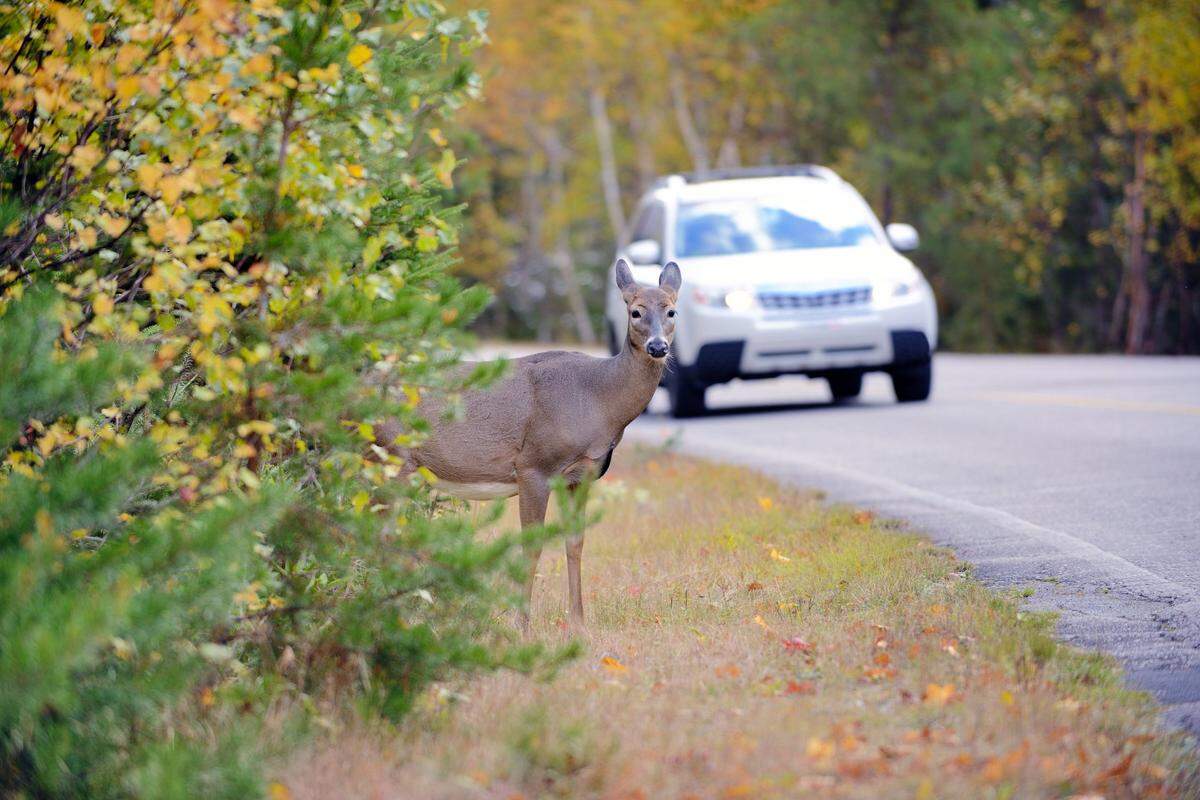
Does insurance cover hitting a deer?
Car insurance looks different for everyone depending on your insurance company, policy and rates. Generally, hitting a deer should be covered, you just may need to pay a deductible.
According to Progressive and State Farm, deer collisions would fall under comprehensive insurance coverage, not collision coverage. If you end up hitting another car or an object, it would then be classified under collision.
If you hit the deer and only the deer, the crash will not show up on your driving record, according to Progressive.
It is important to note that every crash is situational and it all depends on your insurance coverage.