North Texas cedar fever season in full swing as pollen counts near peak
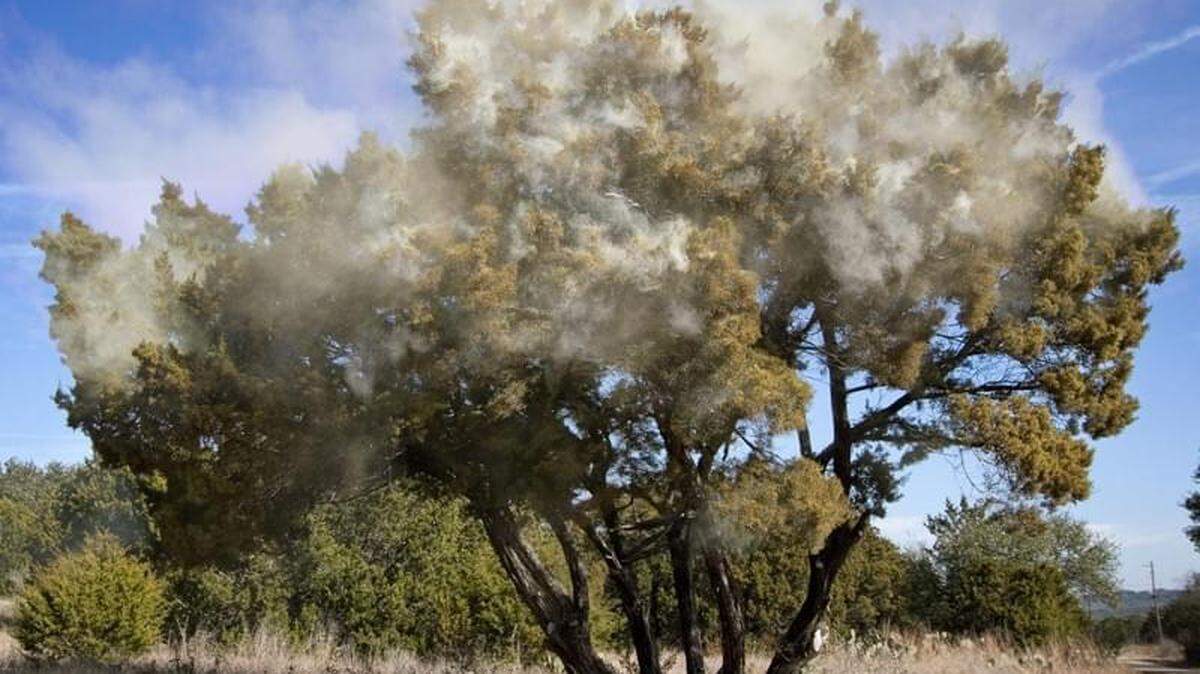
Cedar fever season is in full swing in North Texas with peak pollen counts expected later this month.
Ashe juniper trees, a type of mountain cedar, are the predominate cedar fever culprit and start producing pollen in mid-December triggered by cold fronts, according to the Texas A&M Forest Service.
The pollen reaches its peak in mid-January, according to the Forest Service, and tapers off in March. Winds help spread the pollen which causes itchy and watery eyes, blocked nasal passages and sneezing.
According to the American Academy of Allergy Asthma & Immunology, North Texas cedar fever pollen is at a high concentration as of Tuesday.
While cedar fever allergy symptoms share some similarities with COVID-19 symptoms, cedar fever does not typically cause loss of taste, nausea and vomiting, or shortness of breath, according to the Texas A&M Forest Service.
.png "Cedar Fever VS COVID(1).png")