How North Texas schools & child care centers are preparing for measles cases
READ MORE
Measles in Texas
Tarrant County has confirmed its first measles cases. Follow our reporting on the Texas outbreak.
Expand All
Tarrant County health officials believe there is a “moderate to high likelihood” of seeing measles here and have already begun taking action to manage any potential outbreak.
The county public health director, Dr. Brian Byrd, has assessed that “there is a moderate to high likelihood that we will see at least one case” in the county.
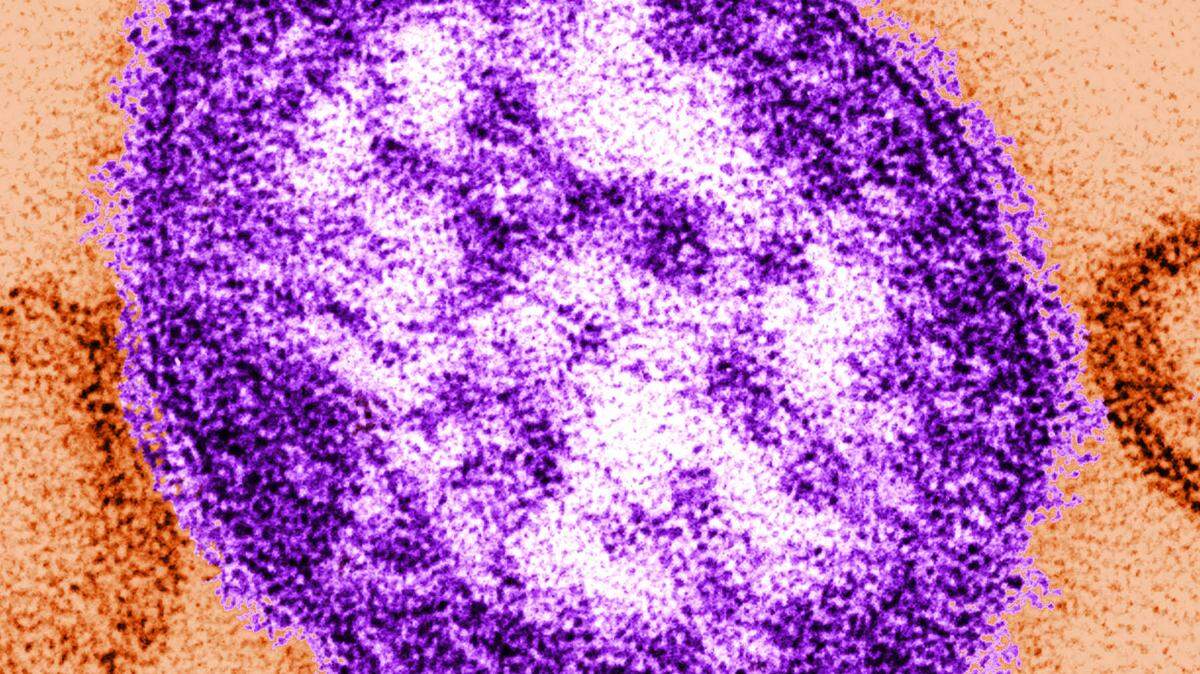
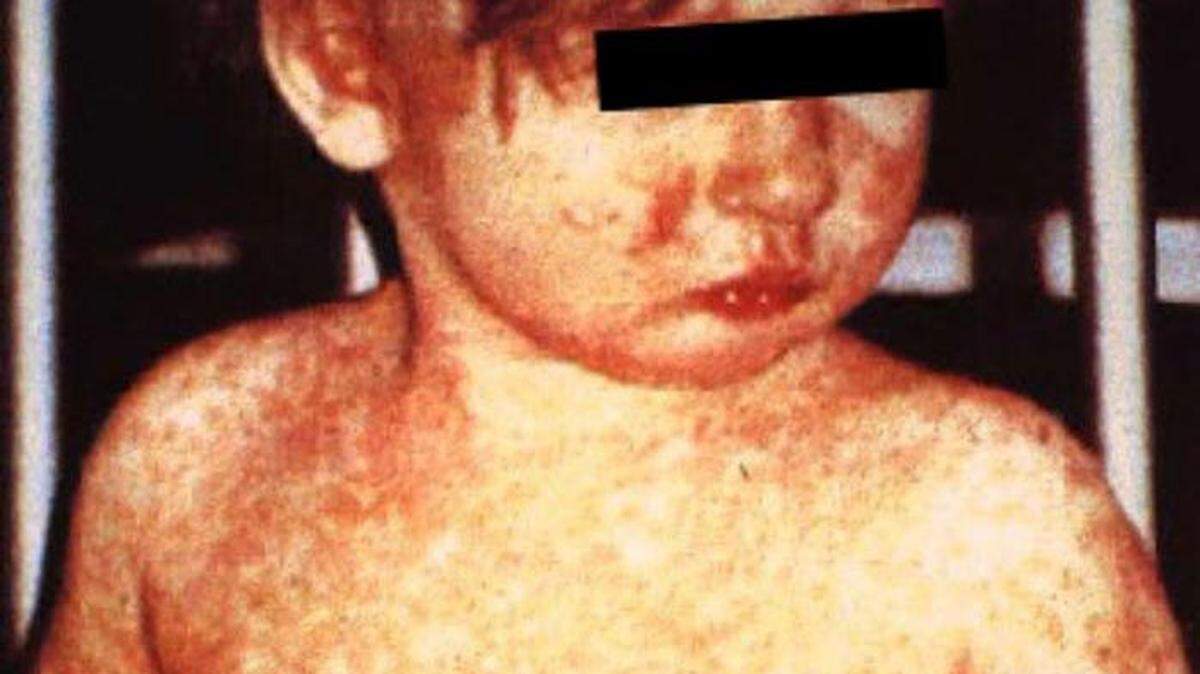
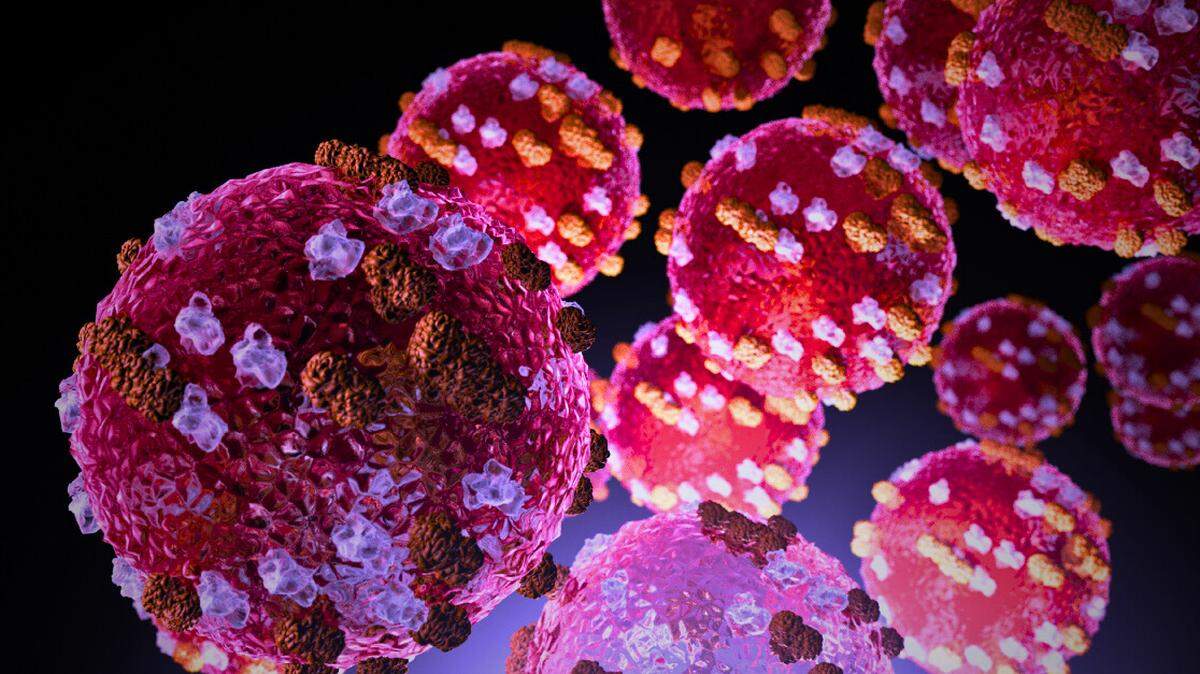
Measles is a highly contagious disease caused by a virus that can infect up to nine out of 10 people who are exposed and unvaccinated against it, according to the U.S. Centers for Disease Control and Prevention. Symptoms such as high fever, cough, runny nose, red and watery eyes and a rash appear one to two weeks after contact.
If you’re a parent and you suspect you or your child has measles, the first step is to call your primary care doctor or whoever provides medical care to your family, said Kennedy Sam, a spokesperson for Tarrant County Public Health. Calling ahead before showing up to a medical facility is crucial, so staff can take precautions to protect other patients in waiting areas.
A mobile strike team is on standby to test and provide vaccinations “for those who qualify and wish to receive one” in the event of a confirmed measles case, Sam said.
An outbreak involving more than two locations in Tarrant County would prompt officials to open a testing and vaccination site that could serve 250 to 1,500 people daily. The health department is also adding measles PCR testing capability to its lab, but the process will take four to six weeks.
“Until then, we are sending test swabs either to Quest (Diagnostics) or the state lab,” Sam said, noting this process has a 48-hour turnaround for results.
“We will continue to educate the public on how to spot the signs and symptoms of measles and what to do if they suspect a case of measles or have been exposed,” she added.
Schools and child care center protocols for measles
Last fall, a Star-Telegram analysis of kindergarten vaccination data found that one in three Fort Worth schools were at risk for a measles outbreak due to low vaccination rates, particularly in Fort Worth ISD.
Fort Worth ISD officials said on Thursday that they “reported strong vaccination rates among our students, reflecting our community’s commitment to student health and safety.”
“We continuously monitor and follow up with families whose students require additional vaccinations throughout the year to ensure they receive all necessary vaccinations at the correct time and interval, in accordance with public health recommendations and state mandates,” officials said. “We remain committed to supporting the well-being of our students and families and appreciate the ongoing partnership with local health officials in this effort.”
Tarrant County health officials have sent guidance to school districts and child care centers on what to do if a child shows symptoms or is diagnosed. They are working with school districts on a handout for parents about measles symptoms, said Sam.
Suspected measles cases are required to be immediately reported to Tarrant County Public Health by schools, child care facilities, health care providers, hospitals and laboratories. Health officials are developing alerts and guidance for workers in these spaces.
Students and staff who show measles symptoms should isolate immediately from the rest of the school population, according to Tarrant County health officials. They are required to stay home from school for four days after the rash onsets or until a medical provider has ruled out a measles diagnosis. Those who are diagnosed with measles are required to stay home from school for four days after the rash begins.
“Schools where students change classrooms, or share common areas such as a cafeteria, will likely need to consider all students/staff exposed due to the possibility of exposure in the hallways,” health officials said.
Students and staff without evidence of immunity — and who did not receive an measles-mumps-rubella (MMR) vaccine within 72 hours of exposure, or immune globulin within six days of exposure — should be excluded from school from day 5 after the first exposure until day 21 following their last exposure.
School nurses should pay special attention to sick students who have traveled abroad, traveled to West Texas or have had contact with a known measles case. They’re told to look out for:
A fever of at least 101 Fahrenheit coupled with a cough, runny nose or pink eye;
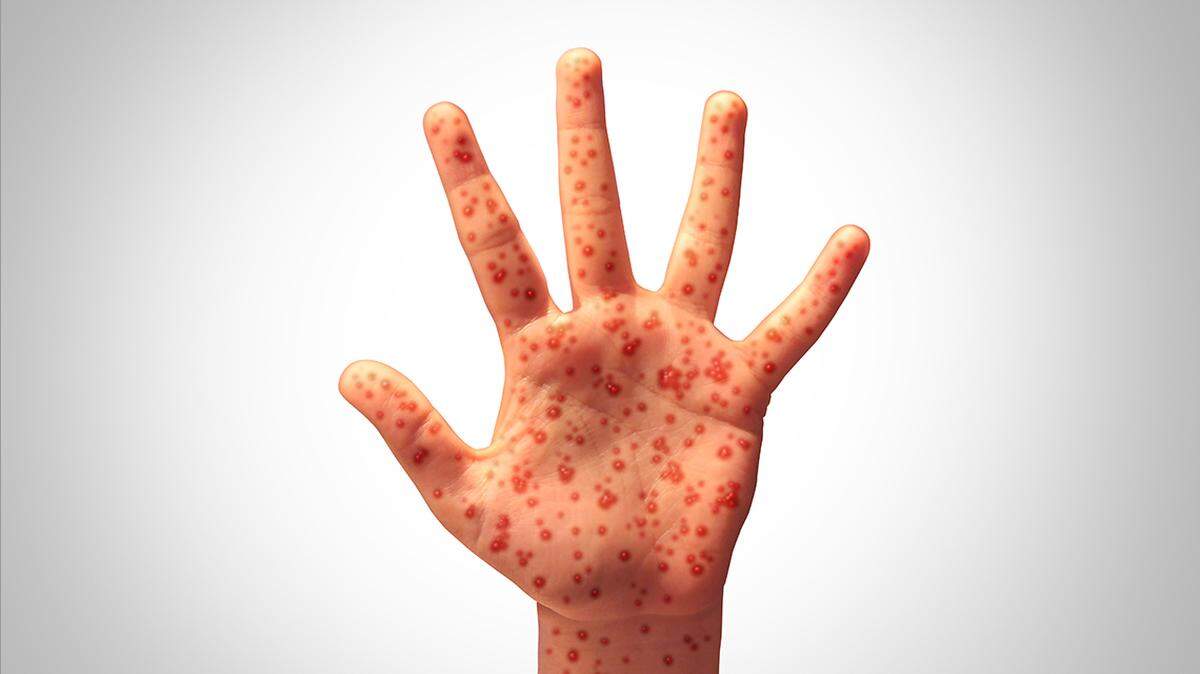
Bluish-white specks on a red-rose background appearing inside the cheek, in addition to a red, blotchy rash beginning at the scalp and behind the ears that progresses down the body;
A generalized rash that appears after at least one of the above symptoms presents itself and lasts at least three days.
School nurses are also told to wear personal protective equipment such as masks, gloves and goggles when evaluating a suspected case, no matter the vaccination status of the student.
These guidelines also apply to child care facilities. They’re told to review the vaccination statuses of staff and children to know who might be susceptible to measles.
“Child care workers who were born after 1957 and are eligible to receive the vaccine should be vaccinated to protect against the disease and prevent passing infection to others. Most people were vaccinated as children and will not need any additional vaccine,” the guidance reads.
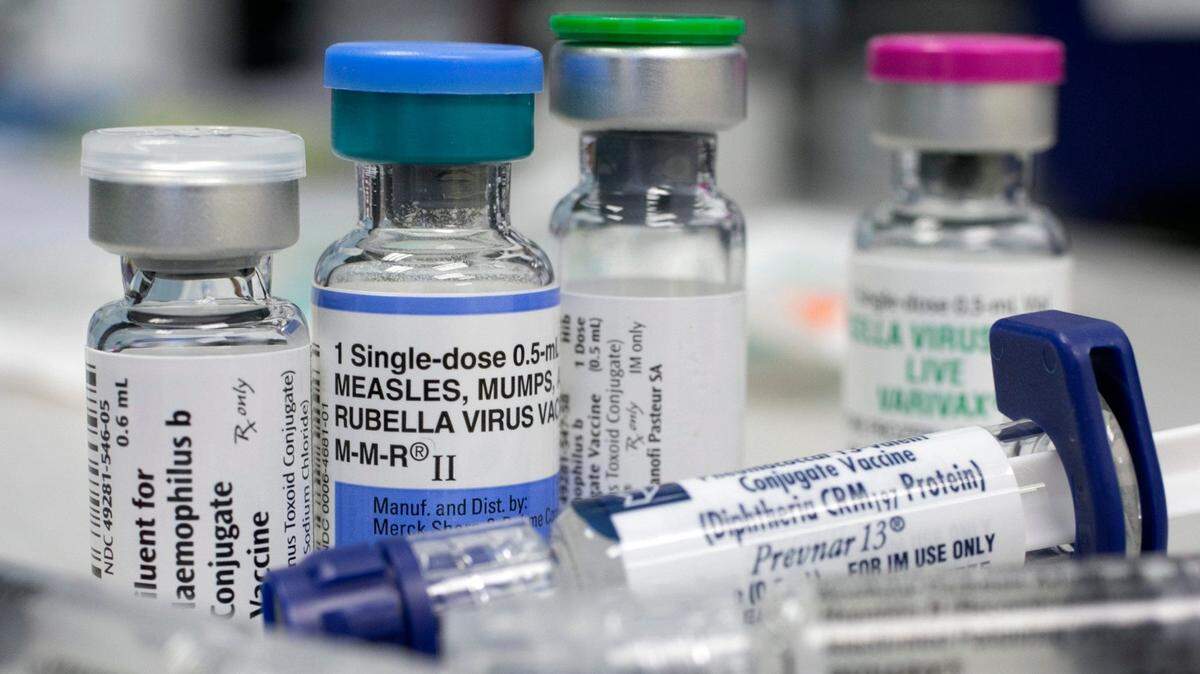
“Child care workers who are unvaccinated or uncertain of their immunization status and have been exposed to measles should receive one dose of vaccine within 72 hours and the second dose at least 28 days later. There is no harm in getting another dose of MMR vaccine if you may already be immune to measles.”
Unvaccinated adults should abide by the same recommendations that schools and child care centers have issued, Sam said.
What school districts are saying
Officials with the Azle, Birdville, Crowley, Everman, Fort Worth and Grapevine-Colleyville independent school districts said they would follow any recommendations from the Department of State Health Services, the local health department and the CDC in the event of an outbreak in the area.
Castleberry Independent School District officials said they found 99.4% of students are in compliance with the district’s MMR requirements after review of immunization records.
“In addition, the parents of students who are not in compliance will receive a list of local agencies who can provide the immunization,” said Superintendent Renee Smith-Faulkner.
Everman Independent School District officials noted that they “host several vaccination clinics throughout the year.”
Kennedale Independent School District officials said health officials would help with identifying exposed students, reviewing vaccination records, notifying parents and staff about exposure, disinfection, and excluding students and staff with unvaccinated or unknown vaccine status who were exposed. District officials said they would continue to provide vaccine clinics to students and staff.
“(School) closure would be dependent upon where and how long exposure was present. Unvaccinated students would be advised to remain off campus until disinfection is completed,” said spokesperson Jordan Dunlap.
White Settlement Independent School District officials said teachers are reminding students to wash their hands frequently, avoid sharing food and drinks and to cover their mouth when coughing and sneezing. Custodians are cleaning surfaces daily, and a spray disinfectant is used to sanitize classrooms at least twice a week.
“We have a very small percentage of students in our district who have not been vaccinated because their families have filed affidavits. As a school district, we cannot force a child to stay home because he/she is not vaccinated. At this time, we have no plans to close schools if there were a case in our community,” said spokesperson Desiree Coyle. “We have a low cost immunization clinic scheduled for April 17. We do this in conjunction with the Tarrant County Immunization Collaboration annually for our families.”
Aledo, Arlington, Burleson, Carroll, Eagle Mountain-Saginaw, Keller, Lake Worth, Mansfield, Northwest and Hurst-Euless-Bedford ISDs did not respond to requests for comment as of Wednesday afternoon.
How Tarrant County hospitals are preparing for measles
About two in five people with measles are hospitalized, according to the Cleveland Clinic. Tarrant County Public Health is working with Cook Children’s, JPS and MedStar with vaccine delivery and testing.
Dr. Suzanne Whitworth, division chief of pediatric infectious diseases at Cook Children’s, said if a child is hospitalized with measles, they will go to the infectious diseases unit where the virus would be quarantined. Its negative pressure rooms keep the virus from traveling outside of patient rooms by pulling air inward around the door. Individual restrooms are in the unit as well, so parents can stay with their child.
“We have thought through things like testing, hospitalization, outpatient care, inpatient care. All of those policies are in the works,” Whitworth said.
Cook Children’s has also identified the staff and rooms needed to serve measles, Whitworth said.
She stressed that, in comparison to COVID-19, measles is already preventable through vaccination. There’s also quicker diagnostics testing available for measles compared to the early days of the COVID-19 pandemic.
“My understanding is that measles is clinically much worse than COVID,” she said. “Remember that COVID would have people who were asymptomatic. They’d have no symptoms at all, or they might have a runny nose for a few days, and that was their COVID. But measles is almost always symptomatic, and they get pretty ill. So the kids with measles, we expect to be sicker than the children with COVID.”
What else to know about measles
Measles is an airborne disease that spreads when an infected person breathes, coughs, sneezes or talks. It can also spread by sharing food or drinks, kissing, shaking hands or hugging an infected person. Airborne droplets can remain in a room for two hours even after the infected person leaves.
Children younger than age 5 are particularly susceptible to health complications from measles.
People who are older than 20, immunocompromised or are pregnant are also at higher risk for complications. These complications range in severity from ear infections and diarrhea to pneumonia and encephalitis, or inflammation of the brain.
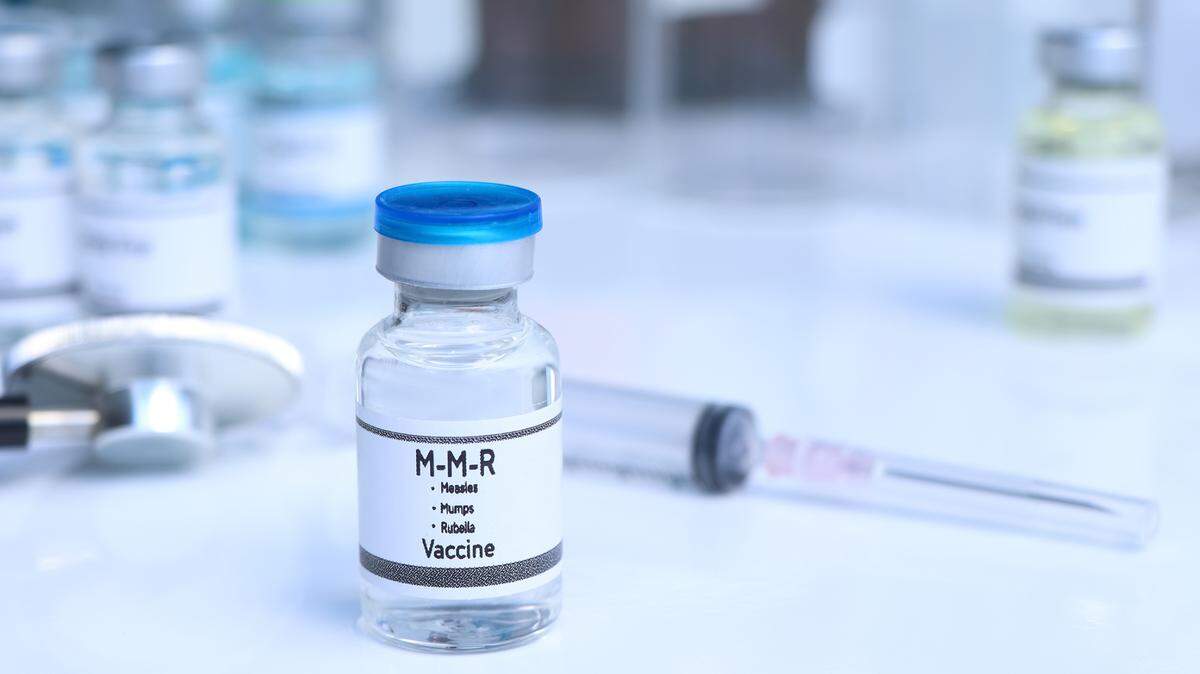
The MMR vaccine is the best form of protection. Two doses of the vaccine are about 97% effective at preventing the disease. A person is unlikely to get measles if they’ve received both vaccine doses; one dose is less effective at illness prevention.
Byrd, the Tarrant County health director, said children under 5 are more susceptible to measles because many have only had one vaccine dose. The waiting period between the first and second dose is at least 28 days, he said.
Measles was declared eliminated from the United States in 2000. A recent increase in cases has correlated with an increase in the number of children who are not getting the vaccine, according to John Hopkins Medicine. Travel patterns also play a role: People who travel outside the U.S. to places where measles is common can become exposed and bring it back to the U.S.
Reporter Ciara McCarthy contributed to this report.
This story was originally published March 5, 2025 at 4:30 PM.

.png)