Could RFK Jr. mean trouble for Fort Worth vaccine access? Health experts sound alarms
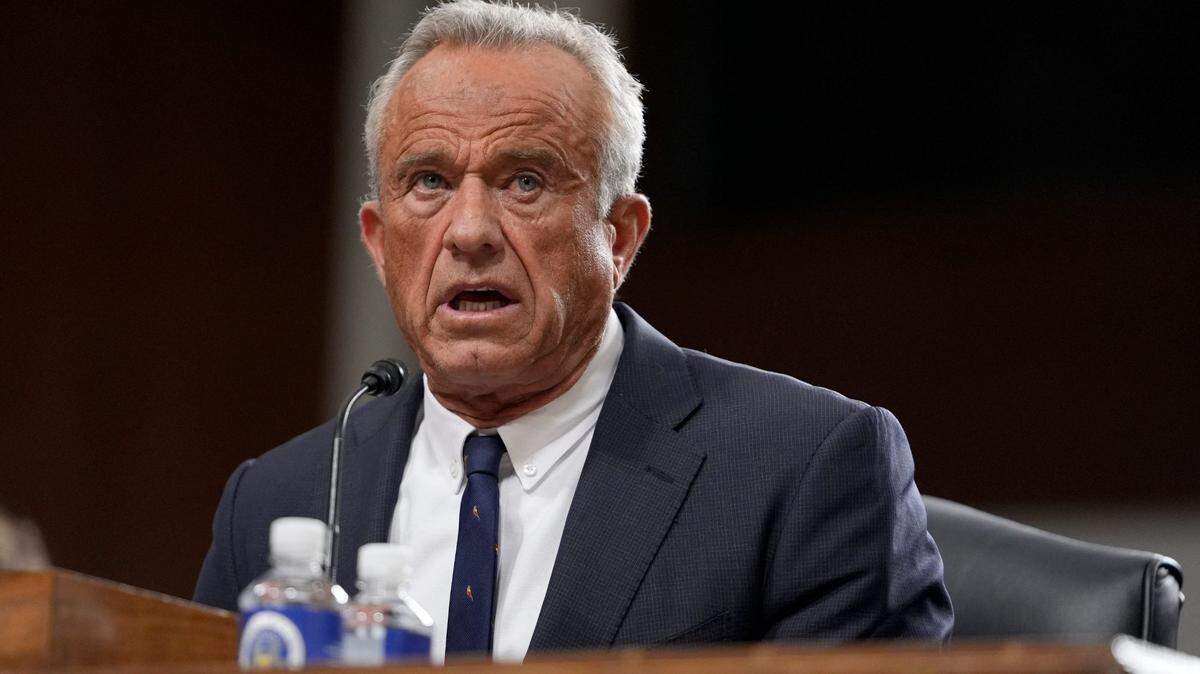
Robert F. Kennedy, Jr., a longtime anti-vaccine advocate, was sworn in as the secretary of the U.S. Department of Health and Human Services on Feb. 13, a move that experts said could be devastating for access to vaccines for communities like Fort Worth, which already has unusually low vaccination rates.
Kennedy’s decisions as leader of HHS could make it even harder for children to access free vaccines, they said, and could even penalize institutions that incentivize or require vaccinations.
“He has a fixed, immutable science-resistant belief that vaccines cause autism,” said Dr. Paul Offit, a leading vaccine scholar. “Why would we think that he will do anything other than make vaccines less available?”
Kennedy “can seriously skew vaccination uptake, delivery, funding and the legal environment and information environment,” said James Hodge, director of the Center for Public Health Law and Policy at Arizona State University’s law school.
The U.S. Department for Health and Human Services did not respond to requests for comment.
Kennedy has risen to popularity in the last year by focusing on the increase in chronic disease among Americans, but vaccine experts fear that his legacy of anti-vaccine work through his nonprofit, Children’s Health Defense, will affect his tenure as secretary.
What could happen to Fort Worth’s already low vaccination rate?
The Fort Worth region already has low vaccination rates for the measles-mumps-rubella vaccine. The Star-Telegram reported last year that MMR vaccination rates have dipped so low that one of every three elementary schools in Tarrant County would not be able to prevent a measles outbreak if an infected child came to school. In the Fort Worth school district, the county’s largest, the number of kindergartners who are up-to-date with the MMR vaccine has dropped from 96% of students in the 2019-20 school year to 84% in 2023-24.
Elsewere in Texas, a measles outbreak in Lubbock continues to spread. At least 48 people have been infected, and 13 have been hospitalized, according to the state health department. All cases are among residents who are unvaccinated or whose vaccination status is unknown, the health department said.
Communities need at least 95% of their population vaccinated with the MMR vaccine to prevent an outbreak, said Offit, who is the Director of the Vaccine Education Center at the Children’s Hospital of Philadelphia. In Gaines County, just 82% of kindergartners were vaccinated last year, according to state data.
“That Lubbock community was just a powder keg waiting to be lit,” he said.
Fort Worth’s low vaccination numbers mean that it, too, is at risk, Offit added.
The low vaccination rates in Fort Worth could become even worse if Kennedy tinkers with vaccine law and policy. There are several ways that Kennedy could upend the landscape of vaccine access, Hodge said.
A primary way would be to continue to spread misinformation and use his platform to sow doubt in the safety of vaccines, Hodge explained.
But Kennedy also oversees multiple agencies that set vaccine policy. And although states set their own requirements for which vaccines are required for school attendance, they typically follow the direction of federal agencies that Kennedy is now in charge of.
Vaccine requirements “are set by state, but they’re very dependent on what the federal government has approved as legitimate vaccines,” Hodge said.
Perhaps the biggest blow Kennedy could make to vaccine availability, Hodge said, is by limiting or cutting of funding for programs like the Vaccines for Children program, which provides free and low-cost vaccines to children without health insurance or who are on Medicaid or the Children’s Health Insurance Program. Even if states choose to maintain their existing vaccine programs, the federal government could affect policy through the power of the purse, Hodge said.
“The feds can set that policy so quickly here because they flat out control the resources,” he said. “They’ve got big bucks to pay for vaccine programs and initiatives.”
The Vaccines for Children program was created in 1994, in response to a measles resurgence in the U.S. It distributes millions of doses of vaccines annually.
This story was originally published February 14, 2025 at 10:20 AM.