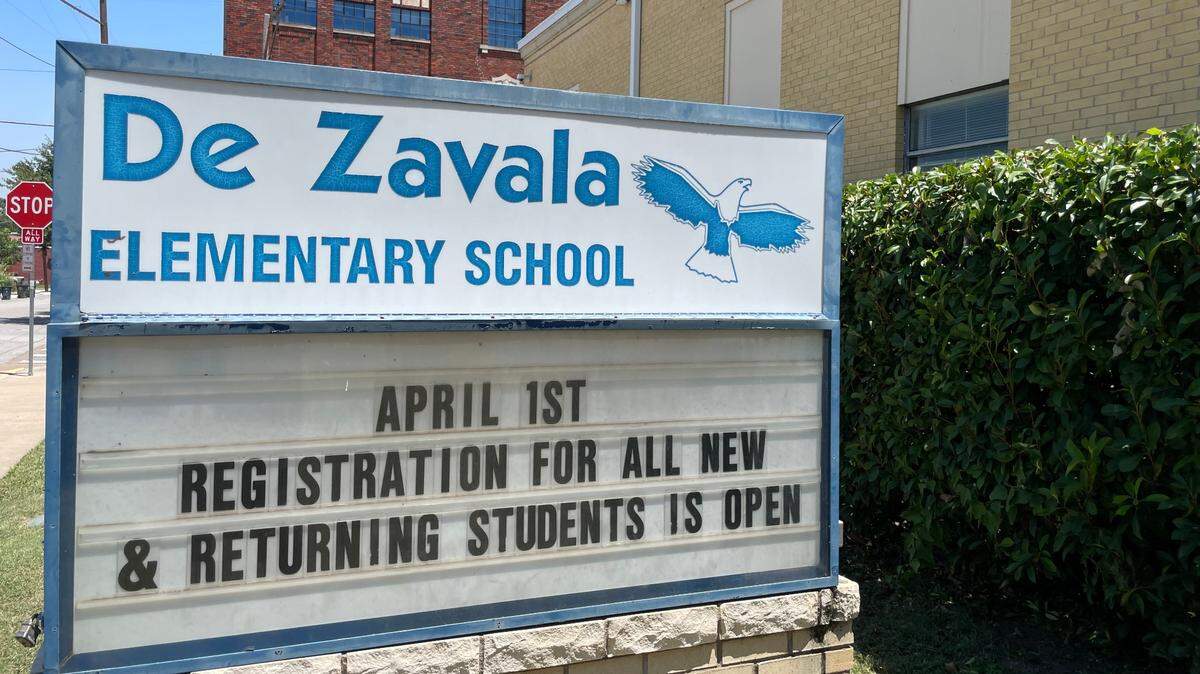
Fort Worth ISD to close De Zavala Elementary, named for the first VP of Texas
READ MORE
Fort Worth ISD: The people behind the names
The
on May 20 to approve a plan to shutter 16 schools between 2026 and 2029. Previously, the district voted to close two schools in June 2025.
These closures are part of the district’s facilities master plan, which is intended to help Fort Worth ISD manage revenue loss from declining enrollment. Here’s a look at some of the namesakes of these closing schools.
Expand All
Fort Worth ISD to close De Zavala Elementary, named for the first VP of Texas
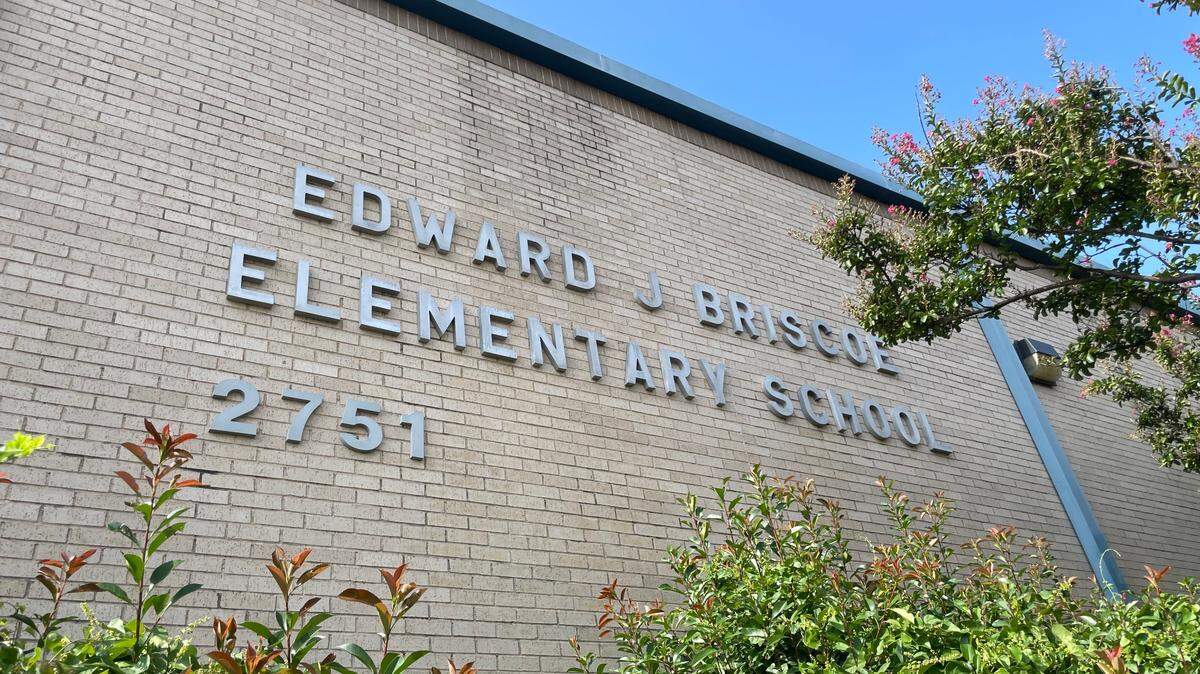
Fort Worth ISD to close Edward J. Briscoe Elementary, named for Black educator
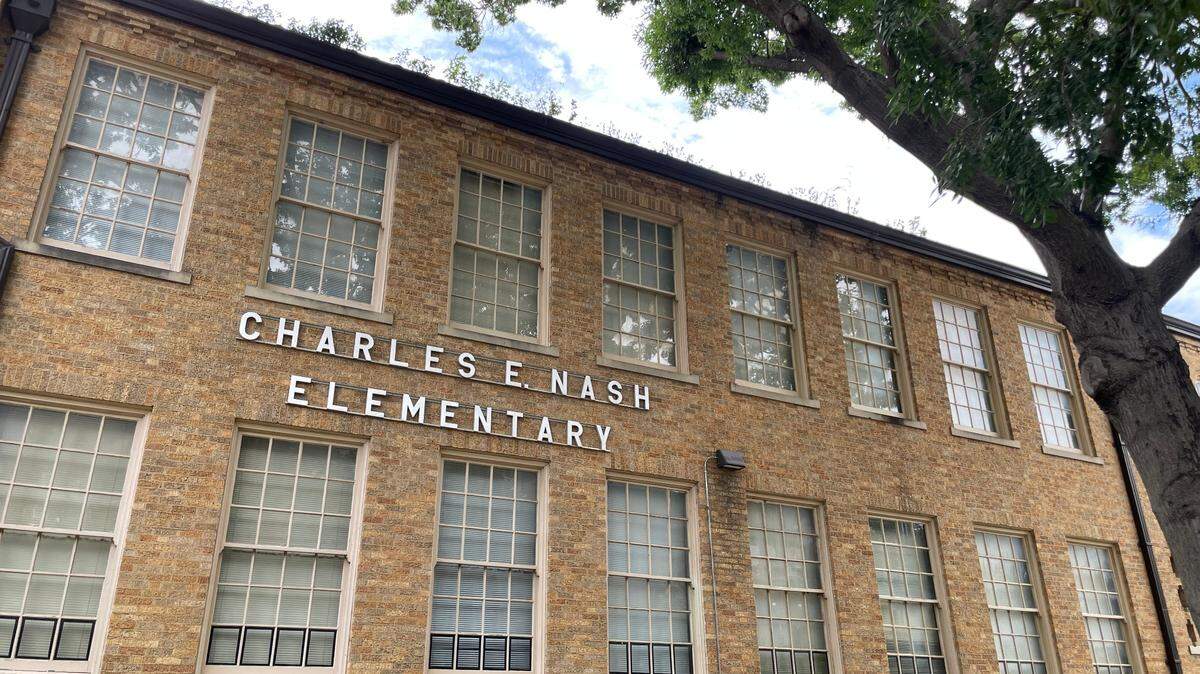
Fort Worth ISD closing Charles E. Nash Elementary, named for hardware store owner
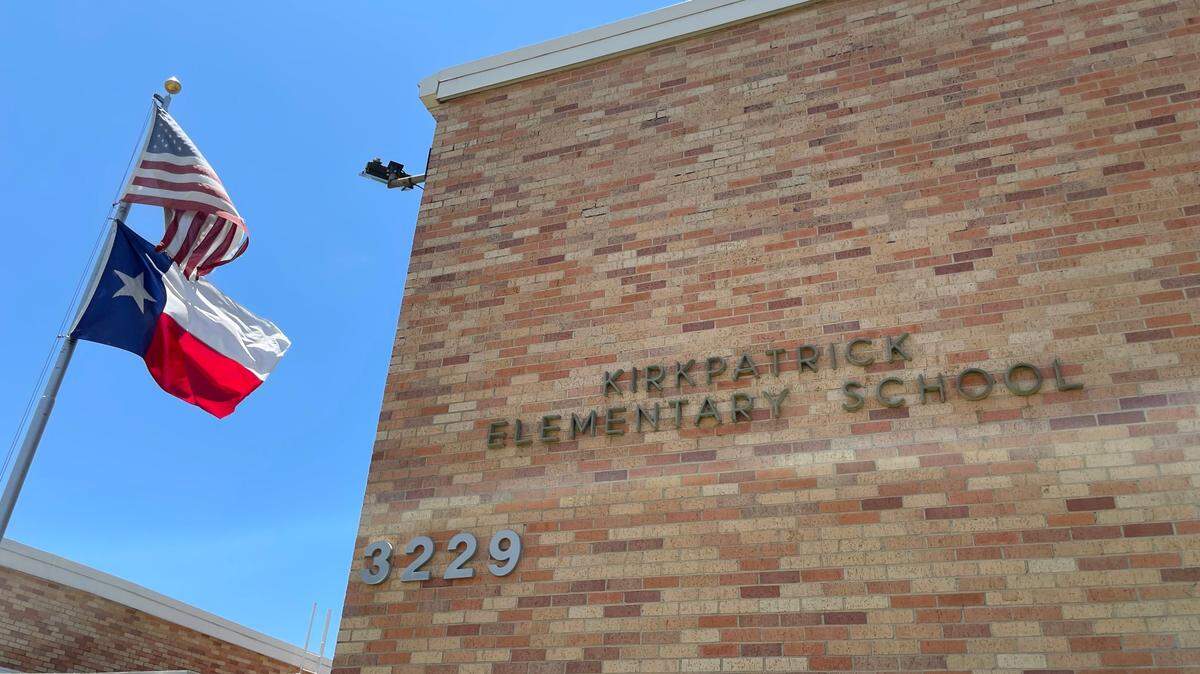
Fort Worth ISD is closing Kirkpatrick schools. They’re named for Black educator
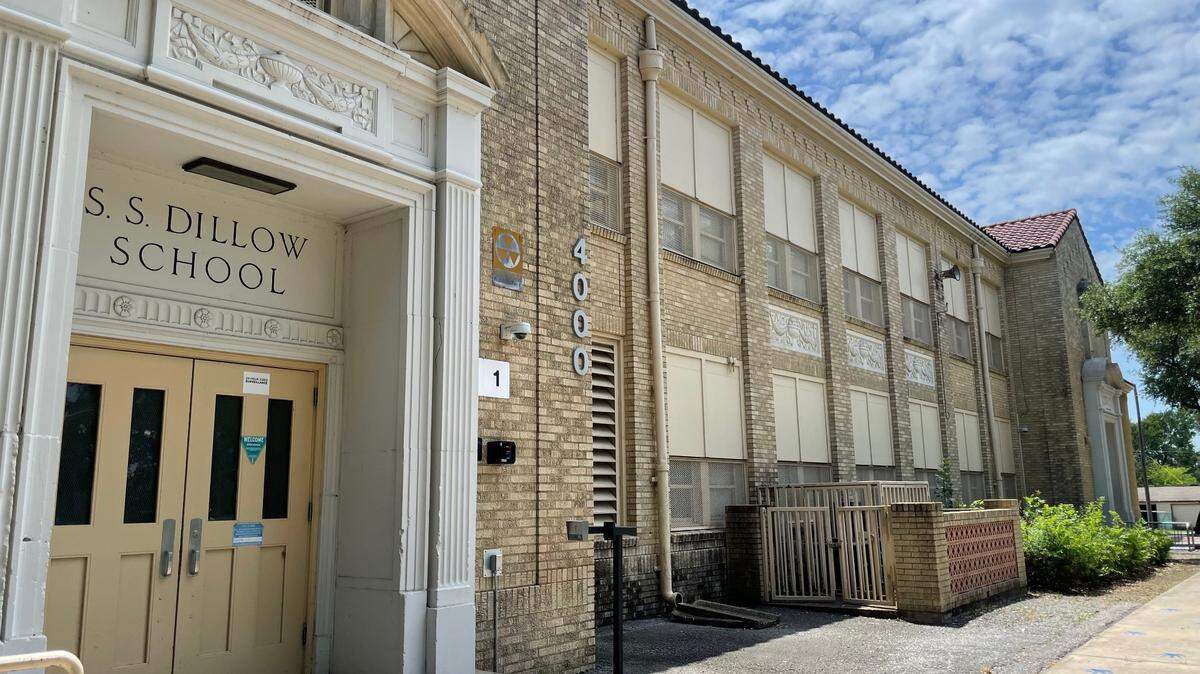
Fort Worth ISD closed S.S. Dillow Elementary. What to know about the man behind the name
De Zavala Elementary School is one of 18 schools Fort Worth ISD will close over the next four years.
The Fort Worth school board voted 8-0 on May 20 to approve a plan to shutter 16 schools between 2026 and 2029. Previously, the district voted to close two schools in June 2025.
These closures are part of the district’s facilities master plan, which is intended to help Fort Worth ISD manage revenue loss from declining enrollment.
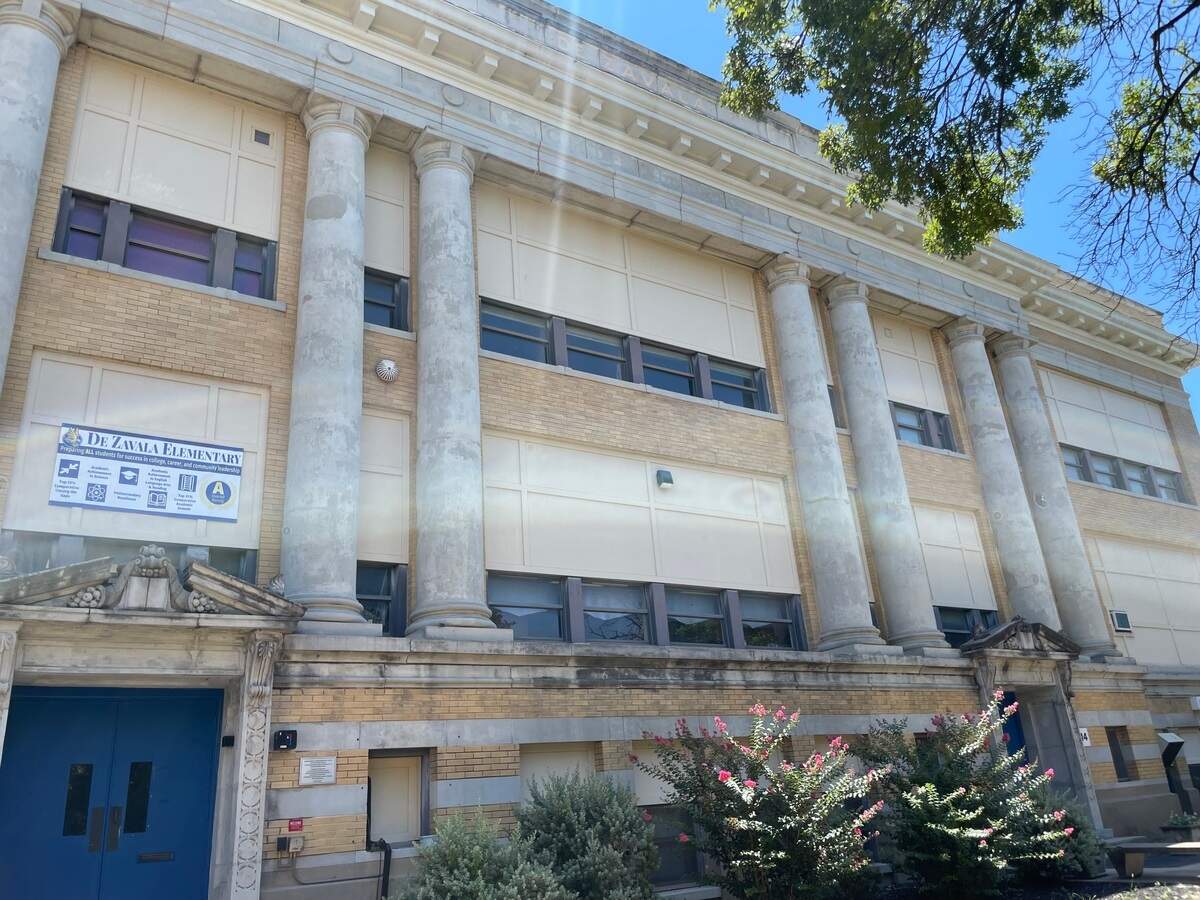
De Zavala Elementary (1419 College Ave.) is closing in June 2027. The school is named after the first vice president of the Republic of Texas.
Here’s what to know about the man behind the name.
An early leader of Texas
Lorenzeo de Zavala (1788-1836) was the first vice president of the Republic of Texas.
The Mexican-born Zavala founded and edited several newspapers after graduating seminary school in 1807, according to the Texas State Historical Association. He served as secretary for the city council of Mérida, Mexico, from 1812-1814.
Zavala was known to express his political views and was imprisoned in 1814 for his support of democratic reform. While in prison until 1817, he taught himself to read English and learned medicine from medical textbooks. He later become a physician.
In the 1820s, Zavala was key in establishing a republican government in Mexico, which was newly independent.
He was forced into exile in 1830 due to a strife between the federalists and centralists, according to the Texas State Historical Association. Zavala’s exile was short lived as he returned to Mexico in 1832 and was named to serve as a Mexican diplomat in Paris.
In 1834, Zavala resigned from his post after learning his former ally — Mexican President Antonio López de Santa Anna — began operating as a dictator.
Zavala moved to Texas, where he was drawn into the political scene. He first advocated for the cause of Mexican Federalism and later showed support for the state’s independence movement, according to the Texas State Historical Association.
He served as a representative of Harrisburg, Texas, at the Convention of 1836 and was one of 59 people to sign the Texas Declaration of Independence. Zavala was then appointed the first vice president of the Republic of Texas in March 1836.
Zavala’s term as vice president was short lived as he resigned just a few months later in October. He died a month later from pneumonia, which he developed after overturning his rowboat in freezing water.
Zavala school naming
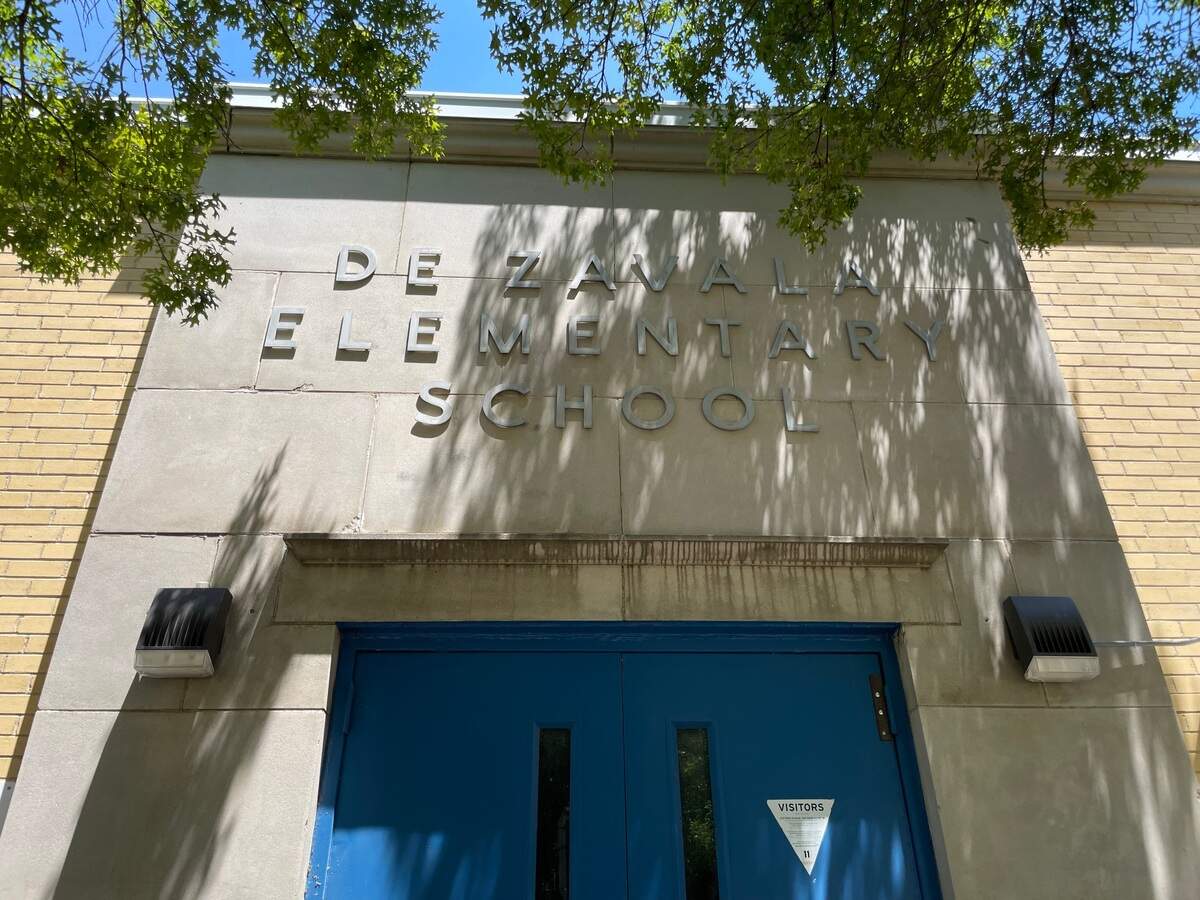
In 1906, a building called “De Zavala School” opened its doors near where the current school is located.
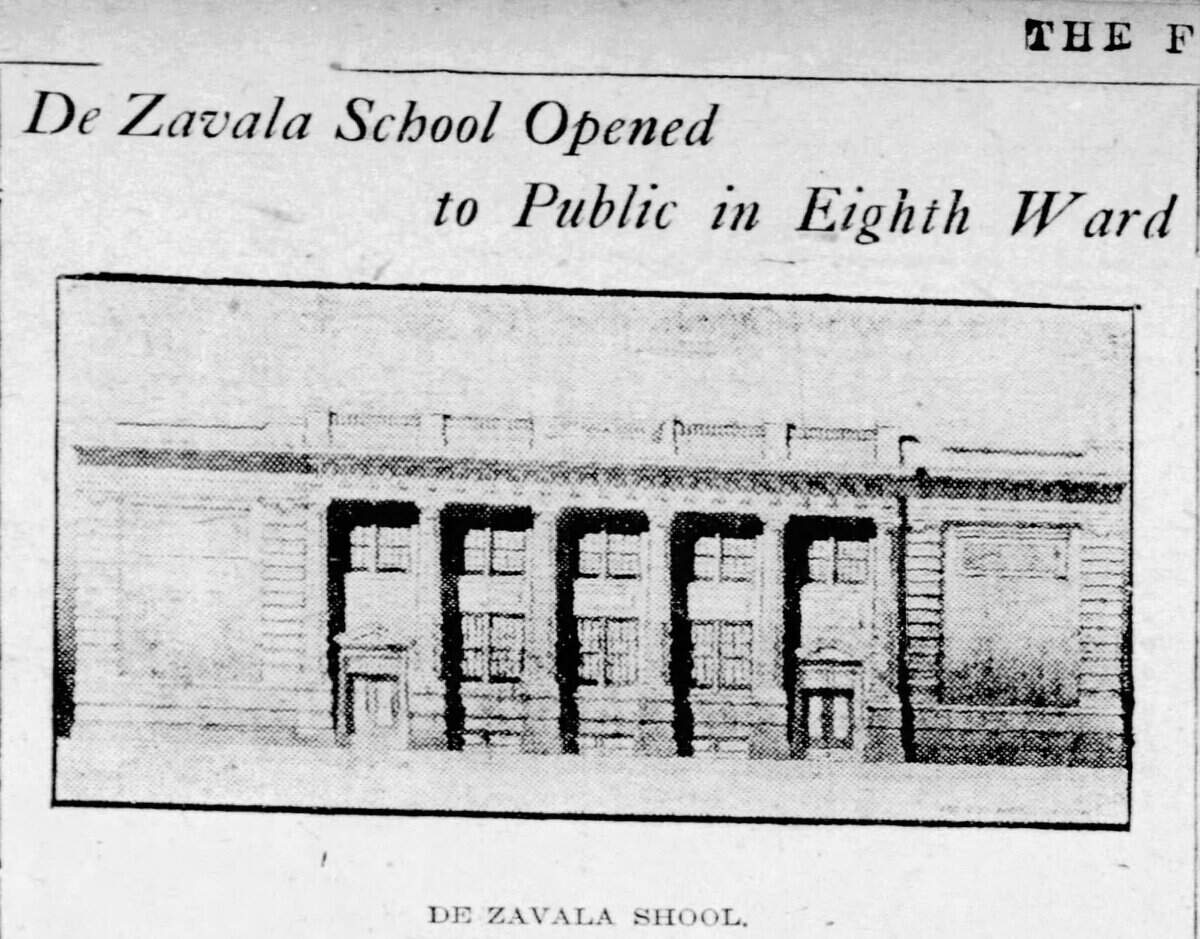
The school was previously slated to open in mid-February, but was delayed until early March, according to previous Star-Telegram coverage.
.png "Screenshot (207).png")
In 1914, a new school building was built near the 1906 school.
The new building, also named De Zavala School, is the same facility used to this day. Sometime in the 1950s, the 1906 building was demolished, according to previous Star-Telegram coverage.