Fort Worth ISD school closures could save millions. But would they help students?
READ MORE
Fort Worth ISD school closures
Officials in the Fort Worth Independent School District say that closing and consolidating more than a dozen campuses will save the district millions of dollars over the next four years, allowing them to redirect more money toward academic priorities.
Here’s what to know.
Expand All
Officials in the Fort Worth Independent School District say that closing and consolidating more than a dozen campuses would save the district millions of dollars over the next five years, allowing them to redirect more money toward academic priorities.
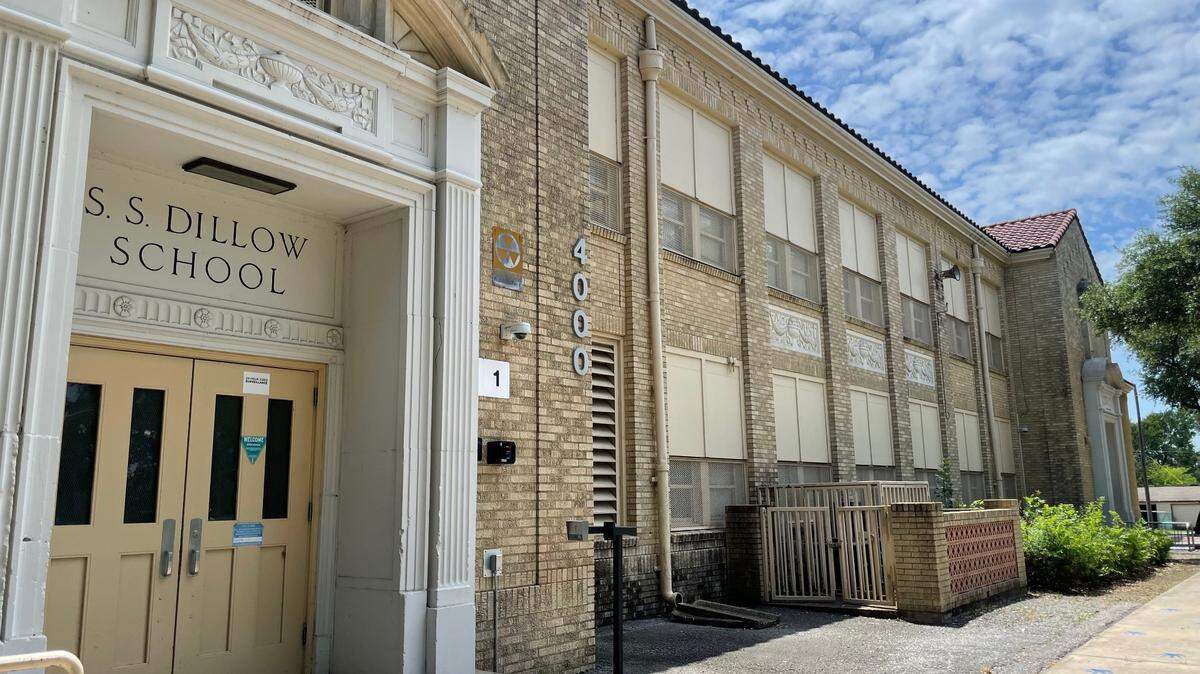
District officials presented a proposed five-year facilities plan at a school board meeting Tuesday. The plan includes the closure and consolidation of 18 small and under-enrolled schools, including S.S. Dillow Elementary School, which is scheduled to close this summer due to structural issues.
The proposal received pushback from parents who were worried about how the closures would affect their children’s access to quality education. But other community members urged the board to move forward with the plan, saying that those tough decisions would put Fort Worth ISD in a better position to help students make progress academically.
The plan includes the following campus closures:
- J.T. Stevens Elementary closing at end of 2026-27 school year; students transfer to Westcreek Elementary and Bruce Shulkey Elementary
- Charles Nash Elementary closing at end of 2025-26 school year; students transfer to Oakhurst Elementary, Versia Williams Elementary and Rufino Mendoza Elementary
- Harlean Beal Elementary closing at end of 2027-28 school year; students transfer to David K. Sellars Elementary
- H.V. Helbing Elementary closing at end of 2027-28 school year; students transfer to Diamond Hill Elementary and M.H. Moore Elementary
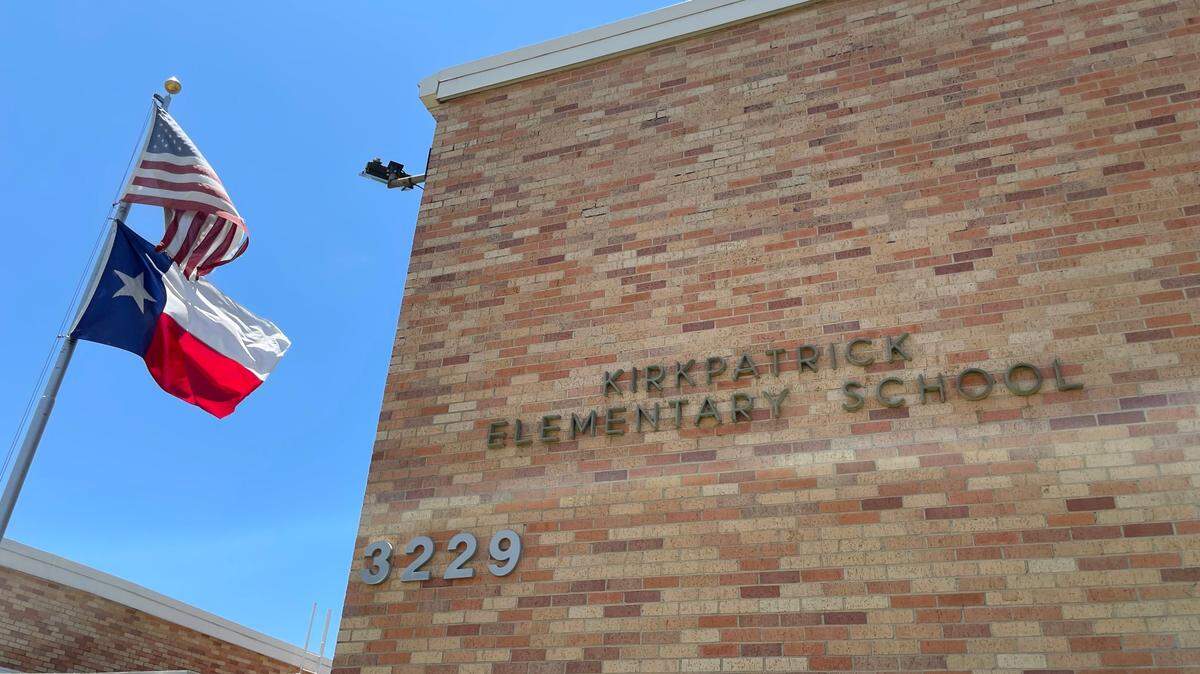
- Kirkpatrick Elementary closing at end of 2025-26 school year; students transfer to Washington Heights Elementary and Dolores Huerta Elementary
- Kirkpatrick Middle closing at end of 2028-29 school year; students transfer to newly constructed J.P. Elder Middle
- Edward J. Briscoe Elementary closing at end of 2025-26 school year; students transfer to Carroll Peak Elementary, Morningside Elementary and Van Zandt-Guinn Elementary
- Morningside Middle closing at end of 2028-29 school year; students transfer to newly constructed William James Middle
- De Zavala Elementary closing at end of 2026-27 school year; students transfer to Lily B. Clayton Elementary and E.M. Daggett Elementary
- Atwood McDonald Elementary closing at end of 2026-27 school year; students transfer to Bill J. Elliott Elementary and East Handley Elementary
- A.M. Pate Elementary closing at the end of 2026-27 school year; students transfer to Christene C. Moss Elementary
- Sunrise-McMillan Elementary closing at end of the 2027-28 school year; students transfer to Maudrie M. Walton Elementary, Christene C. Moss Elementary and W.M Green Elementary (A.M. Pate could become a school of choice, and Sunrise-McMillan could become a family resource hub)
- Riverside Applied Learning Center closing at end of 2025-26 school year; students transfer to Bonnie Brae Elementary
- Hubbard Heights Elementary closing at end of 2028-29 school year; students transfer to Seminary Hills Park Elementary, Richard J. Wilson Elementary and Worth Heights Elementary
Fort Worth ISD leaders say they need to consolidate schools to keep up with declining enrollment. Since the 2019-2020 school year, the district has lost about 15% of its enrollment. School leaders expect the district will continue to lose enrollment over the next five years, with about 6% fewer students enrolled by the 2029-30 school year.
Kellie Spencer, the district’s deputy superintendent, said closing those schools would save Fort Worth ISD about $10 million in support staffing costs over the next five years. That’s money the district can redirect into the classroom, Spencer said during a presentation.
Superintendent Karen Molinar said the money the district saves through consolidation would go a long way toward helping Fort Worth ISD expand programs like two-way bilingual classes and summer school. Some of that money could also go toward the addition of math demo teachers at elementary schools, she said. Demo teachers spend part of their day working with their own students and the rest helping less experienced teachers hone their skills. District leaders plan to place reading demo teachers in elementary schools next year.
During the meeting, several parents, teachers and other community members called on board members to find a way to avoid closing De Zavala Elementary School. Some pointed out that, while a majority of the school’s students are from low-income families, De Zavala outperforms the rest of the district academically. On last year’s STAAR exams, 53% of the school’s third-graders scored on grade level in reading, compared with just 33% across the district.
But De Zavala is also one of Fort Worth ISD’s most under-enrolled schools. During the 2023-24 school year, 55% of the seats in the school were vacant, according to district records. Only one campus — Wedgwood Sixth Grade Center — had more vacant seats last year. The district closed Wedgwood Sixth last summer.
A number of parents proposed ideas for attracting more students to De Zavala, including converting it into a school of choice or expanding dual language programs. Stephanie Thomas, a parent at De Zavala, said she felt like families at the school had been shut out of the decision-making process around school closures. She noted that Fort Worth ISD is facing the prospect of a possible state takeover due to low student performance, and questioned how closing an A-rated campus like De Zavala helps the district move forward academically.
“This is your moment to lead with courage, vision and accountability for Fort Worth ISD as a whole,” Thomas said. “Let De Zavala become a model for what’s possible, not a casualty of a broken process.”
But not all speakers pushed back against proposed school closures. Caroline James, a dyslexia advocate and former Fort Worth ISD principal, said consolidating under-enrolled schools could allow the district to offer better services. James’ son Andrew has dyslexia, a fact that his teachers in the district didn’t spot. It wasn’t until Andrew moved to a private school specializing in reading disorders that he was diagnosed. If Fort Worth ISD had fewer schools, it could afford to staff them better, which could help other students avoid falling through the cracks, James said.
“Imagine serving 63 elementary schools with highly trained dyslexia interventionists instead of spreading those resources over 80 schools,” she said.
Robert Rogers, a Fort Worth reading tutor and president of the nonprofit Reading League of Texas, acknowledged that closing schools is a tough decision. But he pointed out that about half the elementary schools slated for closure had fewer than 10 third-graders scoring on grade level in reading on last year’s STAAR. Consolidating campuses would allow the district to shift resources toward literacy priorities, Rogers said.
“I understand the emotional nature of a neighborhood school closing,” Rogers said. “But the facts are the facts.”
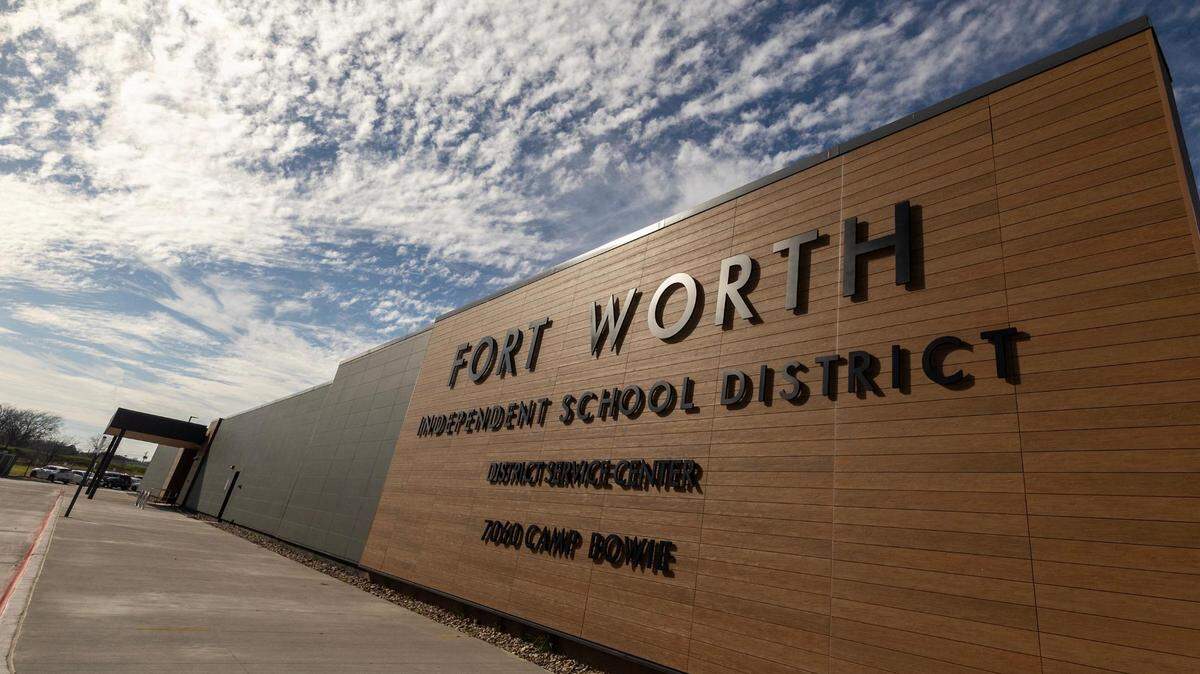
- The board is scheduled to vote on the plan at its May 20 meeting. The meeting begins at 5:30 p.m. at the Fort Worth ISD Administration Building, 7060 Camp Bowie Blvd.
This story was originally published May 13, 2025 at 10:44 PM.

.JPG)