Here’s how many people in Texas, U.S. will witness April 8 total eclipse, study finds
READ MORE
Texas Total Solar Eclipse 2024
Everything you need to know about the April 8 total solar eclipse.
Expand All
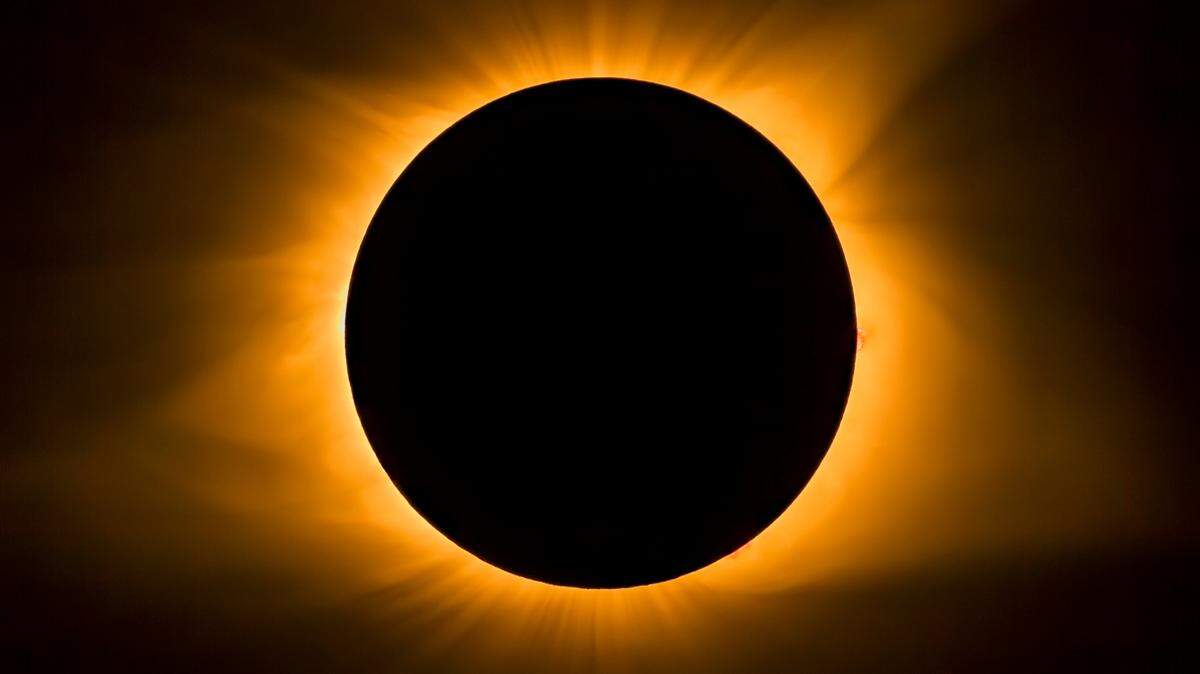
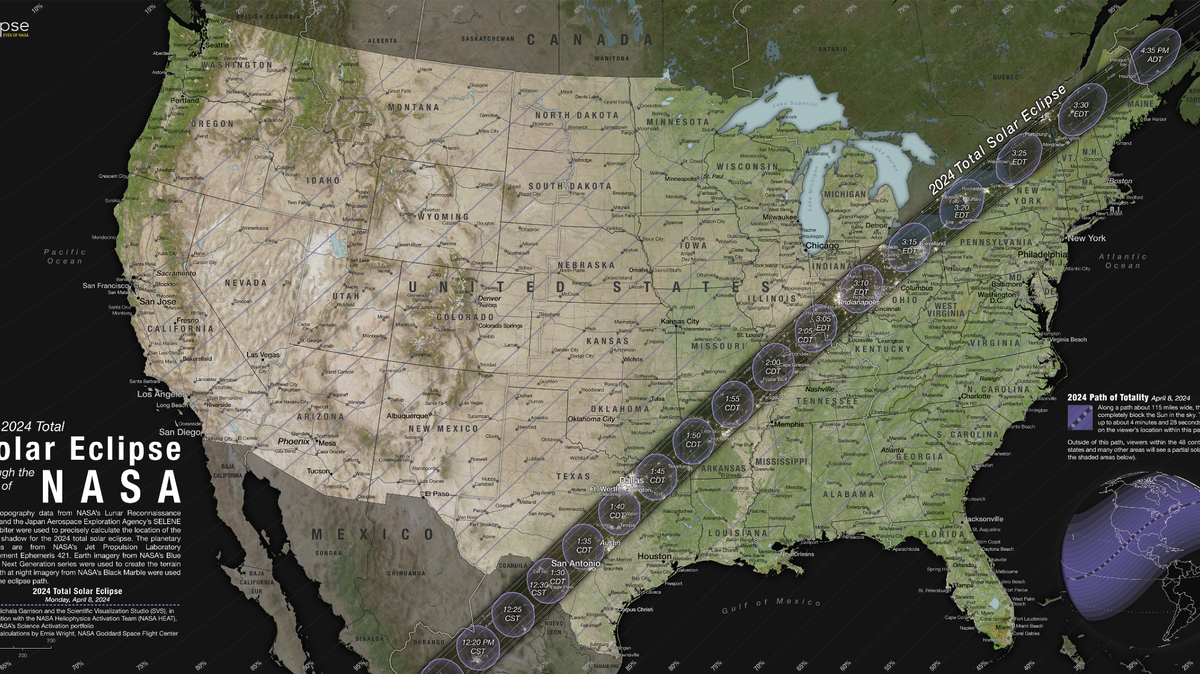
An estimated 31 million people living on the 3,937-mile-long path of the April 8 total solar eclipse in North America — from Mazatlan, Mexico, across the United States and finally Newfoundland, Canada — will witness an astronomical phenomenon most of them will only see once in their lifetimes. Of those, roughly 12.7 million are in Texas.
This will be the largest audience ever to watch the moon’s shadow crawl across the sun’s bright face, according to a study by Captain Experience, a Texas-based online fishing and travel website.
Not much of a surprise there since the eclipse will be seen across an area spanning 484,251 square miles, encompassing 15 U.S. states and three countries. In Texas alone, the 123-mile-wide swath of totality goes through the major metropolitan areas of San Antonio, Austin, Fort Worth, and Dallas.
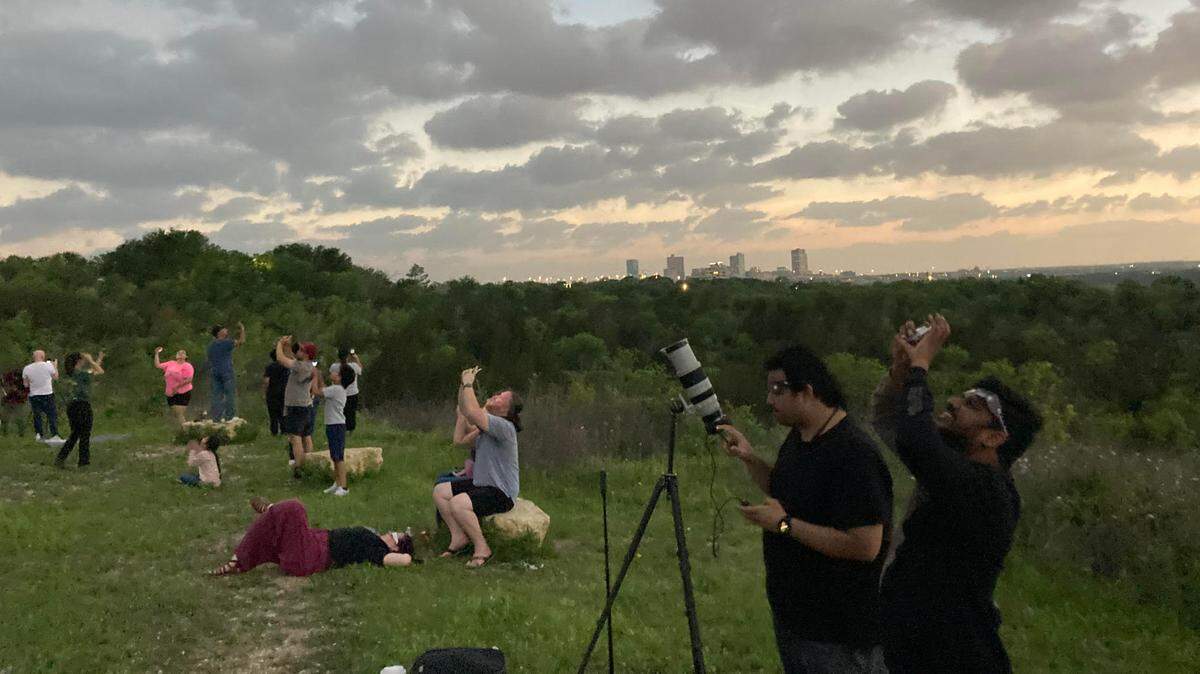
The nearly 1 million residents of Fort Worth will see the eclipse at exactly 1:40 p.m. for 2 minutes and 33 seconds.

Many Texas municipalities see the event as an opportunity to tout their tiny towns, including Hillsboro which have been prepping for the show the past year and a half. Thousands of astro-tourists will be find their way south knowing the state offers a better chance of finding clear skies to catch the eclipse.
In 2017, the shadow cast by the moon was only half as wide (60 miles) of what it will be Monday — although its path stretched from coast to coast starting in Oregon and ending in South Carolina.
For those not on the path of totality, it may take a drive to get to a favorable viewing spot. But they will have many options. In Ohio, three of the state’s major cities are on the path: Columbus, Cleveland, and Toledo. Similarly, Buffalo and Rochester in New York will also see totality. More than 57% of the populations of Ohio, Vermont, Arkansas and Indiana combined will witness the total solar eclipse.
When will Texans see another total solar eclipse?
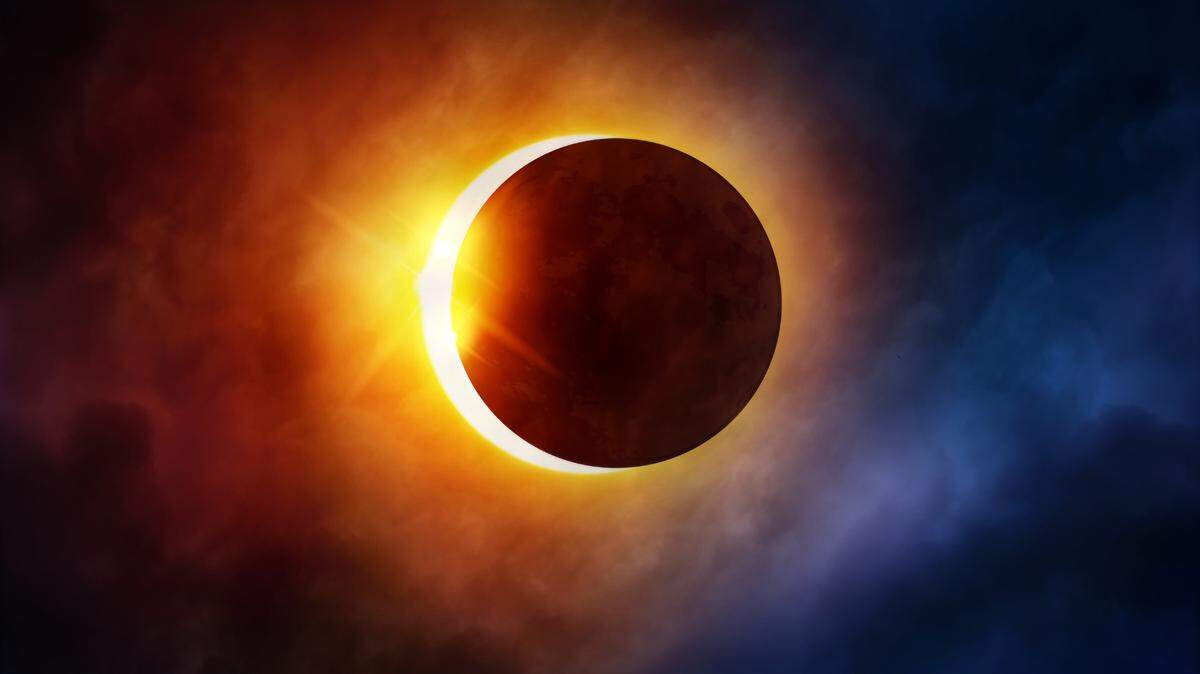
Texas will not see another solar eclipse until 2056. Except this one will be an annular eclipse, which is when the moon passes the sun at its farthest point from earth. It does not completely cover the sun but instead covers enough to leave a ring of sunlight around the moon.
It will be another 293 years — on July 9, 2317 — before the next total eclipse will pass over Fort Worth, according to to UT Arlington planetarium director, Levent Gurdemir.
When exactly will we see the eclipse in North Texas?
Fort Worth
- Partial eclipse begins — 12:23 p.m.
- Totality begins — 1:41 p.m.
- Totality ends — 1:43 p.m.
- Partial eclipse ends — 3:02 p.m.
- Duration of totality — Two minutes 24 seconds
Lampasas
- Partial eclipse begins — 12:18 p.m.
- Totality begins — 1:35 p.m.
- Totality ends — 1:40 p.m.
- Partial eclipse ends — 2:58 p.m.
- Duration of totality — Four minutes 26 seconds
Killeen
- Partial eclipse begins — 12:19 p.m.
- Totality begins — 1:36 p.m.
- Totality ends — 1:41 p.m.
- Partial eclipse ends — 2:59 p.m.
- Duration of totality — Four minutes 16 seconds
Proctor
- Partial eclipse begins — 12:20 p.m.
- Totality begins — 1:38 p.m.
- Totality ends — 1:39 p.m.
- Partial eclipse ends — 2:59 p.m.
- Duration of totality — One minutes 14 seconds
Cameron
- Partial eclipse begins — 12:20 p.m.
- Totality begins — 1:39 p.m.
- Totality ends — 1:40 p.m.
- Partial eclipse ends — 3 p.m.
- Duration of totality — 45 seconds
Waco
- Partial eclipse begins — 12:21 p.m.
- Totality begins — 1:38 p.m.
- Totality ends — 1:42 p.m.
- Partial eclipse ends — 3:01 p.m.
- Duration of totality — Four minutes 16 seconds
Corsicana
- Partial eclipse begins — 12:23 p.m.
- Totality begins — 1:42 p.m.
- Totality ends — 1:44 p.m.
- Partial eclipse ends — 3:02 p.m.
- Duration of totality — Four minutes five seconds
Roanoke
- Partial eclipse begins — 12:23 p.m.
- Totality begins — 1:42 p.m.
- Totality ends — 1:43 p.m.
- Partial eclipse ends — 3:02 p.m.
- Duration of totality — 59 seconds
Dallas
- Partial eclipse begins — 12:24 p.m.
- Totality begins — 1:41 p.m.
- Totality ends — 1:45 p.m.
- Partial eclipse ends — 3:03 p.m.
- Duration of totality — Three minutes 51 seconds
Celina
- Partial eclipse begins — 12:25 p.m.
- Totality begins — 1:43 p.m.
- Totality ends — 1:44 p.m.
- Partial eclipse ends — 3:03 p.m.
- Duration of totality — One minute 42 seconds
Canton
- Partial eclipse begins — 12:25 p.m.
- Totality begins — 1:42 p.m.
- Totality ends — 1:46 p.m.
- Partial eclipse ends — 3:04 p.m.
- Duration of totality — Four minutes eight seconds
Paris
- Partial eclipse begins — 12:27 p.m.
- Totality begins — 1:44 p.m.
- Totality ends — 1:48 p.m.
- Partial eclipse ends — 3:06 p.m.
- Duration of totality — Three minutes 59 seconds
This story was originally published April 2, 2024 at 1:58 PM.



.jpg)