Here’s when Fort Worth will witness the next total solar eclipse. How about the U.S.?

READ MORE
Texas Total Solar Eclipse 2024
Everything you need to know about the April 8 total solar eclipse.
Expand All
The next total solar eclipse that can be seen over the United States will not be for another nine years, and only in Alaska. It will be another 11 years after that before the moon’s shadow will crawl across states in the lower 48.
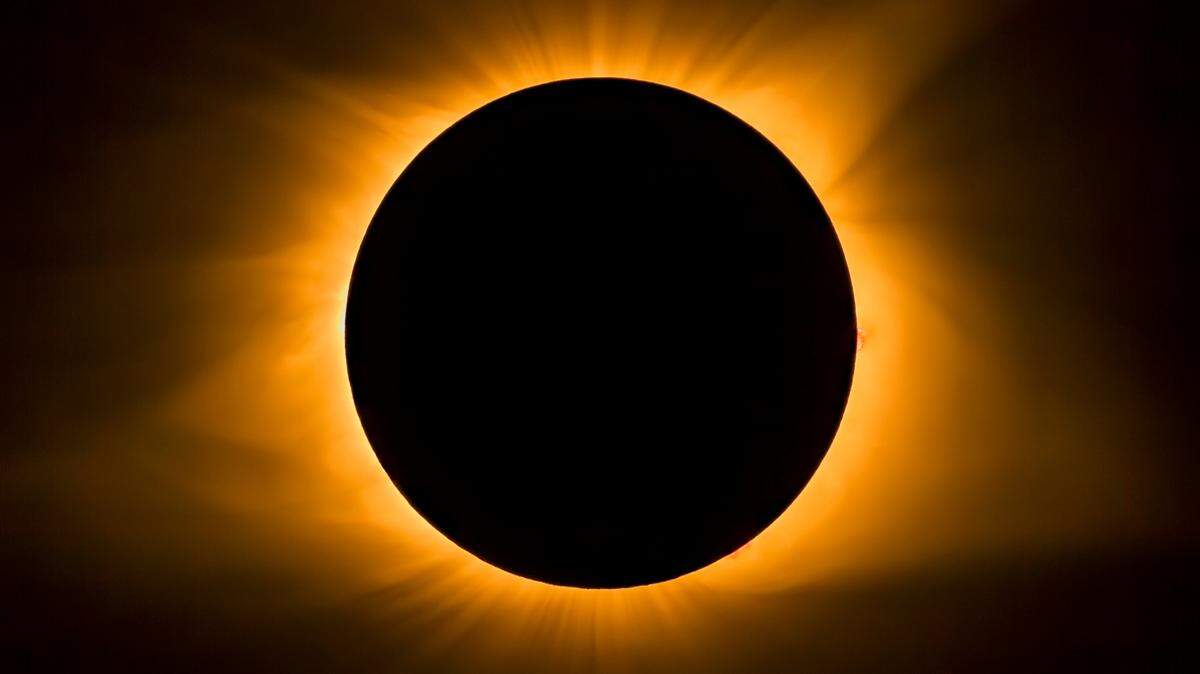
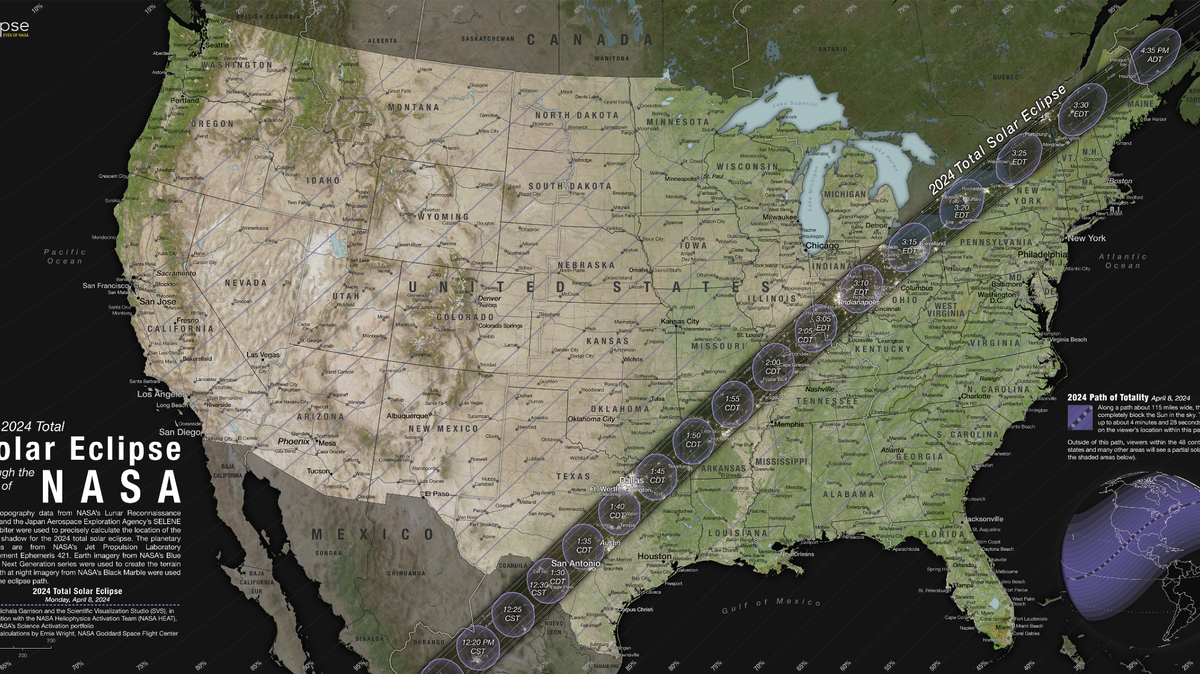
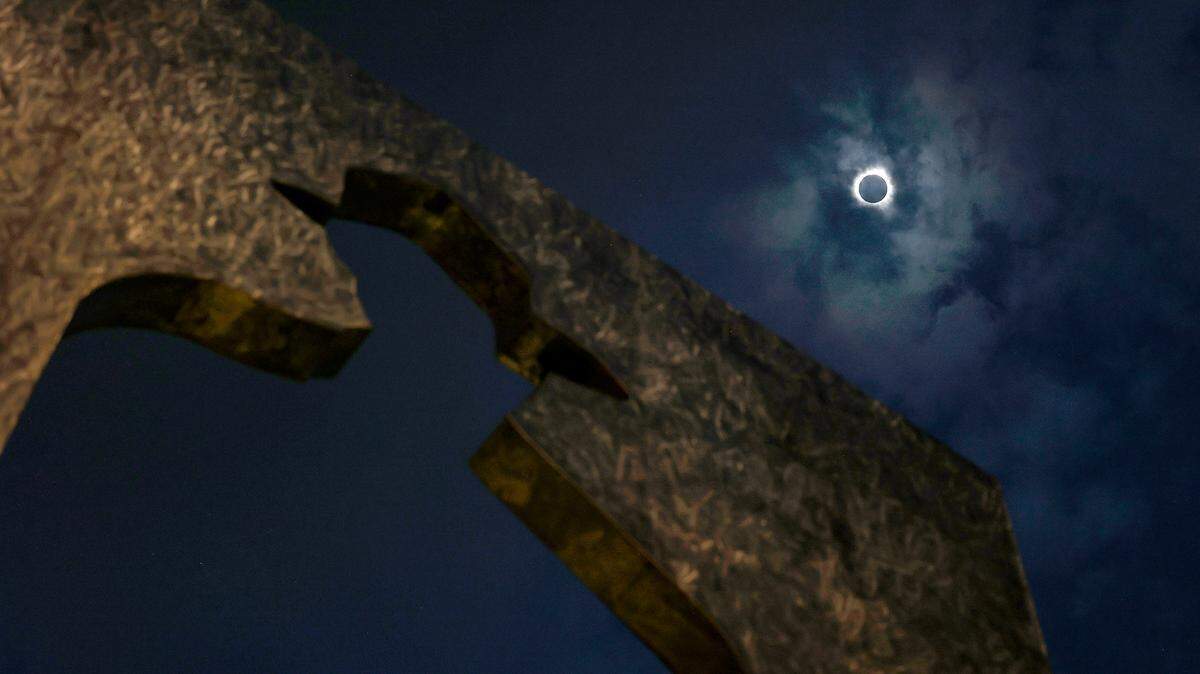
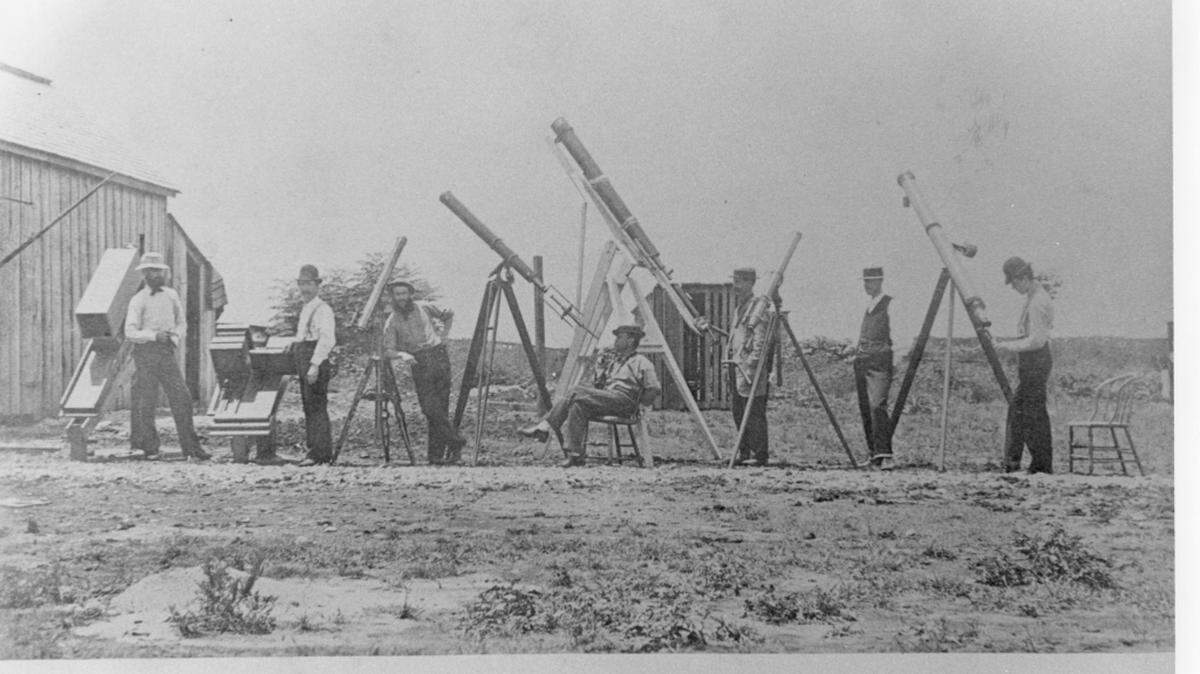
But in less than a week, millions in Mexico, the United States and Canada will be witnesses to a celestial spectacle rarely seen from the same spot. This is the first total eclipse since 1878 to be seen in Fort Worth, and by extension, a sliver of Texas along the spine of totality.
But fret not, total eclipses are not as rare as you may think. According to UT Arlington planetarium director, Levent Gurdemir, a total eclipse happens every 18 months. You just need to be in the right place at the right time.
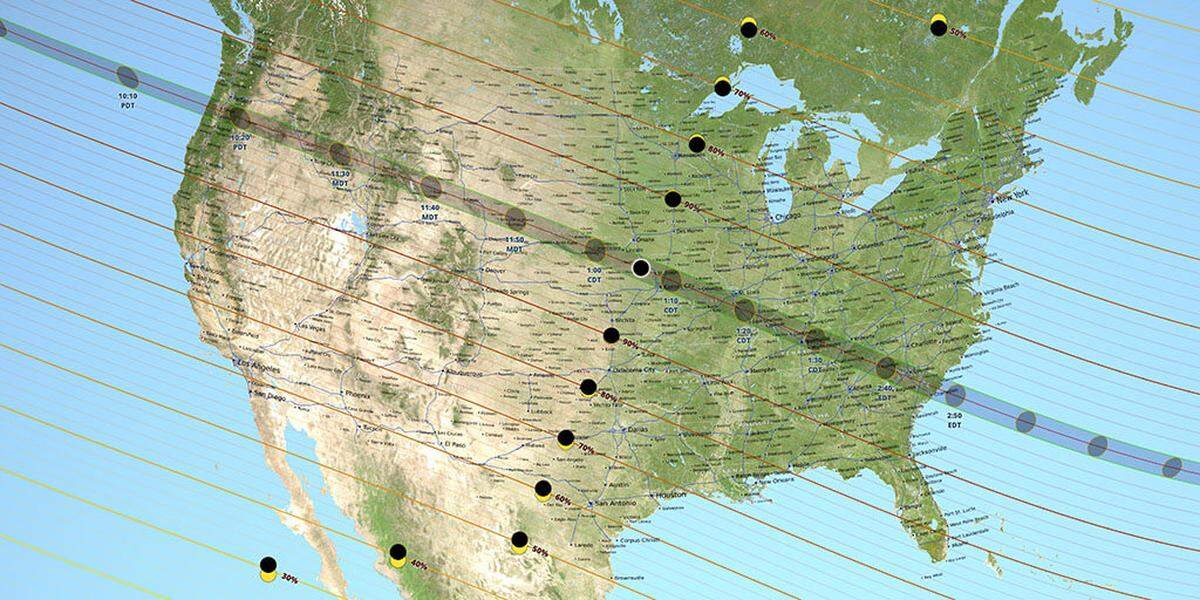

The last time much of the U.S. experienced a total eclipse was in 2017. That event stretched from the West Coast (Oregon) to the East Coast (South Carolina).
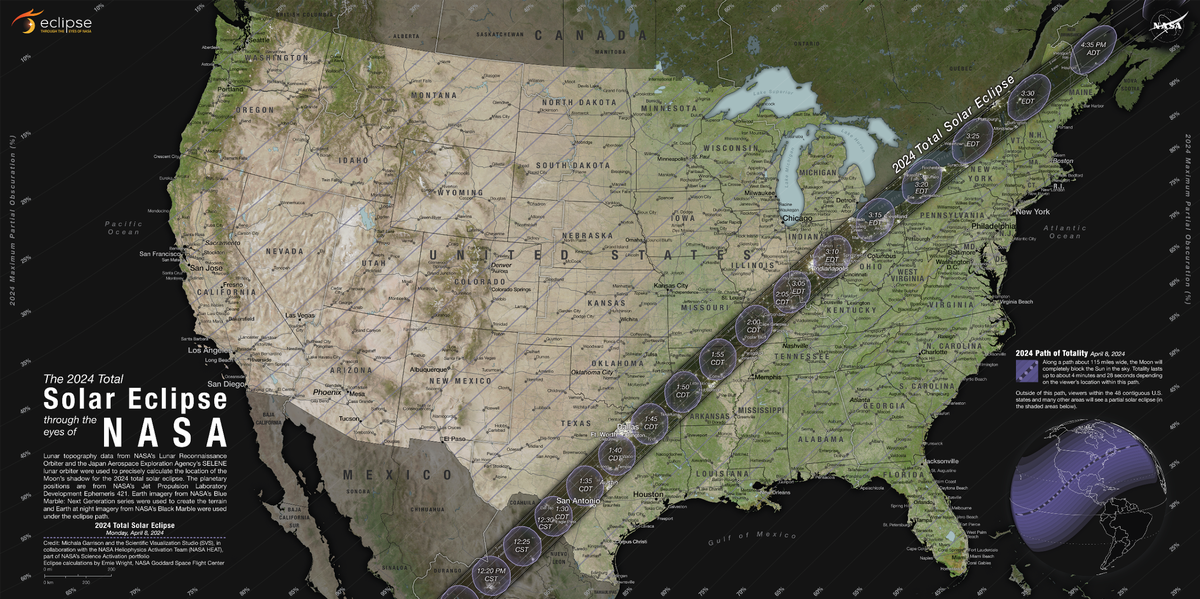
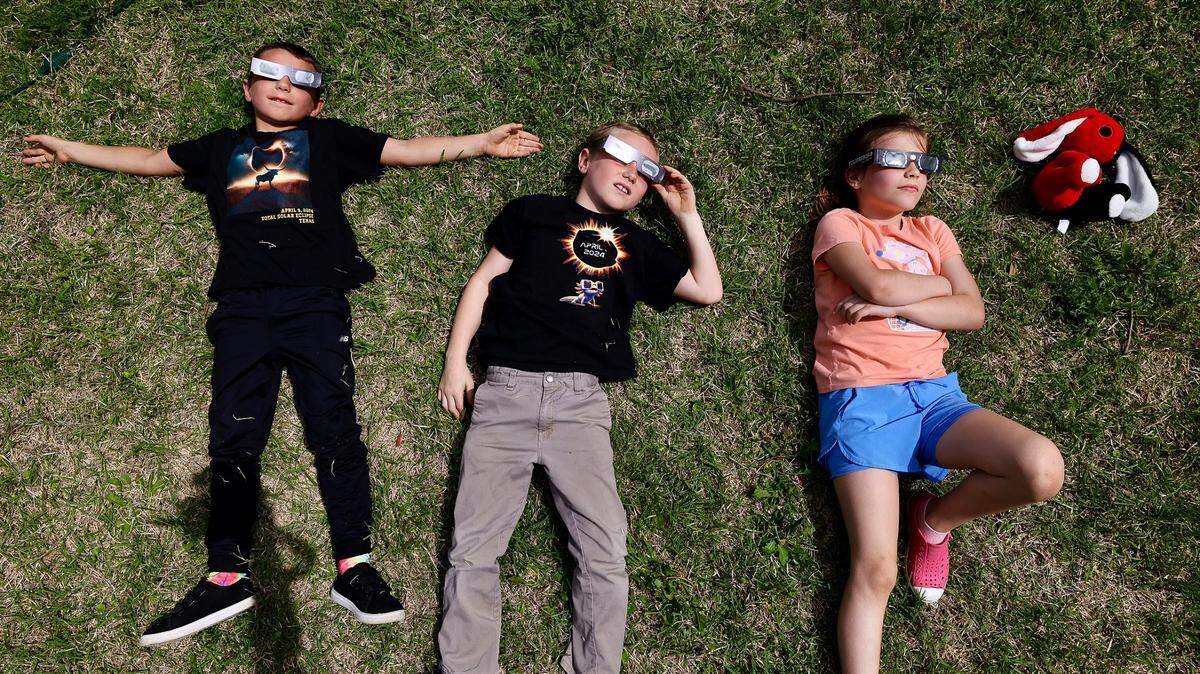
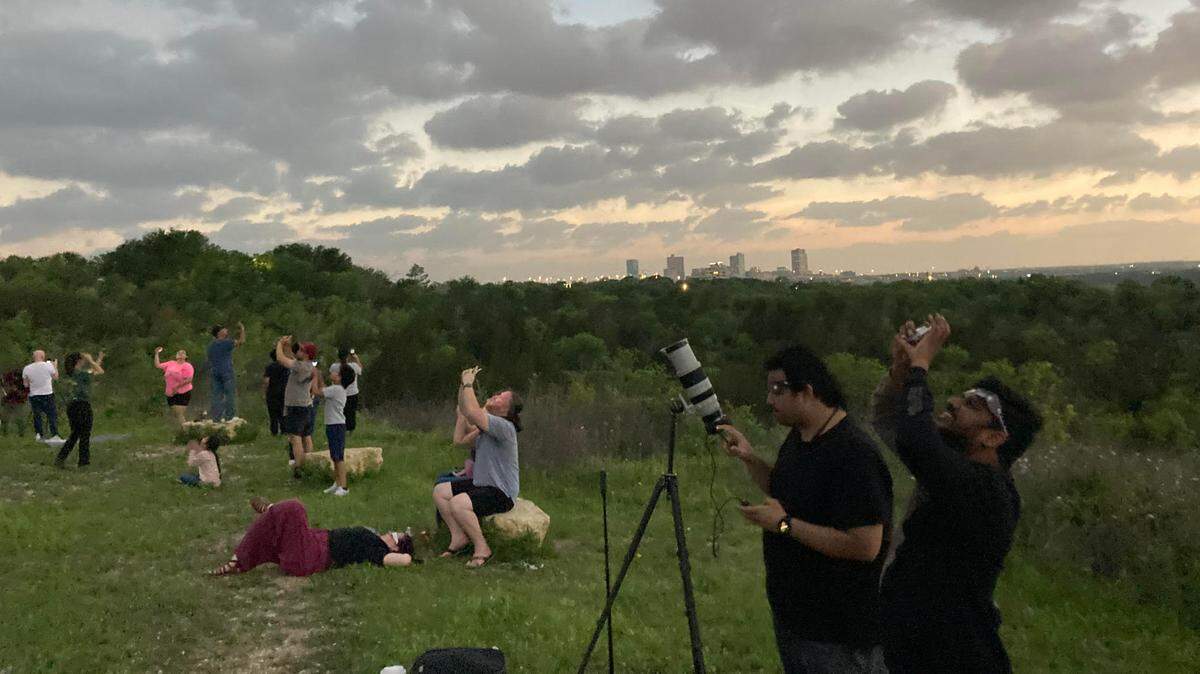
Monday’s event will encompass 15 states from Texas to Maine. Fort Worth will experience the total eclipse starting at 1:40 p.m. and lasting for 2 minutes and 24 seconds.
Here’s when the next total solar eclipse will be seen in the U.S.
Nine years from now, on March 30, 2033 one U.S. state, Alaska, will witness the phenomena. Alaska’s West Coast will share the path of totality with Russia’s East Coast.
After that, the next eclipse will occur on Aug. 23, 2044. Although the shadow’s path is shorter — only grazing the states of Montana, North Dakota and South Dakota — it’ll still make for an extraordinary event.
The following year, on August 12, 2045, 15 states will fall in the path of totality for another eclipse — starting in Northern California and culminating in southern Florida.
Fort Worth has much longer wait for the next total solar eclipse
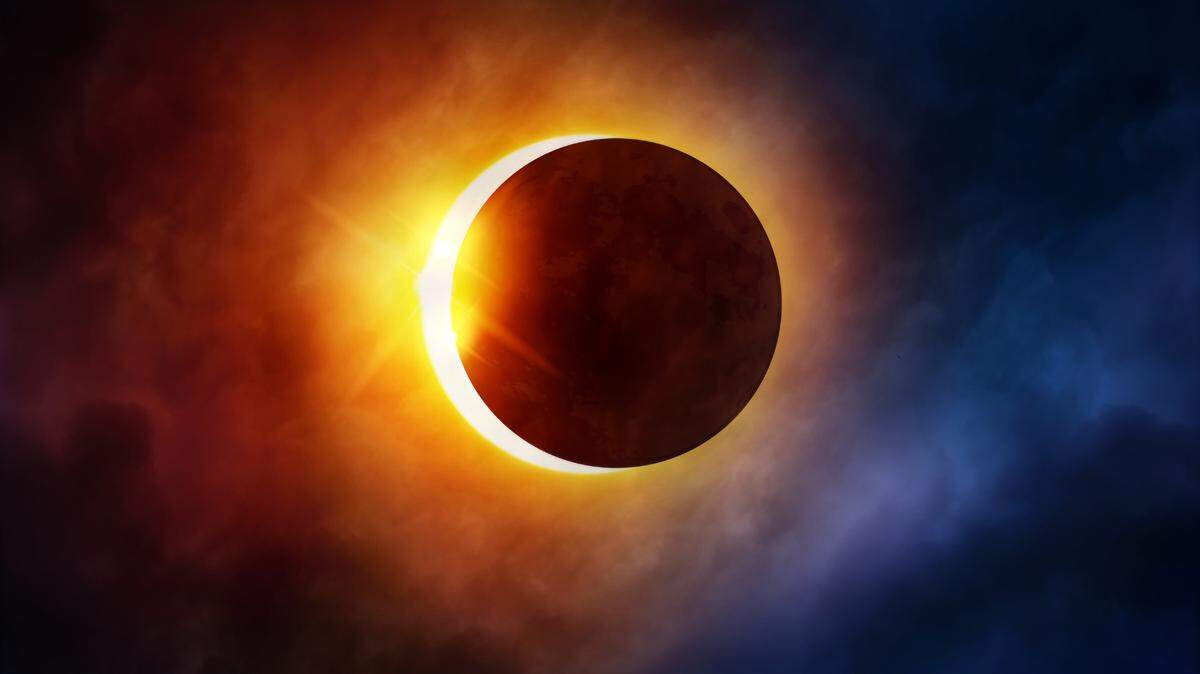
Texas will not see another solar eclipse until 2056. Except this one will be an annular eclipse, which is when the moon passes the sun at its farthest point from earth. It does not completely cover the sun but instead covers enough to leave a ring of sunlight around the moon.
The next total eclipse to pass over Fort Worth could be another 400 years according to Gurdemir. Right now, it is estimated to happen on July 9, 2317.
This story was originally published April 2, 2024 at 10:45 AM.




.jpg)