Will clouds ruin view of total eclipse for millions in Texas? There’s a silver lining
READ MORE
Texas Total Solar Eclipse 2024
Everything you need to know about the April 8 total solar eclipse.
Expand All
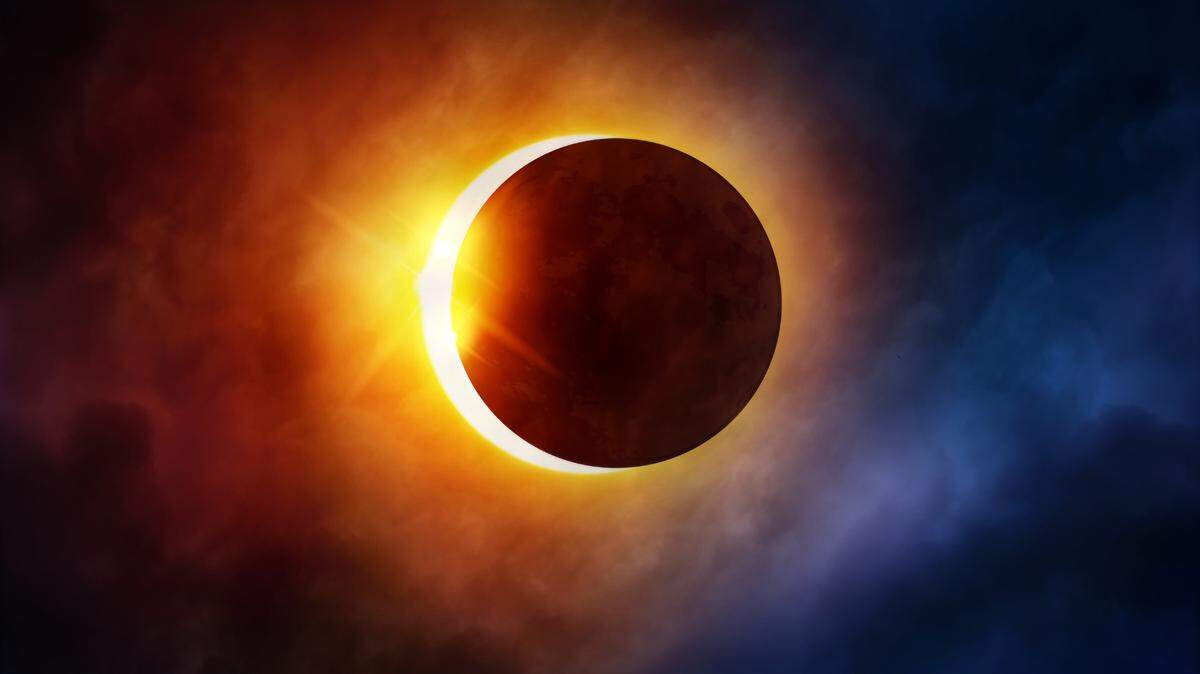
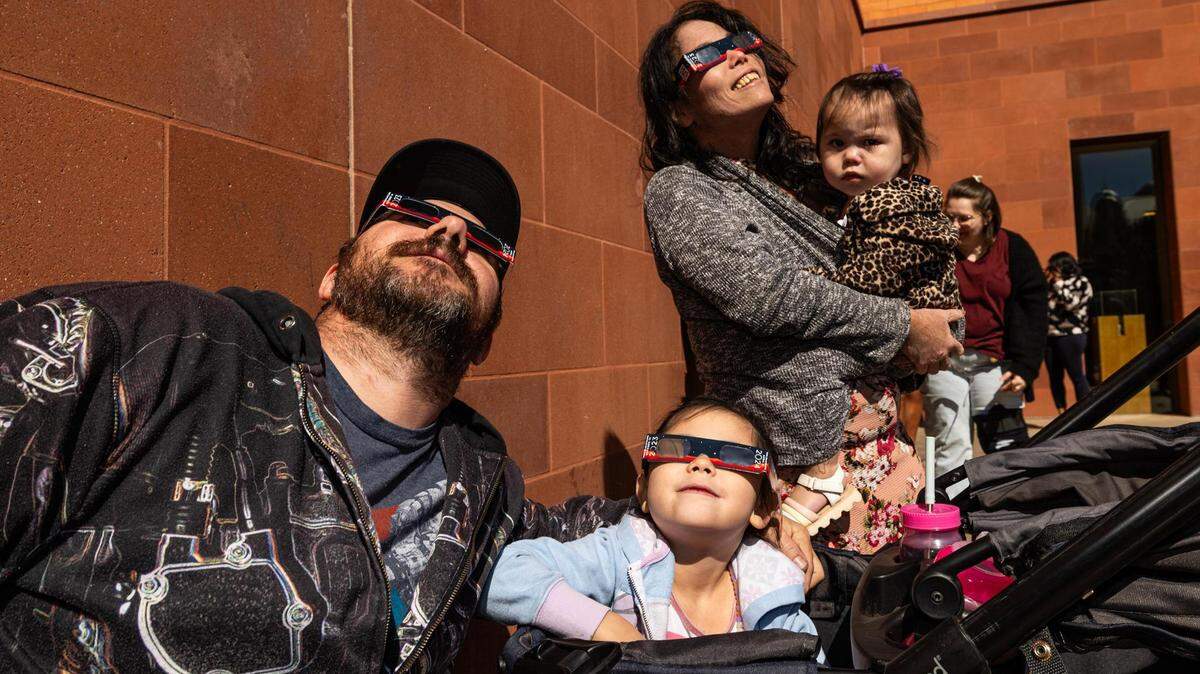
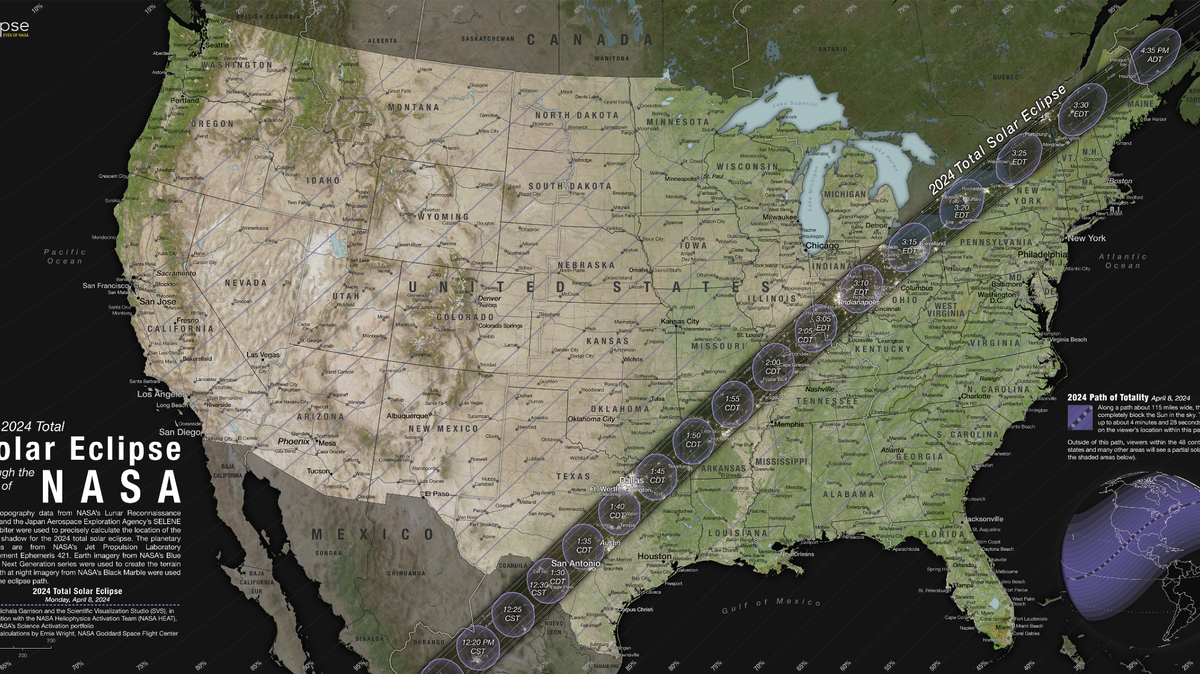
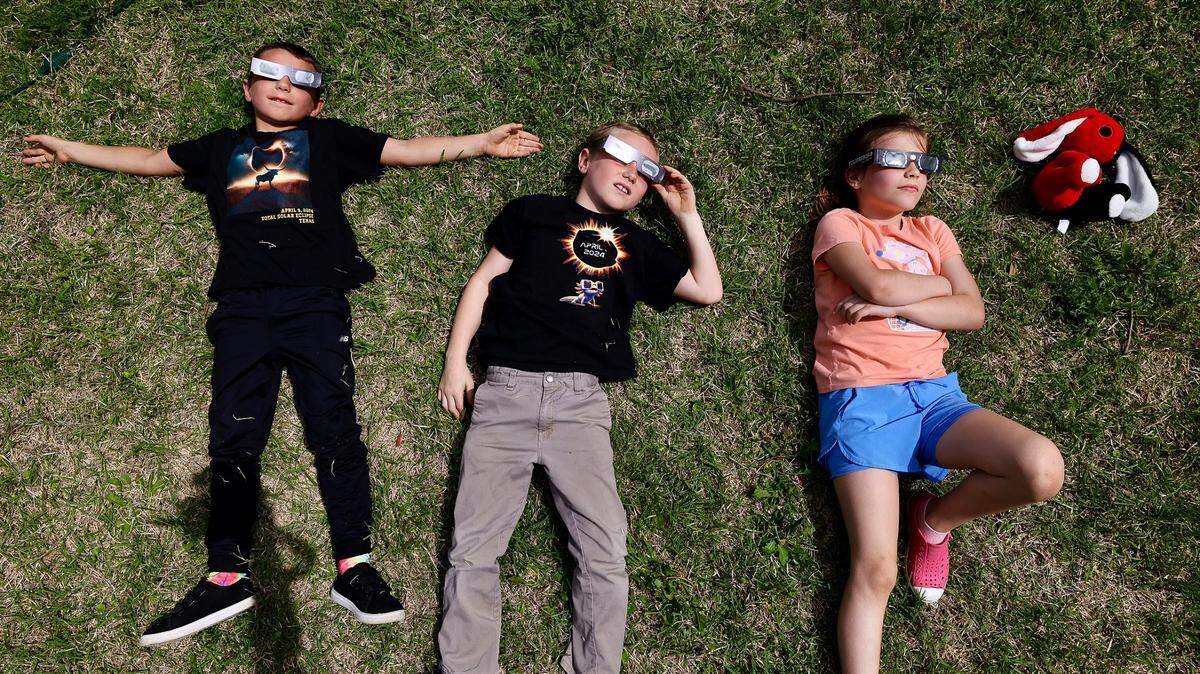
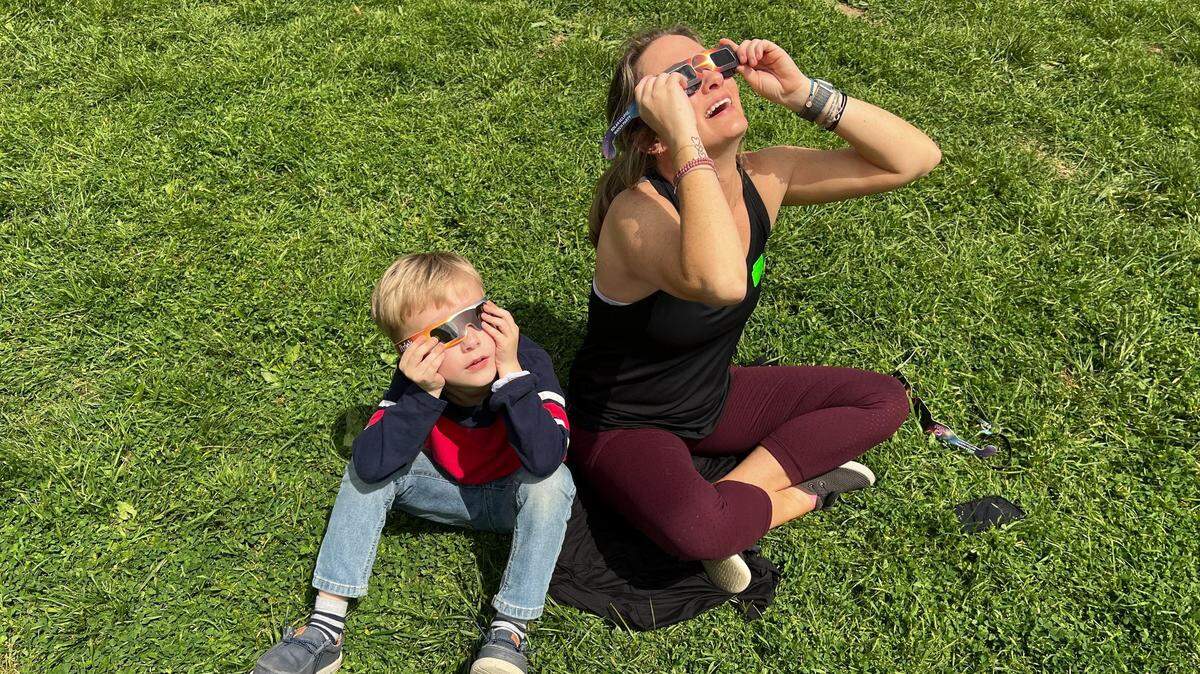
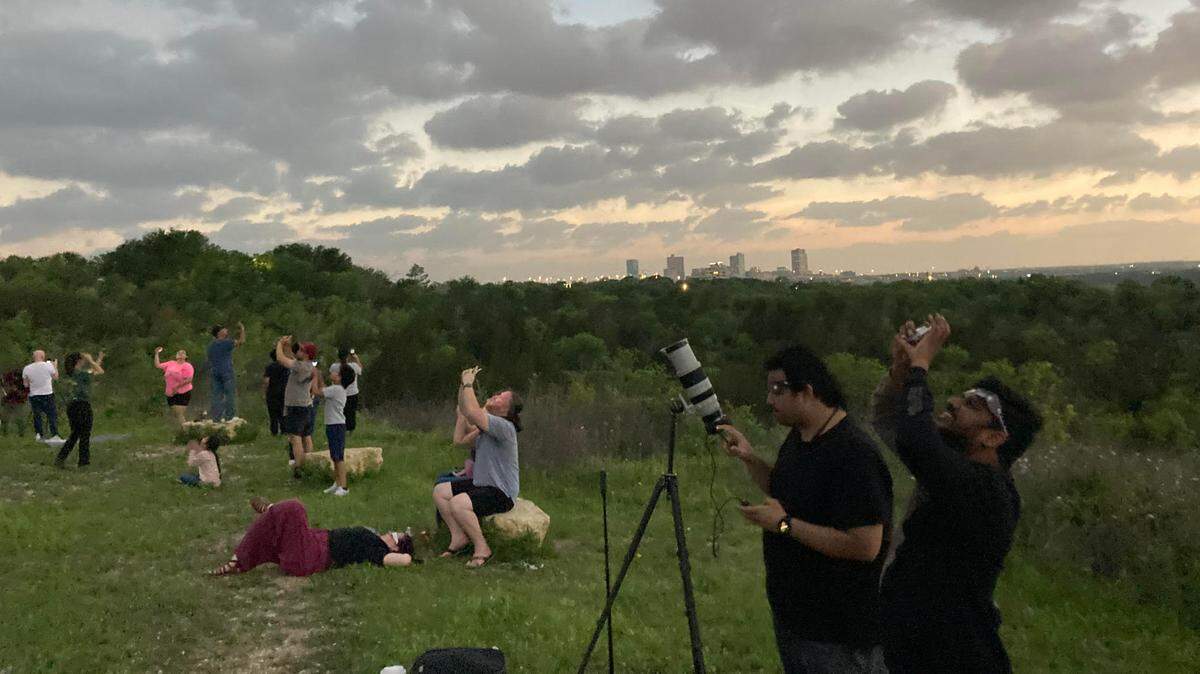
Many in Fort Worth are eagerly anticipating the total solar eclipse, a once-in-a-lifetime celestial spectacle, to unfold April 8. Millions more will follow speckless skies down the spine of totality to Texas.
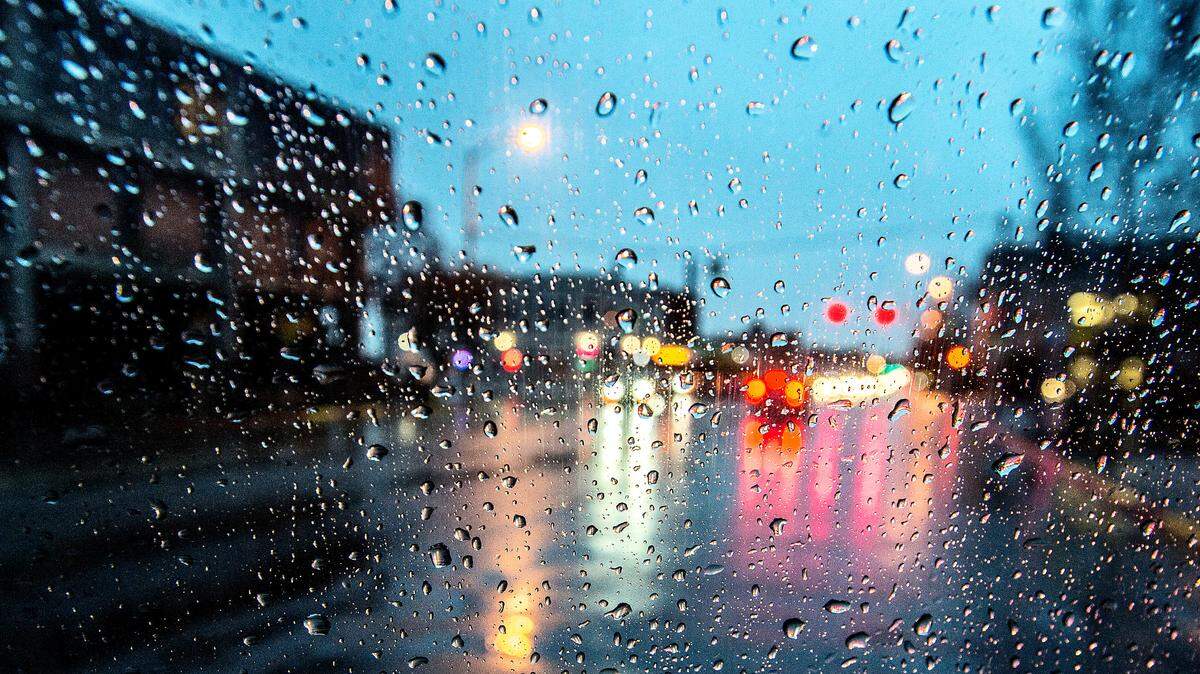
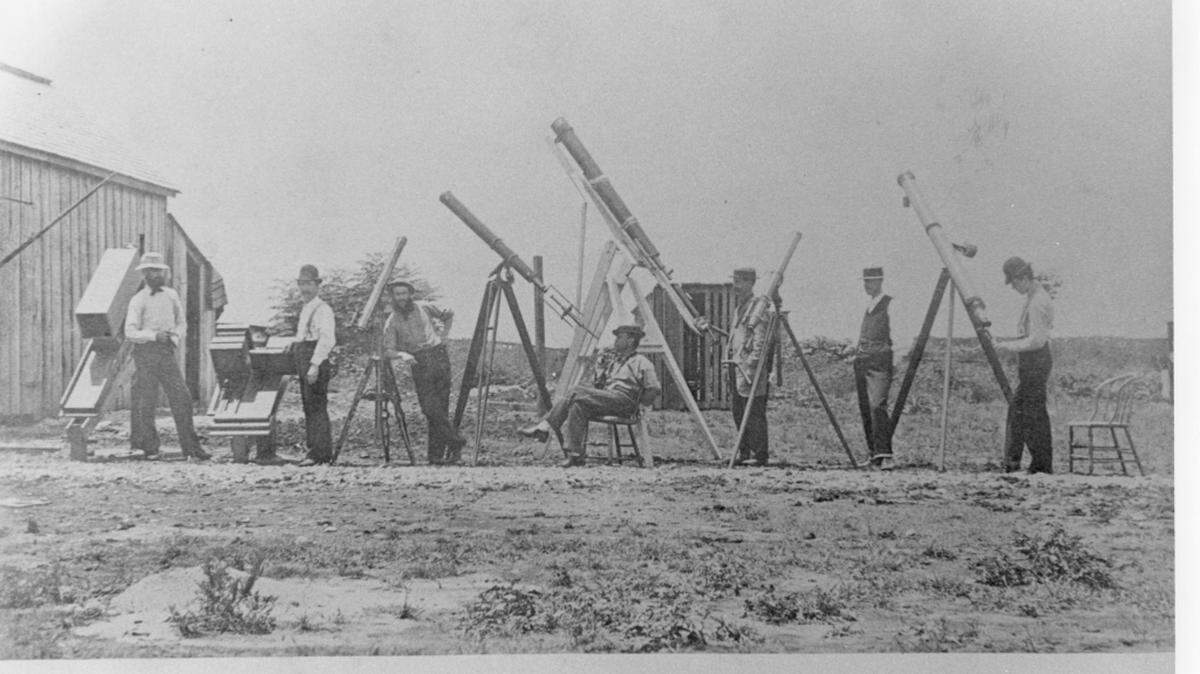
The last time North Texas had front row seats to the phenomenon was in 1878 when shouts and cheers erupted as the moon’s shadow passed over the midday sun. Two days before the eclipse, rain and clouds dampened spirits around town, many fearing they’d miss out on a rare sight.
Weather is certainly a concern this time around, since North Texas sees more severe storms this time of year. In the National Weather Service’s first weather forecast for the big day, it gives a 25% chance that clouds may overshadow the party.
So, exactly how will clouds affect viewing parties around here?
“In the last 30 seconds we have witnessed the most incredible sight — in spite of the fact that we cannot see the sun — for it has become as dark as night.” Bill Plante, reporting from Halifax, Nova Scotia, told his CBS viewers during a special report on the 1970 total solar eclipse. “The light has fallen so quickly, from an acceptable twilight or reading level or cloud-cover level, to virtual night. And just off to the north and to the east, beneath this layer of dark, dark sky, there is a lovely pink and orange horizon; an orange and gold color. We say again, it was just an incredible and fascinating phenomenon, to have the skies go so suddenly dark, in less than 30 seconds, and now we have this totality of an eclipse.”
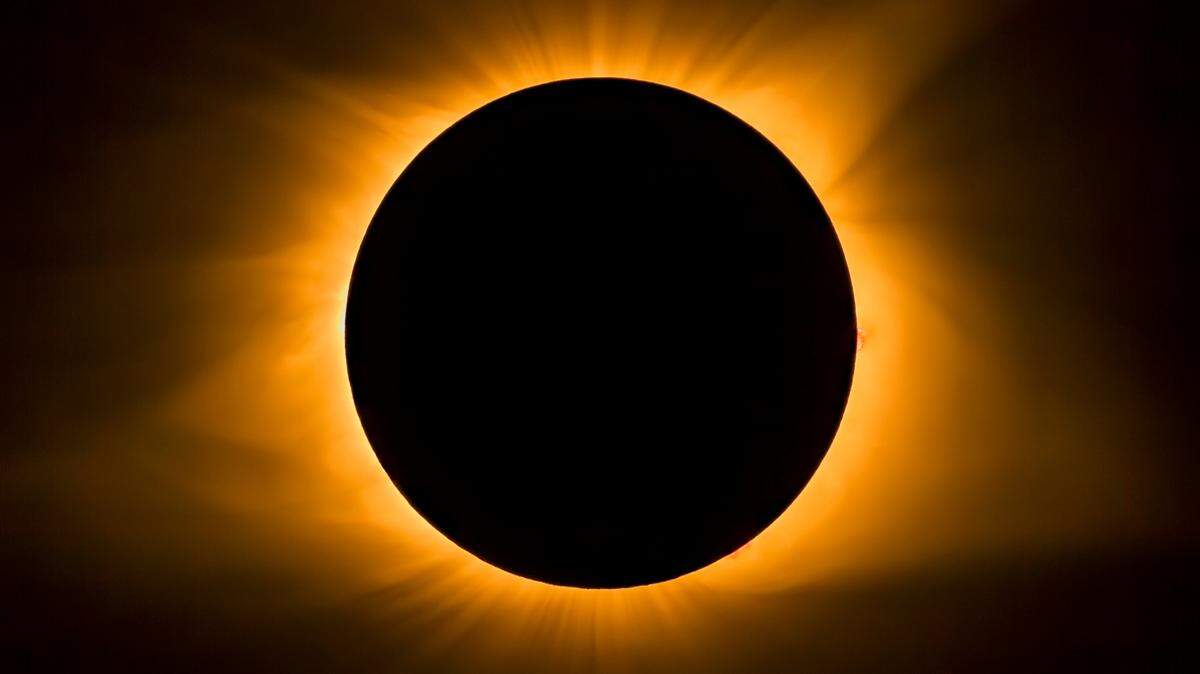
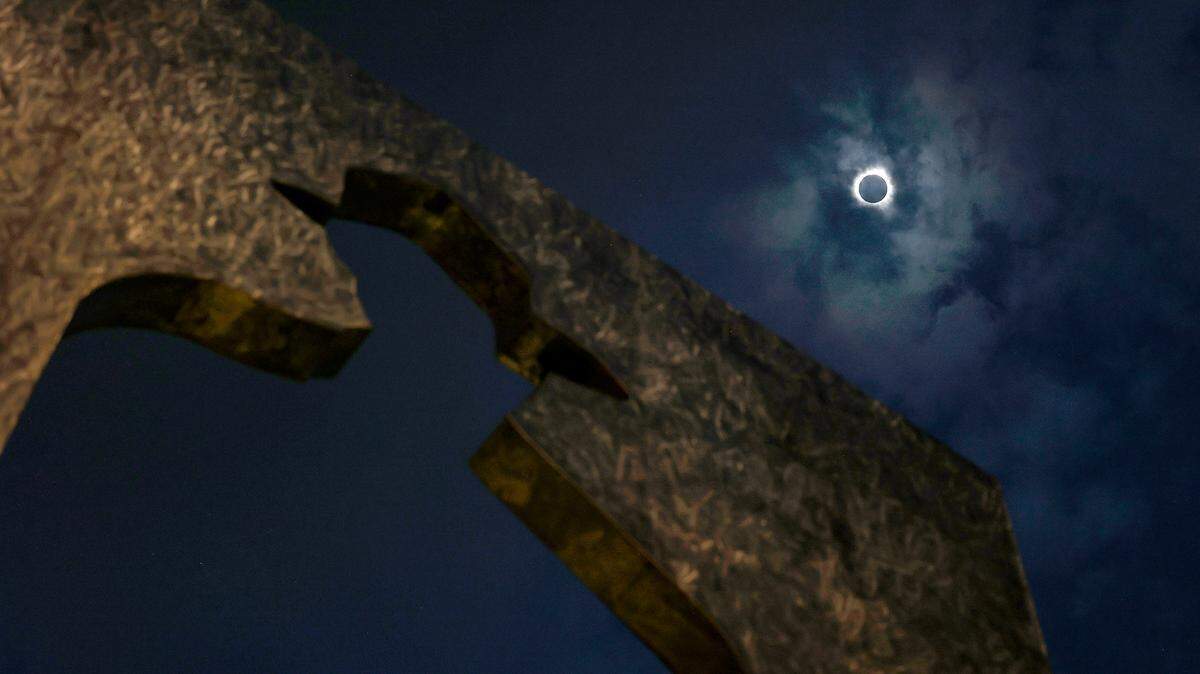
In less than a week, Fort Worth will once again be blanketed in darkness — for exactly 2 minutes and 24 seconds — as it sits inside the path of totality for the total solar eclipse. Many Texas towns on the enviable spine of totality have parlayed their good fortune as willing hosts to this astronomical soiree.

But seriously, what happens if the sun is shrouded by clouds?
Joe Rao — space.com skywatching columnist, veteran meteorologist and eclipse chaser — had this to say about his experience on Oct. 12, 1977, while in South America for an eclipse: “When totality arrived, virtually the entire sky was clear and the seeing and transparency were close to excellent. We were able to easily see seven stars and were awed at third contact by the passage of the moon’s umbral shadow cone retreating rapidly to the east. And in the east, part of a rainbow changed to all red just as totality began.
“There was only one thing wrong: The sun was behind a cloud! It began encroaching upon the sun a few minutes before totality and left just a minute or two after the sun began to reappear. As if to rub salt into the wound, not another cloud interfered, even as the partially eclipsed sun set behind the Andes!”
But the experience is not completely ruined, but an open mind is needed.
The cloud cover may actually provide a “projection screen of sorts,” Rao writes, citing Isabel Martin Lewis’ description in her 1924 book, “A Handbook of Solar Eclipses,” as the moon’s shadow arrives and then retreats across the face of the sun.
An advantage for sure.
“At the time of eclipse when the shadow of the moon sweeps over us we are brought into direct contact with a tangible presence from space beyond and we feel the immensity of forces over which we have no control,” Lewis wrote. “The effect is awe-inspiring in the extreme. In fact, the passing of the moon’s shadow, if one is fortunate to observe it, will be one of the most impressive features of the eclipse.”
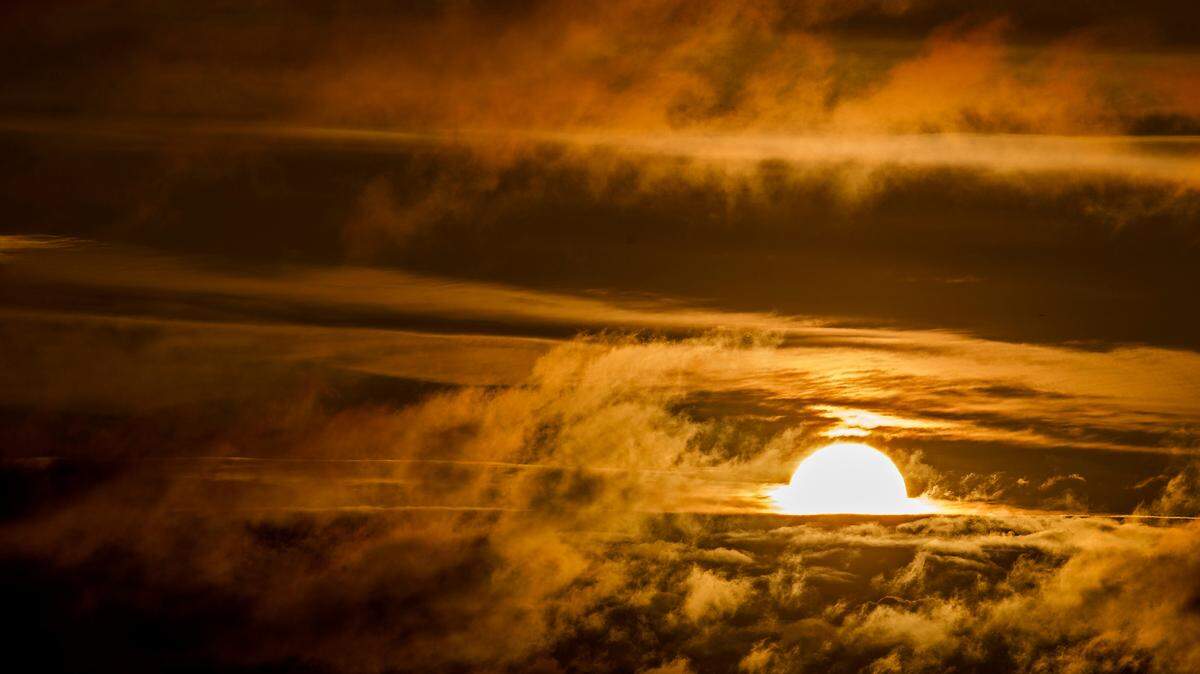
With mid- to high-level cloud cover, Rao explained that it may actually show a distinct contrast of the moon’s shadow crawling across the sun.
“Along with the sudden darkness came a change in the clouds’ color,” Rao wrote. “Indeed, along the very edge of the disappearing sun at the start and end of totality, an arc of ruby red or fuchsia associated with the solar chromosphere appeared. It looked bright red because the hydrogen in the sun was emitting a reddish light at high temperatures, and some of this light may become evident in the clouds at the beginning and end of totality.”
Will low, thick clouds ruin my experience?
Again, a little creative optimism is needed.
While aboard an icebreaker off the coast of Antartica in 2021, here is how Rao described what it was like to experience an eclipse when a layer of low clouds obscured everything: “Rather, just an amorphous darkening of the sky — like someone turning down a rheostat or dimmer switch. No colors were seen and the end of totality seemed more pronounced as the light seemed to come back quicker than it when it faded away.”
No matter what happens, it will be an experience. There’s the silver lining.
This story was originally published April 2, 2024 at 8:48 AM.

.jpg)