How dark will it get in Fort Worth for April 8 total solar eclipse? Here’s what NASA says
READ MORE
Texas Total Solar Eclipse 2024
Everything you need to know about the April 8 total solar eclipse.
Expand All
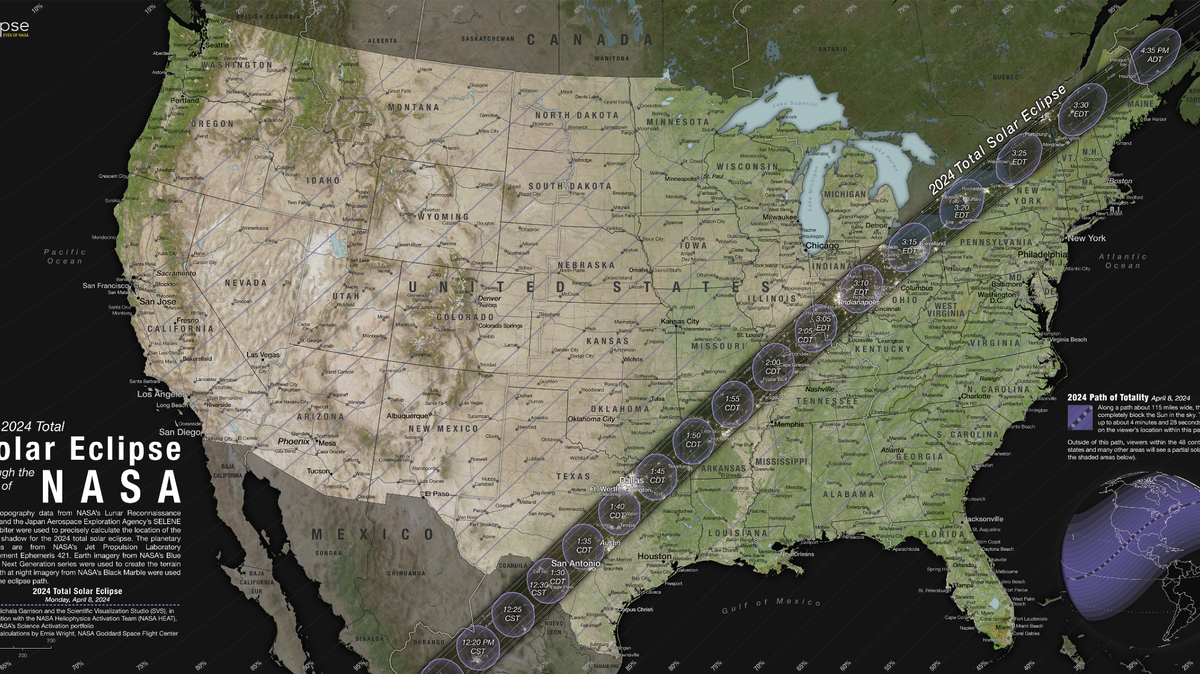
How dark will it get in Fort Worth when the April 8 total solar eclipse begins?
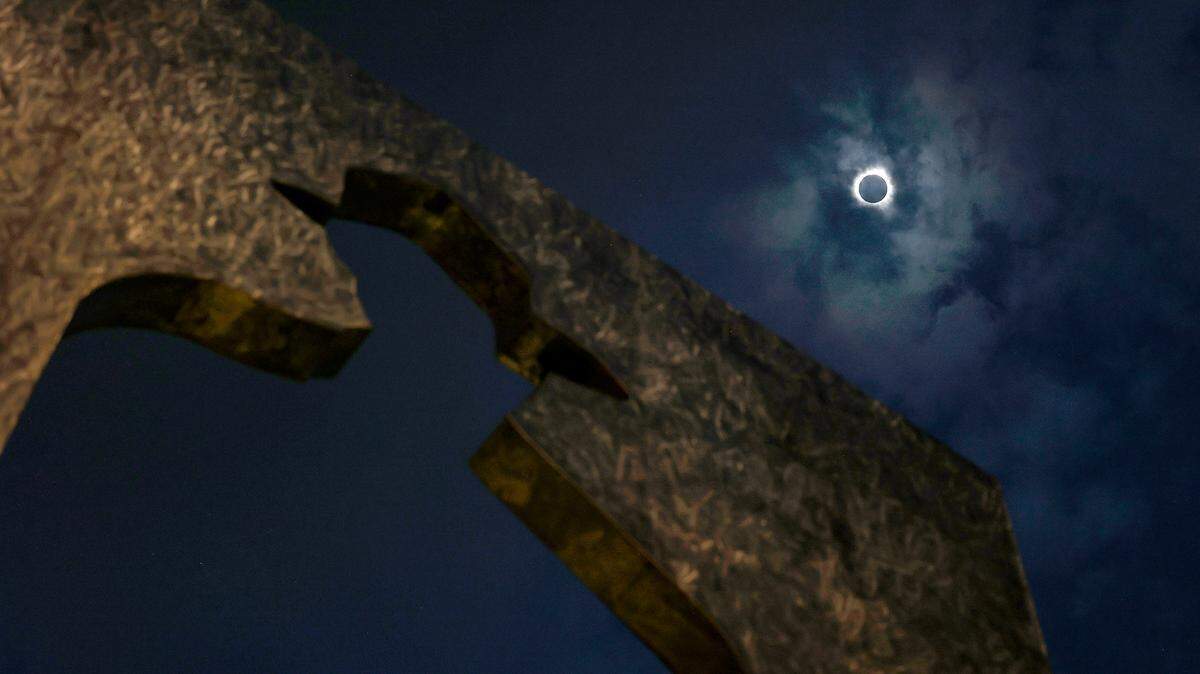
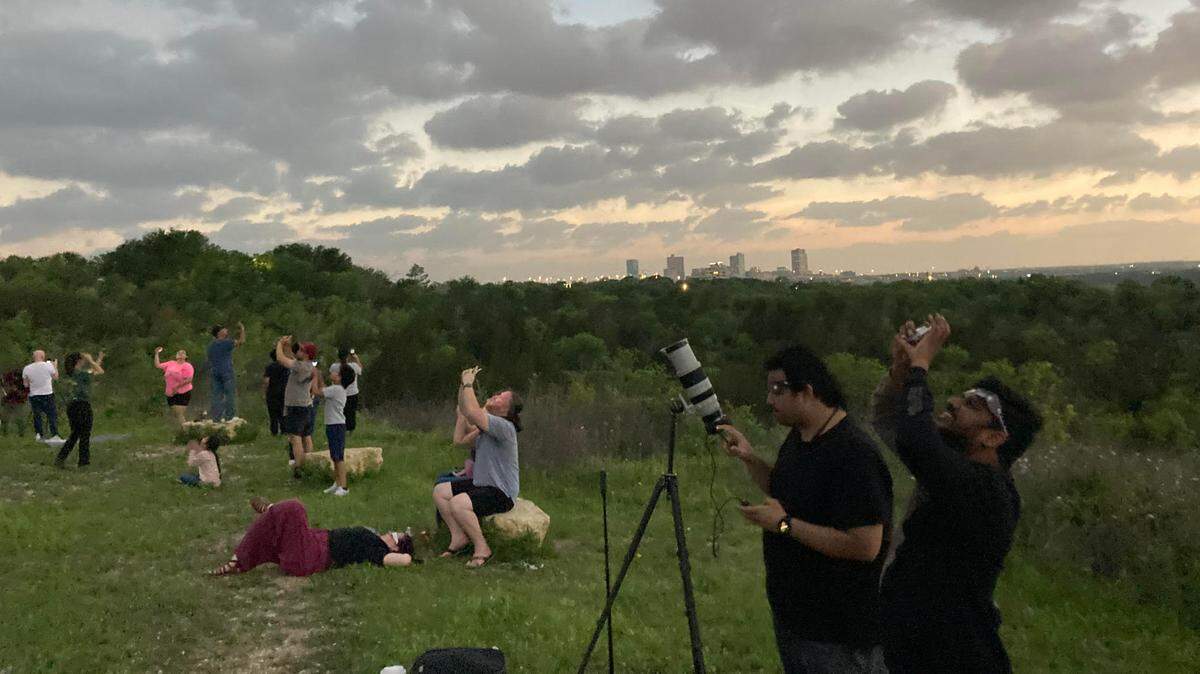
Astronomers say it will be like civil twilight — when the darkness of dawn meets the first muted light of day. You won’t miss it. It will last for 2 minutes and 33 seconds starting at 1:40 p.m.
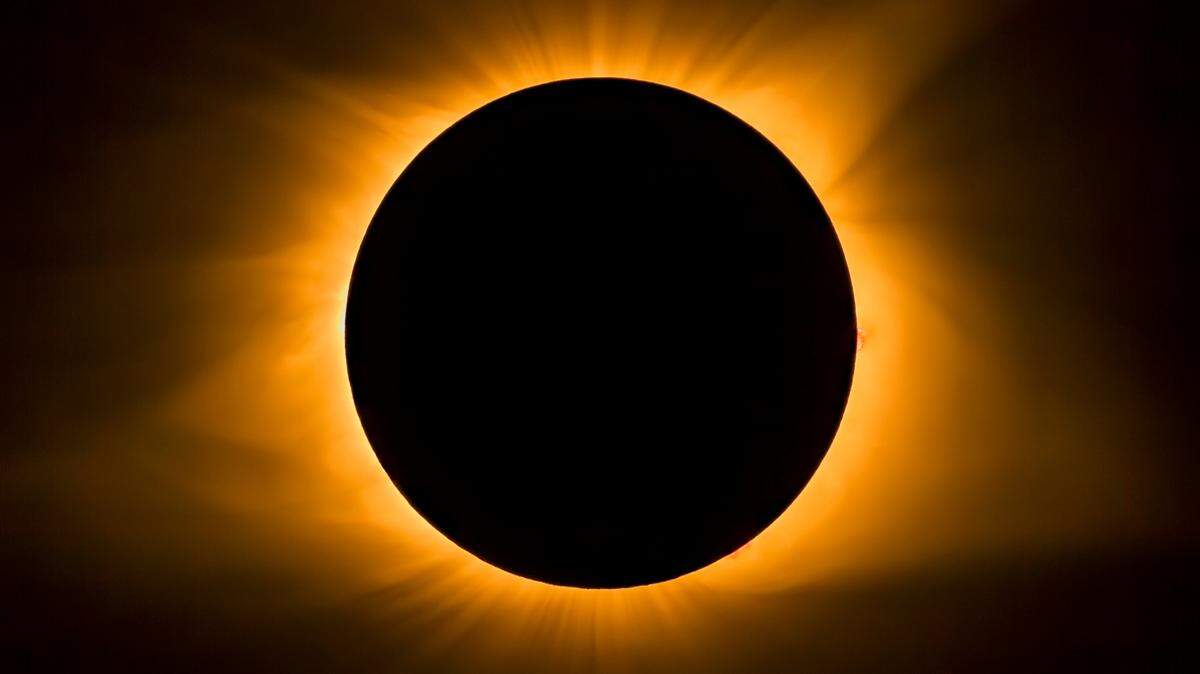
Well, during a total solar eclipse, the moon passes across the sun, lining up perfectly to cover everything but the sun’s outer rim, the corona.
“People located near the center of the Moon’s shadow when it hits Earth will experience a total eclipse. The sky will become very dark, as if it were dawn or dusk,” according to NASA.
Weather is certainly a consideration when predicting the quality of the viewing for the solar eclipse. North Texas sees more severe storms this time of year. In the National Weather Service’s first weather forecast for the big day, it gives a 25% chance that clouds may dampen the party.
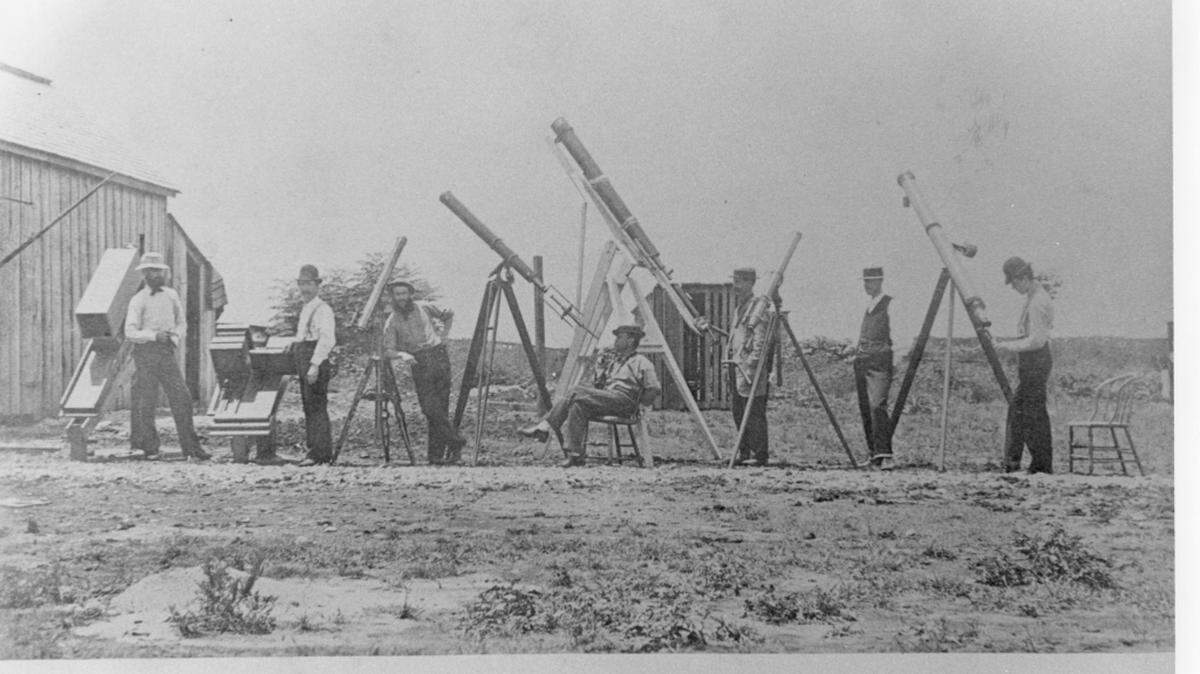
Showers two days before the 1878 total solar eclipse caused “some anxiety” as to what the weather would do on the big day when Fort Worth would be shrouded in darkness for 2 minutes and 42 seconds, according to dispatches from the Fort Worth Star-Telegram that appeared in the Galveston Daily News.

What are Bailey’s Beads in total solar eclipse?
The sparks of light around the edges of the moon’s shadow are called Baily’s Beads.
“The Baily’s Beads effect is seen as the Moon makes its final move over the Sun during the total solar eclipse” according to the NASA website. “This effect occurs when gaps in the Moon’s rugged terrain allows sunlight to pass through in some places just before the total phase of the eclipse.”
What is twilight?
Dusk and dawn are the times relative to the sun’s daytime rotation. Dawn is right before the sun rises and dusk is shortly after the sun sets. They are both classified as times when the sun is six degrees below the horizon, differing only on the time of day.
“Twilight is the time between day and night when there is light outside, but the Sun is below the horizon.” according to dateandtime.com.
Civil Twilight is after dawn and before dusk, classified as the time where the sun is five degrees or less below the horizon. Many astronomers say that the total eclipse resembles civil twilight.
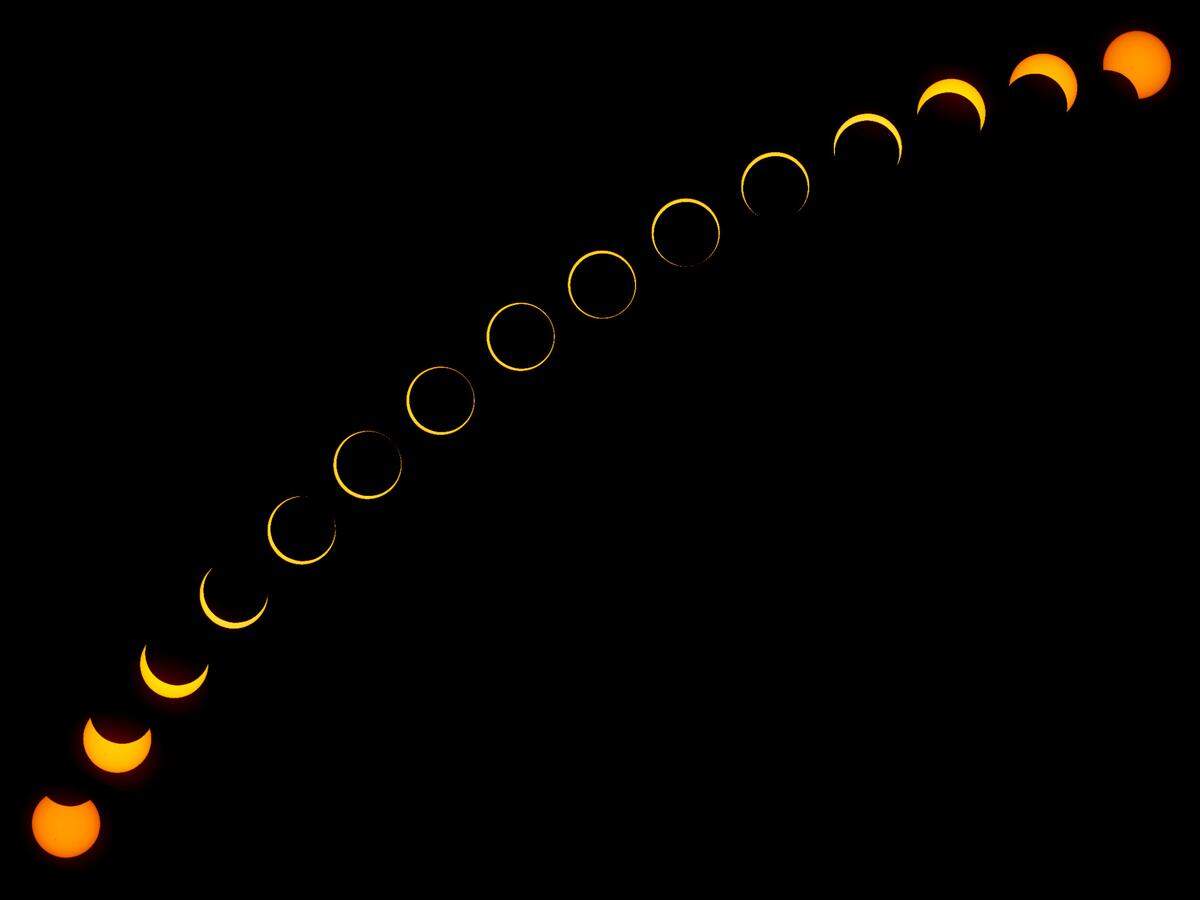
What will the sun look like during the total solar eclipse?
The first sign of a total eclipse is shadow bands, according to Nasa.
“Shadow bands are rapidly moving, long, dark bands separated by white spaces that can be seen on the sides of buildings or the ground just before and after totality.”
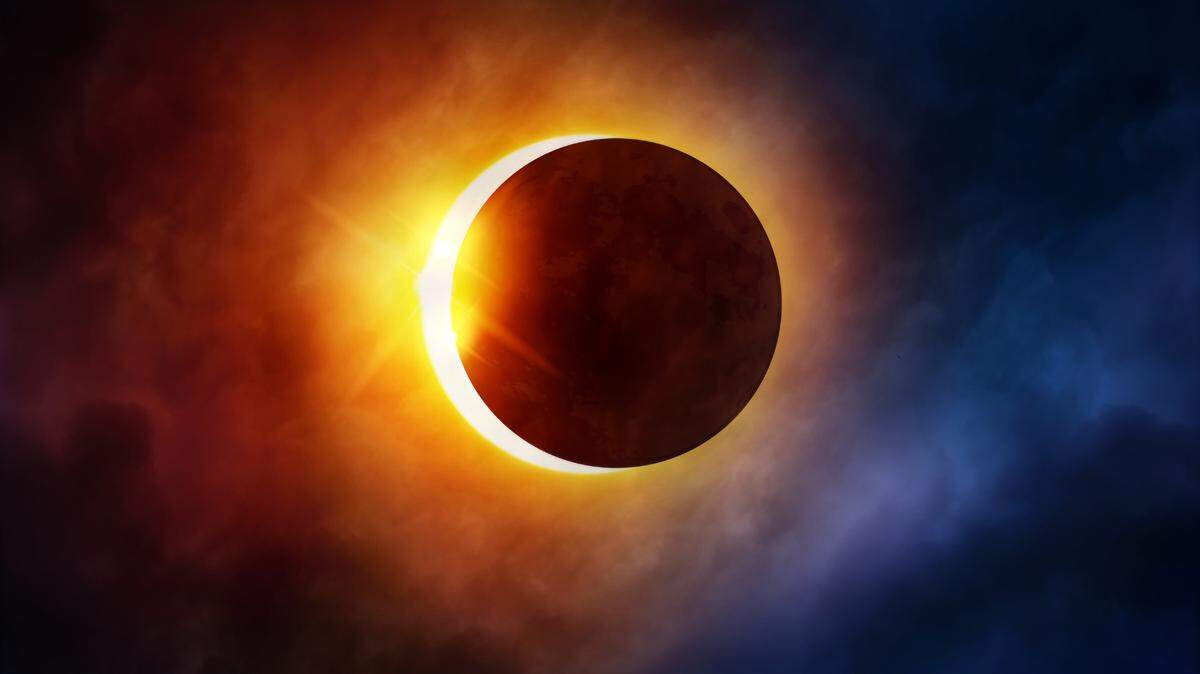
Then come Bailey’s Beads as the moon begins a slow shift to show the top part of the sun, letting out one streak of light. According to NASA, this image is nicknamed the Diamond Ring because the one giant bright spot looks like a diamond on a ring.
After the moon pops the question, totality appears. This is when the sky will appear as if in civil twilight. The corona of the sun will be the only light that shines during the total solar eclipse.
“During totality, viewers may be able to see the chromosphere (a region of the solar atmosphere, appearing as the thin circle of pink around the Moon) and the corona (the outer solar atmosphere, appearing as streams of white light).” according to NASA.
NASA suggests putting your phone down during a few moments of totality.
“You may be able to see a 360 degree sunset. You may also be able to see some particularly bright stars or planets in the darkened sky,” according the NASA website.
The final stages of the eclipse will showcase the same beginning stages. Shadow bands, baileys beads, and diamond ring will reappear in opposite order.
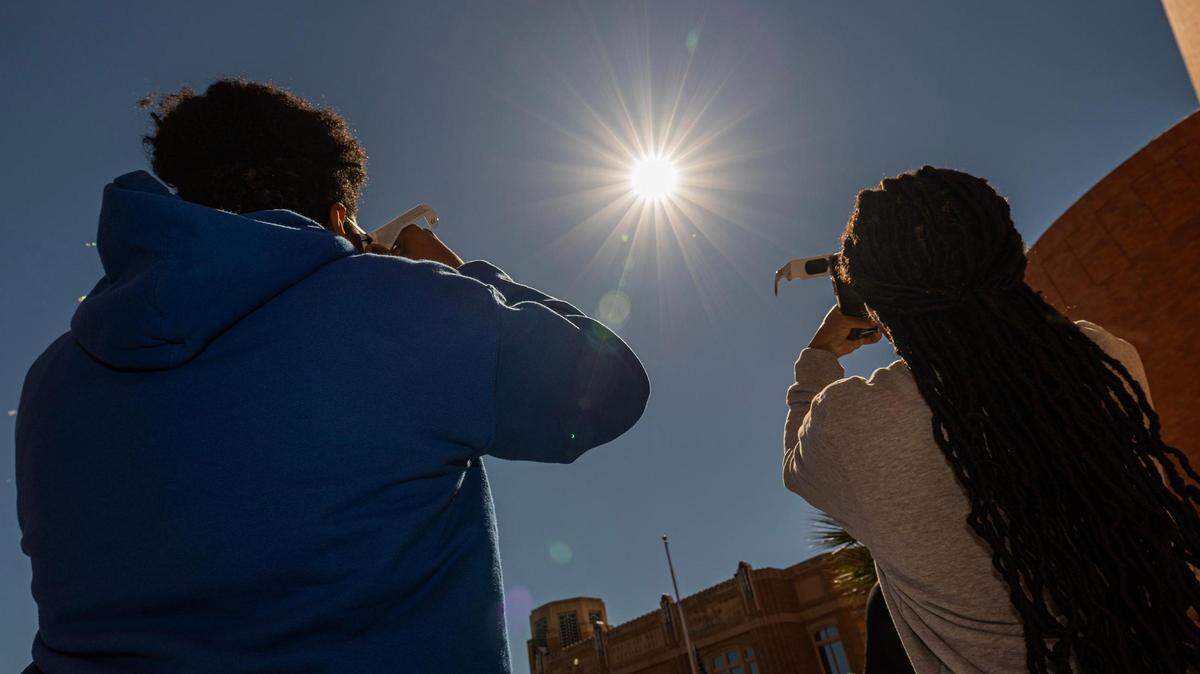
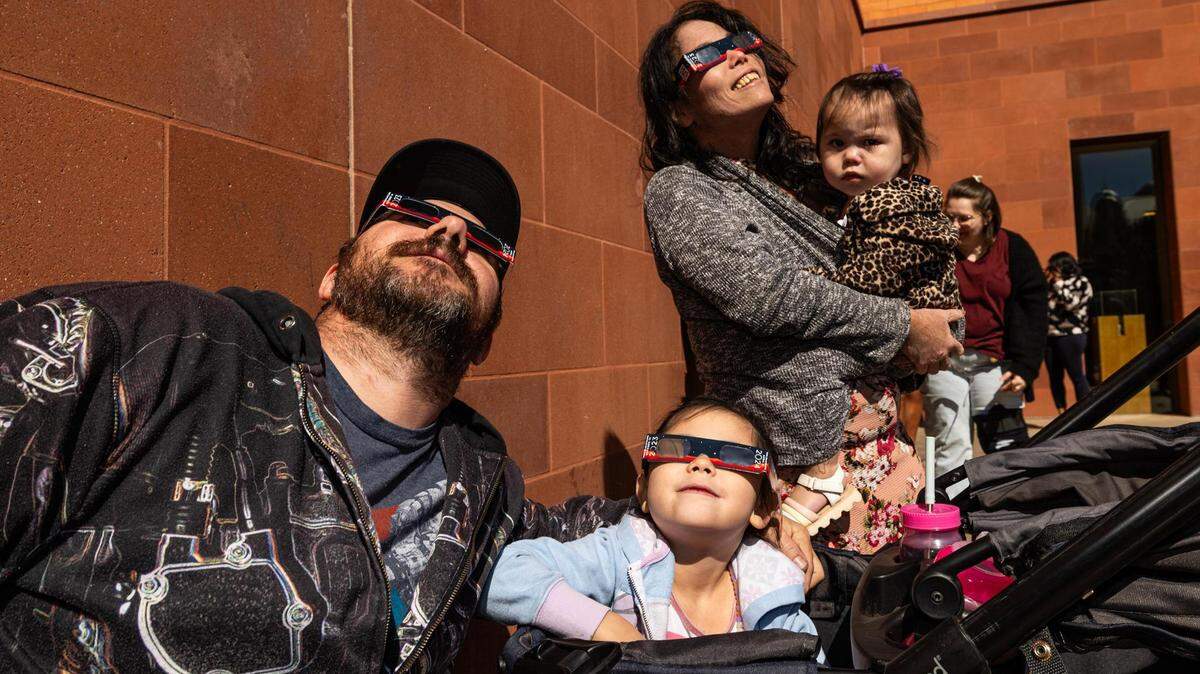
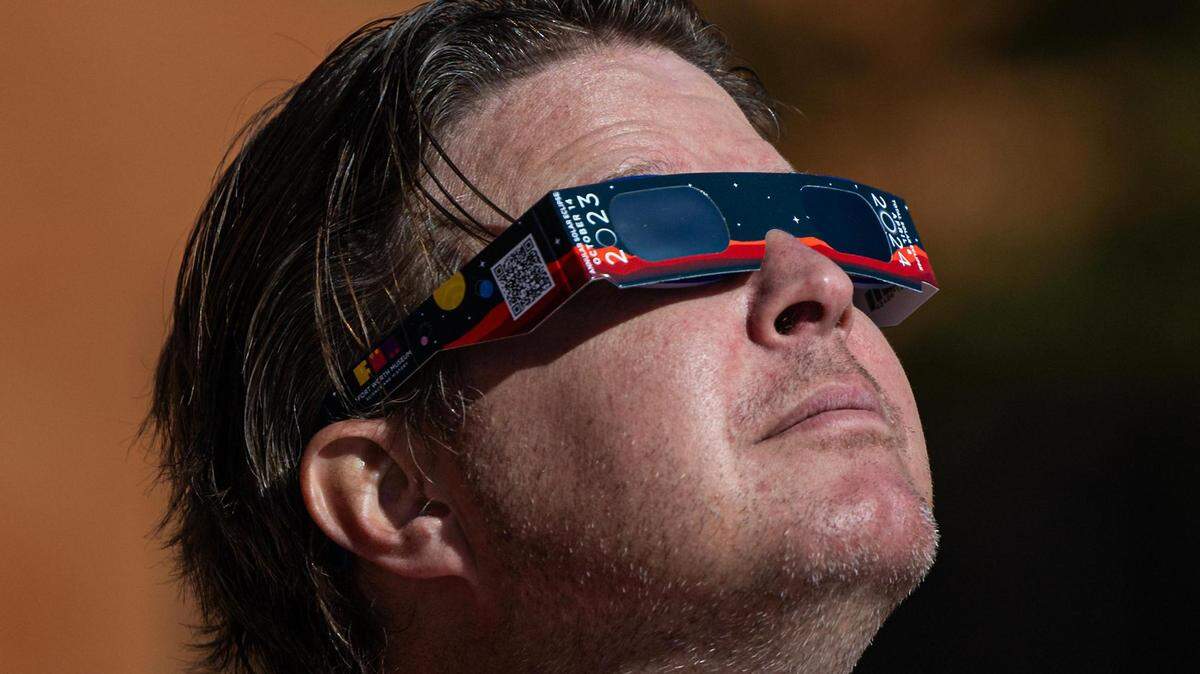
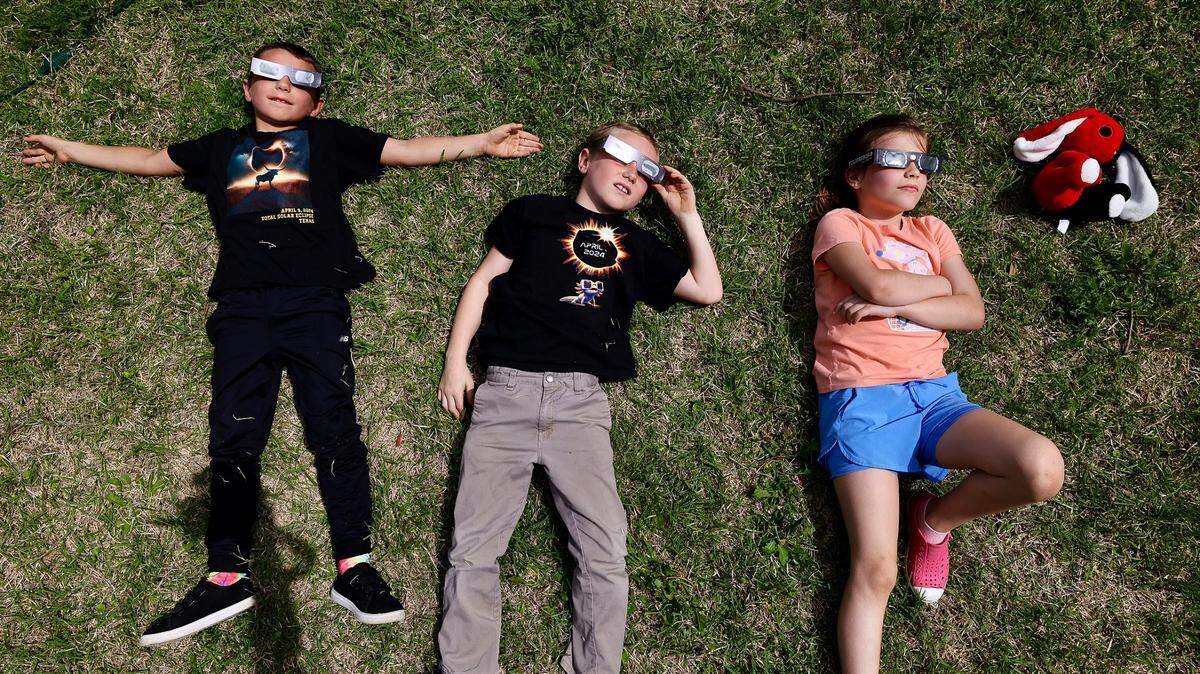
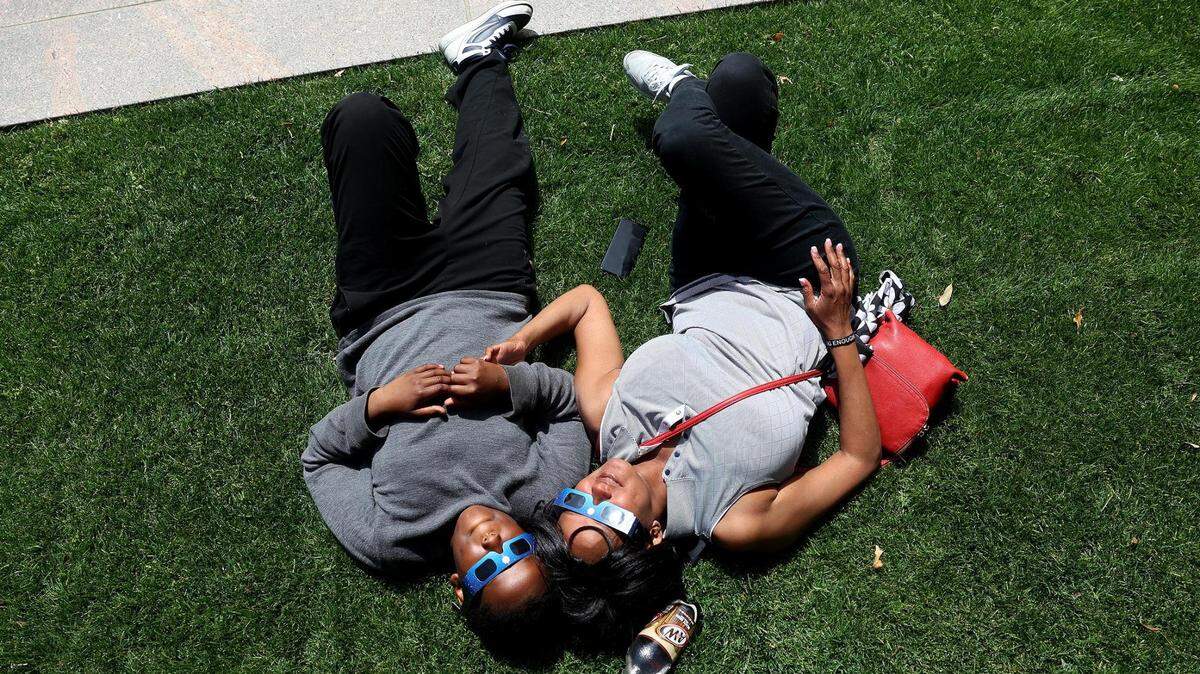
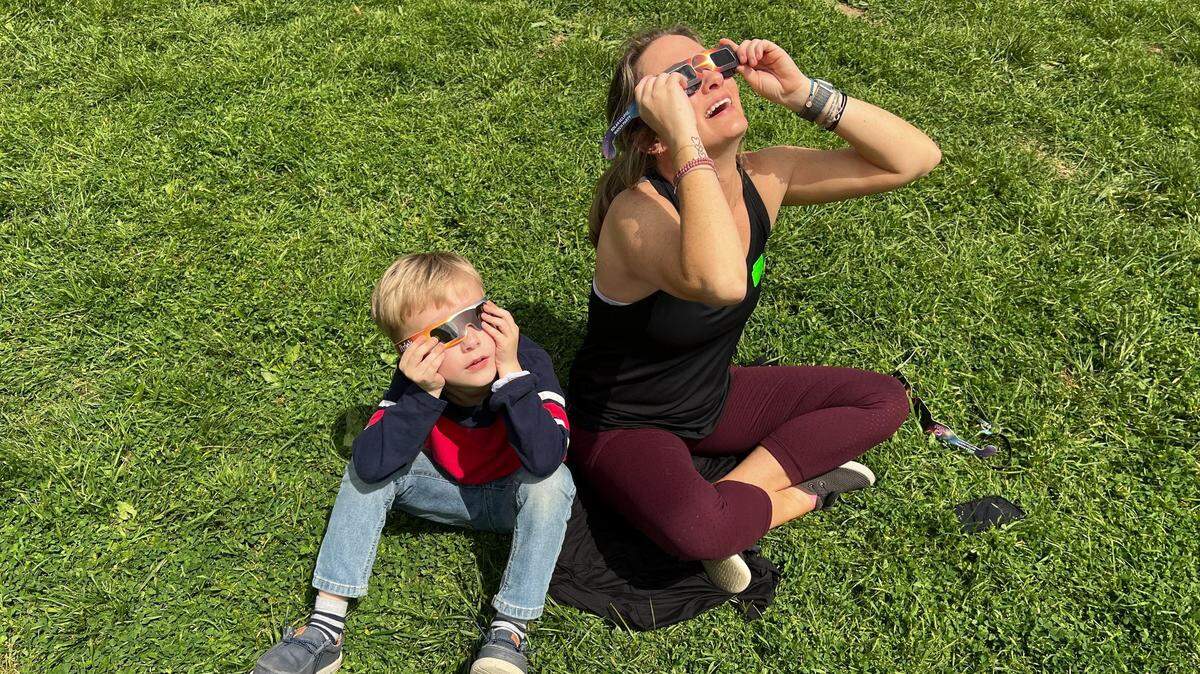
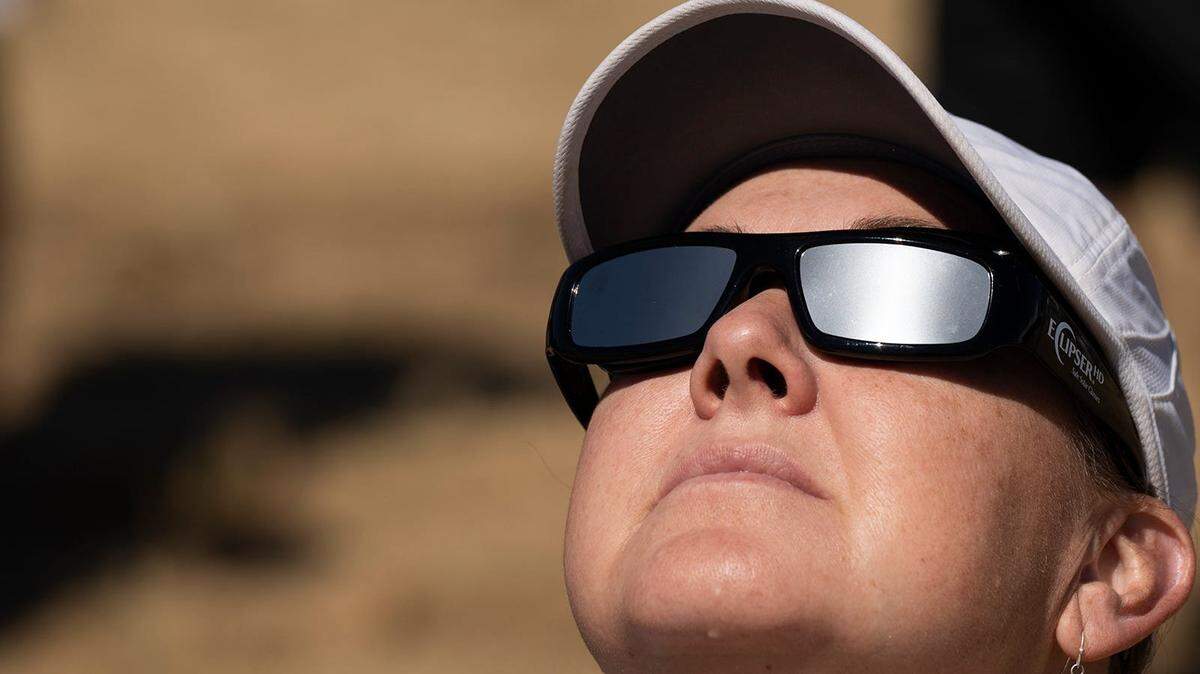
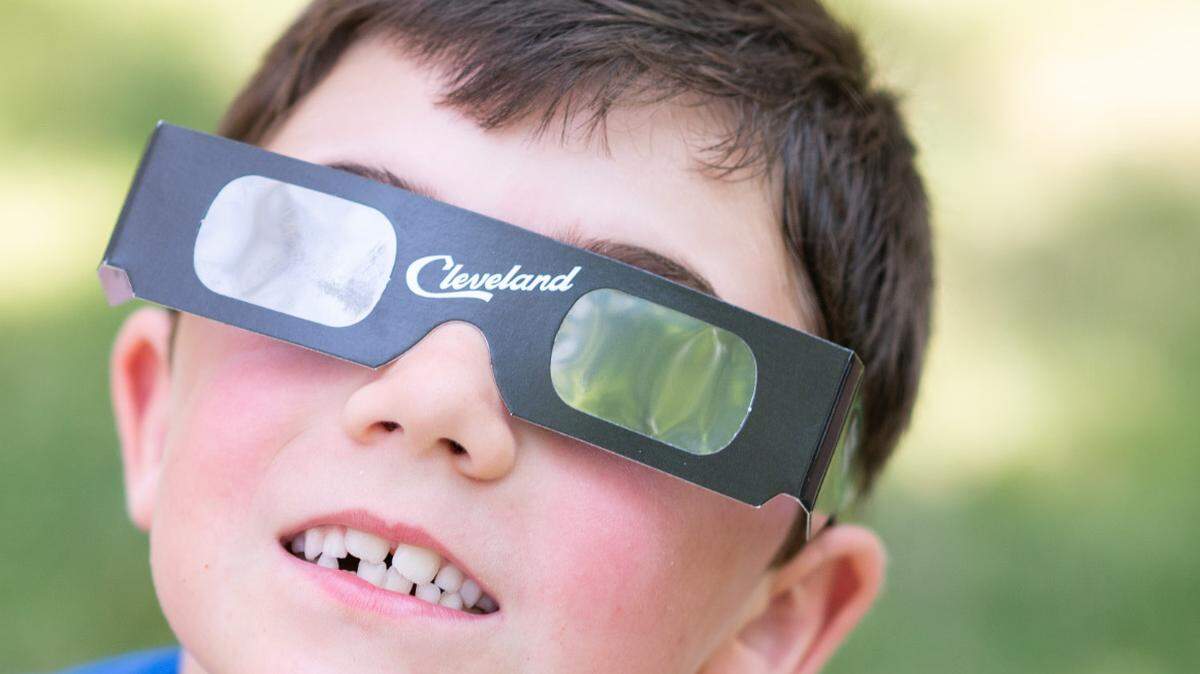
Note that anytime during viewing of the total solar eclipse, spectators should wear protective eye wear.
This story was originally published April 1, 2024 at 1:29 PM.

.jpg)