1 million and growing: How to be ready for the next million in Fort Worth | Opinion
READ MORE
Fort Worth hits 1 million
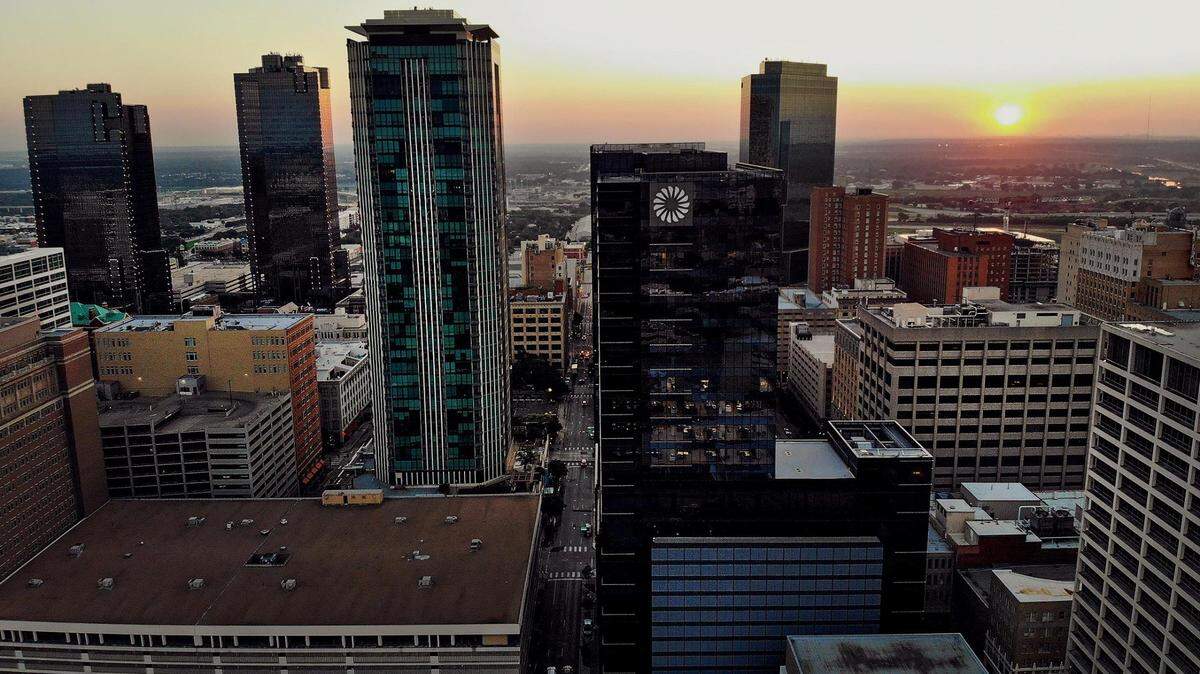
Fort Worth is now home to 1 million people, just one of 13 U.S. cities to ever cross the threshold, according to census figures released Thursday. Here’s everything you need to know about Cowtown’s new spot as the 11th largest city in the U.S.
Expand All
Fort Worth’s rise to a city where people are flocking didn’t happen quickly, easily or by accident.
News from the U.S. Census Bureau on Thursday that the city has surpassed 1 million residents is a testament to the visionaries who did decades of hard work. They planned in advance for affordable housing, annexing land with an eye to future growth. They collaborated to build a dominant regional airport and one in particular, Ross Perot Jr., created an entire boomtown with the development of Alliance Airport.
Countless others thought ahead to needs such as a business-friendly climate, ample water supply and even investment in the arts.
To accommodate the next million Fort Worthians, we’ll need similar vision and an embrace of risk. Rapid growth is straining the region and the city, but it’s not stopping anytime soon. Getting the most out of it requires a new commitment to education, public transport, business recruitment and quality-of-life concerns.
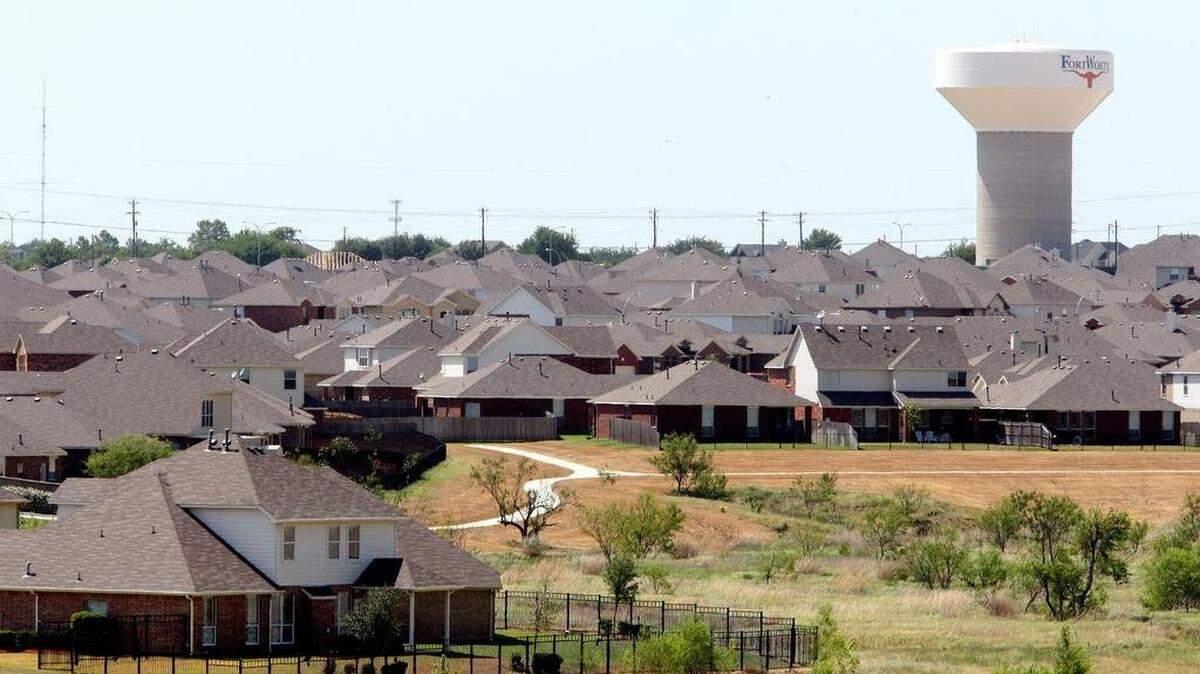
It also demands a determination to spread opportunity around more. Growth has understandably been concentrated in certain areas, including Alliance and west Fort Worth. We can’t leave the rest of the city behind.
A COMMITMENT TO BETTER SCHOOLS — IN FORT WORTH ISD AND BEYOND
Fort Worth leaders have been talking more honestly about the state of our schools for nearly a year, spurred by Mayor Mattie Parker’s demand for a renewed focus on literacy in the Fort Worth district.
Those long-languishing schools have been the focus. But student achievement is slipping in suburban districts, too. We can’t continue with the pattern where families cram their way into Northwest, Aledo, Keller or Eagle Mountain-Saginaw schools. Fort Worth ISD, Crowley, White Settlement and others around the city must step up so that more neighborhoods can benefit from growth.
A promising workforce pipeline is a must for recruiting and retaining businesses, which will be the backbone of improvements in the tax base and the city’s overall economic fortune. Every district needs to make big leaps in reading, math and science. Leaders often talk about the unfortunate nature of the city’s property tax base, where residents bear a bigger burden than commercial interests. Changing that requires creating a climate that businesses find irresistible, and no company plants its flag in a place where it will have trouble finding qualified workers.
PUBLIC TRANSIT PROJECTS THAT ENTICE RIDERSHIP
On transportation, it’s hard to see a mature city adding a huge project like a vast rail network. But we can focus on smaller improvements that still move the needle, such as getting people around the Stockyards and downtown to ease the traffic and parking issues there. Leaders should also try to identify projects that will entice workers. It’s harder in the era of remote work and a decentralized workforce, but good transit options can drive people to change their habits.
If we want people to keep coming but also want to stay, quality-of-life issues will be crucial. Across Texas, housing affordability is nearing a crisis. Some market issues are beyond the city’s capacity; state lawmakers, for instance, have to address the skyrocketing cost of insurance. But Fort Worth must encourage responsible, sustainable development that keeps pace with need.
There must also be a balance with amenities that make life here more pleasant. The city has taken steps recently to preserve greenspace. National economic uncertainty may make for budget challenges in the next year or more, but maintaining and expanding parks and recreational facilities are important to making life here satisfying for more than just economic reasons.
As luck would have it, Fort Worth can brag about the population milestone just as it welcomes visitors over the next few weeks for two signature events: the Charles Schwab Challenge at Colonial golf tournament and the Cliburn international piano competition. Fort Worth’s calling card for tourists has long been cowboys and culture. There’s no reason to let either slip. Our history provides an identity that Fort Worthians can take pride in, but having world-class art museums and performance venues ensures a diversity of attractions.
If current trends continue, Fort Worth will pass Dallas in size — perhaps sooner than most realize. We’ve long known life was better here; let’s make sure, as the city grows ever bigger, that stays true.
BEHIND THE STORY
MOREHey, who writes these editorials?
Editorials are the positions of the Editorial Board, which serves as the Fort Worth Star-Telegram’s institutional voice. The members of the board are: Cynthia M. Allen, columnist; Steve Coffman, editor and president; Bradford William Davis, columnist and editorial writer; Bud Kennedy, columnist; and Ryan J. Rusak, opinion editor. Most editorials are written by Rusak or Davis. Editorials are unsigned because they represent the board’s consensus positions, not necessarily the views of individual writers.
Read more by clicking the arrow in the upper right.
How are topics and positions chosen?
The Editorial Board meets regularly to discuss issues in the news and what points should be made in editorials. We strive to build a consensus to produce the strongest editorials possible, but when we differ, we put matters to a vote.
The board aims to be consistent with stances it has taken in the past but usually engages in a fresh discussion based on new developments and different perspectives.
We focus on local and state news, though we will also weigh in on national issues with an eye toward their impact on Texas or the Dallas-Fort Worth area.
How are these different from news articles or signed columns?
News reporters strive to keep their opinions out of what they write. They have no input on the Editorial Board’s stances. The board consults their reporting and expertise but does its own research for editorials.
Signed columns by writers such as Allen, Kennedy and Rusak contain the writer’s personal opinions.
How can I respond to an editorial, suggest a topic or ask a question?
We invite readers to write letters to be considered for publication. The preferred method is an email to letters@star-telegram.com. To suggest a topic or ask a question, please email Rusak directly at rrusak@star-telegram.com.
This story was originally published May 15, 2025 at 11:45 AM.