Alliance, 35 years later: How Ross Perot Jr.’s ‘grand vision’ changed Fort Worth forever
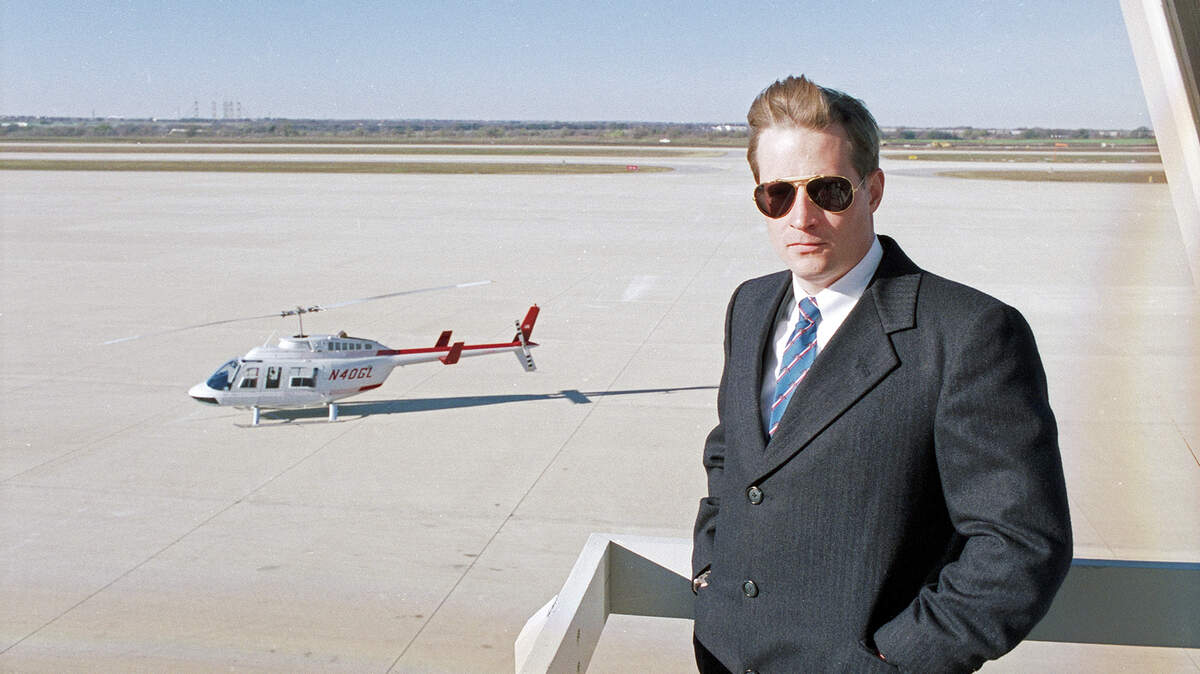
Thirty-five years after starting AllianceTexas, the 27,000-acre development that defines the far north side of Fort Worth, Ross Perot Jr. has only one regret.
“I’d buy a lot more land,” he said.
Visiting Alliance today, it’s hard to visualize what this vast corridor along Interstate 35W looked like before the landscape was filled with thousands of homes, massive industrial warehouses, sprawling corporate campuses, a bustling industrial airport and, yes, Fort Worth’s first H-E-B.
When Perot started buying up property in the 1980s, most of the land was farms, ranches or empty prairie.
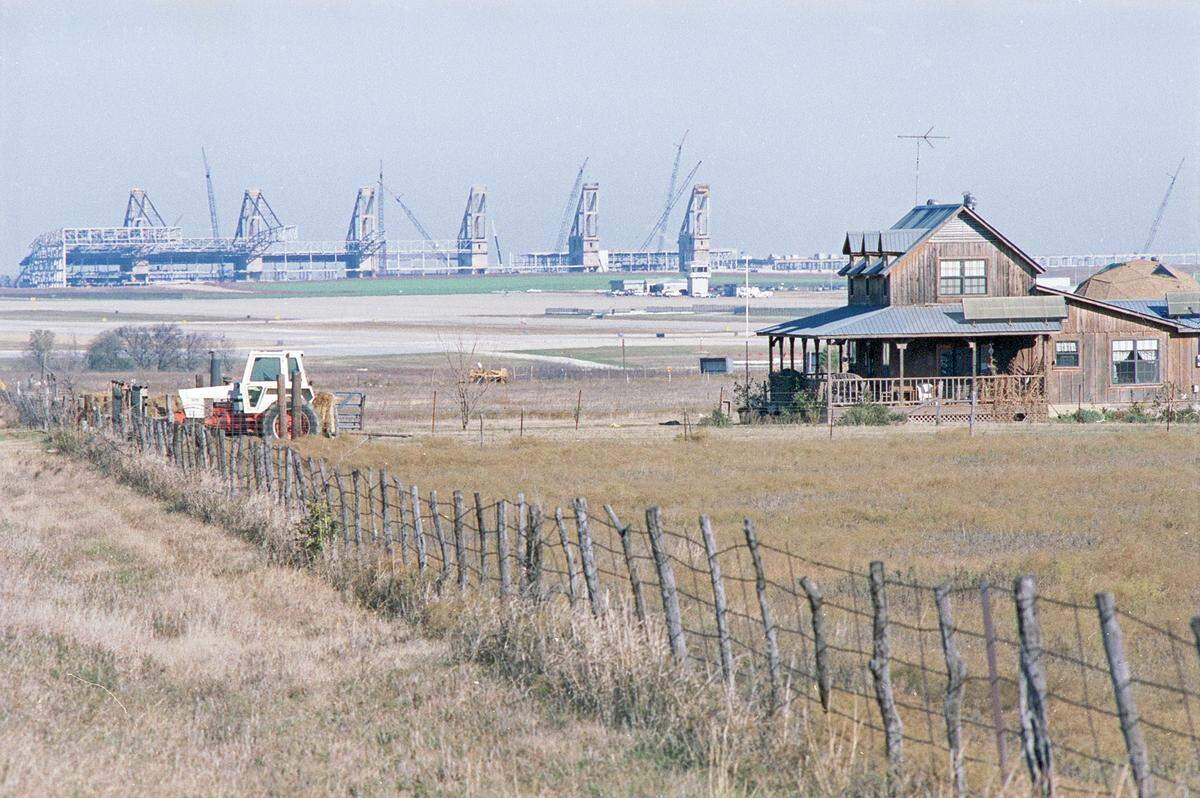
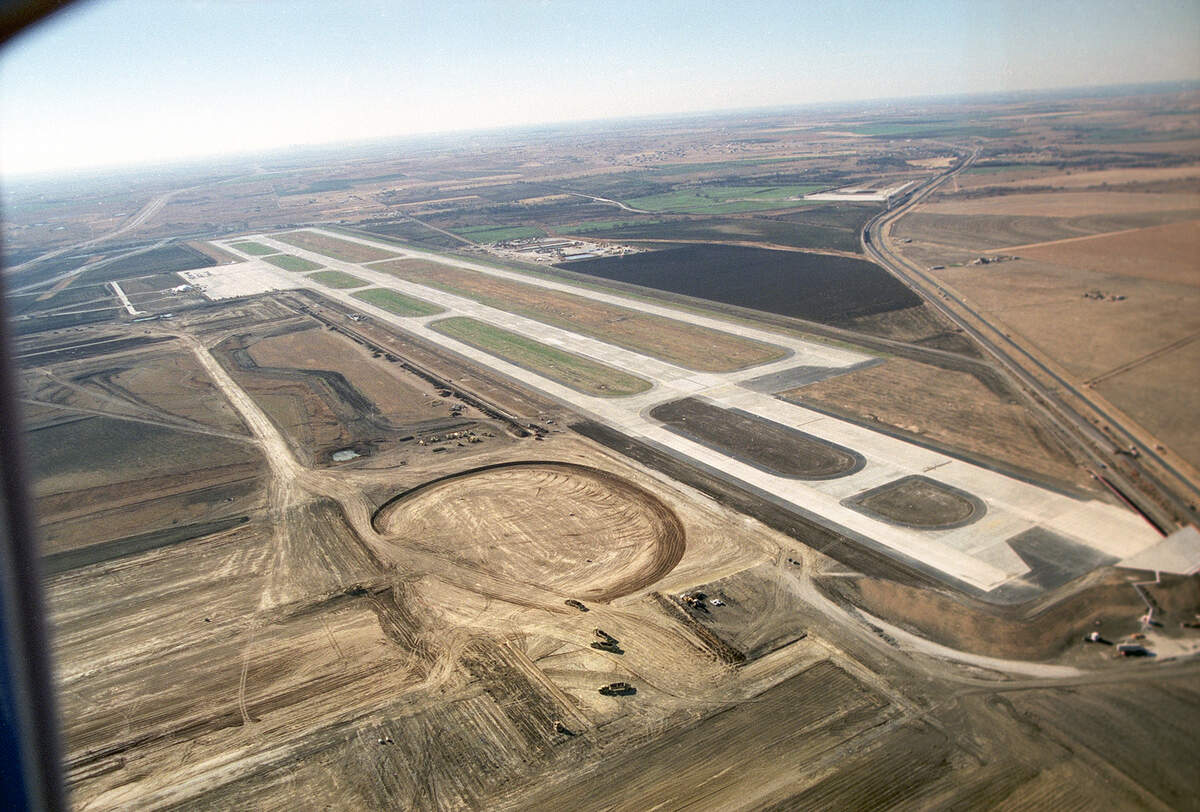
Over the years, Alliance has become a regional powerhouse for economic development, attracting hundreds of businesses. At least 575 companies operate here, many of them familiar household names like Amazon, Walmart and LG Electronics. Hillwood, the Perot-owned development company, estimates the project has had a $119.8 billion economic impact on North Texas since its inception.
But Alliance’s success wasn’t always certain.
“Fort Worth could be mortgaging its future for a lemon,” the Star-Telegram wrote in April 1989, nine months before the opening of the development’s cornerstone, Perot Field Fort Worth Alliance Airport, funded mostly by the FAA. “The federal government might have spent $31 million on one of the finest parking lots to ever grace a cow pasture.”
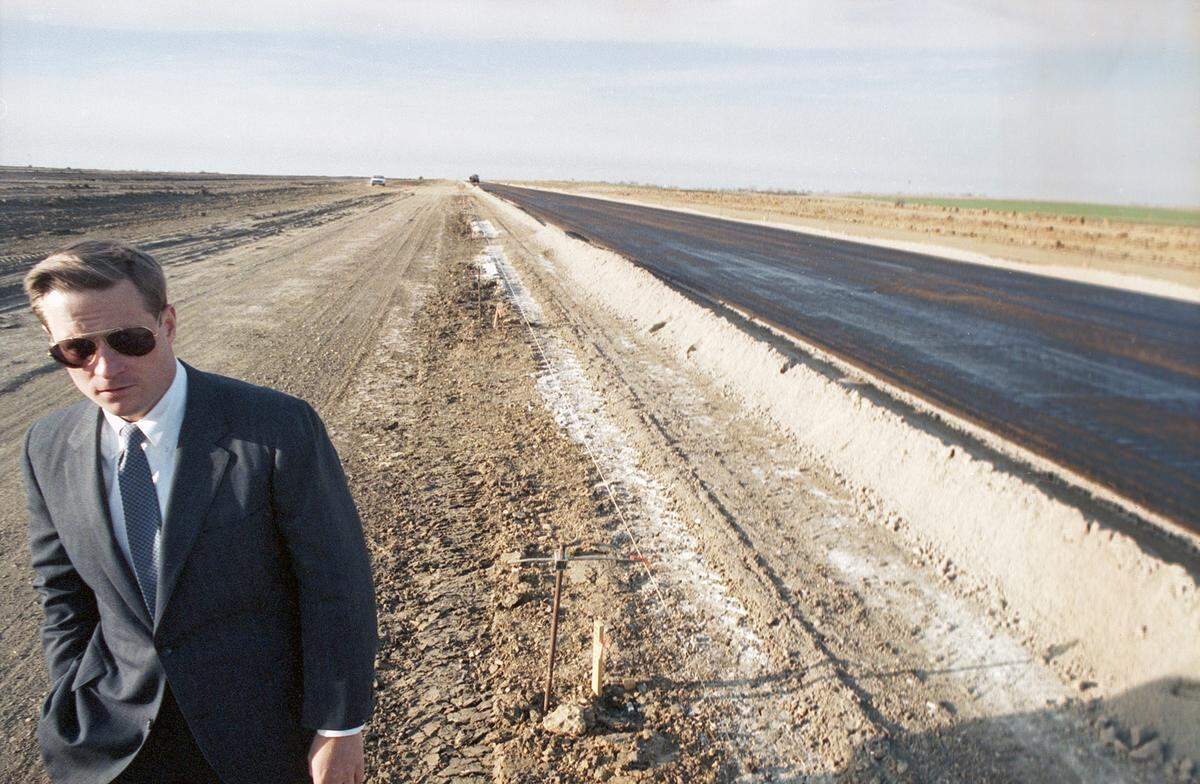
Perot was in his 20s when he began buying land for Alliance. For the son of Texas businessman and one-time presidential candidate, H. Ross Perot Sr., the development grew into a legacy-defining project. Today, Perot Jr. is the chairman of Hillwood, which develops properties across the globe. With an estimated net worth of $4.6 billion, he is the 288th richest person in the United States, according to Forbes.
Willed into existence by Perot, Alliance’s growth has been shepherded by Hillwood’s president, Mike Berry. After 35 years, it’s clear their gamble on once-rural property has paid off.
“We thought we had a lot of land when we got started,” Perot said, “but Mike and I sit around now and go, ‘Why didn’t we buy all this land next to us?’ It is so hard to do when we had thousands of acres of land and no one’s showing up, but man, I wish I’d bought more.”
Perhaps even more remarkable than Alliance’s success is that it’s nowhere close to finished — only about two-thirds of it has been developed.
‘Eagles don’t flock’
Decorated with modern, bright white paneling and dark wood, the lobby of Hillwood’s downtown Fort Worth office feels like stepping onto a perfectly staged movie set.
Four backlit photos of Alliance and other Hillwood properties adorn the left wall, each displayed like a trophy. Above a pair of matching gray chairs by the glass entry doors is a quote from Ross Perot Sr. emblazoned on the wall: “Eagles don’t flock, you have to find them one at a time.” Next to it hangs a photo of father and son.
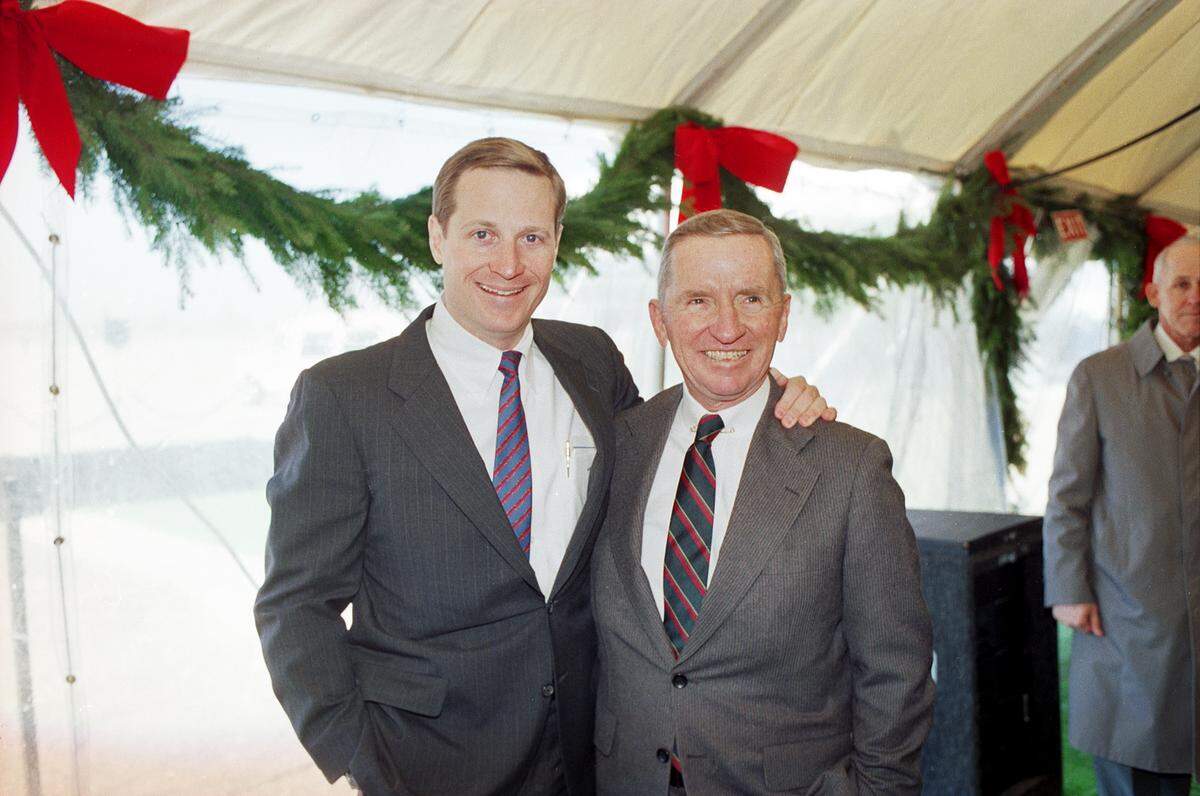
Perot bought the property that would become Alliance in 1985.
At the time, similar land around Dallas was significantly more expensive. Perot said many families that sold him their ranches were the first generation to do so, unlike in Dallas, where property had been bought and sold dozens of times.
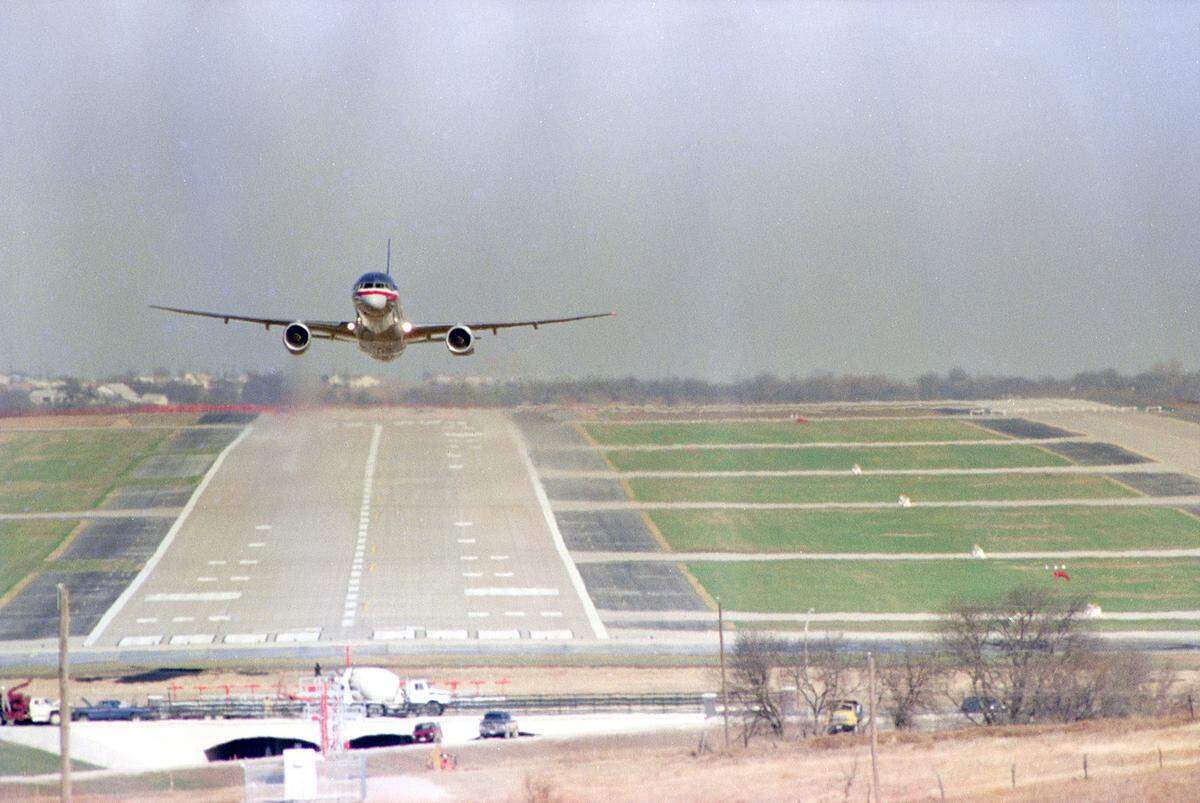
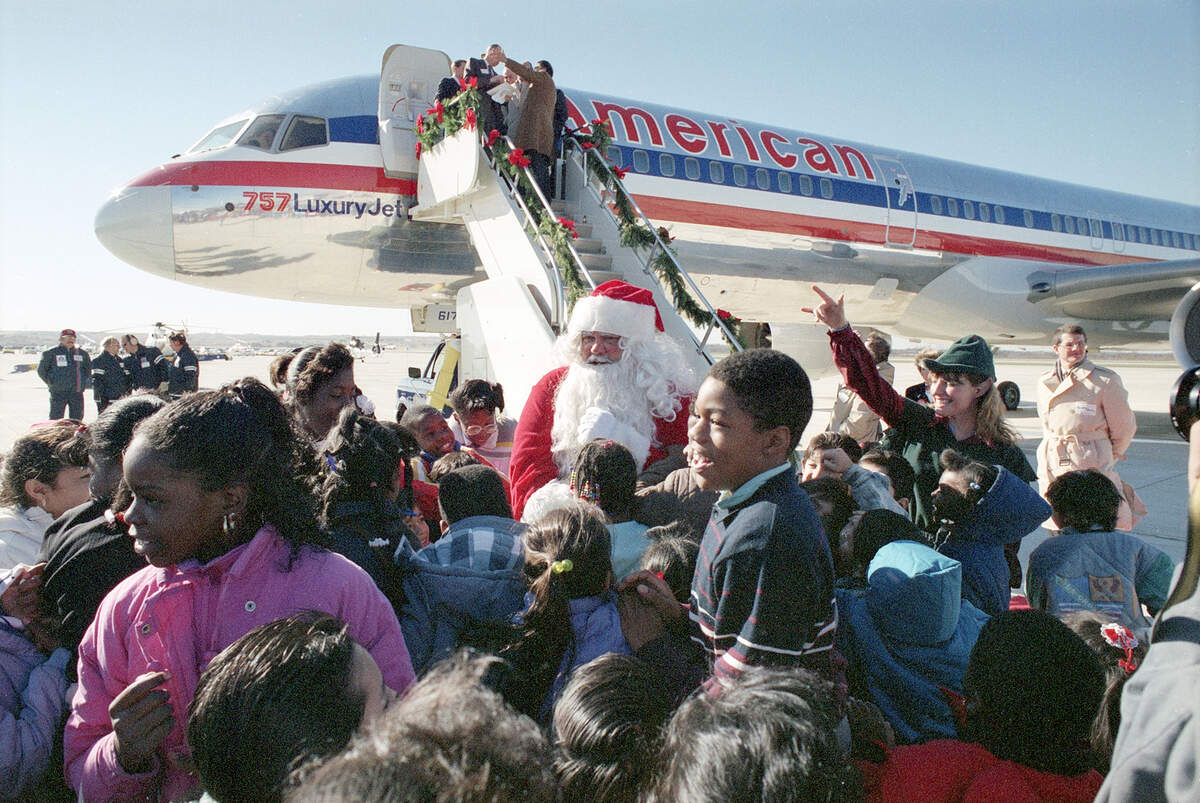
Perot Field — then called Fort Worth Alliance Airport — opened on Dec. 14, 1989, with a celebrating crowd of 300 to watch an American Airlines Boeing 757 be the first to land on the freshly paved runway. Perot, an avid aviator himself, rode in the cockpit.
%20crop.jpg "Fort_Worth_Star_Telegram_1989_12_15_1 (1) crop.jpg")
Confronted by a need for more airport capacity in the Metroplex, the Federal Aviation Administration asked Perot to donate land for an airport. He agreed, but his aviation contacts told him what the region really needed was an industrial airport, not general aviation. U.S. House Speaker Jim Wright of Fort Worth pushed federal dollars for the project through Congress.
The late 1980s were tough times in Texas, where an oil bust had devastated the economy. Perot said he couldn’t get any aviation clients.
That changed on June 7, 1989, when American Airlines Chairman Robert Crandall announced in City Hall that the carrier would invest over $400 million in a maintenance facility at the new airport, creating 4,500 jobs. It was such big news that NBC 5 preempted its morning soap opera “Generations” to broadcast the event live.
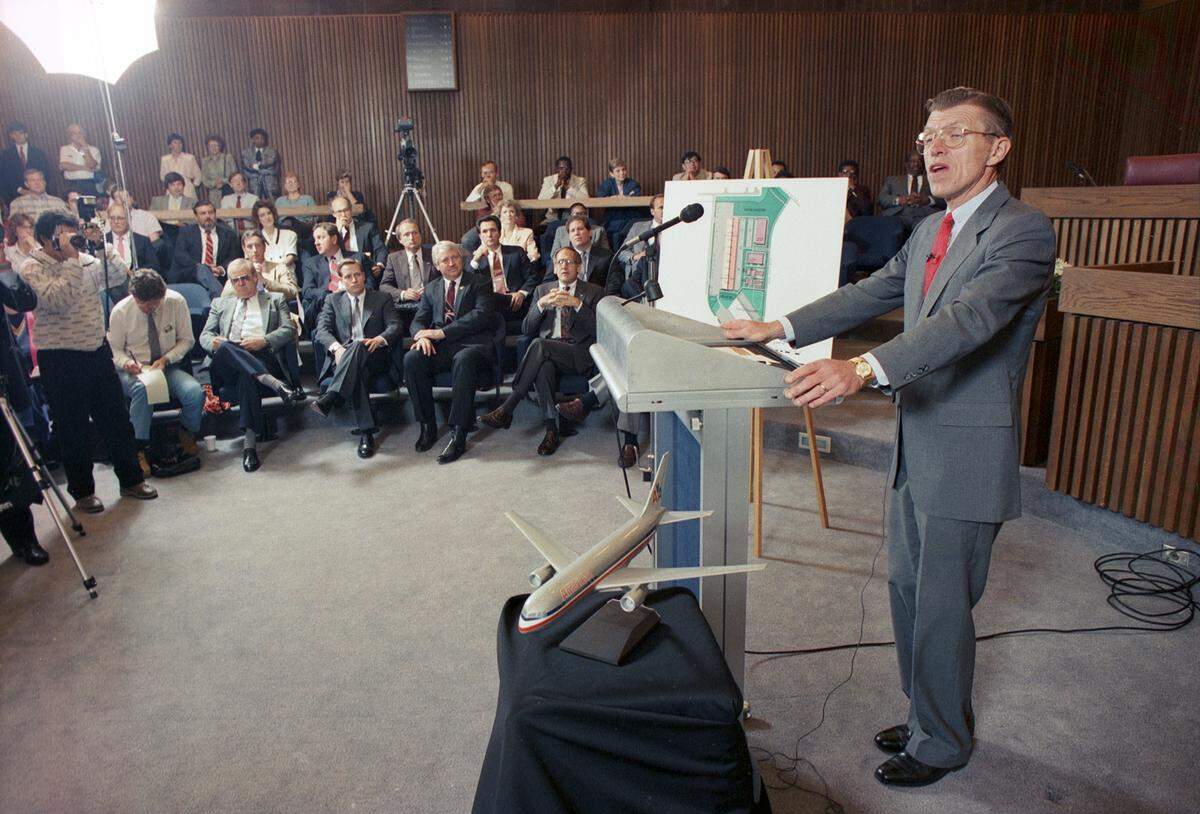
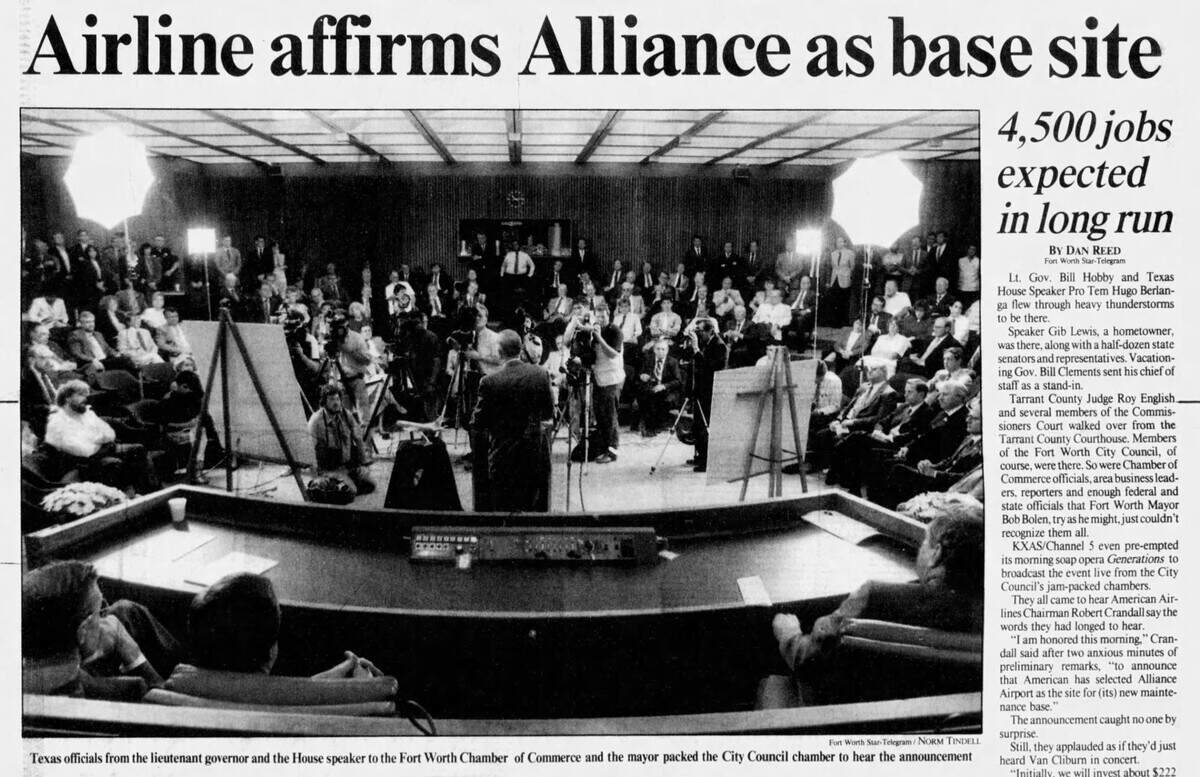
The Star-Telegram reported that Crandall’s announcement “virtually assured the success of Ross Perot Jr.’s grand vision to build the United States’ first airport dedicated to industrial use.”
At the time, Perot predicted that 20,000 to 30,000 people could be working at the airport in 20 or 30 years. It wasn’t meant to be with American; the carrier closed the maintenance center in 2012. But the overall Alliance development kickstarted by the airline has created over 66,000 direct jobs since then, according to Hillwood.
Mike Berry — Perot’s longtime partner who is now president of Hillwood — said he was brought onto the Alliance project at its start to be a dealmaker and attract companies. He said people thought Alliance was a crazy idea at first. Many didn’t understand the opportunities that access to an industrial airport would provide.
“We had to sell our ass off every day,” Berry said. “Still do, but it was different back then.”
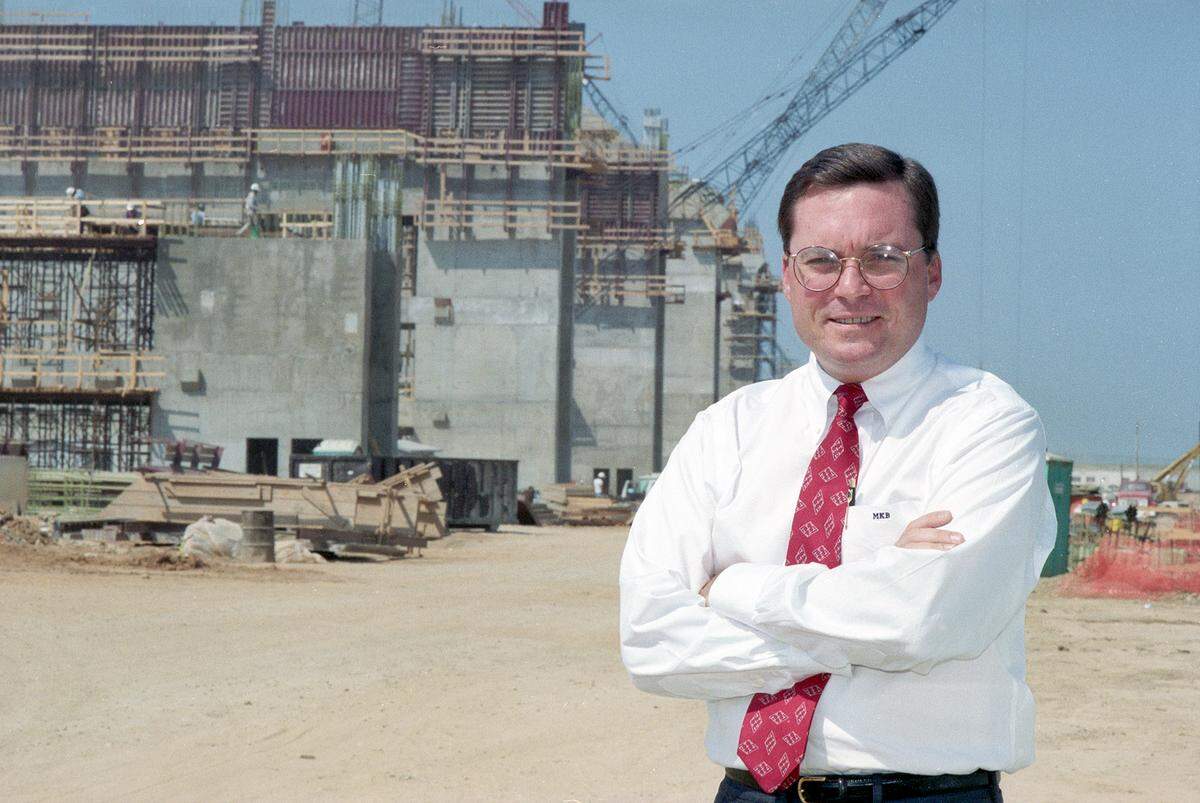
BNSF Railway opened an intermodal hub a few miles away from the airport in 1994, changing plans for Alliance. Transport became the name of the game.
“Before Santa Fe came in, we really had no idea what we could do,” Berry told the Star-Telegram in April 1996.
Perot Field and BNSF’s rail hub laid the groundwork for the development’s future role as a key mobility hub and inland port. The airport alone moved 2.5 billion pounds of cargo in 2023. The airport, railroad and access to Interstate 35 are all within a roughly two mile radius of each other.
In 1994, FedEx broke ground on a $300 million sorting hub at the airport that officials expected to employ at least 600 workers.
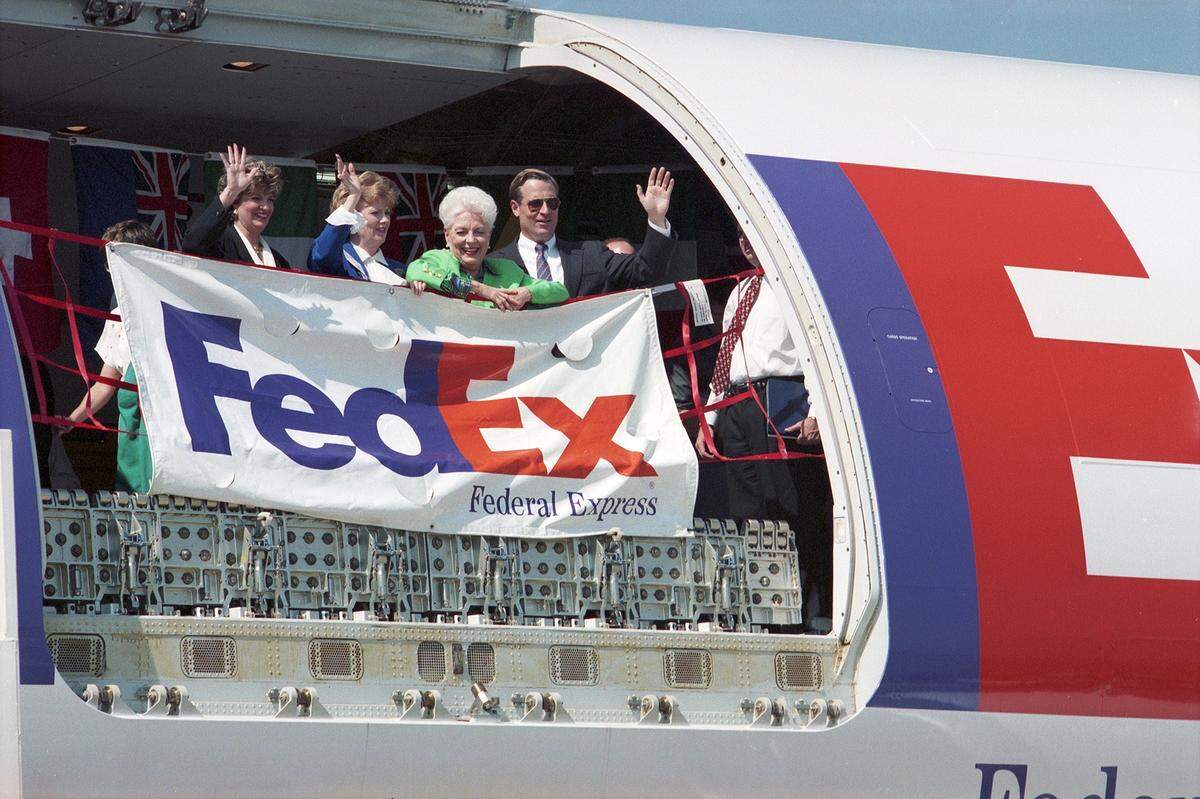
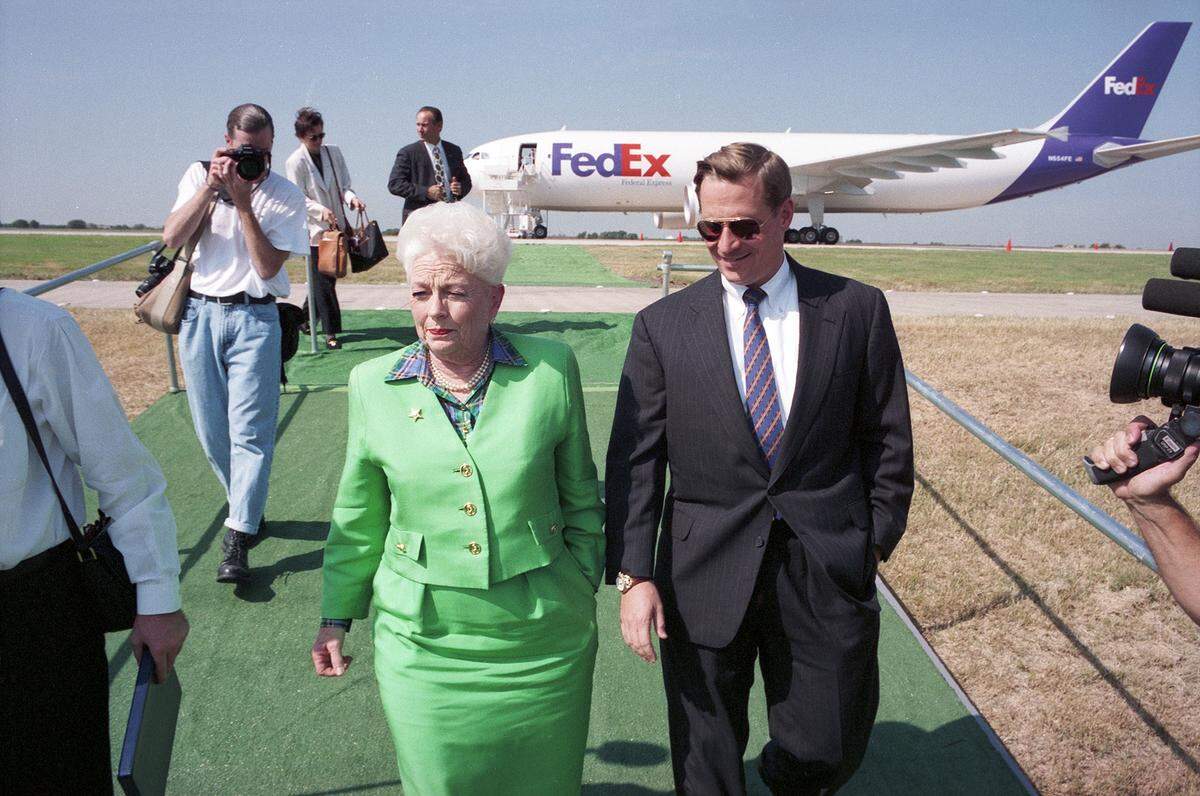
Once major brands began making deals with Hillwood for industrial space and warehouses in Alliance, development snowballed. As the number of people working in Alliance grew, Hillwood expanded into home building. Over 14,600 homes have been built in Alliance since 1990.
‘A very unique perspective’
While luck might’ve helped, Alliance’s success is no accident. Perot and Berry have aggressively pursued new deals for decades, and the Alliance team prides itself on finding creative solutions for clients’ needs.
Today, Hillwood has expanded into multi-family housing and has built retail properties, including a shopping center home to Tarrant County’s first H-E-B, to support the burgeoning population.
The company offers Alliance clients myriad services that cater to almost every need a business could have. That includes maintenance, such as landscaping and property management, and core components of new developments, like organizing public-private partnerships and building entertainment complexes. The company offers its expertise on foreign trade zones, workforce development and oil and gas.
Over the decades, Alliance has weathered just about every economic storm, from the Great Recession to the COVID-19 pandemic.
“We’ve seen over this whole time, every possible recession, real estate cycle, pandemic, great financial crash,” Berry said. “I mean, almost any movie you want to see, we’ve seen the movie, and I think that gives you a very unique perspective.”
Berry said one deal he wished had worked out was with Intel. The computer part maker explored building a manufacturing facility in Alliance in the mid-1990s, but the U.S. semiconductor market tanked, forcing it to halt plans in 1998.
“Many deals have challenges,” Berry said.
When asked about his dream deal for Alliance, Berry said he always hoped to bring a four-year university to the development. He said Hillwood explored deals, but nothing ever solidified. Tarrant County College operates a technical program at Perot Field.
“It’s like building the city. You know, we ought to have every little bit of everything, quite frankly. We’re set up for everything,” Berry said.
Clinching a deal
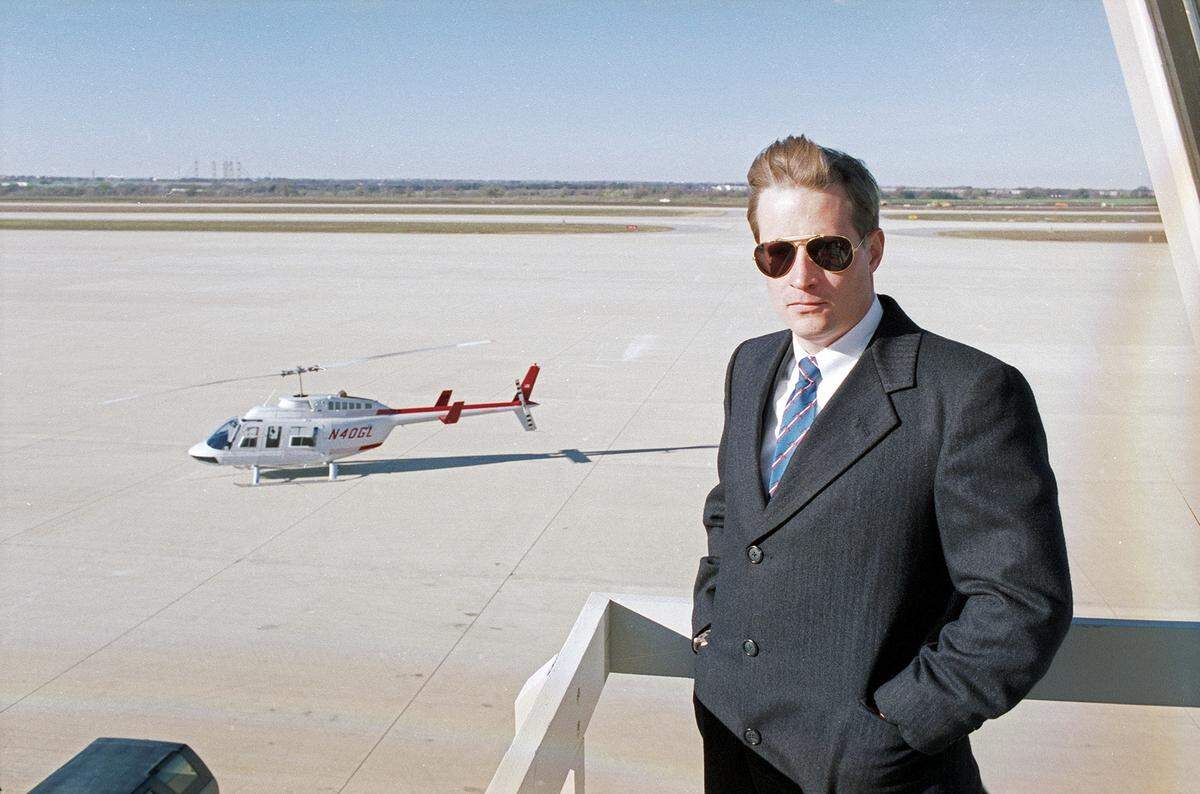
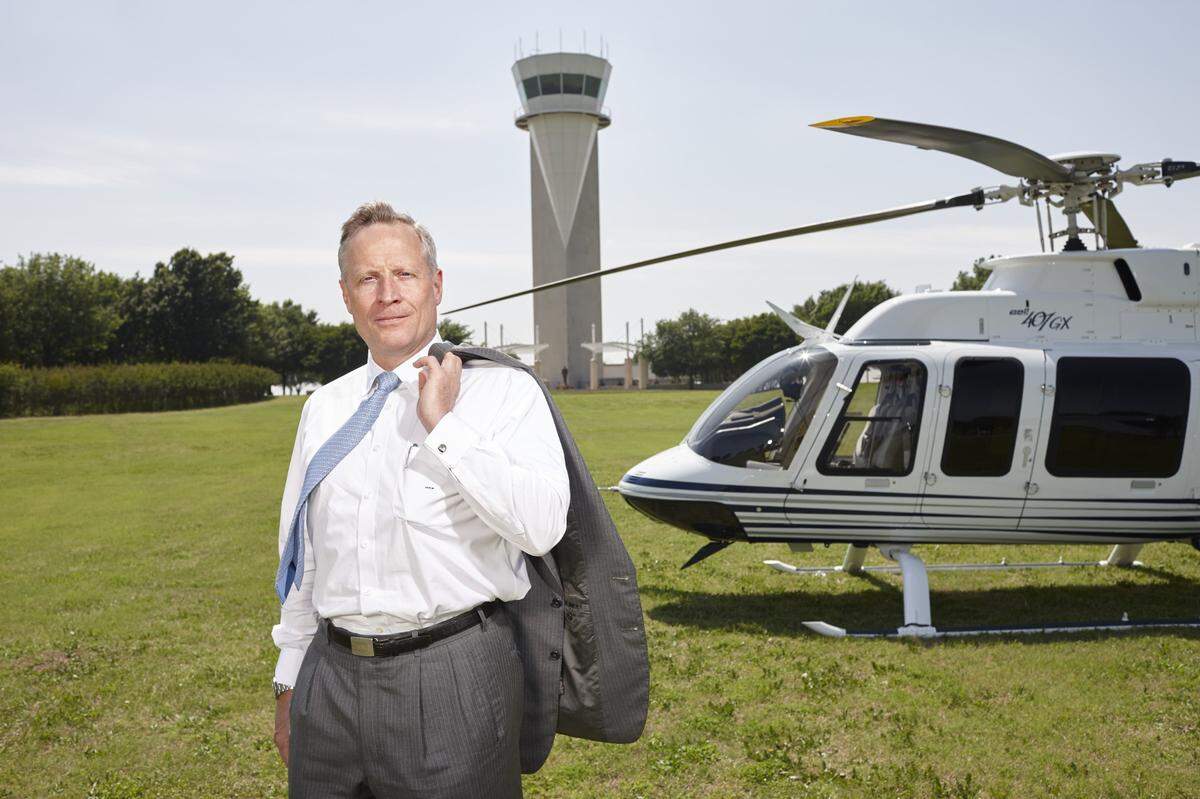
A key part of Hillwood’s sales pitch to executives thinking of moving their company to Alliance is a tour — from a helicopter.
It’s not uncommon for Perot, who co-piloted the first helicopter flight circumnavigating the globe, to pilot the aircraft. The flashy tour was part of how Perot persuaded American Airlines to build a facility in Alliance before the airport had even opened. (A flurry of economic incentives to compete with those proposed in Oklahoma, the other top contender for the project, also helped clinch the deal.)
From the air, one sees highways wind between neatly laid-out housing developments. Enormous warehouses cluster around Perot Field and swimming pools glitter like jewels in backyards, as cattle grazing at Circle T Ranch dot the lush green grass.
Though Alliance is almost double the size of Manhattan, and larger than most of the Metroplex’s municipalities, it isn’t its own city. The development’s growth has been a boon for Fort Worth, which collects tax dollars and can rely on its warehouses, offices and mobility infrastructure to fuel economic growth.
About $1.1 billion of the $15.2 billion invested in Alliance since its start has come from public dollars. At the same time, Alliance has paid over $3.8 billion in property taxes in the region over the past three decades, including more than $752 million to the city of Fort Worth.
The Alliance of tomorrow
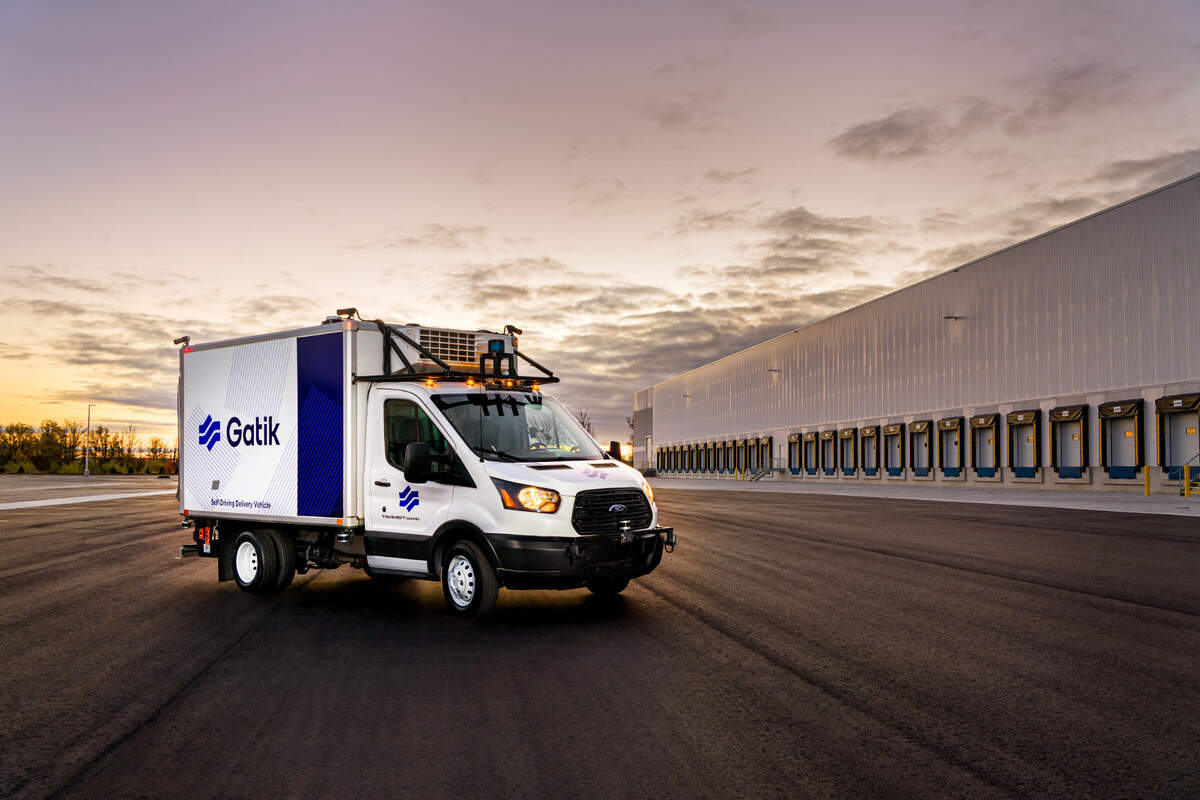
As Hillwood looks to the future, it is investing in mobility technology. Perot envisions an Alliance with autonomous-driving trucks, robot-managed warehouses and drones ferrying goods across the area.
The first step is Alliance’s $262 million Smart Port project, which was awarded a federal grant in October. The project will expand the existing intermodal hub and add new technology, like the ability to track a shipping container, that will support further technology integration.
Berry said Alliance is working to be a leader in the energy space by growing its ability to store energy on site to meet the needs of new industrial development. That could also shield parts of the development from weather-induced power outages.
Perot has even considered how current infrastructure could be adapted. In a future with autonomous flying taxis and less road traffic, toll lanes along I-35 could be used for autonomous trucks. Perot said if such technology becomes widely adopted, the Metroplex’s sprawl could grow exponentially as distant towns gain quicker access to cities.
Alliance has fielded inquiries from other developers across the globe curious about how to replicate its success. Perot shares his expertise, but he said to take on a development as ambitious as Alliance, one must be young, a bit naive and have luck on their side — but he isn’t sure if Fort Worth even needs another development of similar scale.
He said while some developers have managed to emulate pieces of Alliance in other locations, none have been able to recreate it. The perfect storm of conditions that allowed Alliance to thrive is rare; a metro area growing at breakneck speed, proximity to a major interstate, an industrial airport, a railroad hub and supportive politicians.
‘Follow that ambition’
Perot isn’t particular about where his company builds next. He is open to deals anywhere, as long as the Hillwood team believes in them.
“Our team is very creative, and they’re ambitious, and we’ll follow that ambition to whatever deal that makes sense,” Perot said.
The company’s footprint across Fort Worth is growing. Hillwood signed deals with Dick’s Sporting Goods and Continental Tire for new distribution centers at its Risinger/35 Logistics Park development in south Fort Worth, where a wave of industrial development has cropped up. Hillwood has owned the property for almost four decades.
At the groundbreaking for Dick’s, Perot told reporters Hillwood was interested in buying more land in the area. Berry said the real estate market there is interesting, but Hillwood has developed all the land it owns.
Berry expects southwest of Fort Worth, along the Chisholm Trail Parkway, to see growth. He’s also bullish on expansion west of Fort Worth along the I-20 corridor.
‘Visionaries together’
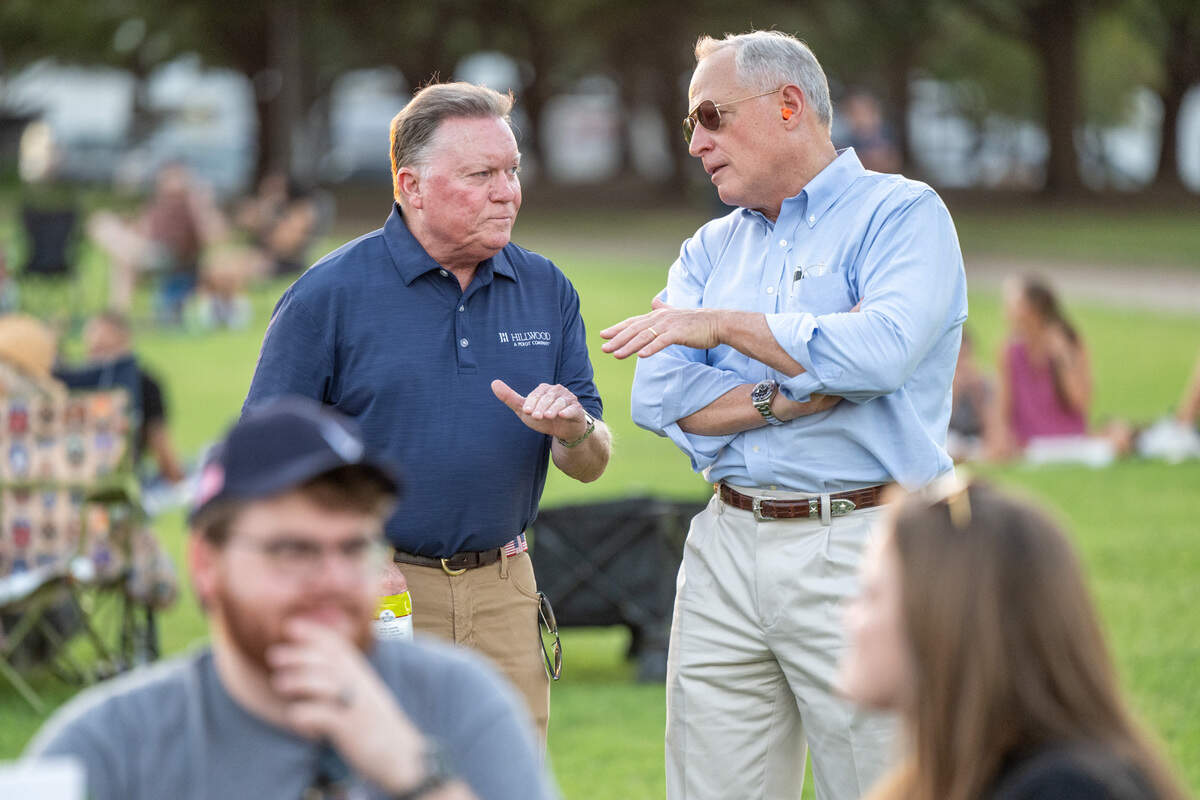
Perot and Berry met at Vanderbilt University, where they were fraternity brothers in Sigma Alpha Epsilon. Berry, who was a year above, was social chair while Perot was president. They bonded while getting the fraternity out of trouble after parties.
Perot said Berry is a brother to him — they’ve experienced every stage of life together, from starting their careers to having grandchildren.
“It’s a deep, long relationship, and to be able to be in business with somebody you’re this close to, it’s a huge honor,” Perot said.
Berry teared up when speaking about his decades-long relationship with Perot. He said he never imagined their college friendship would grow into a career-defining relationship.
“He’s my boss, but we’re also partners, and friends, and faith brothers, and brainstormers and visionaries together, and we generally think mostly alike, so that makes it work,” Berry said. “I’m very blessed to have that relationship.”
The pair have developed Alliance together since the project’s beginning. Perot said Berry’s first day working on the Alliance project was the day it broke ground.
“I think Mike Berry is as excited today to go to work at Alliance, as he was day one,” Perot said.
Neither plans to retire anytime soon.
“I’m having fun, probably more fun right now than I’ve ever had, because we’re doing a lot of really new stuff,” said Berry, who is 66 years old.
Perot said he loves his work, and like his father, he plans to work as long as he can.
“My days are full, and they’re rich, they’re impactful. I get to be with incredible people every day. I get to work with lifetime friends, and I don’t know of a better way to live and spend your life, and we all feel like we’ve had a really meaningful impact on our community,” Perot said.
Berry, who is also involved with the Fort Worth Economic Development Partnership, said he enjoys how his work allows him to help shape the city’s future.
“There’s nothing else I could do that would be this fulfilling,” Berry said.
Besides, Alliance isn’t anywhere near done just yet — there are still thousands of acres to develop.
This story was originally published December 20, 2024 at 5:30 AM.