5 of the 15 fastest growing American cities are in DFW. None are in Tarrant
READ MORE
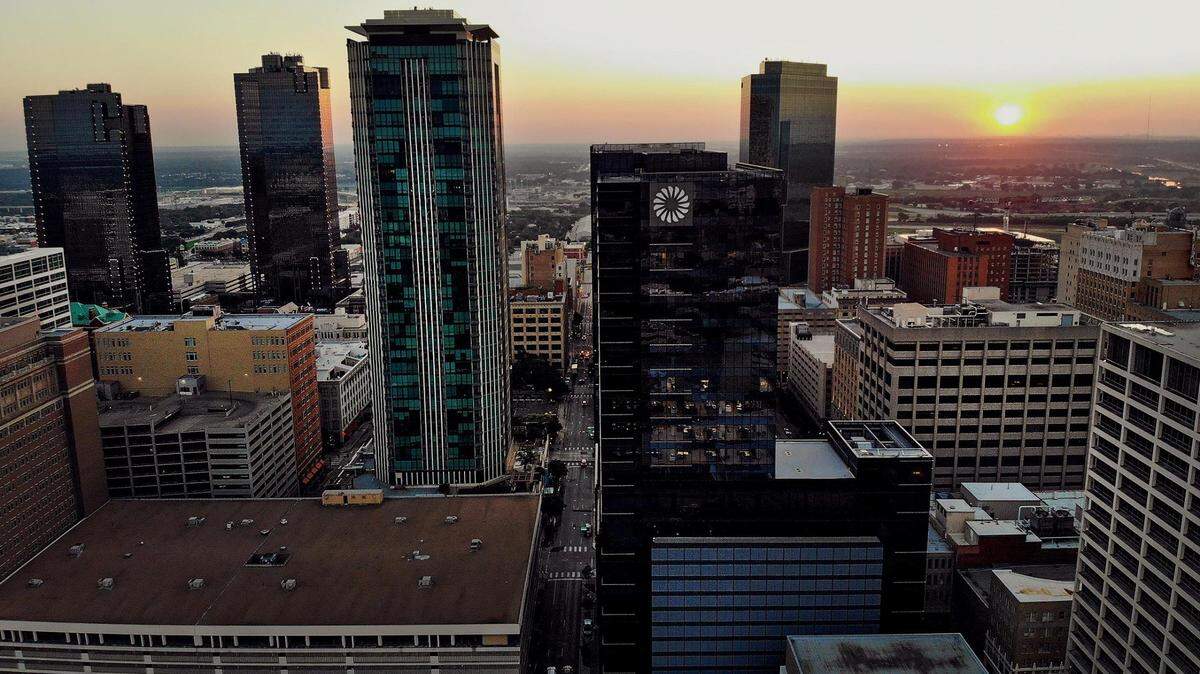
Fort Worth hits 1 million
Fort Worth is now home to 1 million people, just one of 13 U.S. cities to ever cross the threshold, according to census figures released Thursday. Here’s everything you need to know about Cowtown’s new spot as the 11th largest city in the U.S.
Expand All
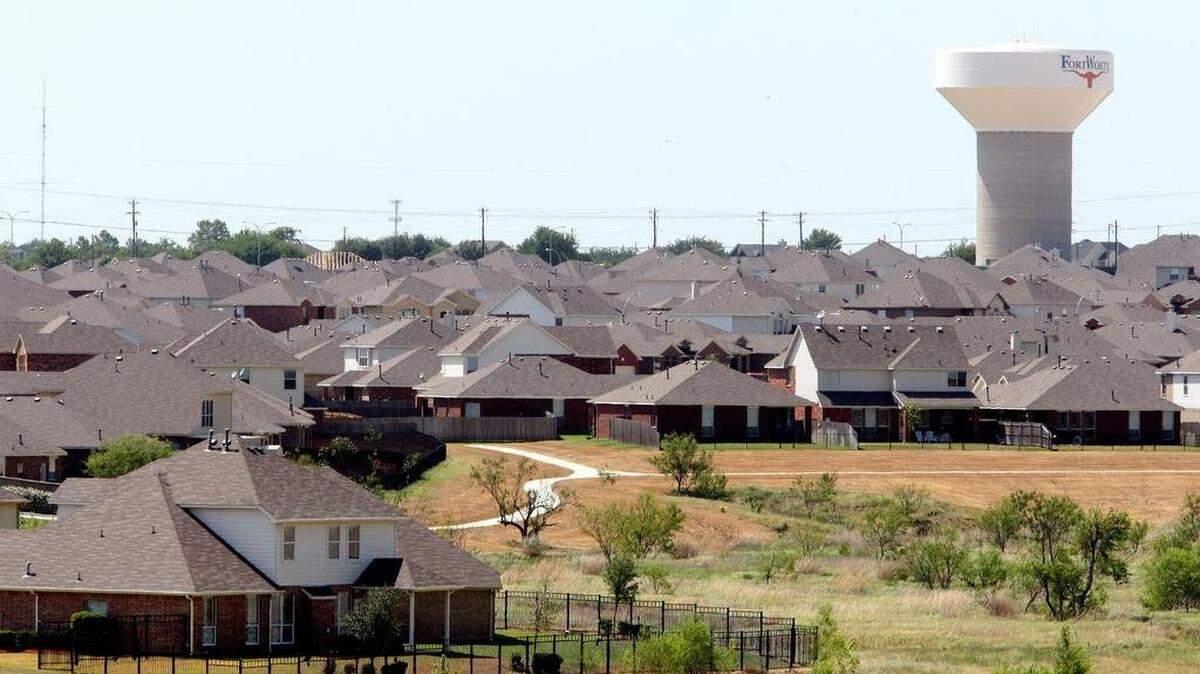
On the surface, little differentiates Princeton from the rest of North Texas suburbia. From the sky, it’s a bulging, misshapen mass of subdivisions sliced in two by U.S. 380, its main thoroughfare and commercial street.
It’s also America’s fastest growing city, according to the Census Bureau’s latest estimates.
The city’s population has more than doubled over the past four years, leaping from around 17,000 in 2020 to just over 37,000.
Seven of the country’s 15 fastest-growing cities are in Texas. Five are in the Metroplex. None are in Tarrant County.
▪ Princeton, in Collin County, experienced a 30.6% population increase last year, the sharpest change in the country. About an hour north of Dallas and half an hour from Plano, it sits on the northeastern frontier of Dallas’ suburban sprawl.
▪ Celina, about 50 minutes west of Princeton and an hour north of Dallas, clocked an 18.2% population jump last year. The city of almost 52,000, carved into discontinuous clumps by unincorporated land, straddles the Denton-Collin county line.
▪ Anna, also in Collin, is a 30 minute drive east of Celina. The city experienced a 14.6% population increase last year, bringing its total resident count to almost 32,000.
▪ Melissa, just a 10 minute drive south, recorded a 10% population bump last year. It has more than 5,000 fewer residents than its northern neighbor, despite being five miles closer to McKinney.
▪ Fate, in Rockwall County, is about 45 minutes east of downtown Dallas, a short drive from the eastern shore of Lake Ray Hubbard. Its population spiked 11.4% (to roughly 27,500) last year.
Growth isn’t exactly stalling west of Dallas.
Fort Worth officially broke the 1 million resident threshold in 2024, according to federal tallies. It absorbed 23,442 people last year, the fifth largest influx in the nation. City demographers expect Cowtown’s population to reach 1.206 million by 2045.
Tarrant soaked up roughly 32,800 residents last year, second in the Metroplex only to Collin, which took in almost 46,700.
But Census data indicate that the region’s eastern hinterlands are growing at a faster click.
Counties to Dallas’ north, south, and east have, on the whole, have seen sharper upticks in population since 2023 than counties to the north, south, and west of Tarrant (with the exception of Wise).
Census number crunchers estimate that builders constructed 18,000 new housing units in Collin last year, the fifth largest countywide supply increase in the country; in Texas, only Harris and Travis counties built more.
Many of the same forces pulling families and businesses to Fort Worth’s once-rural outskirts are drawing folks to Dallas’ fledgling, far-flung suburbs. Ample space permits larger quantities of larger homes. Plano, McKinney, and Frisco, once little more than cushy home bases for Dallas’ well to-do, have become economic engines in their own right.
This story was originally published May 14, 2025 at 11:01 PM.