What parts of North Texas are most prone to flash flooding? Here’s what to know
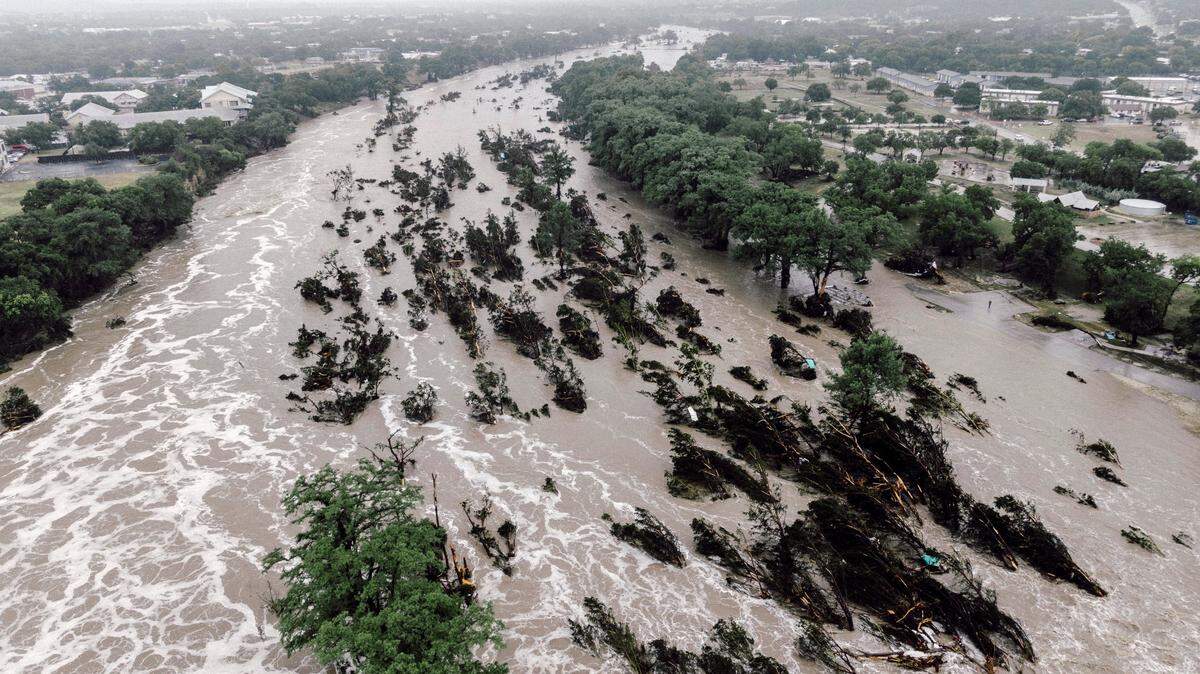
At least 89 people have died from flooding in Texas over the Fourth of July weekend.
The death toll in Kerr County is at 75, in addition to another 14 people across the state, according to an update from Texas officials on Monday morning. Camp Mystic, a private Christian summer camp for girls in Hunt, said it’s grieving the loss of 27 campers and counselors.
“Our hearts are broken alongside our families that are enduring this unimaginable tragedy. We are praying for them constantly,” a statement on the camp’s website read.
Flash flooding is common in Texas and can happen in the event of heavy rainfall, according to the National Weather Service Fort Worth.
Here’s a few tips on how to prepare for flooding, what to do during and what areas in North Texas are the most flood-prone.
How to prepare for flash flooding
Just like with severe weather, it’s important to have multiple ways to receive a flash flood warning, NWS meteorologist Brennen Darrah said.
Texans can receive warnings from social media, local news outlets or other family members. Most phones will also send emergency alerts in the event of location-specific flooding and severe weather.
However, not every flash flood warning will be sent as an emergency alert to phones, Darrah said. It all depends on if the warning has an impact-based warning (IBW) tag.
Depending on the level of severity assigned to the warning, that will determine if an alert is sent to cellphones. Usually, the lowest, base-level flash flooding warning will not be sent to phones, Darrah said.
You might also consider buying a weather radio to receive alerts.
For those interested in getting warnings for areas beyond where they live, there are apps for that such as AccuWeather, Weather Bug or The Weather Channel.
In the event of flooding, having a go bag or disaster supply kit is another plus, Darrah said.
The Texas Department of State Health Services has a guide for folks to build their own kit, from first-aid to non-perishable food. Find the list here.
If there is flooding and a need to evacuate, Darrah reminds folks of the familiar phrase — “Turn around, don’t drown.” It’s always safer to find an alternate route, than driving through water.
Finally, in the rare case that water is rising fast enough where driving is not an option, Darrah recommends finding higher ground immediately.
Difference between flash flood watch and warning
Typically, a watch is described as having the ingredients for a taco that has not been made yet. While a warning means the taco has been made and is ready to eat.
When there’s a flood watch, the atmospheres is in a position to potentially produce thunderstorms with heavy rain that could result in flooding, Darrah said. The watch is so people can have awareness of what’s going on and what may happen.
Once the storm is imminent or already happening, the NWS will then issue a flood warning, Darrah said.
Flood-prone areas in North Texas
Most people may think lakes around the Dallas-Fort Worth Metroplex have the biggest flood risks, but that’s not the case.
The lakes around the region are controlled by levee systems, which are made to help reduce flooding. Because of the system, Darrah said it would take “tons and tons” of rainfall to flood area lakes.
Instead, urban developed areas are the most flood-prone in the Metroplex. Concrete does not soak up water like dirt, since there’s not any natural drainage happening.
Some of the region’s recent flooding casualties have come from underpasses as water pools up and has no where to go, Darrah said.
A man died last month after his vehicle got stuck in high water underneath the Interstate 635 bridge in Dallas.
After urban areas, the next most flood-prone areas in the region would be smaller creeks and streams with small riverbeds, since they can’t take on a lot of water, Darrah said.