
Cold temperatures in Fort Worth are upon us. Here’s how to prepare for the freeze
.JPG "Jan. 28, 2009: An icy West Berry Street east of South University is all but deserted at 8 a.m. Severe weather arrived overnight in the North Texas area, with rain and sub-freezing temperatures making conditions hazardous.")
Fort Worth will have a cold front this week, which means winter weather is only around the corner.
The 7-day forecast predicts temperatures with lows of 39 on Wednesday and Thursday nights. Though the weather is yet to be freezing (32 degrees), this weather is colder than the mid-70s Fort Worth has been enjoying.
The cold front will only last a few days until the weekend, when the weather returns to above-normal temperatures, with a high of 71 on Saturday and a high of 79 on Sunday, according to the National Weather Service office in Fort Worth.
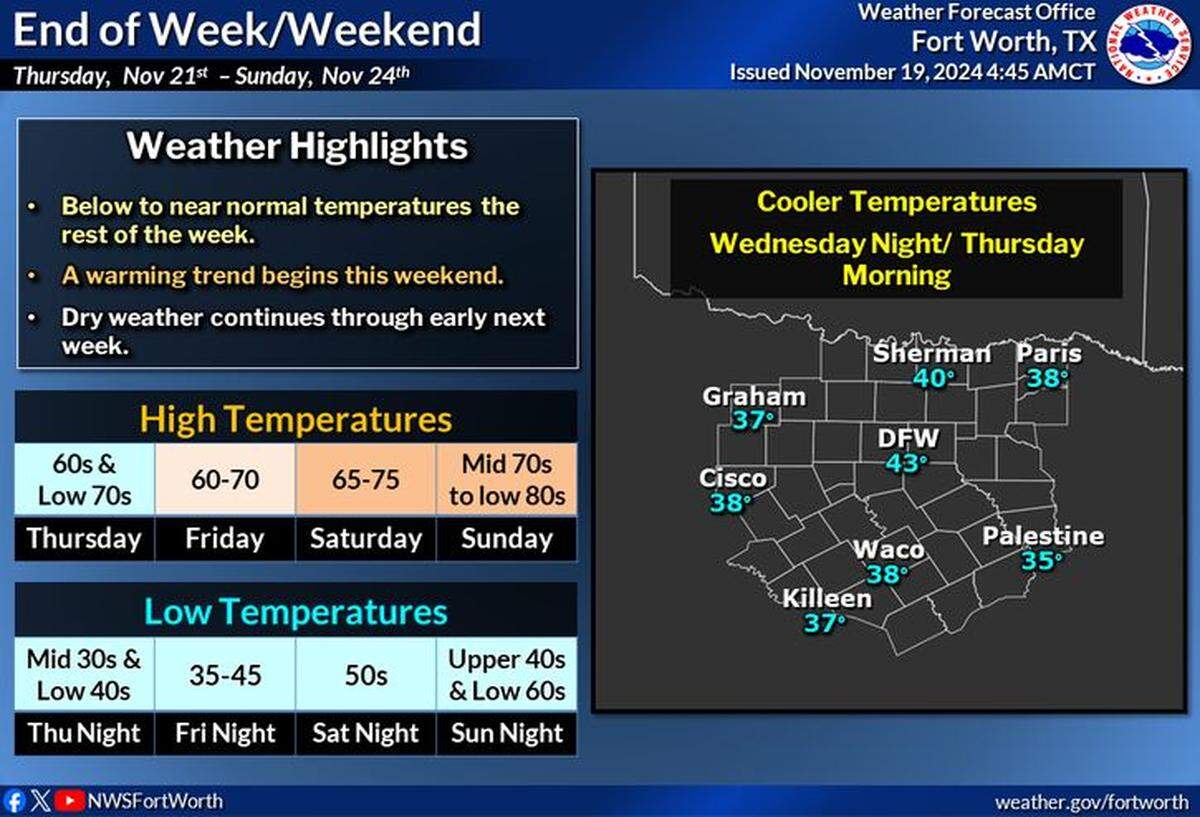
According to the weather service, the average date of the first winter freeze is Nov. 22. In 2023, the first freeze was on Nov. 27. Currently, there are no below-freezing temperatures in the forecast.
So when the freeze does hit North Texas, you should be prepared. The NWS suggests doing the following to prepare for the freezing temperatures:
How to prepare for a freeze in North Texas
Regularly check the forecast
Checking the forecast daily will help you know when a freeze is coming. Reading the NWS app or other weather apps regularly can be a part of your morning routine.
Adjust your schedule
Adjusting your schedule to spending time outside during the warmest part of the day can help you avoid unpleasant cold temperatures. The NWS says that the coldest part of the day is typically in the early morning. If you have to be outdoors, try to find a warm spot with sun.
Protect pets, livestock and your property
Ensure your property’s animals are not exposed to extremely cold temperatures and their food and water are not frozen. One way to do this is to ensure your pipes don’t freeze (to prevent this, have a dripping faucet at all times during freezing temperatures).
Take care of your plants and crops
Iowa State University suggests,
Bring potted plants indoors (or any plant that can be transported inside).
Cover plants that cannot be moved with frost fabric, towels or blankets to help trap the heat from the ground.
Use a cold frame or hoop tunnel.
Fill up your gas tanks
Ensure that your necessary vehicles have at least half a tank of gas in case of an extreme freeze.
This one may seem obvious, but even if you do not think it will be that cold, dress in warm clothing just to be sure. The NWS suggests gloves, hats, sturdy boots and jackets.
Items you should have on hand in case of a freeze
During a freeze you may need to scrape ice off your car or even use a flashlight in case of a power outage. It’s always smart to have the following items on hand in case of an emergency.
Jumper cables: just in case a battery dies and you need to start up your car for warmth.
Flashlights: make sure their batteries work and have extra batteries on hand.
First Aid Kit: extras of essential medicines or bandages.
Baby gear: formula, food or diapers are essential.
Food: canned food and a can opener, dry cereal, protein-rich foods like nuts and energy bars, anything that is shelf-stable.
Water: The NWS suggests “at least 1 gallon of water per person a day for at least 3 days.”
Basic toolkit: should have a screwdriver, wrench, hammer, and pliers.
Pet supplies: food, water, blankets.
Radio: in case the power goes out and you cannot reach broadcast news.
Cat litter or sand: not for your pets, but rather for traction on the roads for your tires.
Shovel: you may need to dig a pathway through the snow.
Ice scraper: even if you park in the garage, it’s smart to have one handy in your car.
Clothes: It’s smart to have an extra pair of warm clothes on hand in case the washer and dryer are not available.
Warmers: keep hands, feet, and body warm.
Blankets or sleeping bags: will be necessary if you get stranded, smart to keep in the car.
Charged Cell Phone: portable or one that can plug into your car.
This story was originally published November 19, 2024 at 12:06 PM.