The mayor of this West Texas town is a goat — and it’s been so since 1986
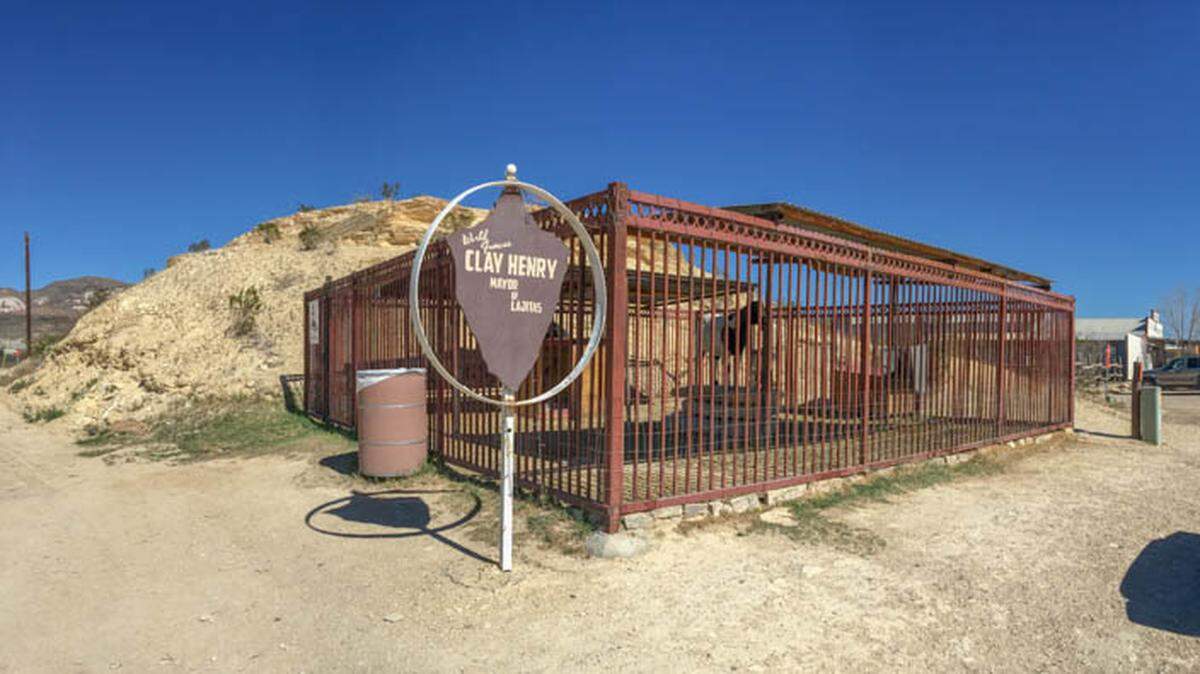
In the Big Bend region of West Texas, where desert mesas meet the Rio Grande, you’ll find one of the quirkiest political traditions in America.
The tiny, unincorporated town of Lajitas doesn’t have a human mayor. It has a goat mayor.
The most famous of them, Clay Henry, became a Texas legend for his beer-drinking antics and his unlikely role as the town’s leader.
Decades later, the tradition lives on, drawing curious travelers who want to meet the current goat mayor.
Here’s what to know.
How did a goat become mayor?
The goat mayor story started in the mid-1980s, when Lajitas (population: 75, as of 2010) was owned by Houston businessman Walter Mischer, who wanted to turn the area into a resort destination. He and his friends, mostly Houston developers and businesspeople, often visited the town.
During one snowy trip in 1986, they decided Lajitas needed a proper mayor. They chose a fellow Houstonian, Tommy Steele, to take the job.
That decision didn’t sit well with locals like Bill Ivey, whose family had lived in Lajitas for generations. To make a point, Ivey launched his own campaign nominating his goat, Clay Henry, for mayor.
With the help of a Uvalde man named Jim Woodward running the campaign, Clay Henry became the ultimate underdog (or undergoat) candidate. His platform was simple: he was a beloved local, and unlike the outsiders, he represented Lajitas’ true spirit.
When the votes were cast, the goat won and not just narrowly. Clay Henry beat Steele in a landslide, with newspapers across the country covering the quirky election.
What started as a protest against outsiders controlling the town turned into a decades-long tradition that still lives on today.
Now, the original Clay Henry is stuffed and on display at the Starlight Theatre in Terlingua.
Who is the current mayor?
Today, visitors to Lajitas can meet the latest goat to hold office, Clay Henry IV (or V, depending on who’s counting).
He resides in a pen outside the Lajitas General Store, where travelers can stop by to snap a photo or buy feed pellets from a dispenser for 50 cents.
While he isn’t known for drinking beer like his predecessors, he still draws attention as the face of the town.
Locals often joke that he rules his “kingdom” by headbutting fence posts and staring stoically into the distance like any good leader would.
What made the goat mayors famous?
The goat mayors weren’t just elected for fun; they became celebrities thanks to their unusual habits.
Earlier goats, like Clay Henry II and III, were notorious for drinking beer straight from the bottle, often Shiner Bock or Lone Star.
Tourists flocked to Lajitas just to see the spectacle of a goat chugging a longneck in seconds, and newspapers across the country covered the bizarre story.
Clay Henry III, in particular, became a full-blown mascot with merchandise, travel guide mentions, and repeat news coverage. What started as a joke soon turned into a tourism draw that put Lajitas on the map.
What scandals have the goat mayors faced?
Like any political dynasty, the Clay Henry line has had its share of scandals.
Clay Henry Jr. gained infamy in the 1990s after mauling and killing his father during rutting season, then taking over the mayor’s office himself.
Clay Henry III was later the victim of a cruel attack when a man angry about the goat drinking beer on a Sunday broke into his pen and castrated him, though he survived and continued to serve.
Despite these incidents, the tradition persisted, and each new Clay Henry has carried on the mantle. Through it all, the goat mayors became a mix of comedy, folklore and local pride.