Jail commission, Fort Worth PD change statements on receipt of jail death videos
After initially telling the Star-Telegram they did not have all of the video evidence collected by the Tarrant County Sheriff’s Office during the investigation into a jail death, the Texas Commission on Jail Standards and the Fort Worth Police Department changed previous statements that they had not received the video.
According to investigation documents received through an open records request to the jail commission, the Sheriff’s Office collected two sources of video footage of the events involving the death of Chasity Bonner on May 27, 2024.
Bonner died of atherosclerotic cardiovascular disease, according to the medical examiner’s autopsy report, which was also included in the documents the Star-Telegram received.
A report by a crime scene investigator that was submitted to the jail commission states the Sheriff’s Office collected footage from mounted cameras in the jail and from a handheld camera operated by an officer, which begins after medical personnel responded.
The Star-Telegram received the handheld footage from the jail commission. But the request for the mounted camera footage could not be fulfilled, the records office said, because the Sheriff’s Office never sent it to the commission.
After initial publication of this article, Brandon Wood, executive director of the jail commission, called the Star-Telegram to say the commission had received the video, but it was unable to upload it to a file sharing website. The commission employee who processes open records requests “made an error” when she said the Sheriff’s Office hadn’t sent the video, Wood said.
The Sheriff’s Office appealed to the Texas Attorney General’s Office to withhold the footage from both cameras in response to the Star-Telegram’s records requests to that agency.
The Sheriff’s Office’s internal investigation was reviewed by a Fort Worth police detective in January. A public information officer originally said the reviewing detective did not receive video as part of the evidence for review.
After publication, Sgt. Joshua Johnson called the Star-Telegram to “clarify the response” from the public information officer.
The video was sent to the department in the case file, but the reviewing officer did not review the footage, Johnson said.
Tarrant Sheriff’s Office says video evidence was not withheld
The Star-Telegram emailed members of the Sheriff’s Office’s media team just before 1 p.m. on Tuesday, April 22. Spokesperson Robbie Hoy did not respond until the Star-Telegram sent a follow-up email at 9:26 a.m. on Wednesday.
The agency does not believe it omitted evidence from its investigation documentation sent to the jail commission, he said, adding that he would try to get an answer “ASAP.”
The Star-Telegram then gave a deadline of 1 p.m., providing the Sheriff’s Office 24 hours to respond.
Soon after, Chief Deputy Jennifer Gabbert emailed the Star-Telegram to say the paper had not given the Sheriff’s Office enough time to respond.
“To write an article insinuating or outright accusing the (Sheriff’s Office) of withholding information prior to giving us time to research the issue is irresponsible and feeds public mistrust of law enforcement in a time when many media outlets are focusing on building trust,” Gabbert said. “We are asking that you please refrain from printing information about this until the (Sheriff’s Office) has time to look into the accusation. If the video was not sent, then we will look into that issue.”
Tarrant sheriff ‘ducking and dodging’ accountability for jail death
Bonner’s mother LaMonica Bratton said there has been a lack of communication from the Sheriff’s Office.
The county asked Bonner’s aunt to withdraw an open records request for her autopsy report in September. When she declined, it succeeded in blocking its release by appealing to the Attorney General’s Office. The Star-Telegram also refused to withdraw its request for the report after the county asked it to do so.
The Star-Telegram received the autopsy report with the batch of records from the jail commission in March. In it, the medical examiner recommended her immediate family consult their doctors about a possible hereditary disorder.
“I want to see everything,” Bratton said. “I feel like we deserve that.”
Other irregularities in Tarrant sheriff’s handling of Bonner’s death
In September, the Star-Telegram received documents through an open records request showing inconsistencies in the Sheriff’s Office’s timeline of communications with the medical examiner’s office regarding Bonner’s autopsy report.
The Sheriff’s Office told the Star-Telegram it had requested the report in early September, but emails between the two offices revealed the request was made on Sept. 20, after the Star-Telegram inquired about the Sheriff’s Office’s possession of the report.
Bonner’s family accused the Sheriff’s Office of “stalling” the investigation in an attempt to evade accountability and wait out the two-year statute of limitations on wrongful death lawsuits.
In October, Bratton took the urn containing Bonner’s ashes to the Tarrant County Commissioners Court to demand answers regarding her daughter’s death.
Bonner’s death was one of over two dozen that were not independently investigated by an outside law enforcement agency per state law between October 2021 and July 2024.
The Fort Worth Police Department was tasked with the investigations, but the department told the Star-Telegram in March that it was unaware of how it was given that responsibility. Instead, it conducted reviews of the Sheriff’s Office’s internal investigations.
The Fort Worth police review of the investigation into Bonner’s death was conducted by Detective L.A. Walter of the Major Case unit, according to documentation received through an open records request to the jail commission.
Texas jail commission can find violations ‘IF they have access to essential evidence’
Access to all the evidence in an investigation is critical to the ability of the Texas Commission on Jail Standards to do its job, according to jail reform advocate Krishnaveni Gundu.
“It’s frustrating to see the Tarrant County Sheriff’s Office’s attempts to hide crucial evidence from the jail commission, and this is a perfect example of why the Sandra Bland Act is so essential,” said Gundu, who is the co-founder and executive director of the advocacy group Texas Jail Project. “No one wants to admit their mistakes which is why we have, and must continue to have, independent oversight in custody death investigations.”
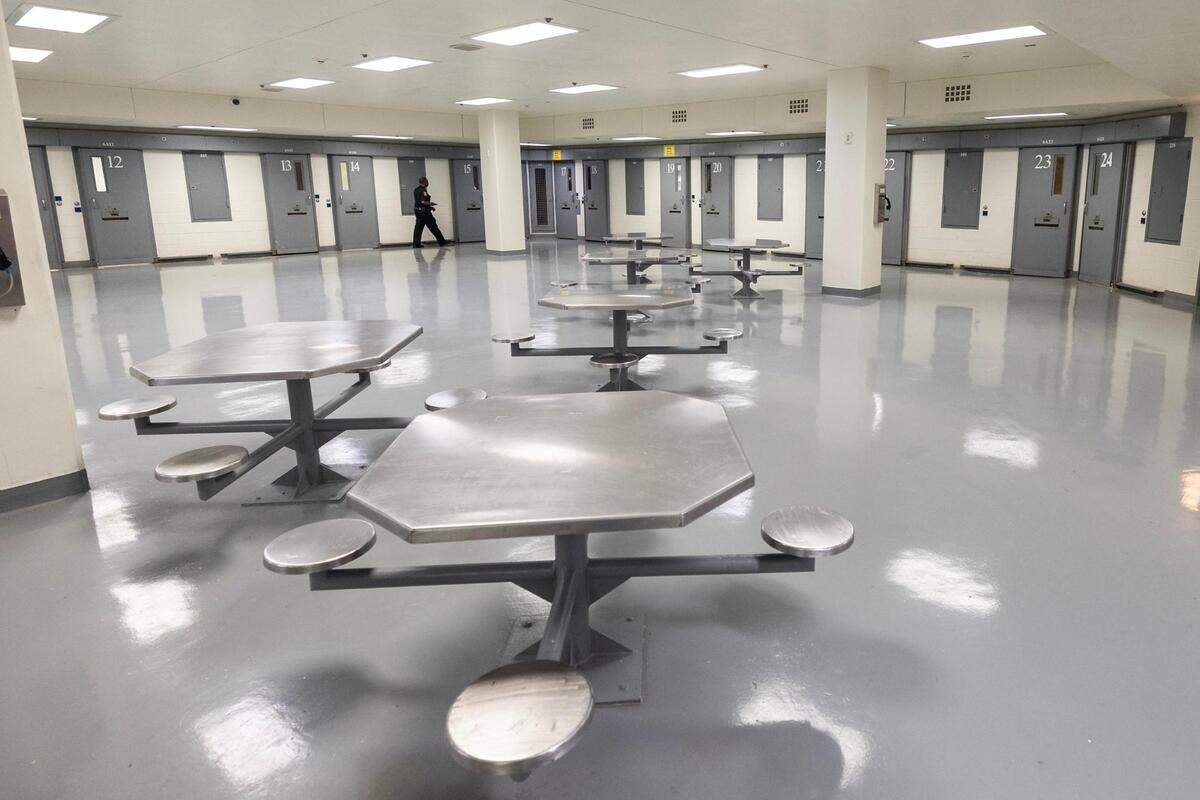
Jail reform advocates hail the 2017 Sandra Bland Act as an important step toward transparency in jail death investigations, as it requires outside law enforcement agencies to conduct independent investigations into them.
A Star-Telegram investigation from February found that the jail commission had not been following the law since it went into effect.
The jail commission ensures that Texas jails adhere to minimum standards and can deem facilities out of compliance. An order of noncompliance can trigger unannounced inspections of jails and lead to remedial orders if issues are not resolved.
To highlight the importance of outside agencies’ access to evidence, Gundu pointed to the case of Dean Stewart, who died by suicide in the Tarrant County jail in April 2020. Investigation documentation submitted to the jail commission showed that jailers failed to check on Stewart while he was on suicide watch, prompting the commission to revoke the jail’s certification for six days in May of that year.
The jail commission “can find violations IF they have access to essential evidence,” Gundu said in a statement.
Stewart’s family would not have received the $400,000 settlement from the county had the jail commission not taken that action in response to the evidence, she said.
“For any form of oversight to be effective, it at least requires a basic foundation of transparency,” Gundu said. “That should, at a minimum, necessitate the disclosure of all relevant materials that could support an independent investigation. The Sheriff’s decision not to turn over relevant, and likely revealing, material does nothing other than undermine public trust in that process.”
This story was originally published April 23, 2025 at 2:40 PM.