What is the heat index? Explaining how it’s calculated and what the 4 classifications mean

READ MORE
The Fort Worth heat wave is back
After a warm and potentially rainy weekend, North Texas will return to triple digit temperatures next week. Here’s what to know
Expand All

Expect storm chances in Fort Worth this weekend followed by another North Texas heatwave

We dug up photos of Fort Worth’s notorious 1980 heat wave in Star-Telegram vault

Think it’s hot now? This study says Texas could reach 125-degree temps within 30 years

Is the heat in Texas coming from Mexico? Here’s why it’s so darn hot in Fort Worth
What is the heat index? Explaining how it’s calculated and what the 4 classifications mean
The heat index is what the temperature feels like to the human body when relative humidity is combined with the air temperature.
You may hear the term a lot during the extreme Texas heat because both humidity and heat affect comfort levels. National Weather Service heat alerts are based mainly on the heat index, when it’s expected to exceed 105 to 110 degrees for at least two consecutive days. That number will be the temperature that it will “feel” like.
When the body gets too hot, it begins to sweat to cool itself off. The evaporation of perspiration reduces the body’s temperature. When humidity is high, the rate of evaporation from the body decreases, so you’ll feel warmer.
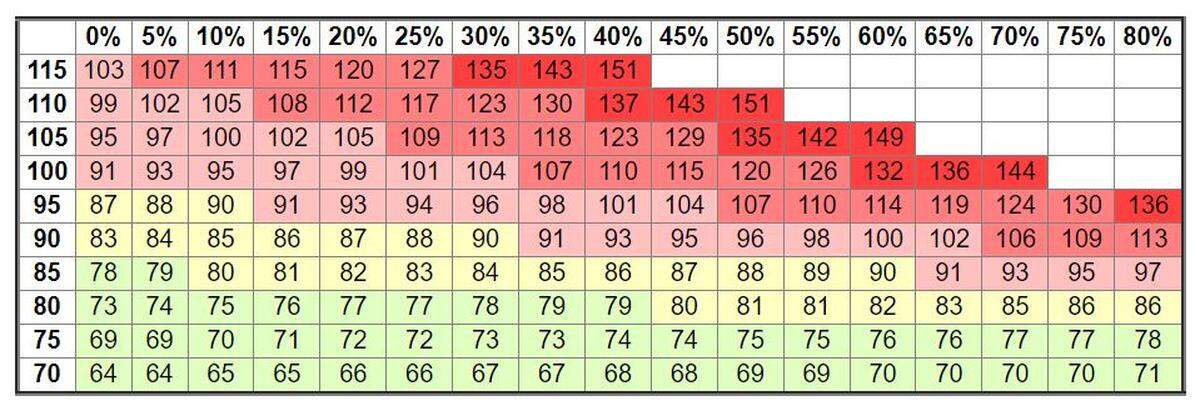
As the air temperature and relative humidity increase, the heat index increases. If the air temperature is 100 degrees and the relative humidity is 55%, for example, the heat index will be 124 degrees. When humidity is low, the heat index can be lower than the temperature. If the air temperature is 100 degrees and the relative humidity is 15%, for example, the heat index is 96 degrees.
If you’re exposed to direct sunlight, the heat index value can be increased by up to 15 degrees. Heat indices meeting or exceeding 103 degrees can lead to dangerous heat disorders with prolonged exposure and/or physical activity in the heat. Here are the four classifications, per the National Weather Service:
- Caution: 80°F - 90°F. Fatigue possible with prolonged exposure and/or physical activity.
- Extreme Caution: 90°F - 103°F. Heat stroke, heat exhaustion or heat cramps possible with prolonged exposure and/or physical activity.
- Danger: 103°F - 124°F. Heat cramps or heat exhaustion likely, and heat stroke possible with prolonged exposure and/or physical activity.
- Extreme Danger: 125°F or higher. Heat stroke highly likely.
To calculate the heat index, enter the air temperature and relative humidity here. You can also use a heat index chart.
This story was originally published June 30, 2023 at 2:48 PM.