Knowing the difference between heat stroke and heat exhaustion in Texas can save your life

As Fort Worth eyes high temperatures in the next two days to reach 110 degrees Fahrenheit, knowing what to watch for during the heat wave can be key. Heat exhaustion and heat stroke are two common illnesses rampant during the wicked Texas summer.
The feel of extreme heat can be become more acute as you factor humidity. This is called the heat index.
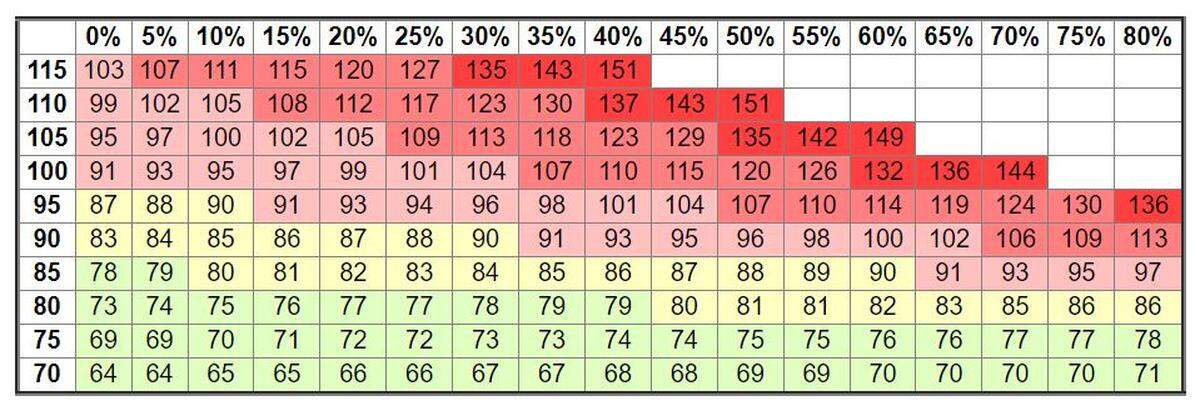
Symptoms of heat exhaustion include:
- Heavy sweating
- Tiredness
- Weak pulse
- Dizziness
- Fainting and vomiting.
If you are experiencing these symptoms, act fast and move to a cooler environment, loosen clothing, apply wet towel and drink sips of water.
Heat stroke is the more severe case of heat exhaustion and can lead to: shock, organ failure and even death, according to the National Weather Service.
Symptoms of heat stroke are:
- Throbbing headache
- Confusion
- Nausea
- Body temperature above 103 degrees.
Moving the victim to a cooler place and applying cold towels can help reduce body temperature, but do not give them fluids.
The first step for anyone experiencing heat stroke is to immediately call 911 or get the person to the hospital right away.
How to take care pets during the hot summer
Its not enough to keep yourself cool during the Texas summer, don’t forget about your furry friends.
Heat stroke can afflict pets just as much as humans. A few symptoms to lookout for include panting, increased respiration rate, increased drinking, loss of appetite and lethargy.
The Fort Worth Animal Shelter advises pet owners to keep these tips in mind during the summer:
- Never leave your pet alone in a vehicle. The inside of a vehicle can reach 109 degrees within 20 minutes when the outside temperature is in the 80s.
- Keep shady places available to dogs and cats, with clean, fresh water easily accessible.
- Feed animals in the morning or evening when outdoor temperatures are cooler.
- Take your dog for a walk in the early morning or late evening when it’s less hot. Dogs’ paws easily burn, so protect them by walking on grass or other cooler surfaces.