
SeaQuest files for Chapter 11 bankruptcy following Fort Worth store closure
On Dec. 2 SeaQuest, a mall aquarium chain, filed for Chapter 11 bankruptcy, reporting $1 million in assets but more than $10 million in liabilities.
The animal rights organization People for the Ethical Treatment of Animals (PETA) has an ongoing campaign against SeaQuest, calling on former CEO Vince Covino to close all locations. Covino stepped down in August, yet there are court records of him getting paid $128,000 between Dec. 2023 and Nov. 2024, according to the PETA press release.
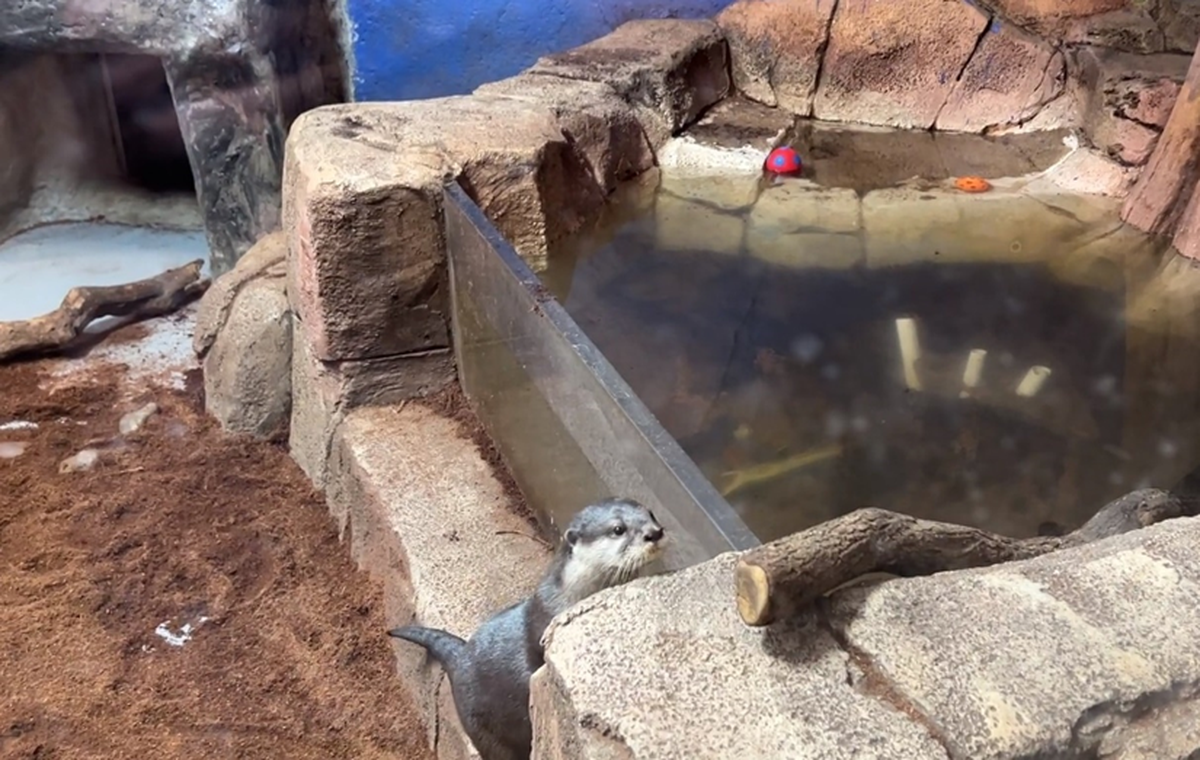
“SeaQuest’s financial failure offers yet more proof that animal exploitation is a losing business model, as compassionate consumers don’t want to fork over their dollars to look at fish, otters, and birds suffering in cramped, filthy enclosures and forced into stressful public encounters,” PETA’s Associate Director of Captive Wildlife Rebecca Smudzinski said in the press release.
There are whistleblower reports of sharks starving to death and other animals suffocating to death from three former SeaQuest employees who worked at the Fort Worth location. In January and August, the mall aquarium was cited for cramped and unsanitary conditions.
PETA takes credit for four stores closing in the past year: One in Fort Worth; one in Littleton, Colo.; one in Trumbull, Conn. and another in Stonecrest, Ga. SeaQuest still has five remaining locations in Folsom, Calif.; Las Vegas, Nev.; Layton, Utah; Roseville, Minn. and Woodbridge, N.J.., according to its website.
What is SeaQuest?
SeaQuest opened its first location in 2016 in Layton, Utah. Shortly after, another one popped up in Las Vegas. Covino helped open the Portland Aquarium, the Austin Aquarium and the San Antonio Aquarium before he opened up SeaQuest mall aquariums.
Covino’s brother, Ammon Covino, has also been involved in SeaQuest openings in Nevada and Utah despite his previous arrests for illegal animal trafficking. According to PETA, both brothers admitted to a lack of veterinary care at the Portland Aquarium, which they owned, before it closed in 2016.
Seaquest owns one two-toed sloth, four Asian small-clawed otters and 400 axolotls, which are all threatened or endangered species. They also have an array of sea life, birds and reptiles that customers interact with.
“We bring the majestic wonders of our planet, ranging from rainforests and deserts to exotic marine life.” SeaQuest says on its website. “Guests are encouraged to connect with animals and learn about their ecosystems through various hands-on activities which include hand-feeding sharks, stingrays, birds, and tropical animals.”
On Nov. 11, 2017, the aquarium attraction opened in Fort Worth on the ground floor of the Ridgmar Mall. Exhibits had sea animals like stingrays and sharks, but also parakeets and sloths.
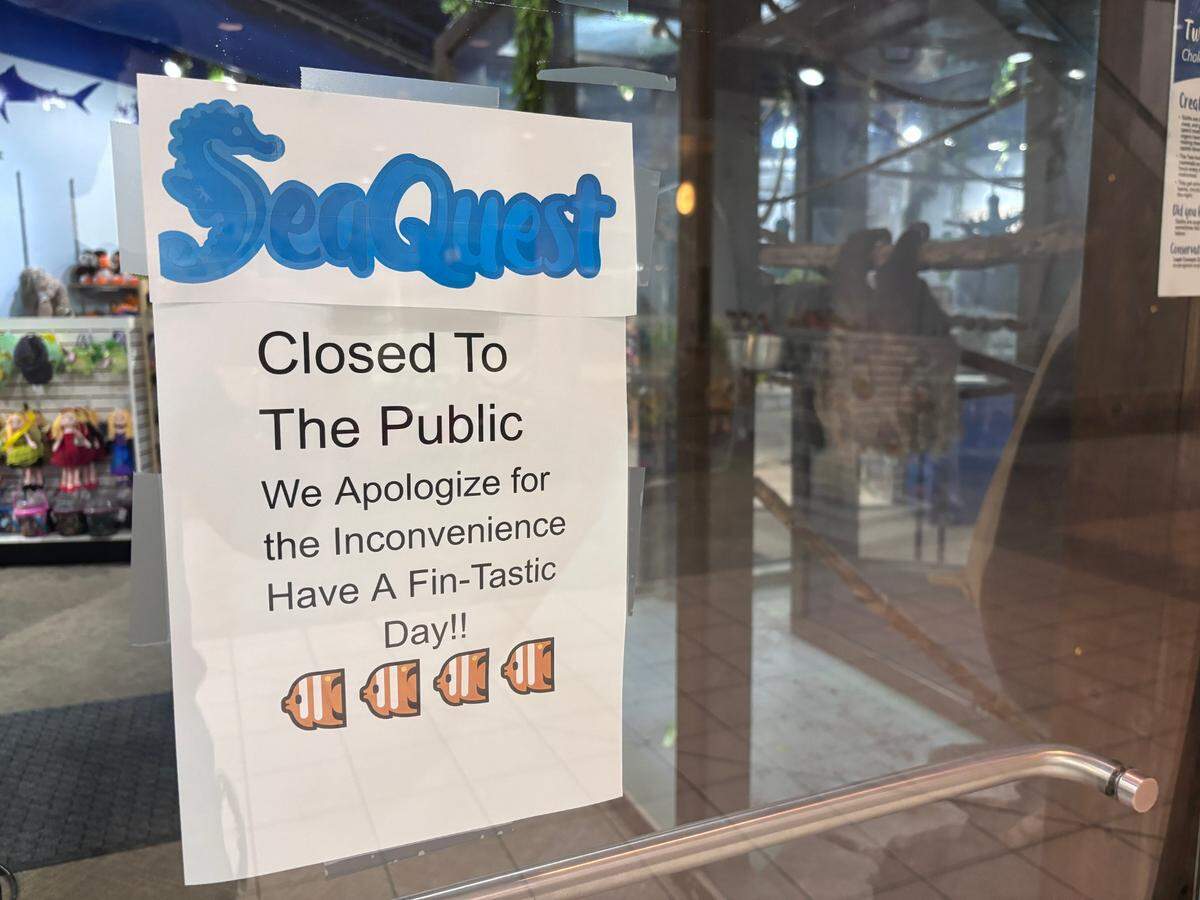
The Fort Worth location was Seaquest’s third and largest location. The aquarium occupied the space of seven vacated stores on the mall’s lower level before it was shut down in October.
Fort Worth SeaQuest closure
On Oct. 28 SeaQuest in Ridgmar Mall shut down after almost seven years.
Citations started pouring in in 2018, after guests were scratched by a capybara at the Ridgmar Mall location. In 2019, guests were clawed by an Asian small-clawed otter. In 2021, USDA fined the location for guests injured by a capybara and sloth.
In 2022 even more reports were cited of animals injuring customers. A child was bit by an iguana, and another child was bit by a wallaby. Just before its closure, in September, citations were issued for a sloth and bengal cat biting guests.
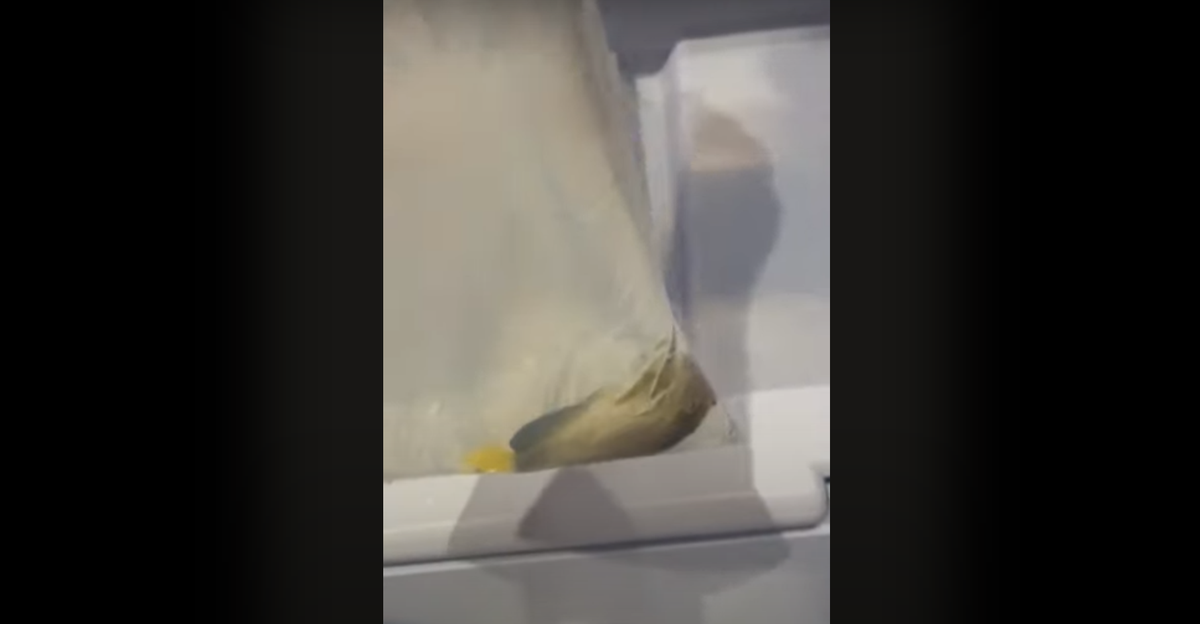
Government records also show that five sugar gliders died because they were trapped in a PVC pipe. And whistleblowers in August shared videos that two nurse sharks starved themselves to death due to a cramped and stressful habitat. Videos also showed multiple fish that died in transport to Fort Worth from the Littleton, Colo. SeaQuest location.
The Fort Worth Police Department opened an investigation into SeaQuest in August. The investigation was closed at the end of September since it was determined the police department was not the right agency to investigate.
PETA’s campaign against SeaQuest
PETA began recording SeaQuest incidents in 2018 when customers were reporting injury by animals at the Littleton, Colo. location. In 2020, the U.S. The Department of Agriculture cited SeaQuest for inadequately protecting guests and animals due to poor barriers.
Other incidents across the country since 2018 include birds being stomped to death by a child; a flying squirrel killed from getting smashed in a door; and an otter drowning after being caught in a tank filter.
PETA said it will continue to publish exposing records from governmental citations, past employees or customer reports.