
Fort Worth animal attraction has cramped, unsanitary enclosures, USDA report states
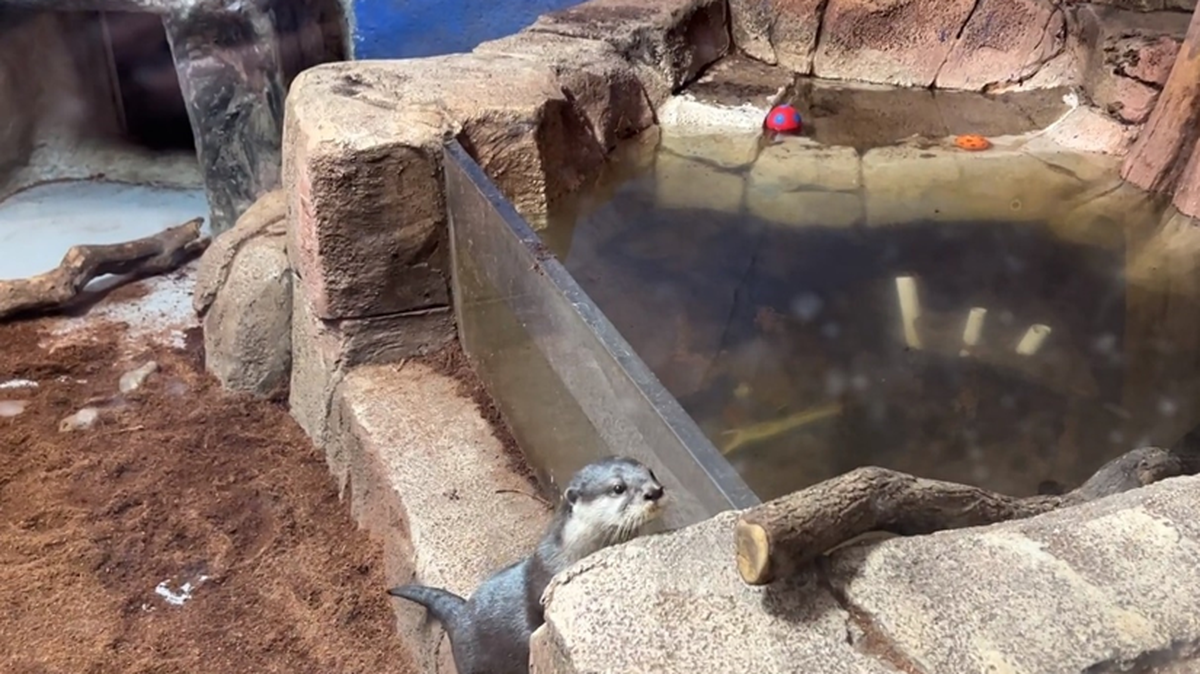
SeaQuest of Fort Worth was cited for cramped and unsanitary conditions in its Ridgmar Mall aquarium, according to a recent U.S. Department of Agriculture inspection report.
The report from earlier this year stated the sea life attraction had enclosures too small for animals to move around in, and in some cases, forced animals to live in their own feces.
“Inefficient cleaning of enclosures can predispose the animal to illness and disease and attract pests,” the USDA inspection report states.
The animal advocacy group People for the Ethical Treatment of Animals sent out a press release shedding light on the report’s findings. PETA condemned the conditions inside the facility, stating it is not only bad for the animals, but also for visitors.
“These facilities are breeding grounds for bacteria, and wild animals may act in self-defense when they’re forced into unnatural and likely distressing interactions with humans,” PETA said in the press release.
The local SeaQuest office redirected the Star-Telegram’s request for comment to its corporate offices, which has not responded as of publication.
The USDA report sought from the aquarium a correction of the sanitation violations by Jan. 24 of this year and Feb. 1 for remedying its cramped enclosures.
Violations the USDA found at SeaQuest Fort Worth
ON ITS INDOOR FACILITIES:
- The facility currently has 4 otters in an enclosure designed for 2.
- The extra animals cause the enclosure floor to remain wet constantly from the otters jumping in and out of their pool.
- The only dry area is inside a pool that is not being used for water because it doesn’t drain properly.
- Continuous exposure to wet surfaces, especially a dirty, wet floor, could predispose these animals to health issues, especially skin infections.
What the USDA says needs to be done: A suitable sanitary method shall be provided to eliminate rapidly, excess water from indoor housing facilities and provide sufficient dry area for the animals.
Correct by: Feb. 1, 2024
SANITATION ISSUES:
- The porcupine enclosure is not being cleaned often enough to minimize pests and odors and allow the porcupine sufficient area free of excreta.
- Much of the shavings in the enclosure were wet, either from urine or a leaky water bottle.
- There was an abundance of flies in the enclosure and the area where the Turaco food bowl was hanging had a large amount of dried food and bird feces stuck to the wall.
- The porcupine enclosure is approximately 10 ‘x 6’, with a large portion of the floor space used for artificial boulders.
- This does not leave much available area for the porcupine to move around, let alone use the bathroom multiple times and still be able to avoid his excreta.
- Inefficient cleaning of enclosures can predispose the animal to illness and disease and attract pests.
- The kinkajou enclosure is not being cleaned regularly because facility personnel are not able to enter the enclosure due to the kinkajou’s aggressive behavior.
- There was a collection of old food on the floor and the feeding shelf.
- Old food attracts flies and other pest and could possibly cause illness in the animal.
- A method for safely and regularly cleaning the kinkajou enclosure needs to be implemented.
- Primary enclosures need to be cleaned as often as necessary to prevent contamination of the animals contained therein and to minimize disease hazards and to reduce odors.
A large number of flies were seen in multiple animal enclosures. Flies are annoying to the animals and can transmit disease and illness.
What the USDA says needs to be done: A safe and effective program for the control of insects, ectoparasites, and avian and mammalian pests shall be established and maintained.
Correct by: Jan. 22, 2024
What is SeaQuest and who owns it?
The aquarium attraction opened on Nov. 11, 2017, on the ground floor of the mall, and was part of a multimillion-dollar makeover of the struggling shopping center that developers say will take several years. Exhibits included stingrays and sharks gliding in their saltwater tanks while parakeets flutter in their small aviary.
The attraction invites guests to feed little cups of shrimp to the white-spotted bamboo sharks, or krill to the stingrays. Or for an extra fee, customers can put on a wetsuit and swim with the sea creatures. It costs $18.99 for a general any day admission ticket; to get in Monday-Thursday, tickets start at $13.99; an annual pass costs $39.99.
SeaQuest, a private company headquartered in Idaho, also has aquariums in Las Vegas and Salt Lake City. Fort Worth was its third location and its largest. The aquarium occupies the space of seven vacated stores on the mall’s lower level, below the food court.
This story was originally published February 22, 2024 at 10:00 AM.