Hispanic voters, especially entrepreneurs, will decide Texas Senate race | Opinion
Entrepreneurship is woven into Texas’ story. From cattle ranches to cash crop farms, railroad expansion, port operations, oil exploration and today’s innovation-driven technology markets, the state has long rewarded those willing to take risks and build opportunity from the ground up.
That legacy continues today in the form of more than 3.5 million small businesses employing more than 5 million American workers. These entrepreneurs span agriculture, construction, manufacturing, hospitality, technology and retail. They are employers, taxpayers, job creators and community leaders.
While these small business owners call Texas home, their success is directly shaped by federal policy on taxation, trade, access to affordable capital, immigration, energy, federal contracting, workforce development and the broader regulatory environment. As an advocate for these small businesses and a native Texan, I understand this relationship firsthand.
I also understand that Texas is a Hispanic-dominant state. Our community is the largest demographic group, accounting for nearly half of the state’s population and owning one-third of its small businesses. With a historic competition underway for a U.S. Senate seat, anyone serious about representing this state must account for that reality.
The results of the recent primaries only reinforced that point.
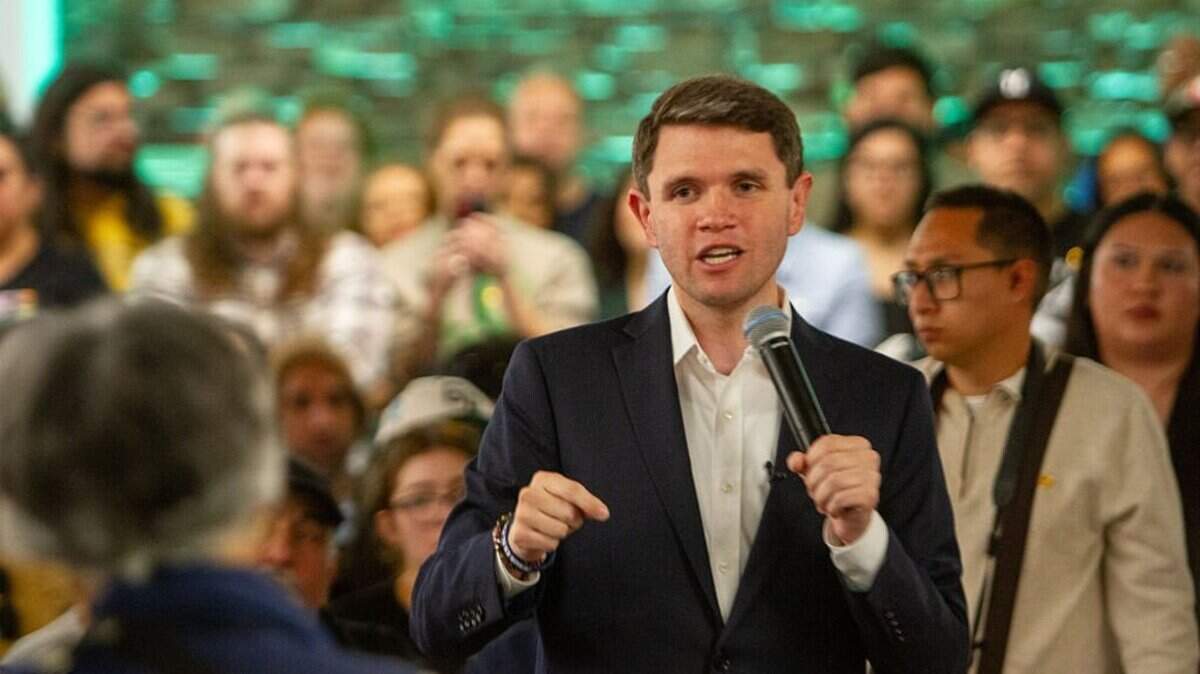
State Rep. James Talarico secured the Democratic nomination over U.S. Rep. Jasmine Crockett by building a coalition that resonated with entrepreneurial Texans and advertising in Hispanic counties where turnout can decisively shape results.
While Talarico began making inroads to the Hispanic community, including through our organization, Crockett sat idle. In fact, the congresswoman refused to interact with us on two occasions. She is now out of the race, thanks partly to the Hispanic voters she declined to engage.
On the Republican side, Sen. John Cornyn and Attorney General Ken Paxton now head to a runoff after neither candidate secured a majority of the vote. The contest has already become one of the most expensive Senate primaries in American history, with more than $130 million spent overall. If the runoff continues, it’s likely to draw another aggressive wave of spending and national attention.
Yet the same question remains unanswered by either candidate: Who is actually speaking to the voters who will decide this election?
Whoever emerges from the GOP will face a Democratic nominee who demonstrated that appealing to Hispanic communities and rural voters can reshape the political map in ways many analysts did not expect.
Talarico’s victory relied on building support across rural regions and Hispanic communities that are often overlooked. As the only candidate to engage local Spanish-language networks such as Univision, a trusted voice that has local reporters in virtually every Hispanic community, it provided him the much-needed boost to cross the finish line.
As our eyes shift to November, I wonder how any candidate can aspire to represent one of the most entrepreneurial states, one that is also Hispanic-dominant, while avoiding engagement with the very voters who define it.
The next senator for Texas will not be determined solely by campaign spending or party loyalty. It will be the candidate who understands where Texas is headed and engages the voters driving that change. Talarico’s victory in the Democratic primary is proof of that.
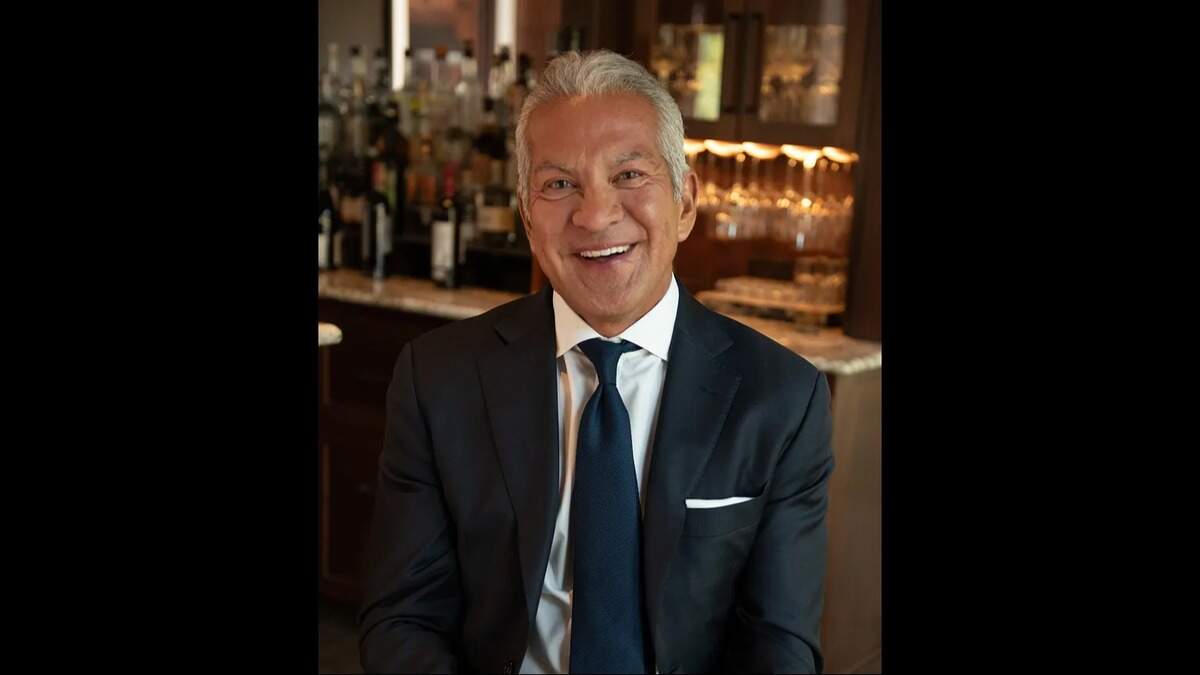
Javier Palomarez is the president and CEO of the nonpartisan United States Hispanic Business Council, which advocates on behalf of Hispanic-owned small businesses. He lives in the Fort Worth area.