
Spare us the idea that Paxton can ‘SAVE’ elections from immigrants | Opinion
AI-generated summary reviewed by our newsroom.
- The SAVE Act debate drives Texas Senate runoff and strategy between Cornyn and Paxton.
- The bill would require photo ID and citizenship proof to register and vote.
- Critics warn the SAVE Act could create paperwork barriers and legal fallout.
What is the Texas Republican runoff for U.S. Senate about?
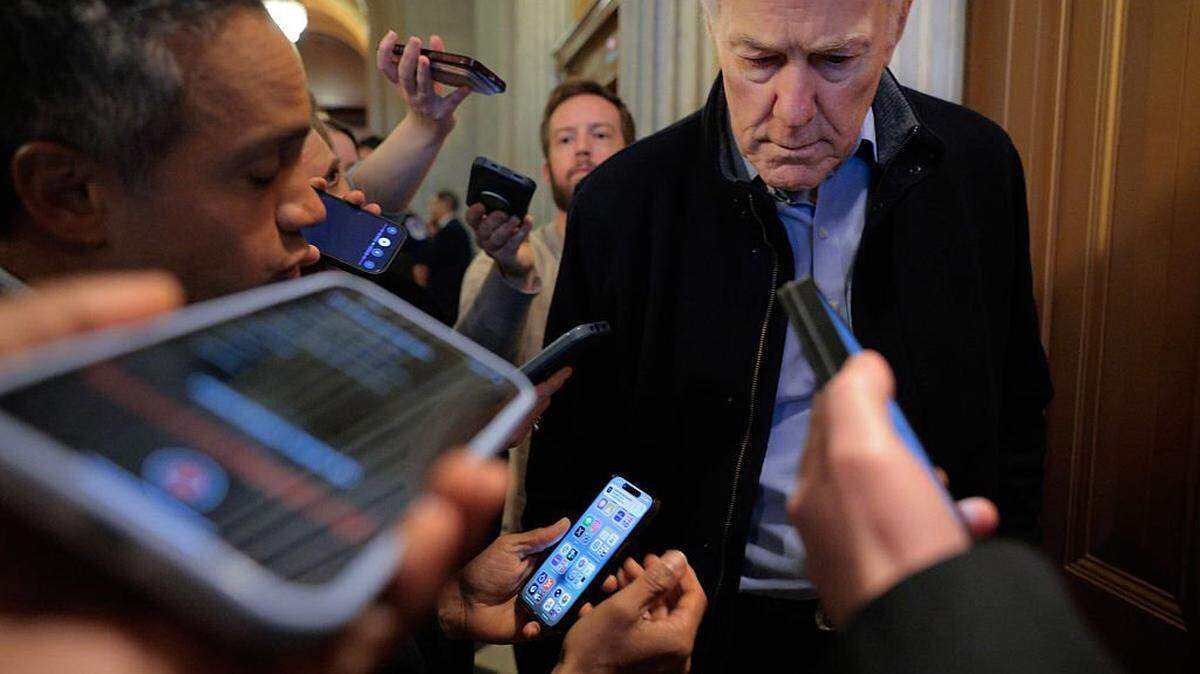
For many GOP voters, it’s whether John Cornyn or Ken Paxton will be more conservative or more supportive of President Donald Trump (Note: Those are not necessarily the same thing.)
For others, it’s about establishment caution vs. insurgent energy. We’d argue it should be more about Paxton’s inherent corruption.
Since the incumbent and the attorney general challenging him advanced from the March 3 primary, though, it seems the election turns on legislation stuck in the Senate, known as the SAVE America Act, and what Trump, Cornyn and Paxton are willing to do to see it become law.
It’s a good thing the country isn’t facing war, economic uncertainty, spiraling healthcare costs or a long-term debt crisis, eh?
Instead, somehow, this race — which some see as pivotal to which party controls the Senate — comes down to a bill that would require photo ID to vote and proof of citizenship to register.
How?
Trump hinted at Cornyn endorsement but has held off
Cornyn emerged from the primary with the most votes, surprising to pollsters and pundits, but not enough to avoid a two-man second round scheduled for May 26. Trump had declined to endorse a candidate, saying he liked them all. After the primary, he said he would designate a favorite and expect the other man to drop out. Washington conventional wisdom is that he would pick Cornyn to help Republicans avoid a costly fight in a state they generally win handily, particularly if Senate leaders gave in on Trump’s favored election bill.
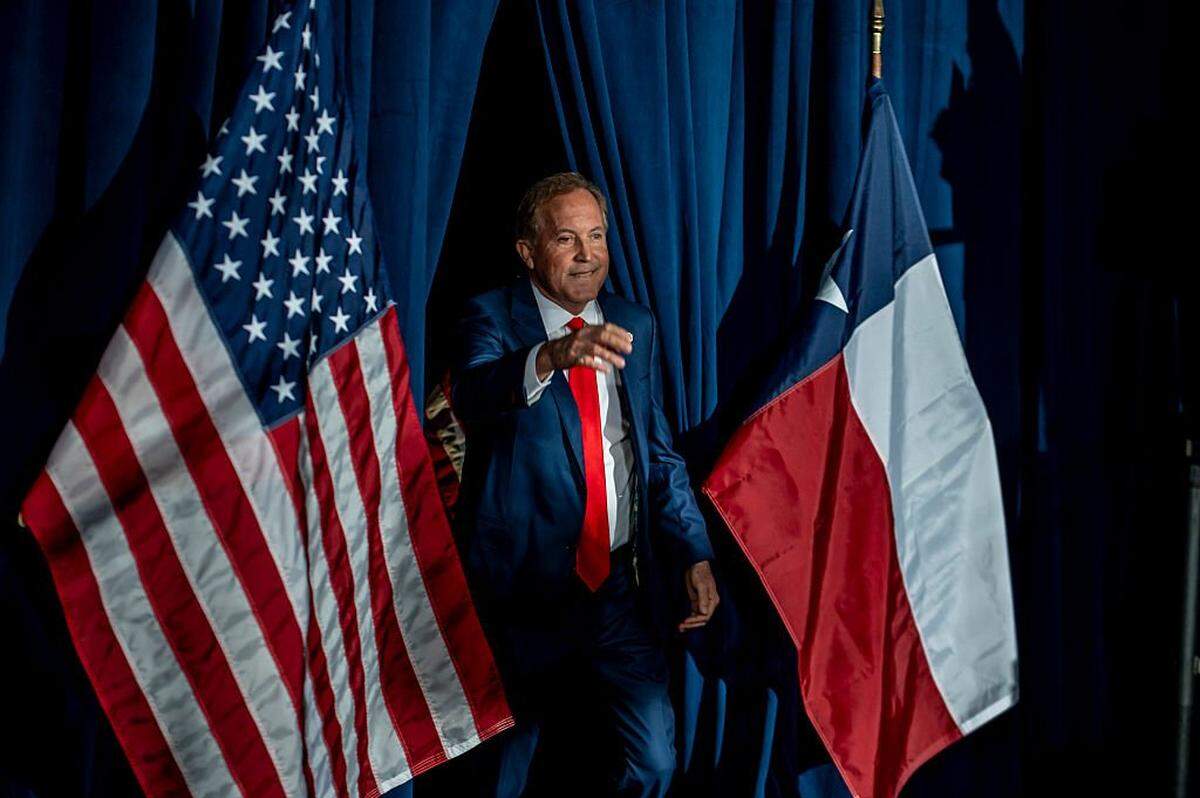
Paxton, who has mastered the skill of appearing virtuous and self-sacrificing while being the precise opposites, said he would consider dropping out if Cornyn and other Republicans just acquiesced to the all-important bill. Soon, Cornyn bucked his Senate traditionalist past and essentially agreed, saying his fellow Senate Republicans should do whatever it takes to make the bill a reality.
The shorthand argument on behalf of the bill is that it has broad support, that even Democrats favor photo ID requirements to vote and steps to ensure noncitizens can’t participate in elections. And it’s true that on voter ID in particular, Republicans have won the argument. Over more than a decade, the horror stories of disenfranchisement that Democrats used to fight state-level laws have not materialized.
That doesn’t make the SAVE Act a good idea. Its chief problem is the sweeping requirement for proof of cititzenship that it would impose, possibly imperiling the registration status of people who can’t find their birth certificate or people, such as married women, whose current IDs don’t match their birth names.
Perhaps those are surmountable issues. Trump, however, has raised the stakes, saying he also wants the bill to ban much mail-in balloting, restrict transgender participation in sports and bar medical transitions for children and teenagers. For good measure, he also wants Republicans to revamp Senate rules to end the Democrats’ block on funding for the Department of Homeland Security, where they are demanding major changes to immigration enforcement.
Phew. Got all that? Suddenly, this little ol’ Texas runoff is about everything we’re fighting about all at once.
Few serious people are arguing for voting rights for noncitizens, although Democrats in places such as California and Maryland have foolishly allowed some to vote in local elections. The bill would hassle law-abiding citizens to address what’s otherwise an almost nonexistent problem.
Surely Texas, where Republicans have worked for decades to secure elections, must be ahead of the curve on citizenship restrictions, right? Not really. Federal and state law restrict voting to U.S. citizens. And applicants for registration must attest that they are citizens in good standing.
But there’s no requirement of paperwork to prove it. The Texas Senate approved a bill last year that would have created a citizenship check, even applying it to voters identified as possible noncitizens. The measure, which could have created substantial work for county election officials, did not receive a vote in the full House.
Few immigrants take risk to try to vote
Most voters register these days when they get or renew a driver’s license, so eventually the rolls are checked against lists of suspected noncitizens. But if you’re willing to stand in line at a government office and vow, under risk of prosecution, that you’re eligible, you probably are. Few immigrants, especially those in the country illegally, want to vote so badly that they’ll risk imprisonment and deportation to cast a ballot.
In-person voting fraud has always been a rare crime. It’s not nonexistent, and it should be treated seriously — but also kept in perspective.
Of course, perspective about election security has been at risk of extinction since Trump lost the 2020 election. He and his devoted followers still won’t accept that a close vote didn’t go their way. The desire to fix a problem only they see is so deep — especially with midterm elections coming — that they are willing to reverse decades of Senate tradition to pass the SAVE Act.
True conservatives understand that restrictions on how impulsively the Senate can move are a check on popular whim that prevents larger, more expensive government and progressive priorities that Democrats would gladly enact on the thinnest of vote margins. Cornyn used to understand that. He argued in a New York Post column announcing his change of heart that Democrats will destroy the filibuster anyway, for their own bad election ideas and all manner of bills Republicans would rather stop, so the GOP might as well get what it can now.
That’s the story that has overtaken Texas Republicans’ debate over whether Cornyn or Paxton would make the better nominee or senator. That’s the ill-conceived idea for which some GOP voters would open the door to Paxton, who has abused their trust again and again. He’s a bit quicker to give Trump whatever he wants, and that’s all some Republicans need to hear.
Paxton, who should have been reeling from a poorer-than-expected performance in the initial primary vote, has played a bad political hand beautifully. And voters are free, of course, to choose any candidate for any reason.
It will be a crying shame, though, if unnecessary legislation that’s sure to spark all sorts of unintended consequences is the point on which they decide this important contest.
BEHIND THE STORY
MOREHey, who writes these editorials?
Editorials are the positions of the Editorial Board, which serves as the Fort Worth Star-Telegram’s institutional voice. The members of the board are: Cynthia M. Allen, columnist; Steve Coffman, editor and president; Bud Kennedy, columnist; and Ryan J. Rusak, opinion editor. Most editorials are written by Rusak. Editorials are unsigned because they represent the board’s consensus positions, not necessarily the views of individual writers.
Read more by clicking the arrow in the upper right.
How are topics and positions chosen?
The Editorial Board meets regularly to discuss issues in the news and what points should be made in editorials. We strive to build a consensus to produce the strongest editorials possible, but when we differ, we put matters to a vote.
The board aims to be consistent with stances it has taken in the past but usually engages in a fresh discussion based on new developments and different perspectives.
We focus on local and state news, though we will also weigh in on national issues with an eye toward their impact on Texas or the Dallas-Fort Worth area.
How are these different from news articles or signed columns?
News reporters strive to keep their opinions out of what they write. They have no input on the Editorial Board’s stances. The board consults their reporting and expertise but does its own research for editorials.
Signed columns by writers such as Allen, Kennedy and Rusak contain the writer’s personal opinions.
How can I respond to an editorial, suggest a topic or ask a question?
We invite readers to write letters to be considered for publication. The preferred method is an email to letters@star-telegram.com. To suggest a topic or ask a question, please email Rusak directly at rrusak@star-telegram.com.