
Abbott, Patrick squabbling on Texas property taxes. Who’s right? Neither | Opinion
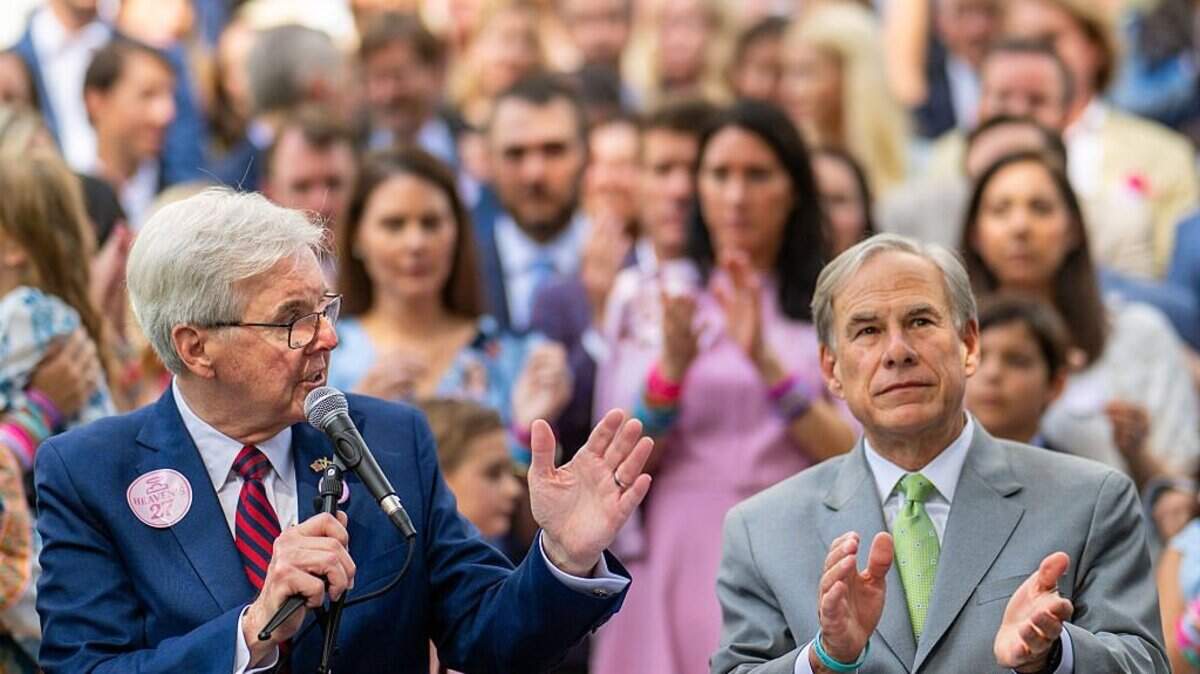
The usual order of things for a Texas election year is for leaders to present a happy united front, then lay out policy differences once victory is secured and the Legislature is headed back to Austin.
Gov. Greg Abbott and Lt. Gov. Dan Patrick aren’t waiting. The Republicans, each seeking a fourth term, have laid out plans for more property tax cuts, and they’re arguing in different directions. That’s not a formula for an easy win on the issue in 2027.
Both plans are flawed. But Patrick’s is at least rooted in a reality that he voiced in a surprisingly blunt way: Property taxes are necessary.
Without directly opposing Abbott’s proposal to eventually eliminate school property taxes for homeowners, Patrick nodded at the fact that Texas has only so many ways to fund state and local government.
Without property taxes, he asked, “how do you pay for anything? How do you build anything? What happens to the Texas miracle when we shut everything down so we can?”
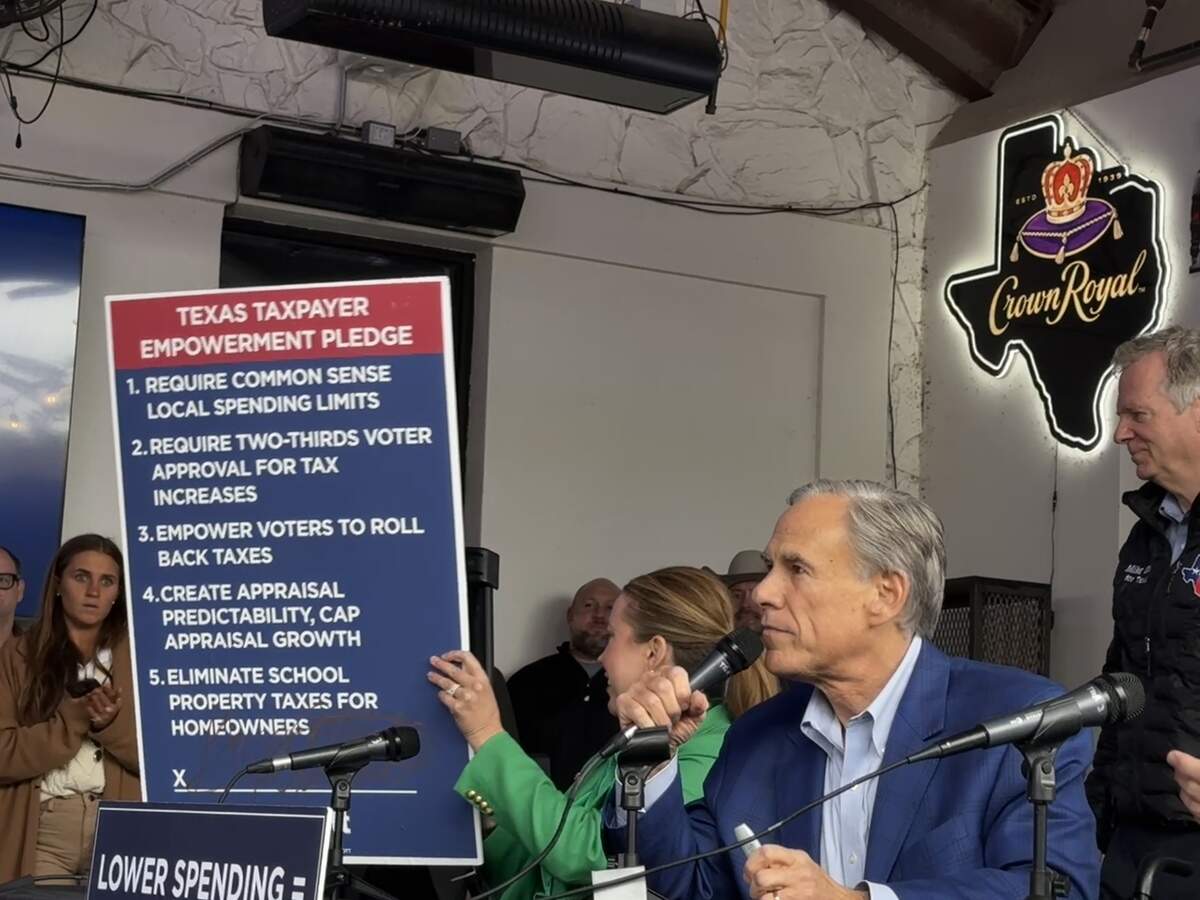
The plan that Abbott laid out in early December in Fort Worth would have the state set stricter limits on how much local governments can spend; allow more elections to control local government taxes and spending; dramatically curtail increases in property appraisals; and allow voters to abolish school property taxes on homeowners.
Property taxes remain high in Texas, and homeowners feel it
Texas homeowners are exasperated over taxes that they still see as exorbitant, even after several rounds of state-paid cuts in school taxes. But booming property values are a result of Texas’ fantastic economic growth. And without an income tax at the state or local levels, those governments rely more heavily on sales and property taxes.
Voters have repeatedly rejected income taxes, through both constitutional amendments and the leaders they elect. But the money to pay police officers, firefighters and teachers, build and maintain roads and improve public education so that the Texas workforce remains competitive — it must come from somewhere.
That’s the glaring fact that Patrick acknowledged in laying out his own plan. He has consistently pushed to increase the homestead exemption — essentially, ensuring you pay taxes on a smaller portion of your home’s taxable value. He doubled down on that approach shortly after Abbott laid out his plan.
Patrick said he would seek to again boost the homestead exemption and to extend higher homestead exemptions for senior citizens, which currently kick in at age 65, to those 55 and older. The plan carries the awkward name “Operation Double Nickel” as a result.
Patrick’s plan would benefit some of the most well-off Texans, older people with valuable homes. It would do little for renters or businesses and nothing to address the growing problem of homeownership being out of reach for younger and working-class people in many parts of Texas.
The leaders’ plans share flaws that don’t get enough attention. Eliminating local school property taxes, however it’s done, would reduce school districts’ control over spending priorities. The greater share of your district’s budget that comes from the state, the more the Legislature can dictate how schools should be run.
What happens if a recession hits Texas sales tax revenue?
A bigger problem is that, to believe either plan can work in the long run, you must think that Texas will never suffer another recession or downturn in the oil and gas industry. State revenue collection is on an impressive run of surpluses, as Abbott bragged. It has allowed lawmakers to buy down property taxes for nearly a decade. But the cost adds up, and when — not if — a recession arrives, lawmakers could face tens of billions in budget shortfalls.
The state will slash spending. The more schools are dependent on state revenue, the more teachers will be dismissed. Is that what Texans want for their schools?
Spending restraint is a conservative virtue. But so is prudence in planning for the future. Neither Abbott nor Patrick acknowledge the economic reality that will — not may — eventually arrive. Replacing all school tax revenue without increasing the sales tax may be theoretically possible, but only in the best of economic times.
As Abbott campaigns in 2026, it will be interesting to see how hard he pushes for his plan. He went to the mat for a new state law on school vouchers, taking the unusual step of working to defeat recalcitrant Republican incumbents. He got his way, but Patrick wasn’t standing in the breach with a significantly different proposal.
Policy fights among the governor, lieutenant governor and House speaker are common, even — especially, perhaps — when they are of the same party. Look at how Abbott and Patrick tussled over hemp regulation. If both promise sweeping tax cuts, the stakes will be higher, and acrimony is almost inevitable.
After three terms each, Abbott and Patrick are running out of things to do. It’s hard to campaign on a promise to keep things humming along, especially when voters are dissatisfied with the country’s direction overall.
And yet, both face no significant primary challengers and weak competition from Democrats next fall. Both are overwhelming favorites to win re-election.
After that, the real battles begin.
BEHIND THE STORY
MOREHey, who writes these editorials?
Editorials are the positions of the Editorial Board, which serves as the Fort Worth Star-Telegram’s institutional voice. The members of the board are: Cynthia M. Allen, columnist; Steve Coffman, editor and president; Bud Kennedy, columnist; and Ryan J. Rusak, opinion editor. Most editorials are written by Rusak. Editorials are unsigned because they represent the board’s consensus positions, not necessarily the views of individual writers.
Read more by clicking the arrow in the upper right.
How are topics and positions chosen?
The Editorial Board meets regularly to discuss issues in the news and what points should be made in editorials. We strive to build a consensus to produce the strongest editorials possible, but when we differ, we put matters to a vote.
The board aims to be consistent with stances it has taken in the past but usually engages in a fresh discussion based on new developments and different perspectives.
We focus on local and state news, though we will also weigh in on national issues with an eye toward their impact on Texas or the Dallas-Fort Worth area.
How are these different from news articles or signed columns?
News reporters strive to keep their opinions out of what they write. They have no input on the Editorial Board’s stances. The board consults their reporting and expertise but does its own research for editorials.
Signed columns by writers such as Allen, Kennedy and Rusak contain the writer’s personal opinions.
How can I respond to an editorial, suggest a topic or ask a question?
We invite readers to write letters to be considered for publication. The preferred method is an email to letters@star-telegram.com. To suggest a topic or ask a question, please email Rusak directly at rrusak@star-telegram.com.