
No one wants to close schools. But here’s why Fort Worth ISD’s plan works | Opinion
On the long list of hard things the Fort Worth school district has to do to create a better future, deciding which schools to close and consolidate is one of the most fraught.
There are many competing interests. Every decision can please one faction but anger another. The administration has to balance enrollment patterns, the condition of buildings, what nearby facilities can absorb students and how to transport thousands of children daily.
Then, there are questions of race and class and whether closing campuses is another blow to historically underserved communities. Each choice prompts an emotional reaction; people love their neighborhood schools, even when they’re flawed. And there is potential for political interference that compromises smart decision-making.
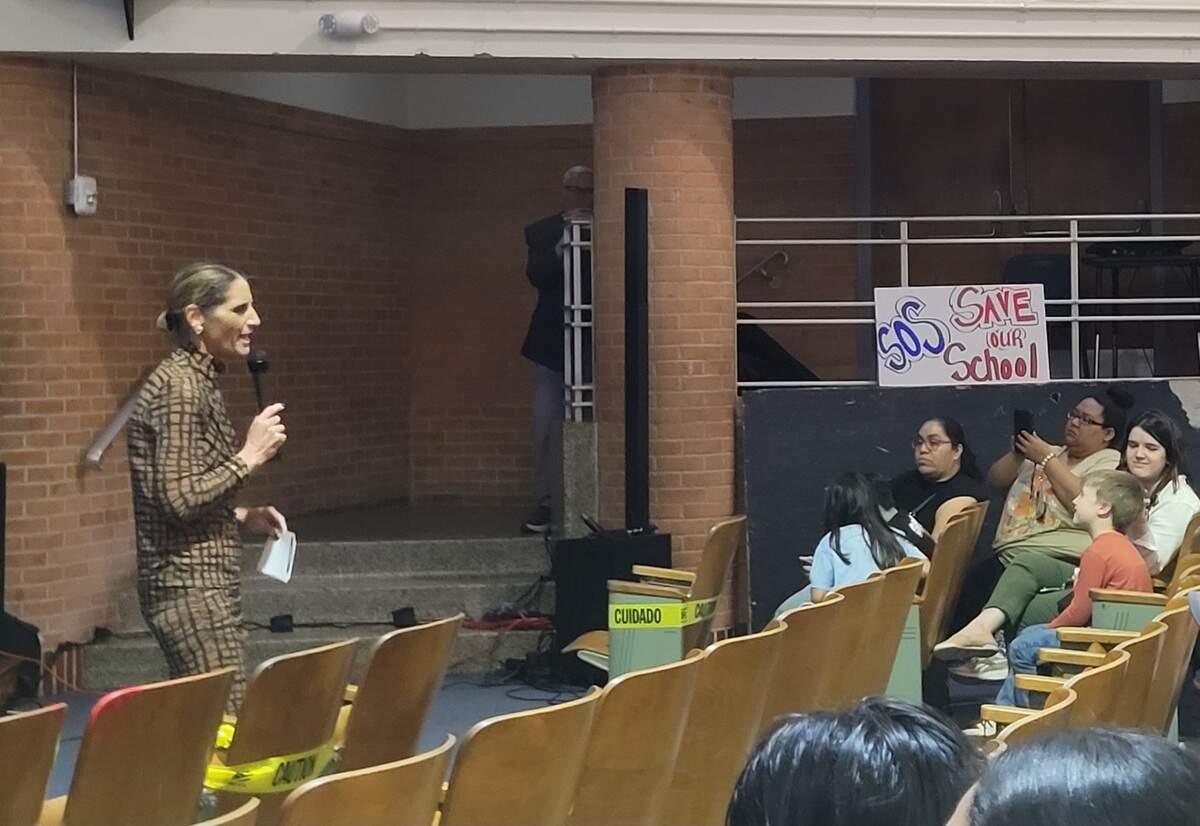
So, Superintendent Karen Molinar and her staff deserve credit for coming up with a plan to close 18 schools, mostly elementaries, over four years. No plan is perfect or pleases everyone. But this one will save nearly $10 million for additional instructional help — and improving student performance is the priority above all else. It will make it easier for administrators and educators to focus on children’s needs. The board of trustees should approve the plan when it votes Tuesday — and avoid the temptation to alter it, especially through last-minute deal cutting.
So far, the board’s involvement seems to have been appropriate. Several members have lobbied for schools in their individual districts and asked difficult questions to sharpen the plan. But they have largely prioritized the overall needs of the entire school district.
With constant news of Fort Worth’s unrelenting population growth, many taxpayers or parents might not realize the long-term trend in FWISD. The total enrollment has dropped consistently for a decade; the district served 83,000 students in 2019-20 and just 70,000 this year. There’s no reason to think that trend will change anytime soon. It’s happening in other districts, too, driven by declining birth rates and other factors.
In some parts of Fort Worth, charter schools have proved vastly preferable to district schools that have struggled for years. As the state launches a new school choice program, even more families will seek options beyond the district.
Some have observed that many of the schools on the chopping block serve some of the district’s poorest families, especially in southeast and east Fort Worth. The district should take care to impose no new burden on their educations. But the reality is that those areas are where enrollment declines are acute.
In addition to the yearly savings by reducing staff and maintenance costs, the district estimates it will retain tens of millions of dollars in construction expenses that would be required to keep some of the closing campuses functional. It’s important that future budgets reflect the needs of the schools that will gain students from closures, especially the disadvantaged. If they in particular don’t see more resources, an opportunity will have been lost.
One particular case that has drawn criticism is that of De Zavala Elementary in the Fairmount neighborhood. Parents made a compelling argument to the board when the plan was laid out May 13: Why would a district with so many academic challenges close one of its A-rated campuses?
But De Zavala serves a student body less than half its capacity. It performs better than many campuses and the district as a whole, but nearly half of third-graders lack the reading skills they should have.
Good things are happening there, but not because of the school’s location or building. Administrators should take note and work to make sure that high-performing faculty and staff members aren’t lost because of the move. Perhaps most of all, they should study what’s working at De Zavala and apply the lessons to other campuses. With so many students struggling to master basics, Fort Worth needs an emphasis on successful strategies and the follow-through to ensure changes are made.
Anyone with an interest in the city’s future is watching what happens at FWISD and looking for any sign of progress. The district’s apparent ability to minimize the pain of a difficult process is one. That’s not to say no one will be hurt or dissatisfied with the outcome. But as more challenging tasks lie ahead to turn the district around, let’s hope this helps provide momentum for the board and administration.
BEHIND THE STORY
MOREHey, who writes these editorials?
Editorials are the positions of the Editorial Board, which serves as the Fort Worth Star-Telegram’s institutional voice. The members of the board are: Cynthia M. Allen, columnist; Steve Coffman, editor and president; Bradford William Davis, columnist and editorial writer; Bud Kennedy, columnist; and Ryan J. Rusak, opinion editor. Most editorials are written by Rusak or Davis. Editorials are unsigned because they represent the board’s consensus positions, not necessarily the views of individual writers.
Read more by clicking the arrow in the upper right.
How are topics and positions chosen?
The Editorial Board meets regularly to discuss issues in the news and what points should be made in editorials. We strive to build a consensus to produce the strongest editorials possible, but when we differ, we put matters to a vote.
The board aims to be consistent with stances it has taken in the past but usually engages in a fresh discussion based on new developments and different perspectives.
We focus on local and state news, though we will also weigh in on national issues with an eye toward their impact on Texas or the Dallas-Fort Worth area.
How are these different from news articles or signed columns?
News reporters strive to keep their opinions out of what they write. They have no input on the Editorial Board’s stances. The board consults their reporting and expertise but does its own research for editorials.
Signed columns by writers such as Allen, Kennedy and Rusak contain the writer’s personal opinions.
How can I respond to an editorial, suggest a topic or ask a question?
We invite readers to write letters to be considered for publication. The preferred method is an email to letters@star-telegram.com. To suggest a topic or ask a question, please email Rusak directly at rrusak@star-telegram.com.
This story was originally published May 18, 2025 at 5:25 AM.